Physical TheraPT

Research-Backed Recovery

Returning to Play for High School Athletes: Part 1

Ever watch your star player go down with a knee injury, see a shoulder pop out during a tackle, or witness an ankle roll on the court? These moments are gut-wrenching for athletes, parents, and coaches alike. But here's the good news: most high school athletes can successfully return to their sport after these common injuries — if they follow the right roadmap for physical recovery.

Let's break down what it takes to get physically cleared for return to play after an ACL tear, shoulder dislocation, or ankle sprain.


The ACL Injury: A Marathon, Not a Sprint

An ACL tear is one of the most feared injuries in youth sports, and for good reason. Nearly a quarter of a million ACL injuries occur annually in the US and Canada, with rates in high school athletes reaching 5.5 per 100,000 athlete exposures. But here's what many don't realize: getting back on the field isn't just about healing — it's about meeting specific physical benchmarks.

The minimum timeline is 9 months from surgery, and that's not arbitrary. Your body needs time for the graft to incorporate biologically, and rushing back increases reinjury risk dramatically. In fact, athletes who returned before 9 months had significantly higher rates of reinjury compared to those who waited.

But time alone isn't enough. Athletes must achieve at least 90% limb symmetry index (LSI) for both quadriceps strength and hop testing before getting cleared for competition. This means the injured leg needs to perform at 90% or better compared to the uninjured leg. Athletes who met these criteria had a reinjury rate of just 4.5% within 2 years, compared to 33% in those who didn't meet the criteria.

The recovery follows a structured, mulit-phase approach:

  • Early phase (weeks 0-6): Focus on reducing swelling, restoring range of motion to 0-115 degrees, and achieving 60% quadriceps strength symmetry

  • Intermediate phase (weeks 7-9): Progress to 70% strength symmetry with full, symmetrical range of motion

  • Late phase (weeks 10-16): Reach 75-80% strength symmetry and begin running when you hit 80% and can demonstrate single leg squats, step downs and hops with good mechanics

  • Transitional phase (months 4-6): Introduce jumping, sprinting, and agility drills at 85% strength symmetry

  • Return-to-sport phase (months 6-12): Sport-specific training with final clearance requiring 90% symmetry, no pain or swelling, and adequate confidence levels

Here's the reality check: only 40-55% of athletes return to their pre-injury activity level after ACL reconstruction. Even among highly motivated European professional soccer players with excellent resources, only 65% returned to their previous level. This isn't meant to discourage — it's meant to emphasize the importance of working with a sports physical therapist and following a comprehensive plan.


Shoulder Dislocations: High Risk, But Quick Recovery Possible

The shoulder is the most commonly dislocated joint in the body, and it usually dislocates anteriorly (toward the front). For high school athletes, especially those in contact and collision sports, this injury comes with a sobering statistic: recurrence rates can reach up to 90% in active patients younger than 25 years.

But here's where shoulder dislocations differ from ACL injuries: return to play can happen as early as 2-3 weeks after injury for athletes who are pain-free, have symmetrical shoulder range of motion, and can perform sport-specific motions. Some athletes with recurrent dislocations who experience easy relocation, minimal pain, full range of motion, and protective strength may even return the same day.

The treatment approach depends on several factors:

Immediate management:

  • Attempted relocation on the field before muscle spasm develops

  • Neurovascular assessment before and after reduction

  • Immobilization and pain management after successful reduction

  • Post-reduction radiographs after first-time dislocation

Recovery protocol:

  • Sling use for 2-4 weeks for comfort (though current evidence doesn't mandate a specific duration)

  • Graduated rehabilitation focusing on passive and active range of motion

  • Physical therapy addressing joint range of motion, scapular control, rotator cuff strength, and sport-specific conditioning

Surgical considerations: Surgery should be considered for first-time dislocations in active patients under 25 due to the extremely high recurrence rate, or when there are complications like large bony defects.

Interestingly, research on high school athletes shows that 85% of those treated nonoperatively successfully returned to their sport and completed at least one full season without additional injury. Athletes with subluxations (partial dislocations) fared even better, with an 89% success rate compared to 26% for complete dislocations.


Ankle Sprains: The Most Common Culprit

Ankle sprains are the most common foot-ankle and sports-related injury for which people seek medical care. Four in every 10 first-time ankle sprains occur during sports participation. The good news? Most athletes bounce back quickly.!

High school athletes have a 75% chance of returning to sport within 3 days after a first-time , Grade I ankle sprain, and a 95% chance within 10 days. In college athletics, 44.4% of athletes returned to play in less than 24 hours. However, more severe Grade II and III sprains involving multiple ligaments can sideline athletes for more than 3 weeks.

The key to successful return involves addressing five critical domains — the PAASS framework:

  • Pain: Both during sport participation and over the last 24 hours

  • Ankle impairments: Range of motion, muscle strength, endurance, and power

  • Athlete perception: Confidence, reassurance, stability, and psychological readiness

  • Sensorimotor control: Proprioception and dynamic postural control/balance

  • Sport/functional performance: Hopping, jumping, agility, sport-specific drills, and ability to complete a full training session

Supervised exercise programs addressing strength, coordination, proprioception, and functional deficits lead to faster return to sports. Evidence also supports the use of compression stockings and anteroposterior ankle joint mobilization for quicker recovery.

General return-to-work and sport guidelines suggest:

  • Return to sedentary work: 2-6 weeks following injury

  • Return to physical occupations and sports: 6-8 weeks

These timelines should be adjusted based on injury severity, rehabilitation response, and specific task requirements. Working with a sports medicine clinician will be key for determining optimal readiness.


TOOLS FOR BUILDING CONFIDENCE

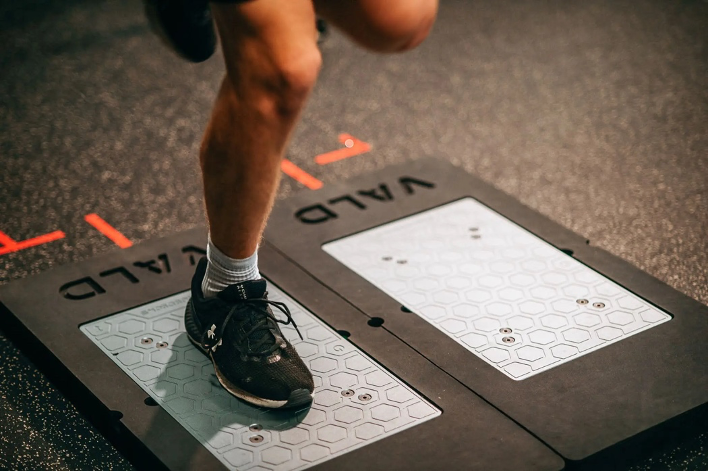
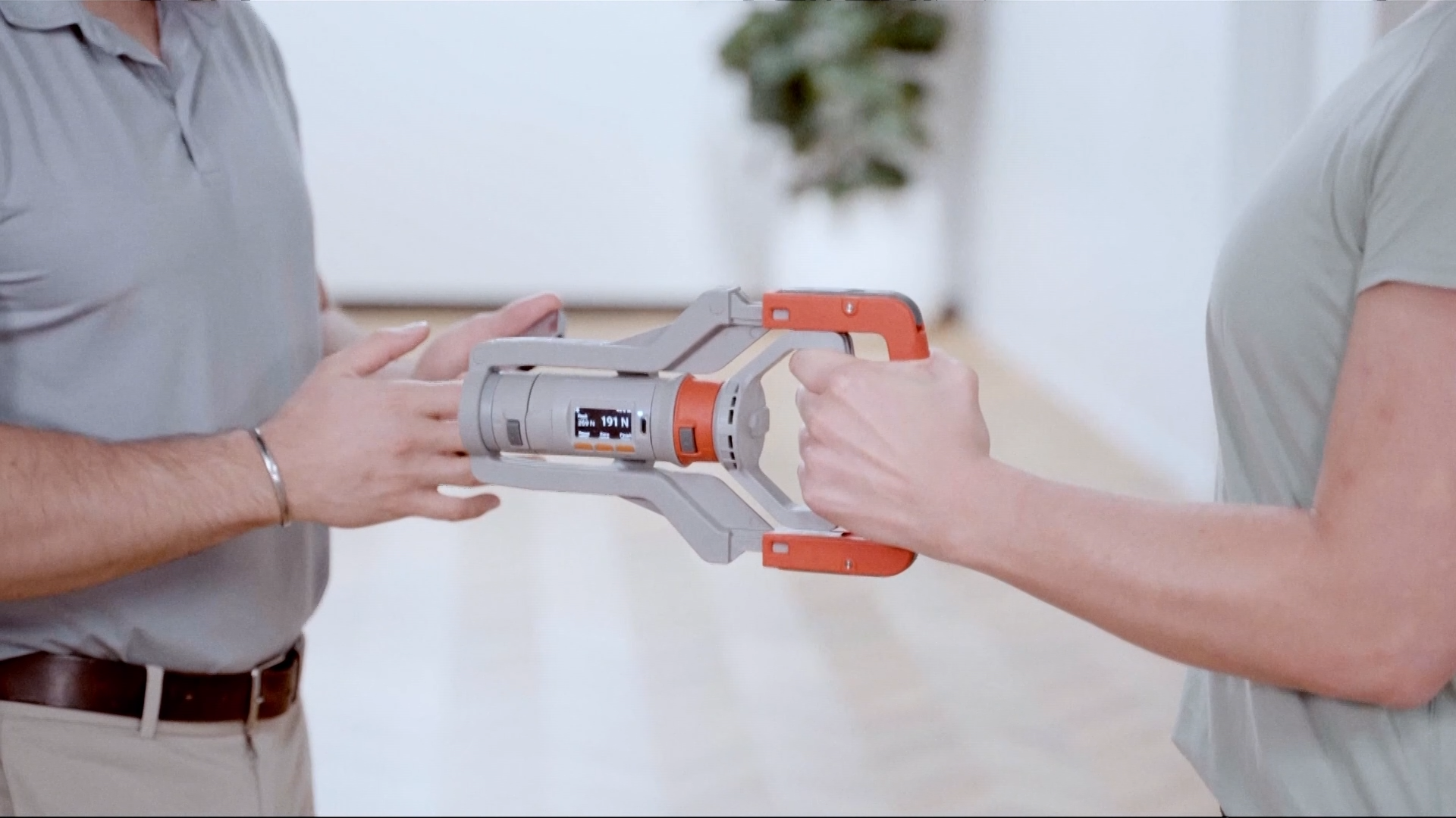
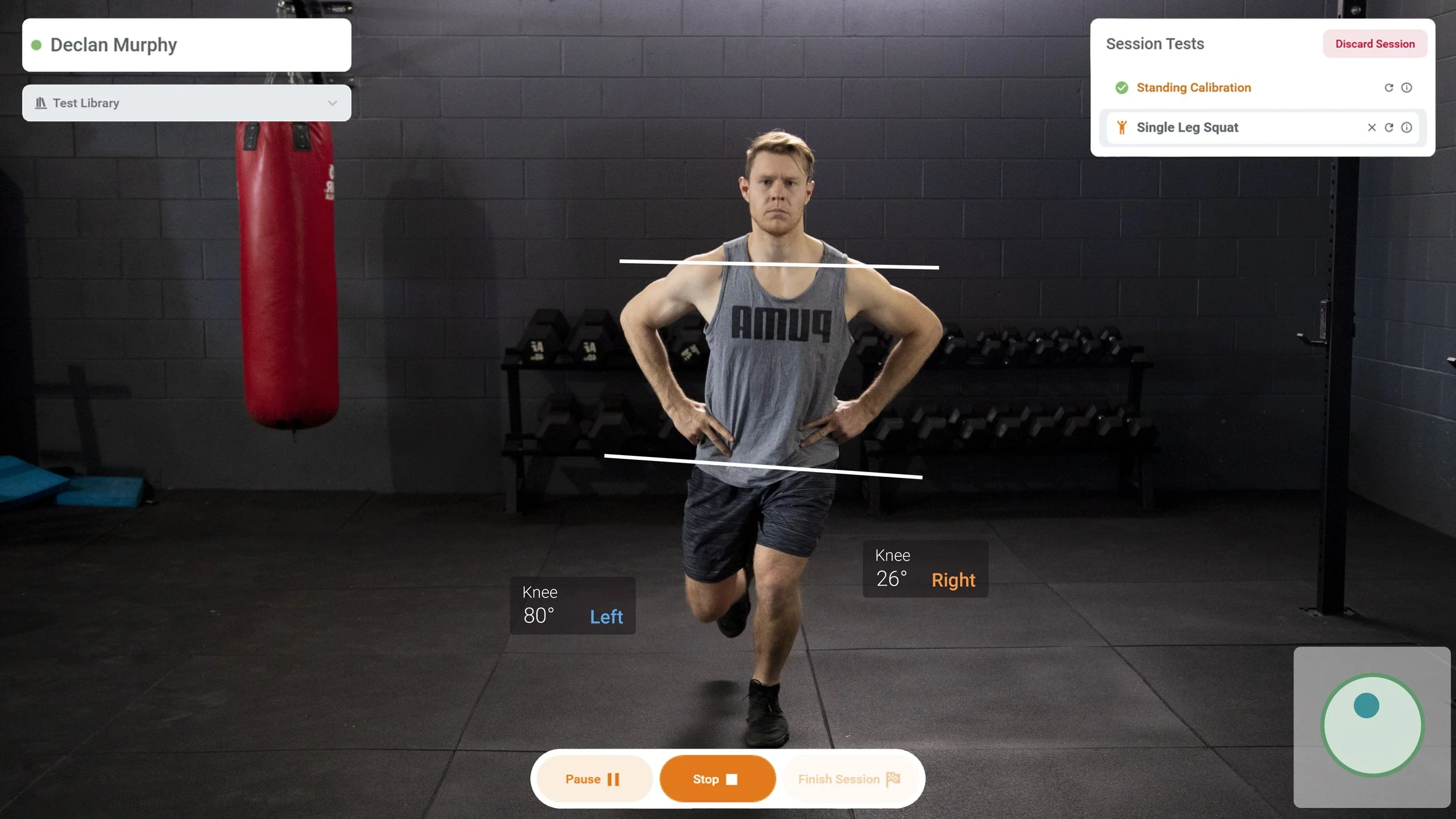
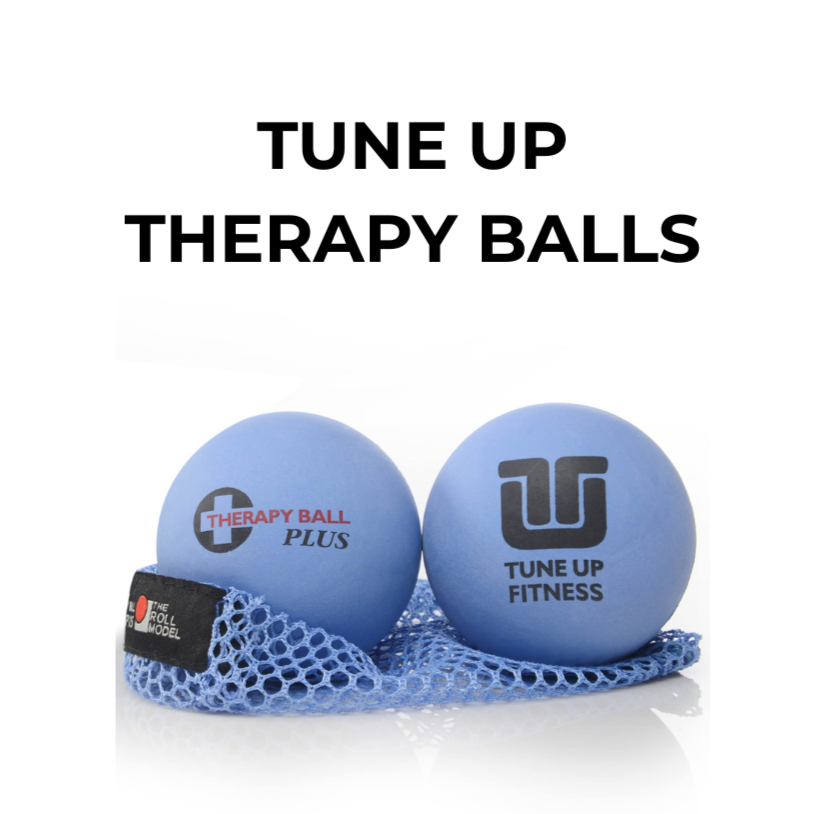
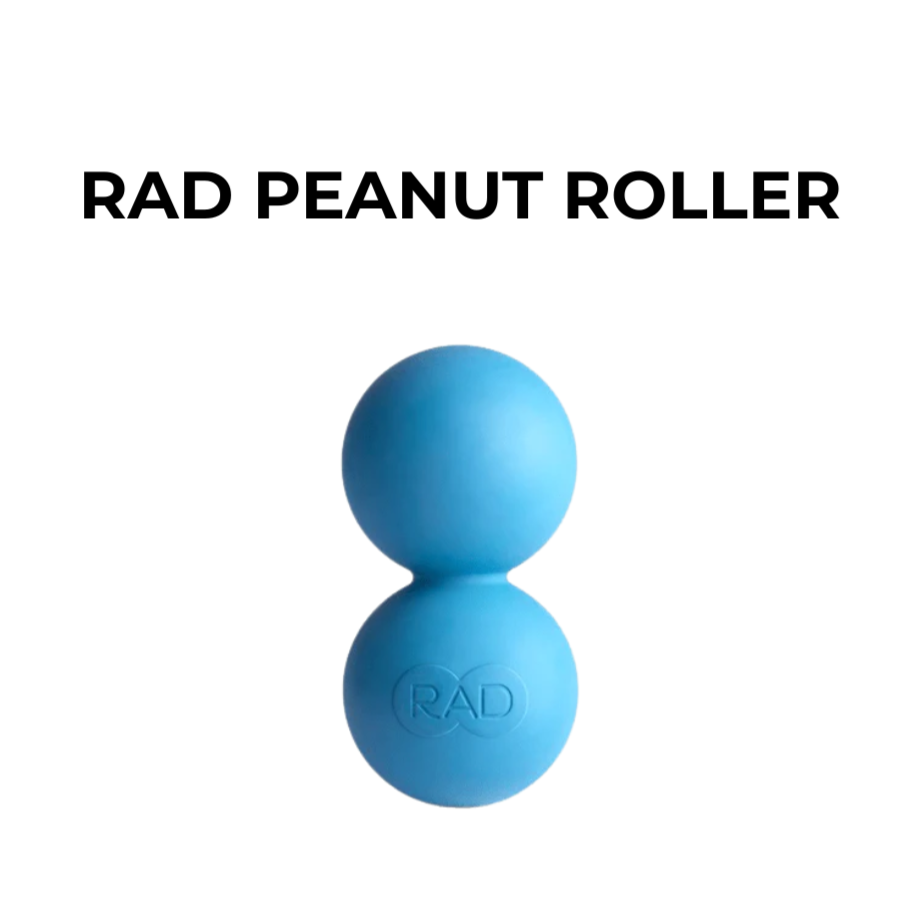
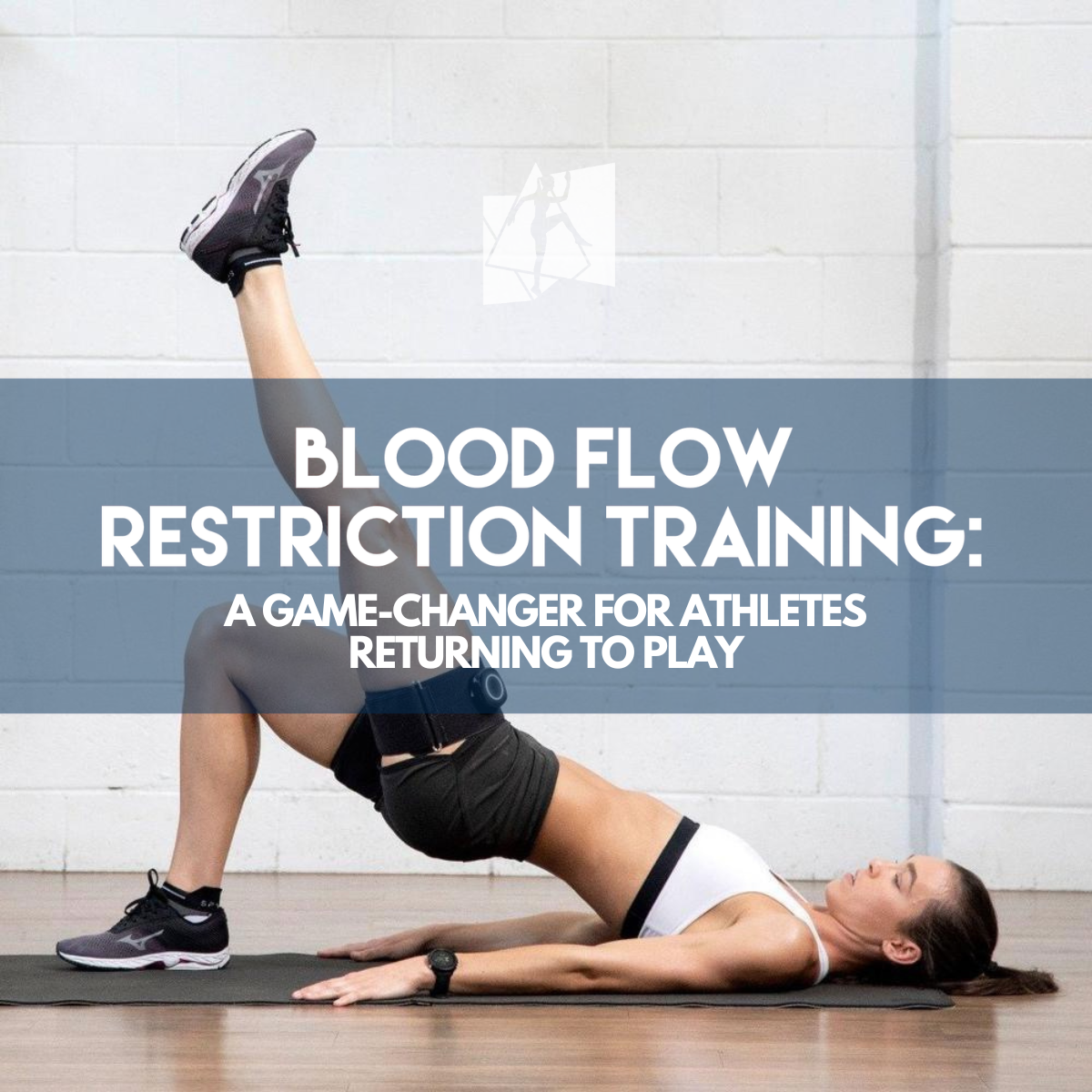
Resistance bands, balance pads and boards, and BFR cuffs are a few of the essential tools in rehabilitation. Resistance bands safely build strength, balance pads enhance coordination and stability, and BFR cuffs accelerate recovery through low-load training.

Below are our top 5 recommended products to use as a recovering athlete.


Click the image to shop on Amazon through our affiliate links and access possible discounts!


The Bottom Line

Physical clearance for return to play isn't one-size-fits-all. ACL injuries require the longest recovery with the most stringent criteria — minimum 9 months and 90% strength symmetry. Shoulder dislocations can allow quicker return (2-3 weeks) but carry high recurrence risk in young athletes. Ankle sprains typically resolve fastest, with most athletes back within days to weeks.

The common thread? Meeting objective physical criteria matters more than arbitrary timelines. Pain-free movement, symmetrical strength, full range of motion, and sport-specific performance capabilities aren't just checkboxes — they're your best insurance against reinjury.

In Part 2, we'll explore the mental side of return to play — because as we've learned, physical readiness is only half the battle.


References

The Science of Stretching

Stretching has been a go-to practice for athletes, fitness enthusiasts, and physical therapy patients alike. But what’s really happening inside your body when you stretch? More importantly, is stretching as beneficial as we’ve been told?

For years, the idea was simple: stretch to improve flexibility, prevent injuries, and enhance performance. However, modern research paints a more nuanced picture. While stretching does have benefits, how, when, and why you stretch matters. In this post, we’ll explore the science behind stretching, the differences between dynamic and static stretching, and how to make your stretching routine more effective.

What Happens at the Cellular Level?

When you stretch, your muscles don’t just "loosen up"—a series of complex physiological reactions occur at the cellular level.

1. Muscle Fibers and Fascia Adapt

Muscle fibers (sarcomeres) temporarily elongate during stretching, but lasting flexibility gains occur when connective tissues, like fascia, gradually adapt over time. This aligns with Davis’s law, which states that soft tissues remodel in response to consistent mechanical stress. Research also shows that fascia is dynamic and can adapt to mechanical forces, influencing long-term flexibility (Schleip et al., 2019).

2. Neuromuscular Inhibition (Stretch Reflex)

The stretch reflex protects muscles from overstretching by triggering a contraction when a muscle is rapidly lengthened. However, consistent stretching can reduce this reflex's excitability, allowing for greater flexibility. A study found that repeated stretching, especially when muscles remain relaxed, can attenuate stretch reflex activity, supporting the idea that long-term stretching helps muscles tolerate greater lengthening without resistance (Ogawa et al., 2022).

3. Increased Blood Flow and Tissue Elasticity

Stretching improves blood circulation, which brings oxygen and nutrients to the muscles. This can enhance recovery, reduce muscle stiffness, and even contribute to long-term joint health.

Has Science Proven That Stretching is Beneficial?

Yes and no. While stretching can improve flexibility, studies show that static stretching before exercise doesn’t significantly reduce injury risk or enhance performance (Behm et al., 2016). However, dynamic stretching and long-term flexibility training have been shown to improve range of motion, recovery, and even reduce chronic pain when done correctly (Oppert & Babault, 2018).

Dynamic vs. Static Stretching: How to Use Each Effectively

Not all stretching is created equal. The type of stretching you do should match your goal:

Dynamic Stretching:
Best Before Activity

Dynamic stretching involves active movements that take your joints through their full range of motion. Instead of holding a stretch, you move fluidly through it—mimicking the movements you’re about to perform.

Benefits:

  • Increases blood flow and muscle temperature

  • Activates the nervous system for movement

  • Improves range of motion without reducing muscle power

EXAMPLES:

  • Leg Swings – Swing your leg forward and backward to activate hip flexors and hamstrings.

  • Lunges with a Twist – Engage core, hips, and spine before running or sports.

  • Arm Circles – Increase mobility in the shoulders before upper-body activities.

Bottom Line: Use dynamic stretching before workouts to prepare your muscles for activity without reducing power output.

Static Stretching:
Best After Activity

Static stretching involves holding a position for an extended period (15–60 seconds), allowing muscles to relax and lengthen.

Benefits:

  • Improves long-term flexibility

  • Helps muscles recover and reduces post-exercise stiffness

  • Promotes relaxation and stress relief

EXAMPLES:

  • Hamstring Stretch – While lying on your back, use a strap to anchor around your foot and pull your leg up towards the ceiling, feeling a stretch in the back of your leg

  • Chest Opener – While sitting, clasp hands behind your head and open your chest to counteract hunching, opening your elbows out and away from you

  • Quad Stretch – While standing, grab one ankle behind you to stretch the front of your thigh.

Bottom Line: Use static stretching after workouts or as part of a flexibility routine to improve long-term mobility.

When to Stretch
(And When Not To)

When You Should Stretch:

Before a workout? – Yes, but only dynamic stretching.
After a workout? – Yes, static stretching can aid in recovery.
To improve flexibility? – Yes, but hold stretches for 15-60 seconds & perform them regularly.
To address muscle imbalances? – Yes, targeted stretching can help correct asymmetries.

When You Should Avoid Stretching:

When muscles are cold – Jumping into static stretching without warming up can lead to injury.
If you're experiencing sharp pain – Stretching shouldn’t cause pain; if it does, you may have an underlying issue.
If you suspect a sprain or strain – these types of injuries involve the tearing of ligaments or muscles/tendons, respectively (sometimes these tears are minimal). If there’s any torn tissue, stretching is not advised
When you have a history of dislocation or subluxation – joints that are likely to pop out of place are not suited for stretching

TOOLS FOR OPTIMIZING YOUR STRETCHING ROUTINE

A stretching strap promotes better alignment and controlled muscle lengthening, while a yoga mat provides joint support and stability—both enhancing safety and effectiveness through improved biomechanics.

BUY ON AMAZON
BUY ON AMAZON
 

Addressing Muscle Imbalances: Focusing on the Tighter Side

If you notice one side of your body is significantly tighter than the other, this could indicate:

  • An imbalance in muscle strength

  • A previous injury that caused compensatory patterns

  • Postural habits affecting mobility

How to Fix It:

  • During warmups, spend extra time dynamically stretching the tighter side.

  • During cooldowns, hold static stretches longer on the less flexible side.

  • If asymmetry persists, consider working with a physical therapist to address underlying issues.

Conclusion: Smarter Stretching for Better Movement

Stretching isn’t just about flexibility—it’s about training your nervous system and connective tissues to function optimally. Keep in mind that your body needs time to adapt to a new stretching routine, so start slow and don’t stretch more than once a day.

Here’s what to remember:

Dynamic stretching before workouts prepares muscles for movement.
Static stretching after workouts improves flexibility and recovery.
Stretching should be intentional—focusing on imbalances and avoiding overdoing it.
Flexibility is a long-term process—consistency is key.

Rather than mindlessly holding stretches, use stretching as a tool to enhance movement, prevent injury, and improve overall mobility. If you’re struggling with flexibility issues, a structured stretching routine (or a visit to a physical therapist) could make all the difference.

References

  • Schleip, R., Gabbiani, G., Wilke, J., Naylor, I. L., Hinz, B., Zorn, A., Jäger, H., & Klingler, W. (2019). Fascia is able to actively contract and may thereby influence musculoskeletal dynamics: A histochemical and mechanographic investigation. Frontiers in Physiology, 10, 336.

  • Ogawa, Y., Hasegawa, N., Nakazawa, K., Akai, M., & Murayama, M. (2022). Effect of repeated fast stretches on stretch reflex excitability in individuals post-stroke. Frontiers in Neurology, 13, 764650.

  • Behm, D. G., Blazevich, A. J., Kay, A. D., & McHugh, M. (2016). Acute effects of muscle stretching on physical performance, range of motion, and injury incidence in healthy active individuals: A systematic review. Applied Physiology, Nutrition, and Metabolism, 41(1), 1–11.

  • Opplert, J., & Babault, N. (2018). Acute effects of dynamic stretching on muscle flexibility and performance: An analysis of the current literature. Sports Medicine, 48(2), 299–325.

The Benefits of Kinesiology Taping

Kinesiology taping, sometimes called “KT” or “taping”, has emerged as a popular technique in sports medicine and rehabilitation, gaining recognition for its ability to support injury recovery and decrease pain. While the concept of elastic taping is not new, its application has evolved significantly. Let’s dive  into what therapeutic elastic taping is, how it works, and its benefits.

What is Kinesiology taping?

Kinesiology taping uses a flexible, stretchy tape designed to mimic the elasticity of skin. The tape is applied to the skin in various patterns and tensions, depending on the condition being treated. Unlike traditional athletic tape, which is often intentionally rigid and restrictive, kinesiology tape allows for a full range of motion, thereby supporting and stabilizing muscles and joints without restricting movement.

How Does It Work?

The primary theories behind the effectiveness of kinesiology taping involve its impact on the skin and underlying tissues. When applied correctly, the tape can lift the skin slightly, creating more space between the skin and the underlying tissues. This lifting effect is thought to improve lymphatic drainage, reduce pressure on pain receptors, and facilitate the body’s natural healing processes.

Additionally, kinesiology taping has been observed to provide proprioceptive feedback, which can help the body to correct movement patterns and improve posture. Applying portions of the tape with increased tension in specific patterns can gently influence the way a person stands or moves. This feedback may help athletes and individuals with musculoskeletal injuries to perform better and recover more effectively.

Benefits of Kinesiology taping

  1. Pain Relief: One of the most commonly reported benefits of kinesiology taping is pain relief. The lifting effect of the tape can help to alleviate pressure on pain receptors and reduce discomfort associated with various injuries and conditions.

  2. Improved Function: Kinesiology taping can enhance functional performance by supporting weak or injured muscles and joints. This support helps in maintaining proper alignment and reducing strain during physical activities.

  3. Enhanced Circulation: The tape’s effect on skin and underlying tissues is thought to improve blood flow and lymphatic drainage. This can contribute to reduced swelling and quicker recovery times.

  4. Injury Prevention: By stabilizing muscles and joints, kinesiology taping may help to prevent injuries during physical activities. It can also support rehabilitation by ensuring that muscles are properly engaged and protected.

Evidence and Efficacy

The scientific evidence supporting kinesiology taping is mixed. Some studies suggest that kinesiology taping can be beneficial for specific conditions such as musculoskeletal pain, joint instability, and post-surgical recovery. For instance, research published in the Orthopaedic Journal at Harvard Medical School (Bhashyam, et al 2018) found that kinesiology taping could reduce pain and improve function in individuals with shoulder impingement when used in conjunction with physical therapy. Another study in the Journal of Sports Rehabilitation (Kirmizigil, et al 2019)  indicated that it might aid in decreasing muscle soreness and improve post-exercise performance.

However, other studies question the clinical significance of these benefits. A review in the American Journal of Physical Medicine & Rehabilitation (Ye, et al 2020) concluded that while kinesiology taping might have some short-term benefits, its effectiveness compared to other treatment methods is still uncertain.

Application Techniques

Proper application of kinesiology tape is crucial for its effectiveness. The tape can be applied in various ways depending on the desired outcome. For instance, a "fan" technique might be used to address swelling, while a "strip" technique can target muscle support. It is advisable to seek guidance from a trained healthcare professional to ensure correct application and maximize benefits.


Kinesiology taping is a versatile tool in the field of rehabilitation and sports medicine, offering potential benefits for pain relief, functional improvement, and injury prevention. While the evidence supporting its efficacy is still evolving, many individuals report positive outcomes. Additionally, kinesiology tape is an inexpensive and low-risk modality. Exploring therapeutic elastic taping could be a valuable step in your injury recovery journey and may provide the support and relief you’re looking for in your journey towards becoming a more robust, durable athlete. 

Interested? All three of our clinicians are certified by Rocktape! Talk to your provider during your next appointment to see how kinesiology tape could supplement your recovery, or reach out to schedule a taping appointment.

The Value of Sports Massage for Athletes of Every Level

Sports massage is a specialized therapy designed to cater to athletes and active individuals. It offers a range of benefits from enhancing performance to improving overall well-being. Here are five reasons why you should consider incorporating sports massage into your routine:

1. Increased Flexibility and Freedom of Movement

Flexibility is key to optimal performance in many sports. Techniques used in sports massage work to stretch and lengthen the muscles, break down adhesions, and improve elasticity. In addition to an increasing flexibility, these techniques also free up restrictions within normal range of motion. These benefits can help your muscles and joints function optimally, giving you a competitive edge.

2. Accelerated Recovery and Reduced Muscle Soreness

One of the primary benefits of sports massage is its ability to speed up the recovery process. After intense physical activity, muscles often experience micro-tears, leading to soreness and stiffness. Sports massage promotes the flow of oxygen and nutrients to the affected areas, facilitating faster repair and reducing delayed onset muscle soreness (DOMS). By helping your muscles recover more quickly, sports massage allows you to return to your training regimen sooner and with less discomfort. This accelerated recovery is essential for athletes who need to maintain a rigorous training schedule without prolonged downtime.

3. Relief from Chronic Pain

The very nature of sport is to perform the same actions over and over and, as such, many athletes suffer from chronic pain due to repetitive use injuries. Focusing on the root causes of pain and addressing muscle tightness, trigger points, and adhesions, sports massage helps to reduce chronic pain from these injuries. This reduction in pain combined with an increase in circulation from the massage itself encourages healing, leading to increased performance.

4. Injury Prevention

Preventing injuries is crucial for anyone engaged in regular physical activity. Sports massage helps to maintain optimal muscle function by addressing muscle imbalances and tightness. These issues can lead to strain or overuse injuries if left unaddressed. Sports massage also enhances proprioception, or body awareness, which can improve coordination and balance. Regular sports massage sessions ensure that your muscles remain flexible and responsive, reducing the risk of strains, sprains, and other common sports injuries.

5. Improved Mental Focus and Relaxation

Physical performance is closely linked to mental well-being. The relaxing and stress-relieving effects of sports massage can help to calm your mind, improve your focus, and boost your overall mood. This mental clarity and relaxation can help you concentrate, translating into better performance and a more enjoyable training experience. Improved mental focus means you can strategize and perform with greater efficiency, making sports massage a valuable tool for both physical and mental improvement.

Incorporating sports massage into your routine offers a wide range of benefits that can elevate your athletic performance, promote recovery from and prevention of injuries, and bolster your mental well-being. The techniques used in sports massage are designed to target the specific needs of athletes and active individuals, ensuring maximum benefit from each session.

Whether you’re a seasoned athlete or someone who enjoys regular physical activity, sports massage is a valuable addition to your wellness routine. Experience the transformative effects of sports massage by scheduling a session with our experienced massage therapist.


As Physical TherapPT’s in-house massage therapist, Jamison helps to expertly deliver comprehensive care to our patients and athletes. His area of expertise includes: range of motion assessment, postural analysis, trigger point treatment, and manual therapy for injury prevention.

Jamison is currently accepting new clients.

Book Online
 

To learn more, check out these articles:

American Massage Therapy Association. (2011) Position Statement on Massage Therapy for Those Who Exercise. Retrieved from https://www.amtamassage.org/about/position-statements/massage-therapy-for-those-who-exercise/

Kargarfard, M., Lam, E. T. C., Shariat, A., Shaw, I., Shaw, B. S., & Tamrin, S. B. M. (2015). Efficacy of massage on muscle soreness, perceived recovery, physiological restoration and physical performance in male bodybuilders. Journal of Sports Sciences, 34(10), 959–965. https://doi.org/10.1080/02640414.2015.1081264

Lee, J., Crosman, B.S. Chateauvert, S.R., Hateauvert, J.W. (1984). The Effects of Massage to the Hamstring Muscle Group on Range of Motion. Journal of Orthopaedic & Sports Physical Therapy, 6(3) 163-208. https://www.jospt.org/doi/epdf/10.2519/jospt.1984.6.3.168

Aeini, Maryam. (2022). Effect of Massage on Fatigue and Mood in Female Rowers. Humanistic Approach to Sport and Exercise Studies (HASES). 2. 10.52547/hases.2.2.7.

Make It Subtle

OverPage-0 44.png

The show must go on! For so many performers and athletes, sitting on the sidelines isn’t an option. Kinesiology taping can be a beneficial treatment modality to help minimize time off when combined with progressive reloading. A 2018 case study demonstrated successful conservative management of FHL tenosynovitis with care including kinesiology taping, manual therapy, rehabilitative exercise, and laser therapy. The patient was able to continue two hours of dance training per day within the first two months of treatment, and gradually build back to 6 hours per day without re-aggravation of the condition.

fhl.jpg

Figure 2 Kinesiology tape application to the FHL. The ankle was dorsiflexed and pronated with no stretch in the tape as it was applied. This application provided a “lifting” of the skin as the patient assumes a plantarflexed ankle position.


When working with performers, presentation matters. While neon colored kinesiology tape may be permissible for other athletes, dancers may need to prioritize appearance. Enter KTape MySkin. This simple design change allows for all athletes to receive the support and care they need to perform at their highest potential.

skintone ktape

Dance medicine providers or teams can order a mixed box to ensure that each performer has a color that matches their skin tone, allowing the audience to focus on the dancer rather than their injury.

To learn more, check out this article: 

  1. Wentzell M. Conservative management of a chronic recurrent flexor hallucis longus stenosing tenosynovitis in a pre-professional ballet dancer: a case report. J Can Chiropr Assoc. 2018;62(2):111-116.