

Ever watch an athlete pass every physical test with flying colors but still hesitate when it's time to compete? Or see someone who's technically cleared but just doesn't look like themselves on the field? That's the psychological side of injury recovery — and it's just as important as the physical side.
Here's what many don't realize: an athlete who returns to sport when not psychologically ready may be at increased risk for mental health crisis, physical injury, or both. Let's break down the mental obstacles high school athletes face after ACL injuries, shoulder dislocations, and ankle sprains — and what actually helps them overcome these barriers.
The Mind-Body Connection: Why Psychology Matters
Psychological readiness is the critical missing piece in return-to-sport decisions. After ACL reconstruction, mental health scores directly correlate with successful return to sport. In fact, a recent analysis found that psychological readiness was the most effective predictor of return-to-sport success, with an effect size of 1.55 — outperforming physical tests like hop tests and limb symmetry indices.
The numbers tell a sobering story. Despite technical surgical successes and well-designed rehabilitation programs, many athletes never reach their preinjury athletic performance level, and some never return to their primary sport at all. This gap between physical capability and actual return suggests that factors beyond muscle strength and joint stability are at play.
The Psychological Obstacles: What Athletes Actually Face
Fear is the biggest mental barrier — specifically, fear of reinjury and fear of movement (kinesiophobia). Research on teens and young adults after ACL reconstruction found that each one-point increase in kinesiophobia was associated with a 28% higher likelihood of reporting unacceptable psychological readiness. Greater psychological readiness was strongly associated with lower kinesiophobia in both teens and adults.
The emotional landscape of injury recovery includes several warning signs that indicate poor adjustment:
Unreasonable fear of reinjury
Loss of athletic identity
Continued denial of injury severity
General impatience and irritability
Rapid mood swings
Withdrawal from teammates and support networks
Extreme guilt about letting the team down
Dwelling on minor physical complaints
Obsession with the question of when they can return
Nearly half of young athletes score below acceptable thresholds for psychological readiness after ACL reconstruction, highlighting just how common these struggles are.
What Psychological Readiness Actually Looks Like
An athlete who is psychologically ready to play has three key characteristics: realistic expectations of performance, high self-efficacy, and low anxiety. But here's an interesting finding: perceived physical competence matters more than actual physical competence when it comes to psychological readiness.
In a study of young athletes after ACL reconstruction, meeting criteria for perceived physical competence was associated with higher psychological readiness to return to sport, while meeting actual physical competence criteria showed no association with psychological response. This suggests that how athletes feel about their abilities may be more important than objective measurements alone.
For adolescent athletes specifically, the emotional response appears more influential than confidence in performance or risk appraisal. ACL-RSI scores increased significantly between 6 and 12 months post-surgery (from 55 to 71), and the emotions factor had better predictive ability for return to play than the confidence and risk appraisal factors.
Evidence-Based Assessment Tools
Several validated screening tools can help identify athletes who need psychological support:
Injury-specific tools:
ACL-Return to Sport after Injury scale (ACL-RSI): The gold standard for assessing psychological readiness after ACL reconstruction, with a cutoff score of 77 distinguishing acceptable from unacceptable readiness
Injury-Psychological Readiness to Return to Sport questionnaire (I-PRRS): Psychometric test specifically designed to assess psychological readiness of injured athletes
Tampa Scale of Kinesiophobia (TSK-11): Measures pain-related fear of movement
Reinjury Anxiety Inventory (RIAI): Specifically measures reinjury anxiety
General mental health screening:
Patient Health Questionnaire-9 (PHQ-9): Assesses presence of depression
Generalized Anxiety Disorder-7 (GAD-7): Assesses anxiety symptoms
Athlete Sleep Screening Questionnaire (ASSQ): Evaluates sleep disturbance
Sport Mental Health Assessment Tool 1 (SMHAT-1): Developed by the International Olympic Committee for comprehensive mental health assessment in athletes
Serial assessments using these tools offer a continuing profile of the athlete's psychological progression throughout recovery.
What Actually Helps: Evidence-Based Interventions
Three psychological elements are most important for positive rehabilitation and return to preinjury level of play: autonomy, competence, and relatedness (from self-determination theory).
Specific strategies that support positive return to sport experiences include:
Reducing reinjury anxieties using modeling techniques — connecting athletes with others who have successfully recovered from similar injuries
Building confidence through functional testing and goal setting — establishing both short- and long-term recovery goals
Providing social support — keeping athletes involved with their team, teammates, and friends throughout recovery
Reducing stressors related to premature return — ensuring athletes understand realistic timelines and expectations
Fostering athlete autonomy — involving athletes in decision-making about their recovery
Teaching specific stress coping skills:
Positive self-talk and cognitive restructuring
Relaxation techniques (meditation, deep breathing, progressive muscle relaxation)
Imagery and visualization
Goal setting
Research shows that psychological strategies like goal setting, positive self-statements, cognitive restructuring, and imagery/visualization are associated with faster recovery.
Building Trust and Addressing Misinformation
The foundation of psychological support starts with the healthcare team. Critical factors include:
Building trust and rapport — listening not only to make a medical diagnosis but also to assess and monitor emotional state
Educating the athlete about the injury — providing clear explanations in terms they can understand, with opportunities to ask questions
Identifying misinformation — athletes may obtain inaccurate information from parents, coaches, teammates, or the internet that contributes to confusion and emotional upheaval
Preparing parents, coaches, and other stakeholders — with the athlete's permission, educating support networks that injury management is individualized
Assessing the social support network — understanding who the athlete can rely on and their perception of that support
When to Refer to Mental Health Professionals
Athletes with problematic emotional reactions should be referred to licensed mental health professionals, preferably those with experience working with athletes. Early intervention and referral to the mental health network is important.
The American College of Sports Medicine recommends integrating sports psychologists and other mental health professionals into the athletic care network and coordinating referrals for mental health services as needed.
The Unique Challenges for High School Athletes
Adolescent athletes face specific psychological challenges. Adults were twice as likely as teens to report unacceptable psychological readiness after ACL reconstruction, suggesting that younger athletes may have different psychological responses or support needs.
Additionally, athletes with moderate preinjury adversity experienced less negative psychological responses compared to those with low or high preinjury adversity, suggesting that some prior experience with challenges may build resilience.
TOOLS FOR BUILDING CONFIDENCE
Resistance bands, balance pads and boards, and BFR cuffs are a few of the essential tools in rehabilitation. Resistance bands safely build strength, balance pads enhance coordination and stability, and BFR cuffs accelerate recovery through low-load training.
Below are our top 5 recommended products to use as a recovering athlete.
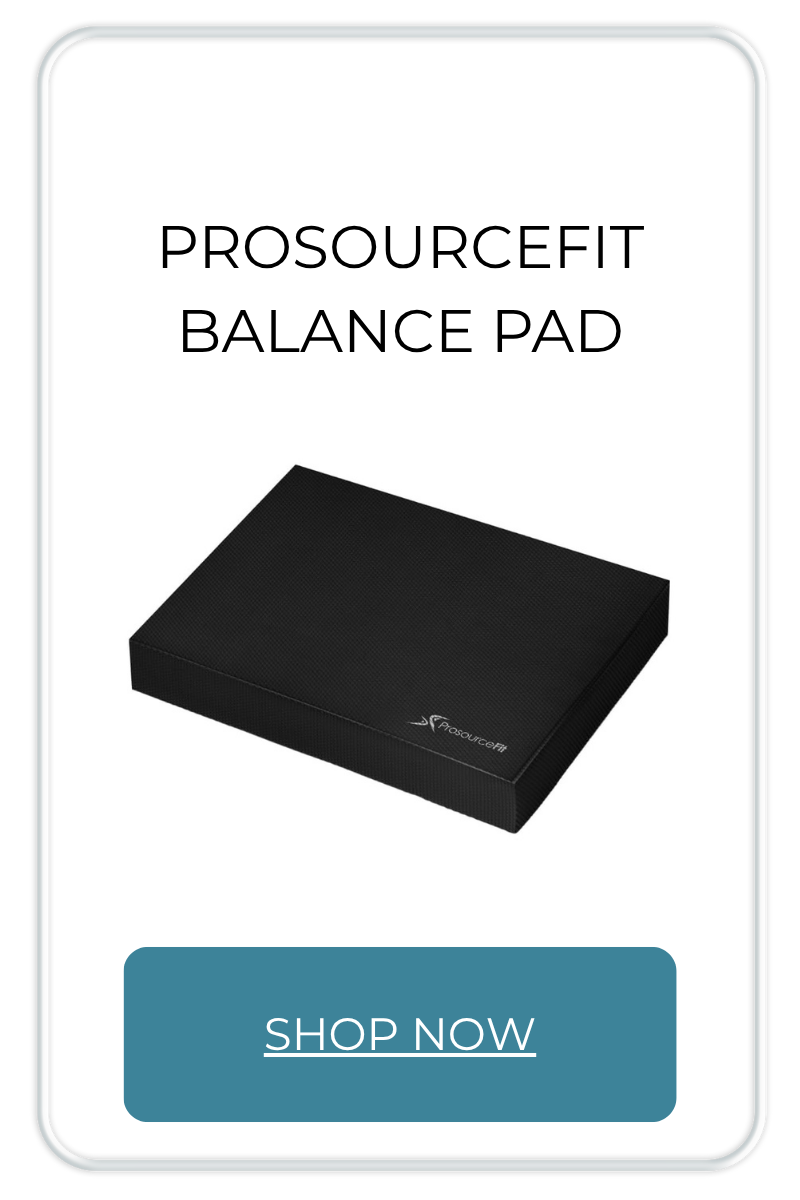
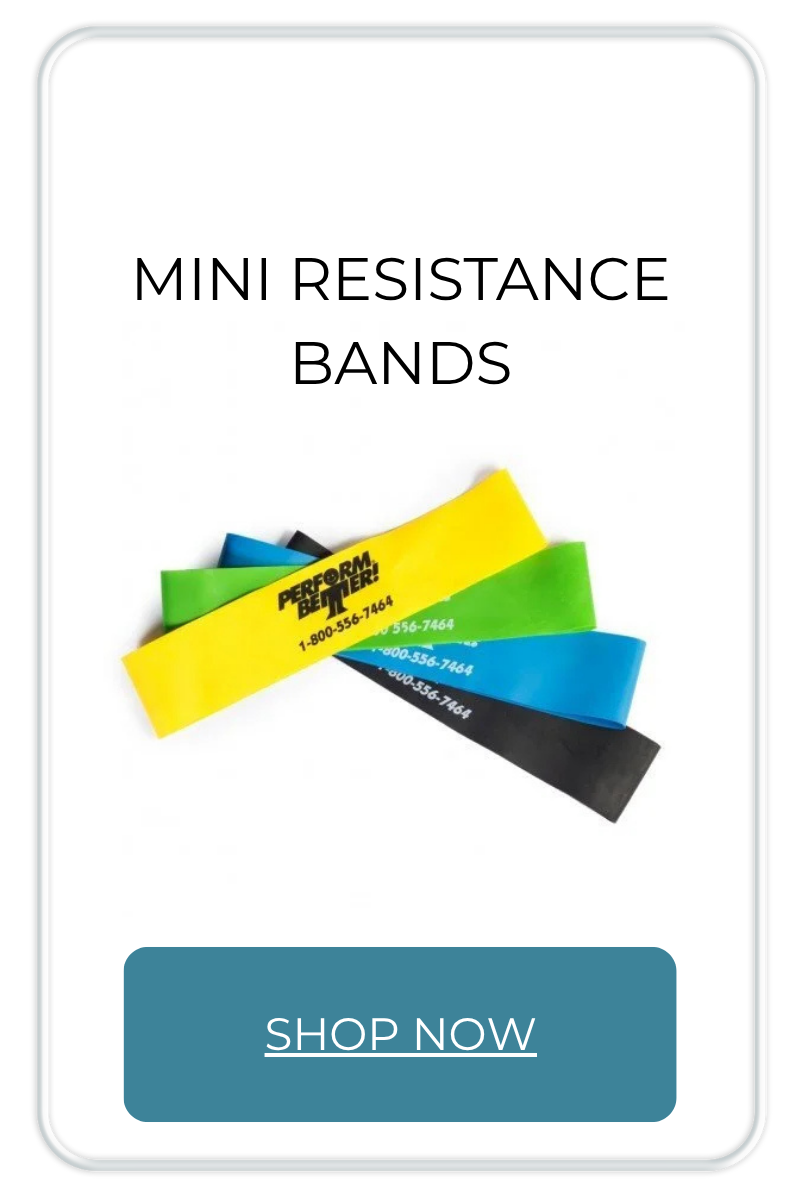
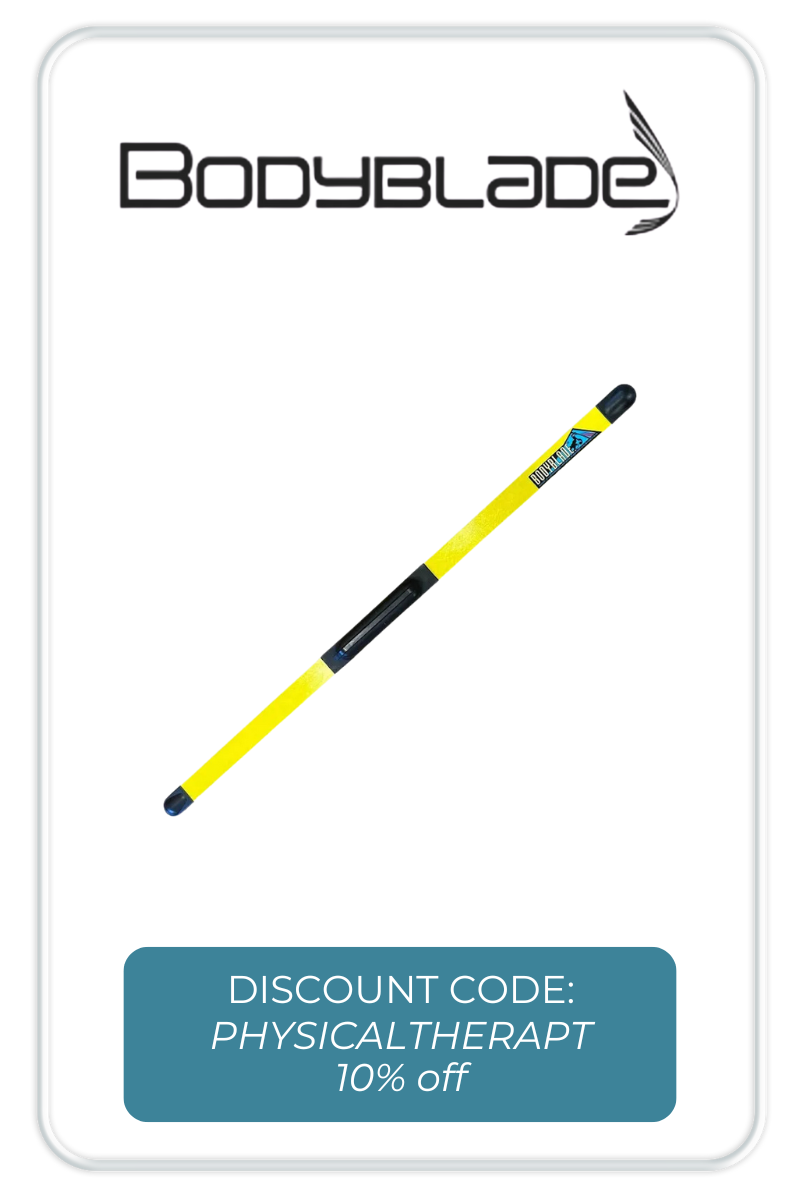

Click the image to shop on Amazon through our affiliate links and access possible discounts!
The Bottom Line
Physical clearance is only half the battle. Psychological readiness should be evaluated and incorporated into return-to-sport decision-making for all injured high school athletes, not just those recovering from ACL injuries.
The good news? High levels of optimism and self-efficacy and lower levels of depression and stress are associated with improved recovery from injury. Athletes who maintain optimism, believe in their ability to recover, and receive strong social support while managing stress and depressive symptoms are more likely to complete rehabilitation successfully, return to sport faster, and achieve better functional outcomes.
The key is recognizing that physical healing and psychological readiness must progress together — and when they do, high school athletes have the best chance of not just returning to their sport, but thriving in it.
References
Team Physician Consensus Statement: Return to Sport/Return to Play and the Team Physician: A Team Physician Consensus Statement-2023 Update. Herring SA, Putukian M, Kibler WB, et al. Medicine and Science in Sports and Exercise. 2024;56(5):767-775. doi:10.1249/MSS.0000000000003371.
Psychological Issues Related to Illness and Injury in Athletes and the Team Physician: A Consensus Statement-2016 Update. Medicine and Science in Sports and Exercise. 2017;49(5):1043-1054. doi:10.1249/MSS.0000000000001247.
Mental Health Issues and Psychological Factors in Athletes: Detection, Management, Effect on Performance, and Prevention: American Medical Society for Sports Medicine Position Statement. Chang CJ, Putukian M, Aerni G, et al. Clinical Journal of Sport Medicine : Official Journal of the Canadian Academy of Sport Medicine. 2020;30(2):e61-e87. doi:10.1097/JSM.0000000000000817.