
Physical TheraPT

Sports Performance

The Rehab Hack Pro Athletes Swear By

“You need to rest after an injury.”  While in general this advice is true, what if there was a way to rebuild or at the very least maintain your muscle after an injury?  A way to put a healthy amount of stress through your tissues that allows you to return to the field quicker?

You may think this is a cheat code, or “bio-hacking” but in truth it’s simpler than that.  It is the secret that is used in professional athlete training rooms across the globe - Blood Flow Restriction Training (BFR).


What is BFR?

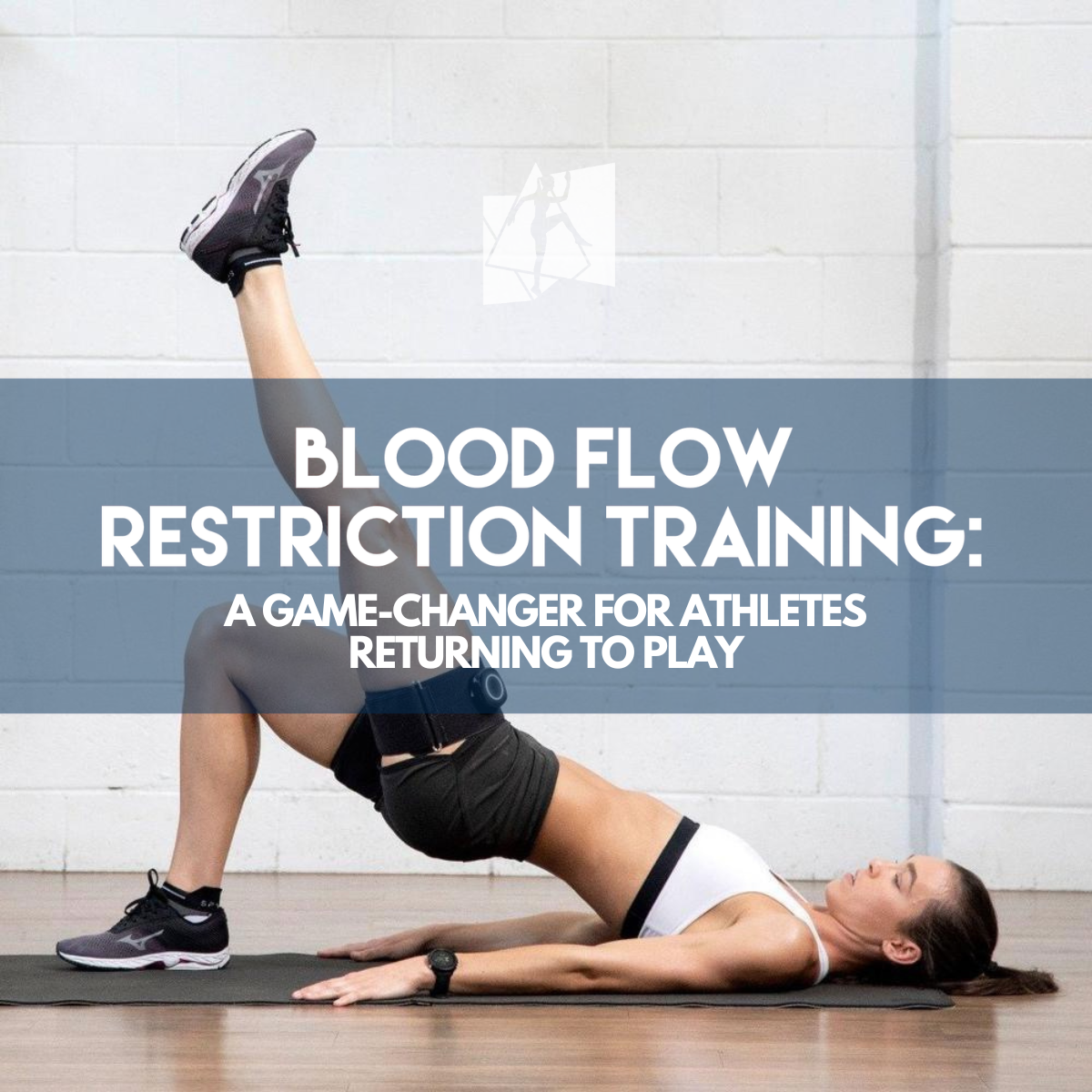
It’s not magic, it’s occlusion.  Specialized cuffs, similar to blood pressure cuffs, are wrapped around the upper portion of your arms or legs and inflated to 40%-90% of your arterial occlusion pressure.  This partially restricts the blow of blood into your limbs as you perform your exercise.  

The restriction of blood tricks your muscles into believing they are working harder; allowing you to benefit more from working at much lower, and safer, loads (20%-30% of 1RM)[2,3].  The metabolic effects from working out with BFR at 30% 1RM have been shown to provide similar results as working out at 70% 1RM.  Thus, making training while recovering safer during early rehab. [4]


The Secret? Metabolic Activity

Muscle growth depends on the nutrients being delivered to build up bigger, faster, and stronger.  BFR creates metabolic stress within the muscle which causes lactate accumulation, cellular swelling, and activation of growth pathways. [3]  

Using BFR also enhances type II, fast twitch, muscle recruitment while also promoting new blood vessel formation to help fuel those muscles. [2,3,5]

It’s tricking your body into thinking it’s working harder than it really is.  


Why do Pro Athletes use this technique?

Sports aren’t just a game to professional athletes, it’s a way of life.  Downtime from an injury affects more than just their playing time and muscle atrophy can delay the return to play. Here are a few advantages of using BFR during rehab: 

  • Preserve muscle mass [6,7]

  • Reduce mechanical stress on healing tissue [4]

  • Accelerate recovery timelines, returning athletes to the field sooner [6]

  • Safe early rehab option when protocols and precautions are followed [8]


PRODUCTS WE LOVE

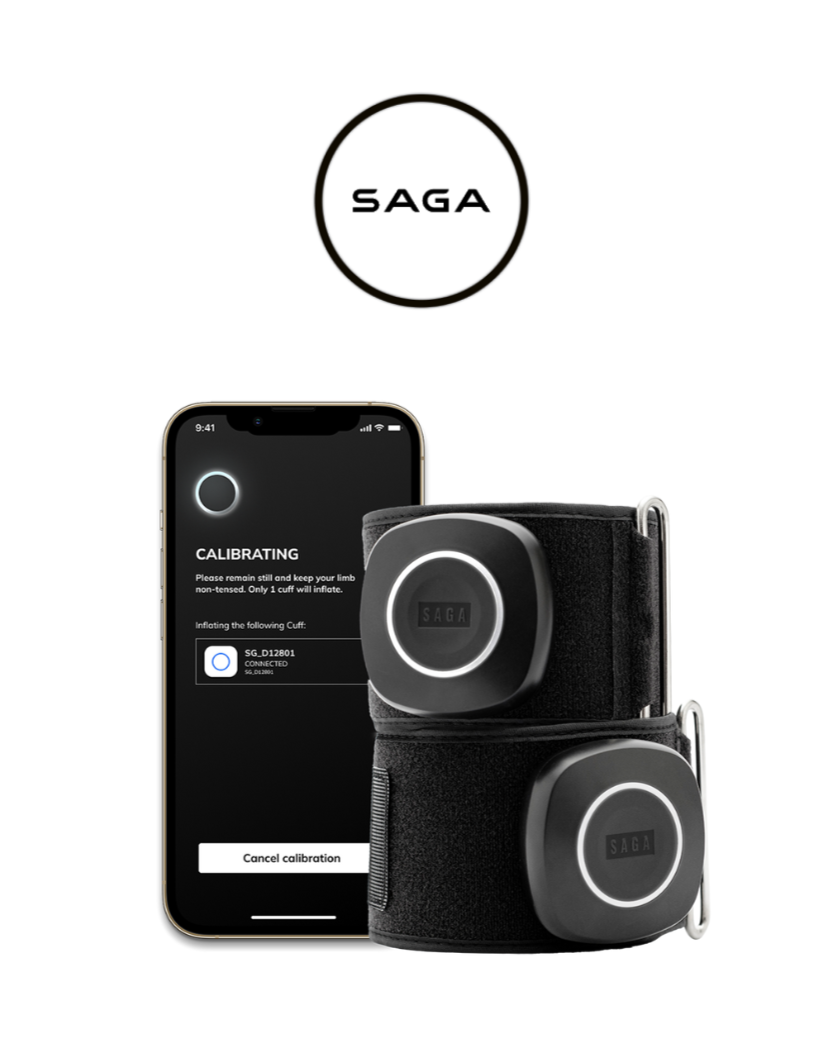
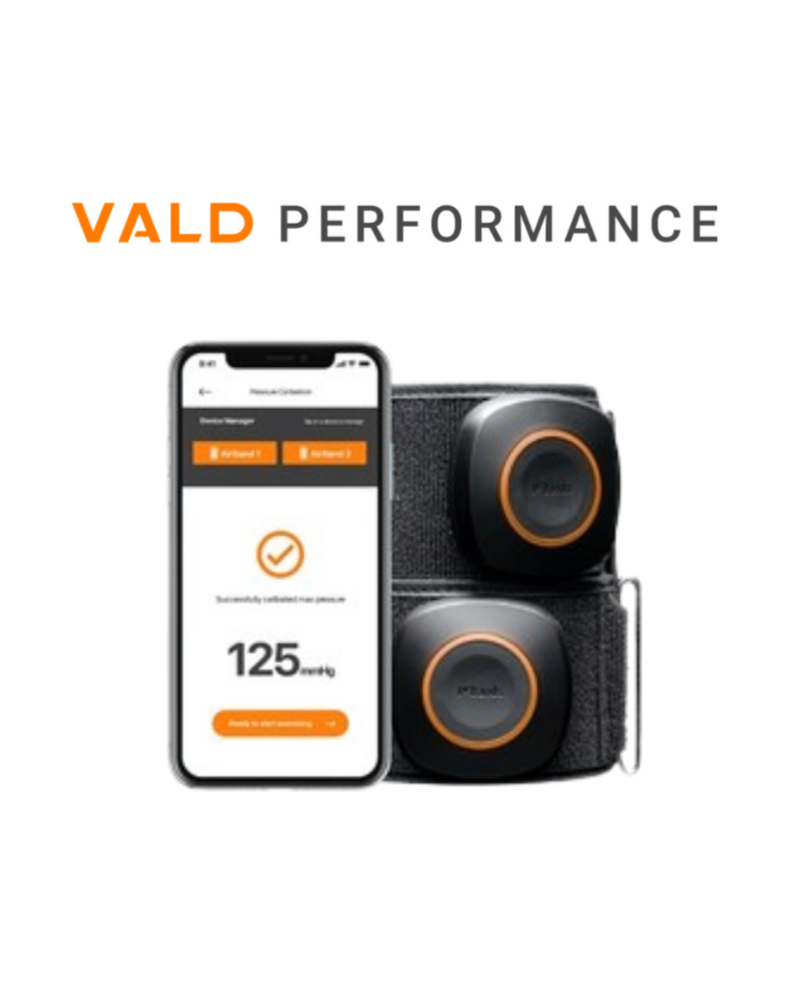
While technique and programming drive effective Blood Flow Restriction Training, the right equipment plays a key supporting role. We consistently use and recommend SAGA and VALD BFR cuffs for their precision, safety, and reliability. When applied appropriately, these systems allow athletes to train at lower loads while still creating the metabolic stimulus needed to preserve muscle and support a safe return to play.


Is it safe?

In general, yes BFR is safe to use when applied properly and under the supervision of a trained professional.  A qualified provider should screen an athlete for any complications that could cause issues.  

Cardiovascular issues like a history of blood clots, severe hypertension, vascular issues, active infections, and cancer are all contraindications.  


What does a training program look like with BFR?

  • Athletes should look to train 2-3 times a week, but more than 3 times a week has shown favorable outcomes. [10]

  • Cuff should be inflated to ≥160 mmHg or 40-90% of arterial occlusion pressure

  • Select a weight that is 20%-30% of 1RM

  • 1-3 exercises are selected to be performed with the cuff inflated

  • An example repetition protocol would be [4]

    • 30 reps

    • Rest 30 seconds

    • 15 reps

    • Rest 30 seconds

    • 15 reps

    • Rest 30 seconds

    • 15 reps


Do I need to be a professional athlete to use BFR?

No! BFR is a valid treatment option for anyone looking to supplement their current workout, or utilize while injured.  Some great options for adding in BFR include[12,3]:

  • Adding BFR work at the end of regular strength sessions for additional volume without excessive fatigue

  • Using BFR during taper periods to maintain muscle mass while reducing mechanical load

  • Incorporating BFR during in-season training when recovery demands are high

Before starting any BFR training it is important to consult with your healthcare provider, proper screening is essential for safe implementation. 


References

  1. Blood Flow Restriction Therapy After Anterior Cruciate Ligament Reconstruction. Johns WL, Vadhera AS, Hammoud S. Arthroscopy : The Journal of Arthroscopic & Related Surgery : Official Publication of the Arthroscopy Association of North America and the International Arthroscopy Association. 2024;40(6):1724-1726. doi:10.1016/j.arthro.2024.03.004.

  2. Blood Flow Restriction Therapy: Where We Are and Where We Are Going. Vopat BG, Vopat LM, Bechtold MM, Hodge KA. The Journal of the American Academy of Orthopaedic Surgeons. 2020;28(12):e493-e500. doi:10.5435/JAAOS-D-19-00347.

  3. Physiological Adaptations and Practical Efficacy of Different Blood Flow Restriction Resistance Training Modes in Athletic Populations. He C, Zhu D, Hu Y. Frontiers in Physiology. 2025;16:1683442. doi:10.3389/fphys.2025.1683442.

  4. Blood Flow Restriction Training. Lorenz DS, Bailey L, Wilk KE, et al. Journal of Athletic Training. 2021;56(9):937-944. doi:10.4085/418-20.

  5. Blood Flow Restriction Training and the High-Performance Athlete: Science to Application. Pignanelli C, Christiansen D, Burr JF. Journal of Applied Physiology (Bethesda, Md. : 1985). 2021;130(4):1163-1170. doi:10.1152/japplphysiol.00982.2020.

  6. Time to Save Time: Beneficial Effects of Blood Flow Restriction Training and the Need to Quantify the Time Potentially Saved by Its Application During Musculoskeletal Rehabilitation. Bielitzki R, Behrendt T, Behrens M, Schega L. Physical Therapy. 2021;101(10):pzab172. doi:10.1093/ptj/pzab172.

  7. Editorial Commentary: Blood Flow Restriction Therapy Continues to Prove Effective. LaPrade RF, Monson JK, Schoenecker J. Arthroscopy : The Journal of Arthroscopic & Related Surgery : Official Publication of the Arthroscopy Association of North America and the International Arthroscopy Association. 2021;37(9):2870-2872. doi:10.1016/j.arthro.2021.04.073.

  8. The Safety of Blood Flow Restriction Training as a Therapeutic Intervention for Patients With Musculoskeletal Disorders: A Systematic Review. Minniti MC, Statkevich AP, Kelly RL, et al. The American Journal of Sports Medicine. 2020;48(7):1773-1785. doi:10.1177/0363546519882652.

  9. Comparison of Blood Flow Restriction Interventions to Standard Rehabilitation After an Anterior Cruciate Ligament Injury: A Systematic Review. Colombo V, Valenčič T, Steiner K, et al. The American Journal of Sports Medicine. 2024;52(14):3641-3650. doi:10.1177/03635465241232002.

  10. Effects of Blood Flow Restriction Training on Physical Fitness Among Athletes: A Systematic Review and Meta-Analysis. Yang K, Chee CS, Abdul Kahar J, et al. Scientific Reports. 2024;14(1):16615. doi:10.1038/s41598-024-67181-9.

  11. Application of Blood Flow Restriction Training in Adolescents: A Narrative Review. Chen ZL, Zhao TS, Ren SF, et al. Medicine. 2025;104(29):e43084. doi:10.1097/MD.0000000000043084.

  12. Where Does Blood Flow Restriction Fit in the Toolbox of Athletic Development? A Narrative Review of the Proposed Mechanisms and Potential Applications. Davids CJ, Roberts LA, Bjørnsen T, et al. Sports Medicine (Auckland, N.Z.). 2023;53(11):2077-2093. doi:10.1007/s40279-023-01900-6.

  13. A Useful Blood Flow Restriction Training Risk Stratification for Exercise and Rehabilitation. Nascimento DDC, Rolnick N, Neto IVS, Severin R, Beal FLR. Frontiers in Physiology. 2022;13:808622. doi:10.3389/fphys.2022.808622.

When Is an Athlete Actually Ready?

Ever watch an athlete pass every physical test with flying colors but still hesitate when it's time to compete? Or see someone who's technically cleared but just doesn't look like themselves on the field? That's the psychological side of injury recovery — and it's just as important as the physical side.

Here's what many don't realize: an athlete who returns to sport when not psychologically ready may be at increased risk for mental health crisis, physical injury, or both. Let's break down the mental obstacles high school athletes face after ACL injuries, shoulder dislocations, and ankle sprains — and what actually helps them overcome these barriers.


The Mind-Body Connection: Why Psychology Matters

Psychological readiness is the critical missing piece in return-to-sport decisions. After ACL reconstruction, mental health scores directly correlate with successful return to sport. In fact, a recent analysis found that psychological readiness was the most effective predictor of return-to-sport success, with an effect size of 1.55 — outperforming physical tests like hop tests and limb symmetry indices.

The numbers tell a sobering story. Despite technical surgical successes and well-designed rehabilitation programs, many athletes never reach their preinjury athletic performance level, and some never return to their primary sport at all. This gap between physical capability and actual return suggests that factors beyond muscle strength and joint stability are at play.


The Psychological Obstacles: What Athletes Actually Face

Fear is the biggest mental barrier — specifically, fear of reinjury and fear of movement (kinesiophobia). Research on teens and young adults after ACL reconstruction found that each one-point increase in kinesiophobia was associated with a 28% higher likelihood of reporting unacceptable psychological readiness. Greater psychological readiness was strongly associated with lower kinesiophobia in both teens and adults.

The emotional landscape of injury recovery includes several warning signs that indicate poor adjustment:

  • Unreasonable fear of reinjury

  • Loss of athletic identity

  • Continued denial of injury severity

  • General impatience and irritability

  • Rapid mood swings

  • Withdrawal from teammates and support networks

  • Extreme guilt about letting the team down

  • Dwelling on minor physical complaints

  • Obsession with the question of when they can return

Nearly half of young athletes score below acceptable thresholds for psychological readiness after ACL reconstruction, highlighting just how common these struggles are.


What Psychological Readiness Actually Looks Like

An athlete who is psychologically ready to play has three key characteristics: realistic expectations of performance, high self-efficacy, and low anxiety. But here's an interesting finding: perceived physical competence matters more than actual physical competence when it comes to psychological readiness.

In a study of young athletes after ACL reconstruction, meeting criteria for perceived physical competence was associated with higher psychological readiness to return to sport, while meeting actual physical competence criteria showed no association with psychological response. This suggests that how athletes feel about their abilities may be more important than objective measurements alone.

For adolescent athletes specifically, the emotional response appears more influential than confidence in performance or risk appraisal. ACL-RSI scores increased significantly between 6 and 12 months post-surgery (from 55 to 71), and the emotions factor had better predictive ability for return to play than the confidence and risk appraisal factors.


Evidence-Based Assessment Tools

Several validated screening tools can help identify athletes who need psychological support:

Injury-specific tools:

  • ACL-Return to Sport after Injury scale (ACL-RSI): The gold standard for assessing psychological readiness after ACL reconstruction, with a cutoff score of 77 distinguishing acceptable from unacceptable readiness

  • Injury-Psychological Readiness to Return to Sport questionnaire (I-PRRS): Psychometric test specifically designed to assess psychological readiness of injured athletes

  • Tampa Scale of Kinesiophobia (TSK-11): Measures pain-related fear of movement

  • Reinjury Anxiety Inventory (RIAI): Specifically measures reinjury anxiety

General mental health screening:

  • Patient Health Questionnaire-9 (PHQ-9): Assesses presence of depression

  • Generalized Anxiety Disorder-7 (GAD-7): Assesses anxiety symptoms

  • Athlete Sleep Screening Questionnaire (ASSQ): Evaluates sleep disturbance

  • Sport Mental Health Assessment Tool 1 (SMHAT-1): Developed by the International Olympic Committee for comprehensive mental health assessment in athletes

Serial assessments using these tools offer a continuing profile of the athlete's psychological progression throughout recovery.


What Actually Helps: Evidence-Based Interventions

Three psychological elements are most important for positive rehabilitation and return to preinjury level of play: autonomy, competence, and relatedness (from self-determination theory).

Specific strategies that support positive return to sport experiences include:

  1. Reducing reinjury anxieties using modeling techniques — connecting athletes with others who have successfully recovered from similar injuries

  2. Building confidence through functional testing and goal setting — establishing both short- and long-term recovery goals

  3. Providing social support — keeping athletes involved with their team, teammates, and friends throughout recovery

  4. Reducing stressors related to premature return — ensuring athletes understand realistic timelines and expectations

  5. Fostering athlete autonomy — involving athletes in decision-making about their recovery

  6. Teaching specific stress coping skills:

    • Positive self-talk and cognitive restructuring

    • Relaxation techniques (meditation, deep breathing, progressive muscle relaxation)

    • Imagery and visualization

    • Goal setting

Research shows that psychological strategies like goal setting, positive self-statements, cognitive restructuring, and imagery/visualization are associated with faster recovery.


Building Trust and Addressing Misinformation

The foundation of psychological support starts with the healthcare team. Critical factors include:

  • Building trust and rapport — listening not only to make a medical diagnosis but also to assess and monitor emotional state

  • Educating the athlete about the injury — providing clear explanations in terms they can understand, with opportunities to ask questions

  • Identifying misinformation — athletes may obtain inaccurate information from parents, coaches, teammates, or the internet that contributes to confusion and emotional upheaval

  • Preparing parents, coaches, and other stakeholders — with the athlete's permission, educating support networks that injury management is individualized

  • Assessing the social support network — understanding who the athlete can rely on and their perception of that support


When to Refer to Mental Health Professionals

Athletes with problematic emotional reactions should be referred to licensed mental health professionals, preferably those with experience working with athletes. Early intervention and referral to the mental health network is important.

The American College of Sports Medicine recommends integrating sports psychologists and other mental health professionals into the athletic care network and coordinating referrals for mental health services as needed.


The Unique Challenges for High School Athletes

Adolescent athletes face specific psychological challenges. Adults were twice as likely as teens to report unacceptable psychological readiness after ACL reconstruction, suggesting that younger athletes may have different psychological responses or support needs.

Additionally, athletes with moderate preinjury adversity experienced less negative psychological responses compared to those with low or high preinjury adversity, suggesting that some prior experience with challenges may build resilience.


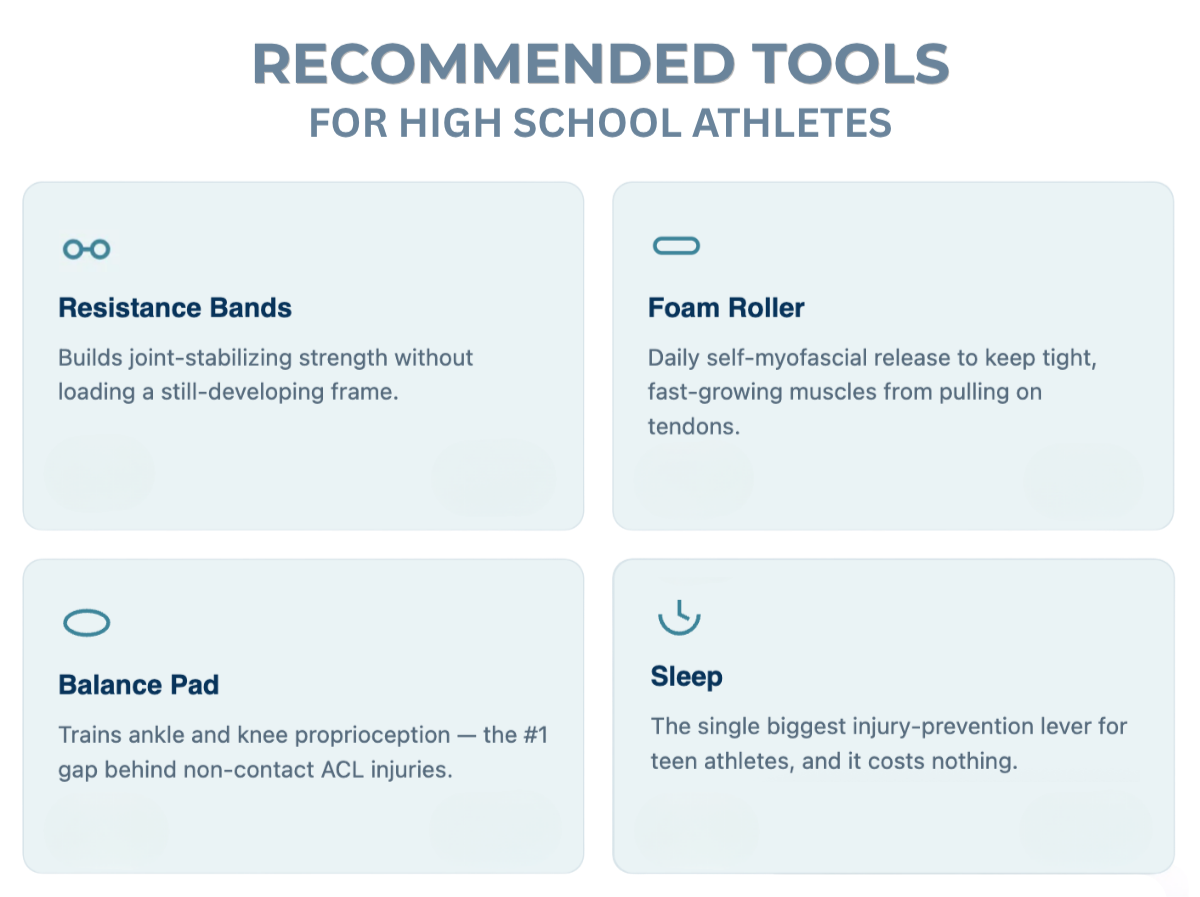
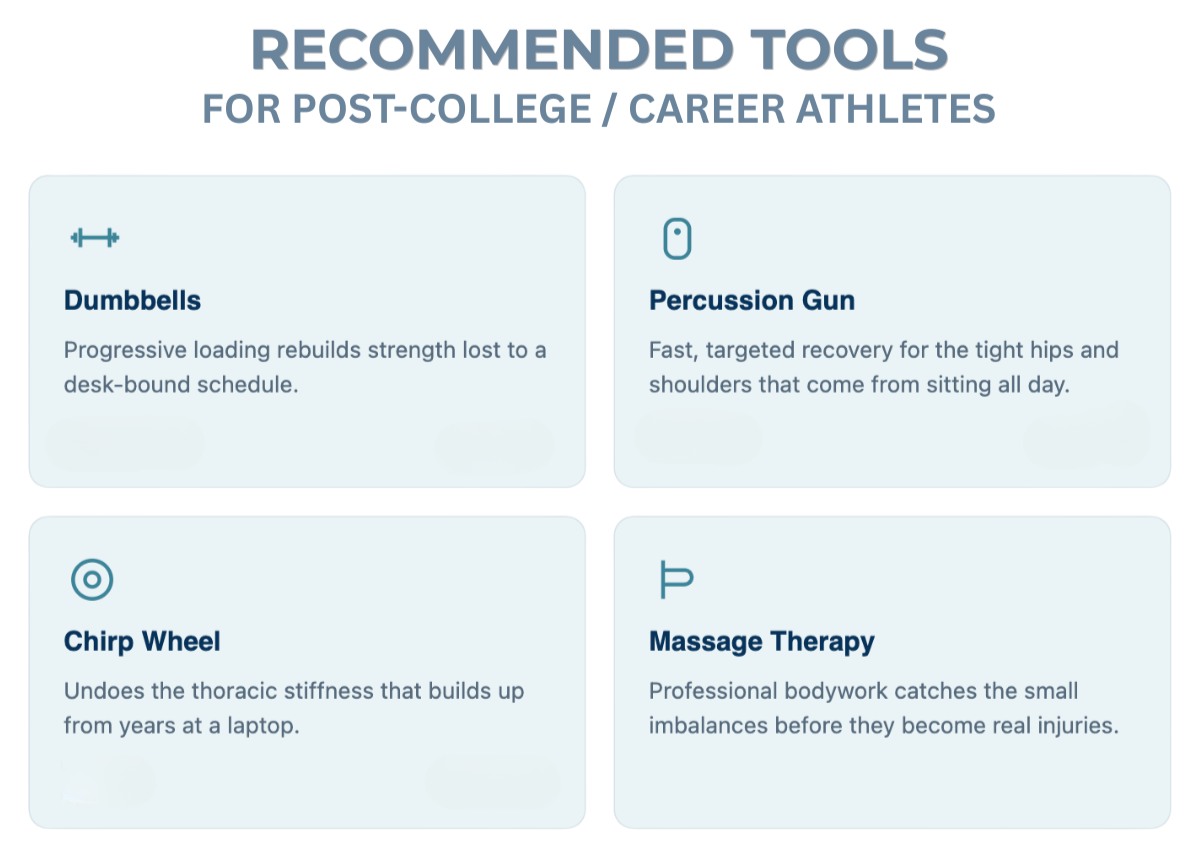
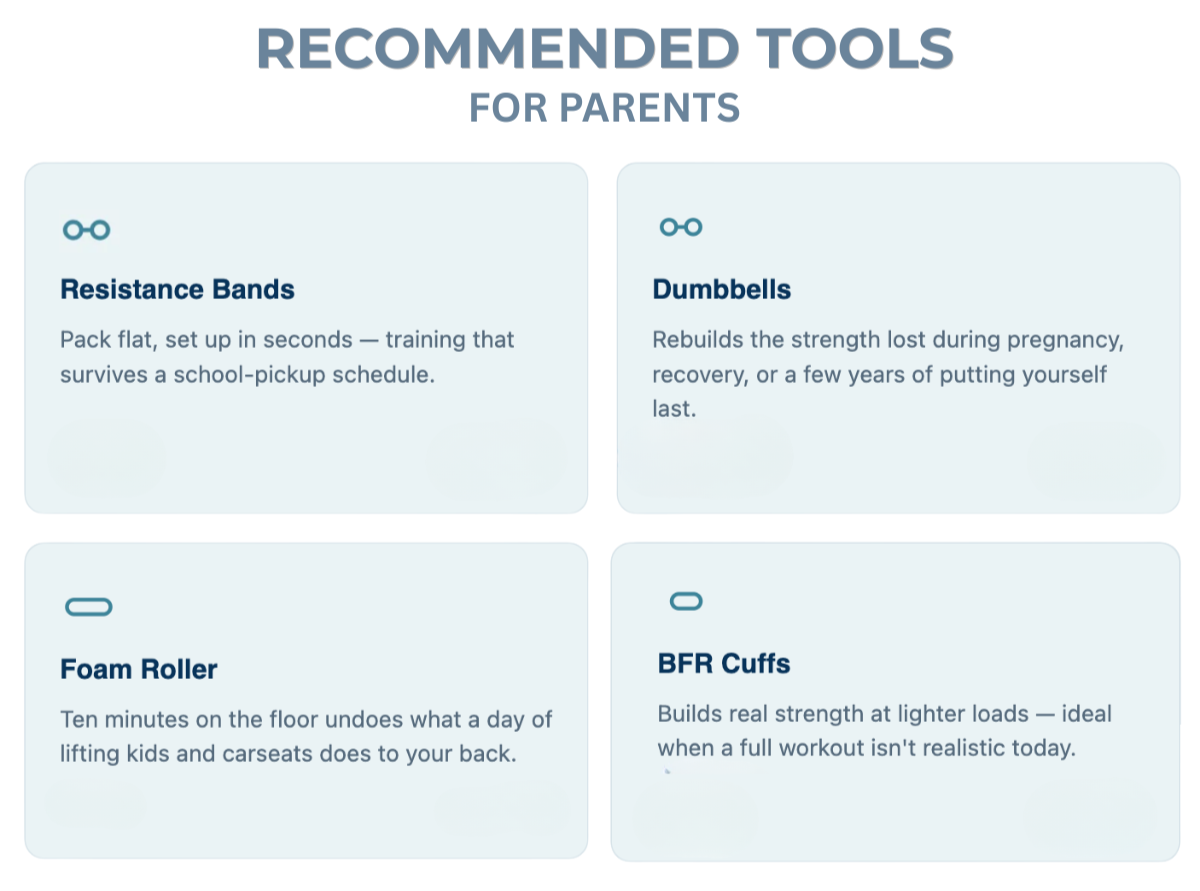
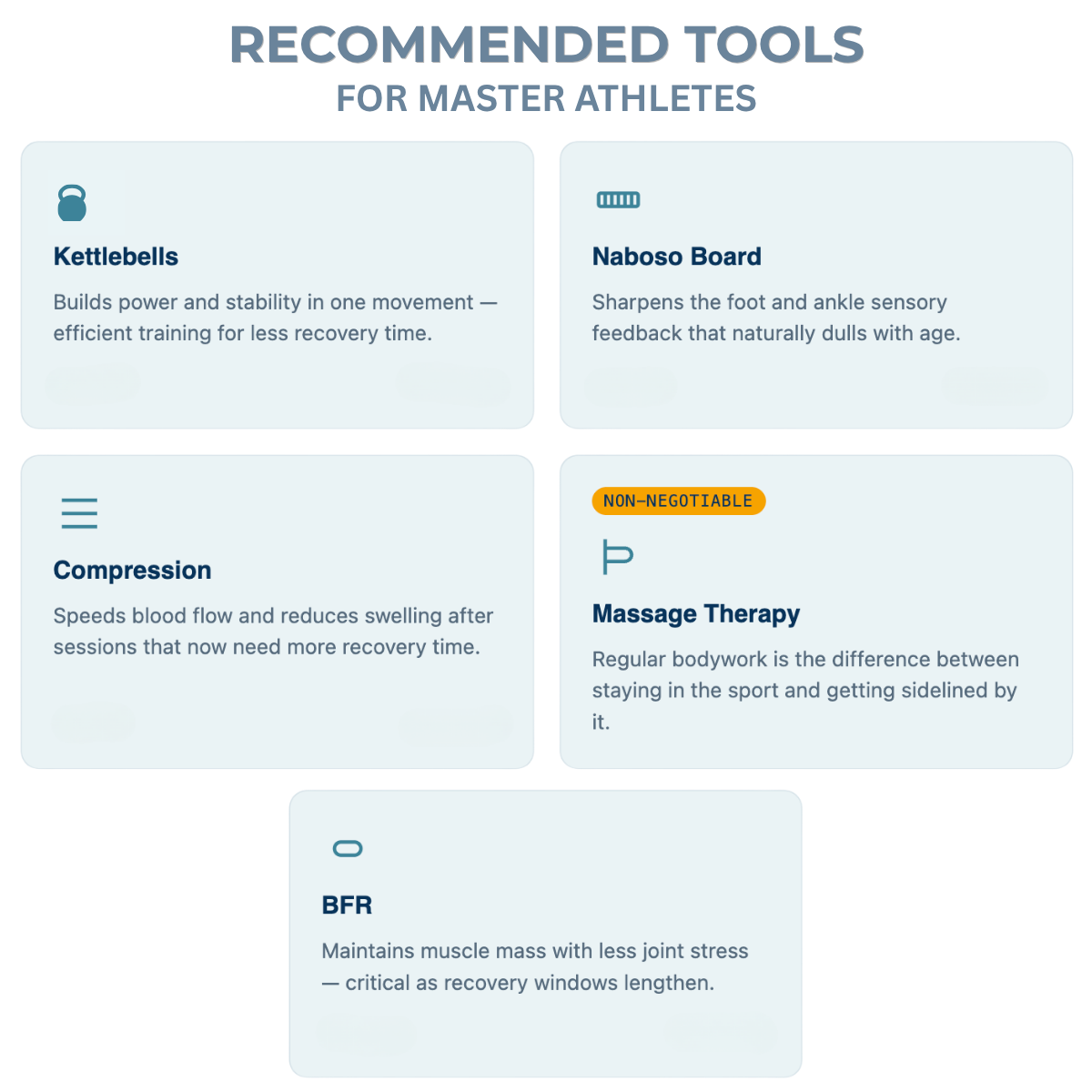
TOOLS FOR BUILDING CONFIDENCE

Resistance bands, balance pads and boards, and BFR cuffs are a few of the essential tools in rehabilitation. Resistance bands safely build strength, balance pads enhance coordination and stability, and BFR cuffs accelerate recovery through low-load training.

Below are our top 5 recommended products to use as a recovering athlete.


Click the image to shop on Amazon through our affiliate links and access possible discounts!


The Bottom Line

Physical clearance is only half the battle. Psychological readiness should be evaluated and incorporated into return-to-sport decision-making for all injured high school athletes, not just those recovering from ACL injuries.

The good news? High levels of optimism and self-efficacy and lower levels of depression and stress are associated with improved recovery from injury. Athletes who maintain optimism, believe in their ability to recover, and receive strong social support while managing stress and depressive symptoms are more likely to complete rehabilitation successfully, return to sport faster, and achieve better functional outcomes.

The key is recognizing that physical healing and psychological readiness must progress together — and when they do, high school athletes have the best chance of not just returning to their sport, but thriving in it.


References

Understanding the Role of Myofascial Decompression in Sports Rehab

Cupping massage, an ancient practice rooted in traditional Chinese medicine, has grown in popularity for its potential health benefits. In this therapy, suction cups are applied to the skin to create a vacuum, which pulls skin and underlying tissue upward. In western medicine, this technique is more commonly referred to as myofascial decompression. In both systems, similar tools are used- cups can be made of glass, plastic, or silicone and can be applied to the skin in a variety of strategies. The technique is often used to promote blood flow, relieve pain, and support recovery from muscle tension or injury.

If you haven’t experienced this technique first-hand, you may be wondering: what are the distinctive marks left by cupping, what does science reveal about one of its most frequently touted benefits, and is this right for me? Let’s dive into the details!


Myth #1: Cupping Marks aren’t Bruises

The short answer: Yes, actually they are.

Many sources try to claim that cupping marks are not bruises. Most notably, they will cite that bruises are defined as both painful and a result of blunt force—two characteristics that are notably lacking in cupping application. But these flat-out denials seem to conflate the definitions of bruise and contusion.

For starters, bruise is mostly synonymous with a medical term: ecchymosis. Ecchymosis can be defined simply as bleeding under the skin due to broken capillaries. Whether these tiny blood vessels leak due to blunt force or suction is irrelevant, as the end result is the same. On the other hand, contusion is most commonly defined as ecchymosis due to blunt force, usually accompanied by pain and damage to underlying tissue.

As the purplish mark left behind by cupping therapy is a result of broken capillaries, this mark is technically a bruise. However, since the mode of achieving this bruise is suction instead of blunt force trauma, a cupping mark is not a contusion.


Myth #2: Creating damage actually helps healing

While the idea of intentionally breaking capillaries might sound counterintuitive, it can have a therapeutic effect. Cupping increases blood flow to the area, triggering the body’s inflammatory response—a natural healing mechanism.

Studies suggest that cupping may stimulate the release of cytokines and other inflammatory mediators, which help repair tissues and reduce pain (Kim et al., 2018). Moreover, the pooling of blood and interstitial fluid under the skin can encourage lymphatic drainage and reduce swelling, further promoting recovery (Al-Bedah et al., 2019).


Myth #3: Cupping releases Toxins

One of the most debated claims about cupping is whether it helps the body detoxify. To better understand the evidence, it’s important to first distinguish between wet and dry cupping. Wet cupping, an ancient form of bloodletting, involves making small incisions on the skin to draw out blood. This practice is NOT common in the United States and is not part of treatment offered at Physical TheraPT. In contrast, the more widely practiced dry cupping involves applying suction cups to unbroken skin.

Some studies suggest that wet cupping may help lower levels of uric acid and cholesterol in the body (Sutriyono et al., 2014). Current research has not shown a significant connection between dry cupping and toxin removal. The enduring association between cupping and detoxification may be attributed to the specific effects of wet cupping rather than the dry cupping methods commonly used today.


The Takeaway

Despite the lack of evidence for the detoxifying effects of dry cupping, other benefits of this modality tend to be a larger focus in physical therapy. The lifting of the skin due to suction draws blood into the area, bringing oxygen and nutrients to tissues. The mechanical stretching and lifting of the skin can help to release fascia, also known as myofascial decompression, helping to release tension surrounding muscles. And, while cupping does cause microscopic injury, targeted application of it can help us bring your body’s attention to the areas that need extra care by jump-starting the inflammatory process.

If you’re considering cupping, talk to your practitioner to see how it can fit into your recovery or wellness plan.


To learn more, check out these resources:

Al-Bedah, A. M., Elsubai, I. S., Qureshi, N. A., et al. (2019). The medical perspective of cupping therapy: Effects and mechanisms of action. Journal of Traditional and Complementary Medicine, 9(2), 90–97.

Kim, J., Lee, H., & Lee, M. (2018). Effects of cupping therapy on chronic back pain: A systematic review and meta-analysis. Complementary Therapies in Medicine, 41, 129–137.

Sutriyono, S., Robbina, M. R., & Ndii, M. Z. (2019). The effects of wet cupping therapy on blood pressure, glucose, uric acid, and total cholesterol levels. Biology, Medicine, & Natural Product Chemistry, 8(2), 33–36.

The Benefits of Kinesiology Taping

Kinesiology taping, sometimes called “KT” or “taping”, has emerged as a popular technique in sports medicine and rehabilitation, gaining recognition for its ability to support injury recovery and decrease pain. While the concept of elastic taping is not new, its application has evolved significantly. Let’s dive  into what therapeutic elastic taping is, how it works, and its benefits.

What is Kinesiology taping?

Kinesiology taping uses a flexible, stretchy tape designed to mimic the elasticity of skin. The tape is applied to the skin in various patterns and tensions, depending on the condition being treated. Unlike traditional athletic tape, which is often intentionally rigid and restrictive, kinesiology tape allows for a full range of motion, thereby supporting and stabilizing muscles and joints without restricting movement.

How Does It Work?

The primary theories behind the effectiveness of kinesiology taping involve its impact on the skin and underlying tissues. When applied correctly, the tape can lift the skin slightly, creating more space between the skin and the underlying tissues. This lifting effect is thought to improve lymphatic drainage, reduce pressure on pain receptors, and facilitate the body’s natural healing processes.

Additionally, kinesiology taping has been observed to provide proprioceptive feedback, which can help the body to correct movement patterns and improve posture. Applying portions of the tape with increased tension in specific patterns can gently influence the way a person stands or moves. This feedback may help athletes and individuals with musculoskeletal injuries to perform better and recover more effectively.

Benefits of Kinesiology taping

  1. Pain Relief: One of the most commonly reported benefits of kinesiology taping is pain relief. The lifting effect of the tape can help to alleviate pressure on pain receptors and reduce discomfort associated with various injuries and conditions.

  2. Improved Function: Kinesiology taping can enhance functional performance by supporting weak or injured muscles and joints. This support helps in maintaining proper alignment and reducing strain during physical activities.

  3. Enhanced Circulation: The tape’s effect on skin and underlying tissues is thought to improve blood flow and lymphatic drainage. This can contribute to reduced swelling and quicker recovery times.

  4. Injury Prevention: By stabilizing muscles and joints, kinesiology taping may help to prevent injuries during physical activities. It can also support rehabilitation by ensuring that muscles are properly engaged and protected.

Evidence and Efficacy

The scientific evidence supporting kinesiology taping is mixed. Some studies suggest that kinesiology taping can be beneficial for specific conditions such as musculoskeletal pain, joint instability, and post-surgical recovery. For instance, research published in the Orthopaedic Journal at Harvard Medical School (Bhashyam, et al 2018) found that kinesiology taping could reduce pain and improve function in individuals with shoulder impingement when used in conjunction with physical therapy. Another study in the Journal of Sports Rehabilitation (Kirmizigil, et al 2019)  indicated that it might aid in decreasing muscle soreness and improve post-exercise performance.

However, other studies question the clinical significance of these benefits. A review in the American Journal of Physical Medicine & Rehabilitation (Ye, et al 2020) concluded that while kinesiology taping might have some short-term benefits, its effectiveness compared to other treatment methods is still uncertain.

Application Techniques

Proper application of kinesiology tape is crucial for its effectiveness. The tape can be applied in various ways depending on the desired outcome. For instance, a "fan" technique might be used to address swelling, while a "strip" technique can target muscle support. It is advisable to seek guidance from a trained healthcare professional to ensure correct application and maximize benefits.


Kinesiology taping is a versatile tool in the field of rehabilitation and sports medicine, offering potential benefits for pain relief, functional improvement, and injury prevention. While the evidence supporting its efficacy is still evolving, many individuals report positive outcomes. Additionally, kinesiology tape is an inexpensive and low-risk modality. Exploring therapeutic elastic taping could be a valuable step in your injury recovery journey and may provide the support and relief you’re looking for in your journey towards becoming a more robust, durable athlete. 

Interested? All three of our clinicians are certified by Rocktape! Talk to your provider during your next appointment to see how kinesiology tape could supplement your recovery, or reach out to schedule a taping appointment.

The Value of Sports Massage for Athletes of Every Level

Sports massage is a specialized therapy designed to cater to athletes and active individuals. It offers a range of benefits from enhancing performance to improving overall well-being. Here are five reasons why you should consider incorporating sports massage into your routine:

1. Increased Flexibility and Freedom of Movement

Flexibility is key to optimal performance in many sports. Techniques used in sports massage work to stretch and lengthen the muscles, break down adhesions, and improve elasticity. In addition to an increasing flexibility, these techniques also free up restrictions within normal range of motion. These benefits can help your muscles and joints function optimally, giving you a competitive edge.

2. Accelerated Recovery and Reduced Muscle Soreness

One of the primary benefits of sports massage is its ability to speed up the recovery process. After intense physical activity, muscles often experience micro-tears, leading to soreness and stiffness. Sports massage promotes the flow of oxygen and nutrients to the affected areas, facilitating faster repair and reducing delayed onset muscle soreness (DOMS). By helping your muscles recover more quickly, sports massage allows you to return to your training regimen sooner and with less discomfort. This accelerated recovery is essential for athletes who need to maintain a rigorous training schedule without prolonged downtime.

3. Relief from Chronic Pain

The very nature of sport is to perform the same actions over and over and, as such, many athletes suffer from chronic pain due to repetitive use injuries. Focusing on the root causes of pain and addressing muscle tightness, trigger points, and adhesions, sports massage helps to reduce chronic pain from these injuries. This reduction in pain combined with an increase in circulation from the massage itself encourages healing, leading to increased performance.

4. Injury Prevention

Preventing injuries is crucial for anyone engaged in regular physical activity. Sports massage helps to maintain optimal muscle function by addressing muscle imbalances and tightness. These issues can lead to strain or overuse injuries if left unaddressed. Sports massage also enhances proprioception, or body awareness, which can improve coordination and balance. Regular sports massage sessions ensure that your muscles remain flexible and responsive, reducing the risk of strains, sprains, and other common sports injuries.

5. Improved Mental Focus and Relaxation

Physical performance is closely linked to mental well-being. The relaxing and stress-relieving effects of sports massage can help to calm your mind, improve your focus, and boost your overall mood. This mental clarity and relaxation can help you concentrate, translating into better performance and a more enjoyable training experience. Improved mental focus means you can strategize and perform with greater efficiency, making sports massage a valuable tool for both physical and mental improvement.

Incorporating sports massage into your routine offers a wide range of benefits that can elevate your athletic performance, promote recovery from and prevention of injuries, and bolster your mental well-being. The techniques used in sports massage are designed to target the specific needs of athletes and active individuals, ensuring maximum benefit from each session.

Whether you’re a seasoned athlete or someone who enjoys regular physical activity, sports massage is a valuable addition to your wellness routine. Experience the transformative effects of sports massage by scheduling a session with our experienced massage therapist.


As Physical TherapPT’s in-house massage therapist, Jamison helps to expertly deliver comprehensive care to our patients and athletes. His area of expertise includes: range of motion assessment, postural analysis, trigger point treatment, and manual therapy for injury prevention.

Jamison is currently accepting new clients.


To learn more, check out these articles:

American Massage Therapy Association. (2011) Position Statement on Massage Therapy for Those Who Exercise. Retrieved from https://www.amtamassage.org/about/position-statements/massage-therapy-for-those-who-exercise/

Kargarfard, M., Lam, E. T. C., Shariat, A., Shaw, I., Shaw, B. S., & Tamrin, S. B. M. (2015). Efficacy of massage on muscle soreness, perceived recovery, physiological restoration and physical performance in male bodybuilders. Journal of Sports Sciences, 34(10), 959–965. https://doi.org/10.1080/02640414.2015.1081264

Lee, J., Crosman, B.S. Chateauvert, S.R., Hateauvert, J.W. (1984). The Effects of Massage to the Hamstring Muscle Group on Range of Motion. Journal of Orthopaedic & Sports Physical Therapy, 6(3) 163-208. https://www.jospt.org/doi/epdf/10.2519/jospt.1984.6.3.168

Aeini, Maryam. (2022). Effect of Massage on Fatigue and Mood in Female Rowers. Humanistic Approach to Sport and Exercise Studies (HASES). 2. 10.52547/hases.2.2.7.