Physical TheraPT

The Recovery Mindset

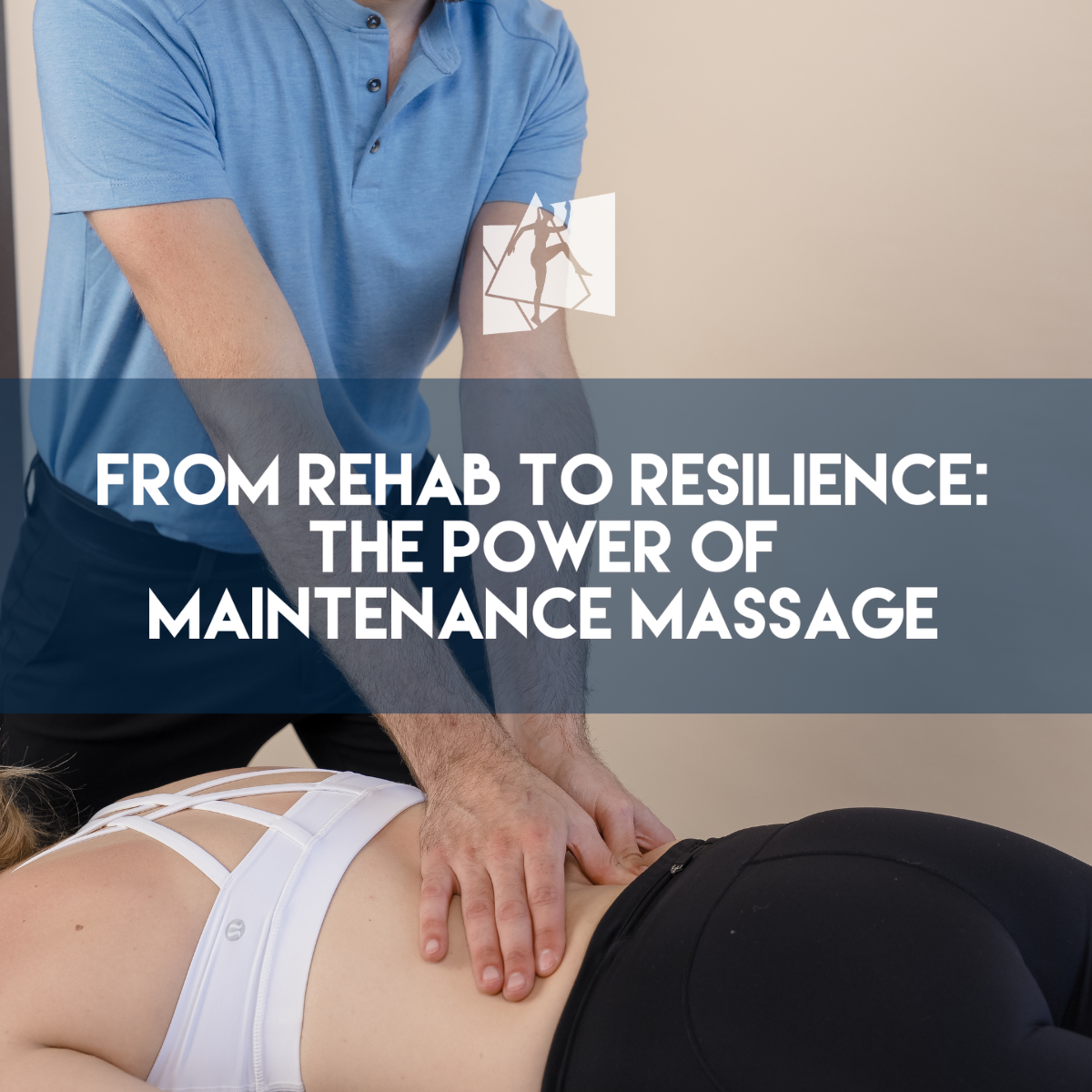
From Rehab to Resilience: The Power of Maintenance Massage

If you’ve ever received massage therapy as part of your physical therapy care, you’ve likely experienced the benefits of recovery massage—decreased soreness, improved mobility, and faster healing. But what happens when you’re out of the acute phase? That’s where maintenance massage comes in—and it’s often the missing piece in staying injury-free and performing at your best.

While recovery massage gets much of the spotlight in the rehab process, maintenance massage is what keeps your system tuned and functioning well long after the initial problem has resolved. Let’s explore the distinct purposes of recovery and maintenance massage, why each matters, and why transitioning from one to the other should be part of your long-term plan.


Recovery Massage: A Tool for Healing

Recovery massage is typically prescribed during or immediately after an injury or intense physical stress. It targets soft tissues that are healing or under high demand. The goals are straightforward: reduce pain, manage inflammation, improve circulation, restore function, and help tissue recover from overload.

Studies consistently show that massage therapy can play a meaningful role in post-injury and post-exercise recovery. A meta-analysis published in Frontiers in Physiology found that massage significantly reduces delayed-onset muscle soreness (DOMS) and improves muscle performance markers such as strength and range of motion after strenuous exercise (Davis et al., 2020). Similarly, massage has been found to be effective in reducing perceived fatigue and supporting muscle recovery without impairing strength or power output (Poppendieck et al., 2016).

Massage also appears to positively impact inflammatory and healing pathways. A cellular-level study by Crane et al. (2012) found that massage downregulated genes associated with inflammation and promoted mitochondrial biogenesis in muscle tissue following exercise. This means massage doesn’t just feel good—it may help tissues repair more efficiently.

In rehab settings, recovery massage often occurs multiple times per week, especially in the early stages of healing. Sessions are more targeted, focusing on restoring mobility and reducing compensation patterns. Once pain and mobility have improved, the frequency of sessions typically decreases, paving the way for a maintenance plan.


Maintenance Massage: Investing in Resilience

In contrast to recovery massage, maintenance massage isn’t about fixing something that’s broken—it’s about keeping systems running smoothly. After you successfully recover from injury, transitioning into maintenance massage is a key strategy to prevent recurrence and improve long-term performance and body awareness.

Maintenance massage supports:

  • Circulation and metabolic exchange in muscles and fascia

  • Muscle tone balance in frequently used or overused areas

  • Joint mobility and tissue pliability

  • Stress reduction and parasympathetic nervous system activation

Although fewer studies focus exclusively on maintenance massage, the benefits are supported by broader research into regular manual therapy. For example, research published in International Journal of Therapeutic Massage & Bodywork found that regular massage over four weeks led to statistically significant decreases in reported musculoskeletal discomfort in healthy adults (Sherman et al., 2014).

Importantly, maintenance massage isn't “less important” just because it's not addressing an acute injury. For athletes or active individuals, maintenance massage becomes part of an ongoing performance strategy—much like strength training or mobility work.

Frequency can vary: for highly active individuals, once every 2–4 weeks is common. The techniques used are often broader and less intense than during the recovery phase, with a focus on tissue health and function rather than symptom relief.


The Transition: From Recovery to Maintenance

One of the most important shifts in the rehabilitation process is knowing when and how to transition from recovery massage to maintenance. That shift usually happens once:

  • Pain has decreased

  • Normal movement patterns have returned

  • The tissue is no longer in an acute inflammatory state

  • Function has improved with activity or return to sport

At this stage, the goal is no longer just healing—it’s sustainability.

Yet many patients disengage from bodywork once the acute phase ends. They “graduate” from PT and stop getting massage until the next injury arises. This stop-start cycle can lead to setbacks or recurrent issues that were preventable with consistent maintenance work.

Massage therapists working in sports and rehab settings understand this arc and can guide the timing and frequency of maintenance sessions. Maintenance massage isn’t about pampering—it’s an active part of an athletic recovery strategy.


Tools We Trust for Recovery

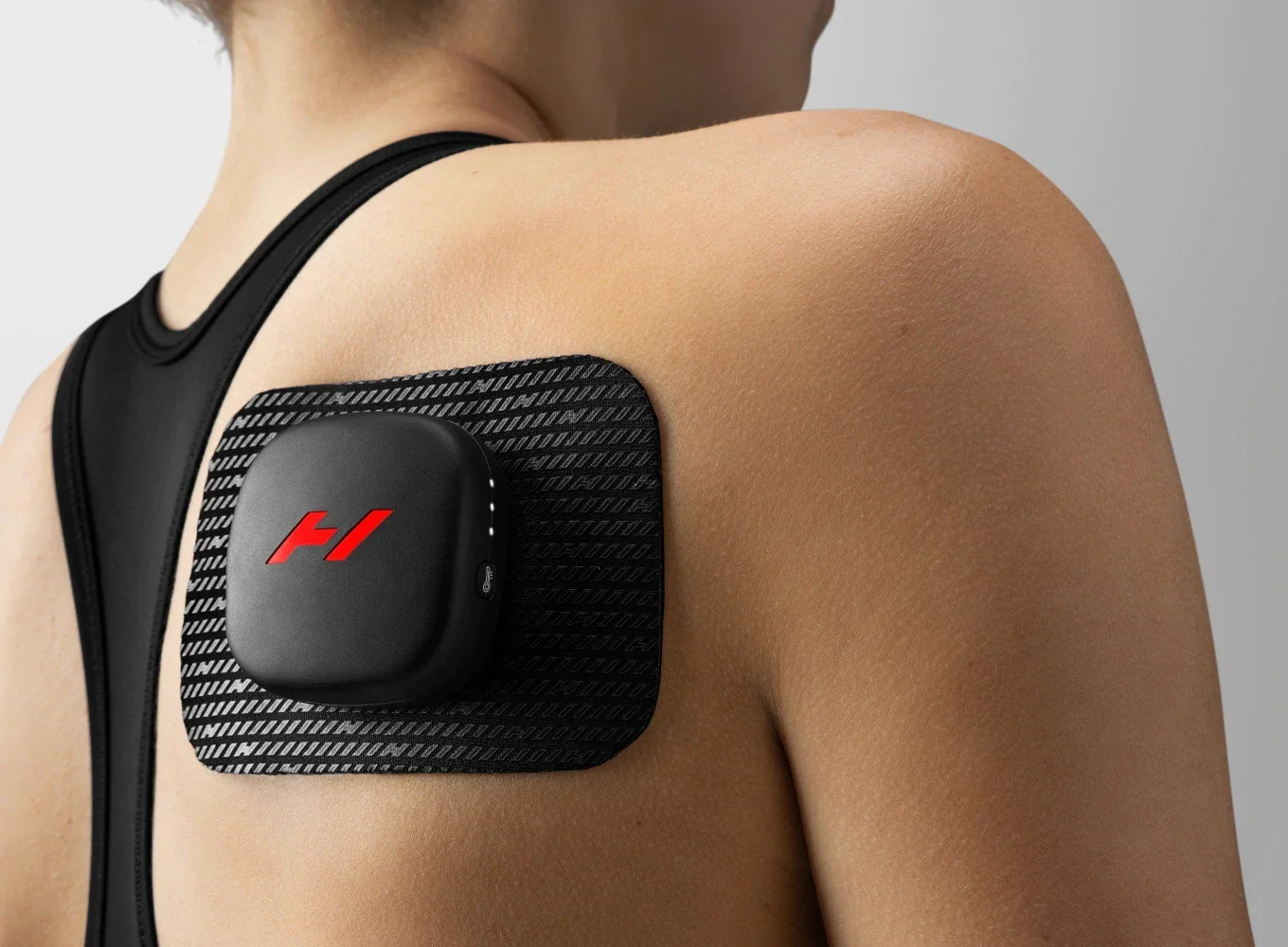
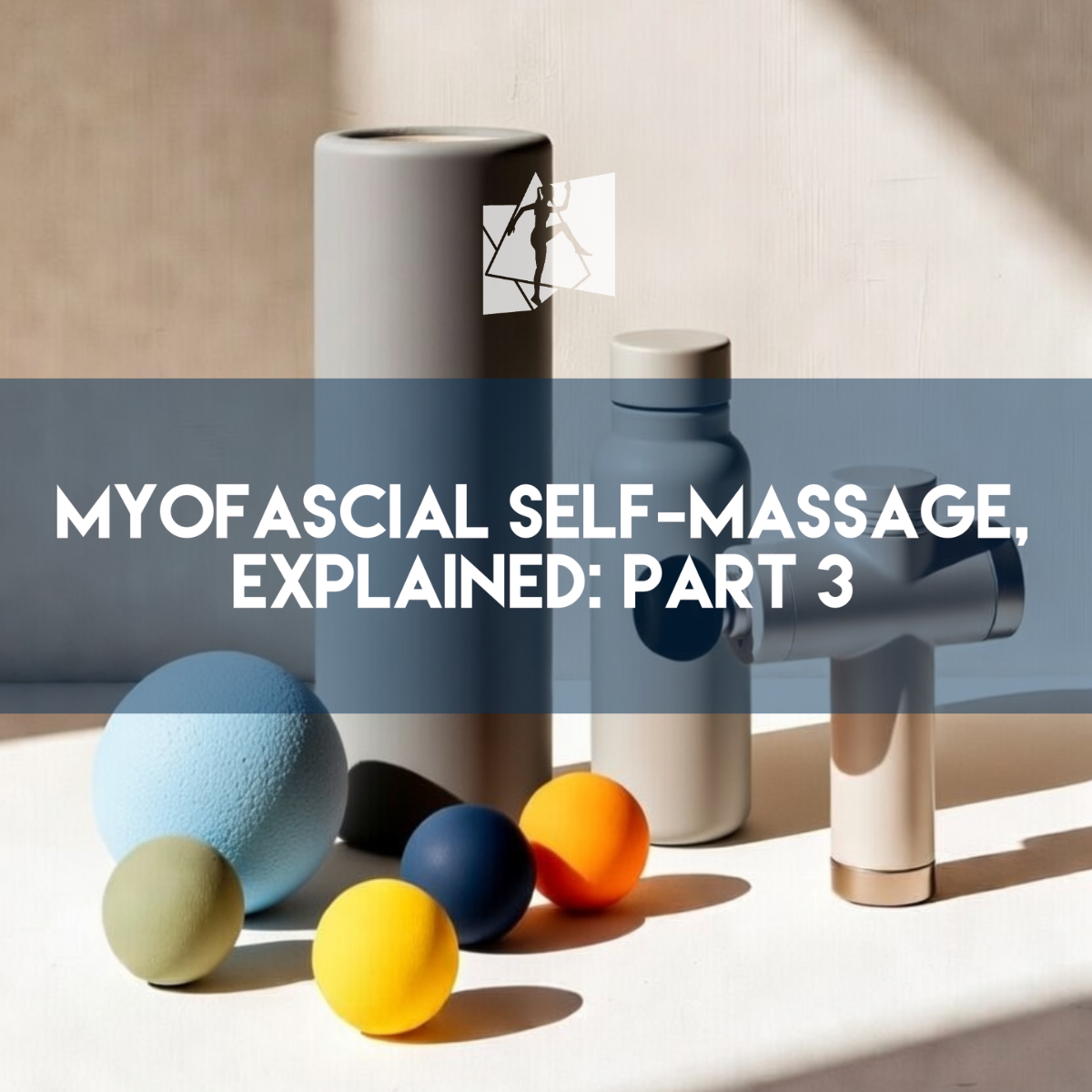
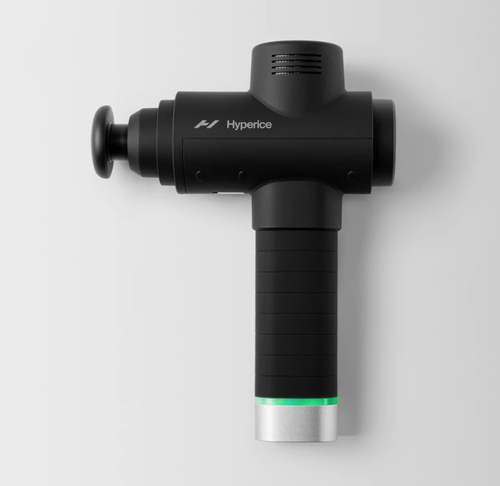
While nothing replaces the benefits of hands-on massage, there are a few tools we consistently recommend. Products like massage guns, Chirp wheels, and the VenomGo—combining targeted heat and vibration—can help boost circulation and ease muscle tension between sessions.
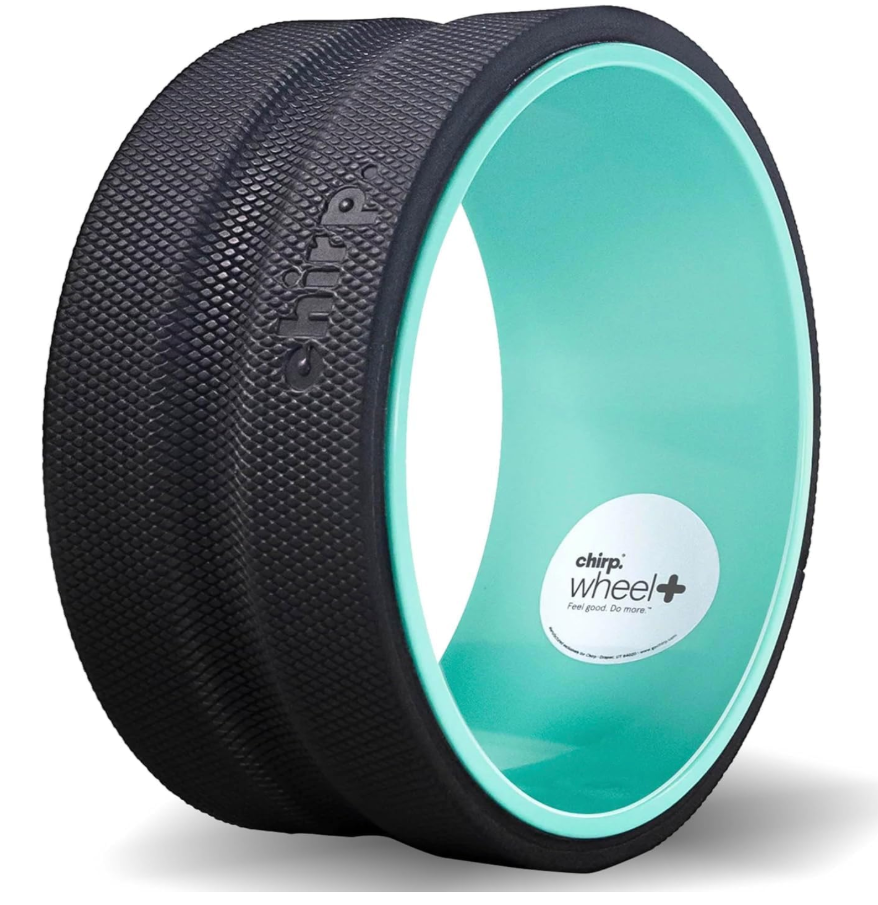
 
Buy on amazon
Buy on amazon
 
 
Buy on amazon


Conclusion: Recovery Is a Phase—Maintenance Is a Mindset

Recovery massage is the hero during an injury—focused, intensive, and essential. But as tissues heal and performance returns, the work doesn’t stop there. Maintenance massage picks up the baton, helping you maintain the progress you’ve made and avoid returning to square one.

For active individuals—especially those who’ve just completed physical therapy—making maintenance massage a consistent part of your recovery strategy helps build resilience, prevent injuries, and optimize performance. Just as your training evolves with your goals, so too should your approach to bodywork.

In short: Recovery massage gets you out of trouble. Maintenance massage keeps you out of it.


References

  • Crane, J. D., Ogborn, D. I., Cupido, C., Melov, S., Hubbard, A., Bourgeois, J. M., ... & Tarnopolsky, M. A. (2012). Massage therapy attenuates inflammatory signaling after exercise-induced muscle damage. Science Translational Medicine, 4(119), 119ra13. https://doi.org/10.1126/scitranslmed.3002882

  • Davis, H. L., Alabed, S., & Chico, T. J. (2020). Effect of sports massage on performance and recovery: A systematic review and meta-analysis. Frontiers in Physiology, 11, 748. https://doi.org/10.3389/fphys.2020.00748

  • Poppendieck, W., Wegmann, M., Ferrauti, A., Kellmann, M., Pfeiffer, M., & Meyer, T. (2016). Massage and performance recovery: A meta-analytical review. Sports Medicine, 46(2), 183–204. https://doi.org/10.1007/s40279-015-0420-x

  • Sherman, K. J., Cherkin, D. C., Kahn, J., Erro, J. H., Hrbek, A., Deyo, R. A., & Eisenberg, D. M. (2014). A survey of training and practice patterns of massage therapists in two US states. International Journal of Therapeutic Massage & Bodywork, 7(1), 10–17. https://doi.org/10.3822/ijtmb.v7i1.202

Upper Extremity Sport Durability

For the majority of our upper extremity athletes, the toughest opponent they face is their screen. Here in the Capital of Tech, the hour or two you spend on the field may be the only break from technology. With the challenges of the last year, we’re all spending more time online and on a screen than ever before. While intuitively we all recognize that increased screentime can lead to decreased performance, this post will help break down the impact on upper extremity athletes.

Daily Posture

Start by assessing your resting posture. Look at the position of the head, neck, shoulder and arms relative to the torso. All too often when working on a laptop or handheld device we find ourselves seated with shoulders slumped, looking down, arms and hands together at chest center. Sound familiar?

This will impact your resting breathing posture, as well as your anterior chest and neck muscle tone. The closed position of the throat and rib cage requires the body to work harder and recruit different muscles to inhale and exhale, potentially overusing some muscles in the neck. Adducting the arms, or bringing them together in front of the chest, shortens the muscles of the chest causing them to tighten. The muscles in the back are put in an over-lengthened position, causing them to atrophy due to lack of use. This combination of tight and weak muscles makes it more challenging to find and maintain your athletic posture when you need it.

Finding Balance + Repetitive Behaviors

Using the body described above as our example, the strength imbalance and shoulder position will impact throwing mechanics. To rebalance the system, more emphasis needs to be placed on pulling exercises. This allows the muscles in the upper back to contract while lengthening the muscles in the chest. To compliment this work, incorporate focused dynamic chest stretching and thoracic spine mobility to re-enforce these new postures.

Looking to the back of the body, scapular control is equally essential for throwing mechanics. The scapula has limited ligamentous attachments- it’s the reason the shoulder has such a large range of motion. The catch? The scapula relies more heavily on muscular control than other joints. If you plan on throwing longer and faster, you need to have the eccentric strength to slow all that extra power down. Building a stable foundation (and maintaining it) requires regular rotator cuff strengthening- try incorporating these exercises into your pre-practice warmup or post-strength cool down.

Daily + Weekly Load

Every single athlete, no matter the level, needs recovery days. These low intensity days are the body’s chance to “recharge and download” new movement patterns and muscle fibers. Consistent optimal load to rest ratios will ultimately result in increased durability. To start tracking your load, try this simple low tech strategy:

Upon completing a workout or competition, rate the session using the scale. Multiple that number by the duration of the session in minutes. Track these numbers daily. On a weekly or monthly cycle, aim to create a soft waves rather than dramatic spikes and gaps in activity. Use this chart to plan for important competitions and heavy training days.

 
M.Gibala Ph.D.

M.Gibala Ph.D.


Recovery is not synonymous with rest. Several of our highly competitive athletes have balked at the idea of a rest day, envisioning being confined to the couch for the day. Instead, think about recovery in the following areas:

  • Getting adequate sleep following training (7 hours or more!)

  • Optimizing soft tissues between sessions (massage, foam roll, stretching, etc)

  • Rebalancing consumed macro + micro nutrients (Protein AND electrolytes)

  • Diversifying your skills by trying new sports or activities (VR for reaction time, or swimming for reciprocal rotation)


Self-Limiting Pitfalls

OverPage-0 48.png

Elite performance requires us to be vulnerable. It is essential to have an honest view of our skill set to grow and improve. Working with a coach, or using tools like biofeedback technology can give a clear picture. In the clinic, we use a variety of motion and force capture to enhance the assessment process. Outside of the clinic, wearable technology can track heart rate, speed, and sleep metrics to give you a more complete picture of your performance.

But, ultimately, it’s how we interpret that information that matters. Use the self-assessment below and see if you fall into any of these 4 protective strategies that may be limiting your potential:

1. Self-Handicapping:

Intentionally limiting your effort to give yourself an “out.” If you didn’t really try your best, then the results don’t matter.

2. Feedback Avoidance:

Bubble alert! By only surrounding yourself with people who flatter you, you are distort you outlook.

3. Self-Serving Bias:

Only taking credit for success, and not failure. When you win, its because of your hard work and natural talent, but if your fail it could be the refs, the weather, the astrological calendar…

4. Downward Social Comparison:

Rather than look at how everyone performed, you only compare yourself to those who did worse to protect your ego. Maybe you only scored twice, but he didn’t score at all.

Being mindful of these common mental traps helps us build awareness of the role our mind plays in performance.


Adapted from @stevemagness, author of Peak Performance


Consistent Advice for Inconsistent Times

OverPage-0 40.png

Seemingly almost every day, this year has thrown unprecedented challenges our way. As a country, and as a community, it can feel like we simply can’t catch a break. This air of overwhelming chaos and danger can trigger feelings of distress and distraction, and impact our normal immune response, throughout coping strategies like emotional eating or alcohol consumption, or poor quality sleep. Good news, these feelings and responses are very normal. Bad news, these behaviors are correlated with an increased risk of injury.

“I don’t know if I can do this”

As athletes and performers, we each possess a deep spirit of resilience. Resilience is defined by the American Psychological Association as “the process of adapting well in the face of adversity, trauma, tragedy, threats, or significant sources of stress.” Each tryout, audition, tie breaker, performance and championship game has reinforced that spirit. We have each gone through challenge, and emerged stronger.

Brené Brown reminds us in her 2015 book, Rising Strong, that resilient leaders all show three key attributes:

First, they recognize the central role that relationships and story play in culture and strategy, and they stay curious about their own emotions, thoughts, and behaviors. Second, they understand and stay curious about how emotions, thoughts, and behaviors are connected in the people they lead, and how those factors affect relationships and perception. And, third, they have the ability and willingness to lean in to discomfort and vulnerability.

During these unprecedented times, we find ourselves rebounding more frequently. Today’s challenges require near moment-to-moment adaptation. While we may feel sensitive and vulnerable, athletes and performers are robust. Driven by challenge, each of us have demonstrated incredibly grit and perseverance to reach the position we are at today, overcoming injuries and obstacles. It’s important to acknowledge any feelings of distress, but equally important to have an arsenal of resources to continue moving forward in a healthy fashion. We’ve pulled together our favorites from the author / coach duo behind The Growth Equation, as well as the mental health professions at IADMS:

Practice compassion, for yourself and others

Each new 2020 challenge has shown value of human compassion. If you’re feeling overwhelmed, look to ways you can help someone or look for ways someone else has helped you recently. Being kind to yourself when things don’t go as planned is essential, too!

Stop resisting what’s happening

We’ve all been there. But wishing this wasn’t happening isn’t going to help the situation or your mental state. Focus on what your next three tasks are, and keep cycling through your day.

Focus on what you can control

Rather than worrying about the uncontrollable, put your energy towards productive action. If your league now requires mask usage for competition, build a schedule that allows you to gradually build up tolerance to it while exercising.

Think adaptation, not change

“Change is something that happens to you. Adaptation is something that you are in conversation with.” Stulberg’s view returns control to the individual, and the tasks at hand. What is non-negotiable for you, your family, or your team? Start with these, and work backwards to find to solutions that suit your current challenges. Maintaining an openness to new experiences can help to keep you on track- what opportunities has this scenario brought you?

Practice positivity and gratitude

With so much bad news floating around, it’s easy to get lost in it. When you noticed a persistent negative thought, try to reframe it. For example, maybe you still can’t take that trip you’ve been longing for, but airlines and tourism industries are working hard to provide rapid test options.

If you find yourself getting worked up, try what Stulberg refers to as the 4 P's: pause, process, plan, proceed. This quick exercise allows you to acknowledge whatever is coming up for you, and choose a response that best suits our ever-changing environment.

Finally, tap into memories that remind you why it’s all worth it. The view at the summit, that game winning shot, the performance where everything just clicked. Visualization can help to reignite feelings of purpose.

Use Routines to Anchor you

Some days, internal strategies just won’t be enough. These are the days to lean heavy on your routine lifesavers. Block off 15m breaks to take a walk around the block, schedule tech-free time at the beginning and end of your day, pre-order that instagram worth salad + juice combo. Learn what helps you be your best self on bad days. After all, “creativity resides at the heart of human resilience. Even though adversity will always exist within the human condition, embracing the creative resources within us allows us to not only endure but to prevail.” -Creativity, Trauma, and Resilience by Paula Thomson and S. Victoria Jaque.

To learn more about the connection between stress and injury, check out this article.