Physical TheraPT

Sports Massage

Water Wins

You've probably heard you need to drink lots of water after a massage. But is that really necessary? Let's look at what the science actually says about hydration, massage, and athletic performance.

Why Water Matters for Athletes

Water makes up about 60% of your body weight and plays essential roles in nutrient transport, temperature regulation, and joint lubrication. For athletes and active individuals, staying hydrated is particularly important because it affects how your muscles and tissues function.[1]

When you're dehydrated, your tissues become stiffer and less flexible. Research shows that dehydration increases the force needed to compress soft tissues and reduces tissue thickness. Even mild dehydration (losing just 3% of your body weight in fluids) can decrease muscle endurance by about 8% and reduce strength by about 5%.[2][3]

Dehydration also creates extra stress on your muscles at the cellular level. Studies show that exercising while dehydrated increases oxidative stress and can impair muscle protein metabolism. Over time, severe dehydration may even slow down muscle recovery and glycogen (energy) storage after workouts.[4][5]


The Truth About Massage and "Toxins"

Here's the reality: the idea that massage releases toxins requiring extra water is a myth. There's no scientific evidence supporting this claim.[6][7][8]

Your body already has highly effective systems for removing waste products—your liver, kidneys, and lymphatic system handle this 24/7. Massage doesn't create a sudden release of toxins that needs to be flushed out with water.

What about lactic acid? This is another common misconception. Lactic acid doesn't cause muscle soreness, and it's cleared from your muscles within 30-60 minutes after exercise—long before you'd typically get a massage. Massage doesn't remove lactic acid, and you don't need extra water to flush it out.[9][10][11]

That said, massage does produce real physiological effects. Studies show it can temporarily reduce cortisol (a stress hormone), lower heart rate, and cause modest changes in inflammatory markers. But none of these effects require you to drink extra water.[12][13][14]


How Much Water Do You Actually Need?

For general health, aim for about 40-45 mL per kilogram of body weight per day from all beverages and food combined. For a 150-pound (68 kg) person, that's roughly 2.7-3 liters (90-100 ounces) total per day.[15][16]

If you're training hard or sweating heavily, you'll need more. A good rule of thumb: replace about 1.5 times the fluid you lose during exercise. For example, if you lose 1 pound during a workout, drink about 24 ounces of fluid.[17]

Simple ways to monitor your hydration:

  • Check your urine color—pale yellow is ideal

  • Pay attention to thirst during moderate activity

  • Weigh yourself before and after intense workouts to estimate fluid loss

  • Add 0.5-1 liter of water after high-sweat sessions


Important: Don't overdo it. Drinking excessive plain water during prolonged exercise can dilute your sodium levels and cause problems.


The Bottom Line

Hydration is important for athletic performance and recovery—but not because of massage. Staying well-hydrated helps maintain tissue flexibility, supports muscle function, and enables efficient recovery from training.[2][4][3]

After your next massage, feel free to drink water if you're thirsty. But don't feel pressured to chug extra water based on myths about toxins or lactic acid. Instead, focus on consistent daily hydration as part of your overall training and recovery strategy.

The real reason to stay hydrated isn't about flushing anything out—it's about keeping your body functioning at its best.


References

  1. Water as an Essential Nutrient: The Physiological Basis of Hydration. Jéquier E, Constant F. European Journal of Clinical Nutrition. 2010;64(2):115-23. doi:10.1038/ejcn.2009.111.

  2. Investigating the Impact of Dehydration and Hydration on in-Vivo Hip Soft Tissue Biomechanics. Khorami F, Foroutan Y, Sparrey CJ. PloS One. 2025;20(8):e0328054. doi:10.1371/journal.pone.0328054.

  3. Effect of Hypohydration on Muscle Endurance, Strength, Anaerobic Power and Capacity and Vertical Jumping Ability: A Meta-Analysis. Savoie FA, Kenefick RW, Ely BR, Cheuvront SN, Goulet ED. Sports Medicine (Auckland, N.Z.). 2015;45(8):1207-27. doi:10.1007/s40279-015-0349-0.

  4. Passive Dehydration Increases Oxidative Stress and mTOR Signalling Pathway Activation in Young Men Following Resistance Exercise. Luk HY, Jiwan NC, Appell CR, et al. The Journal of Physiology. 2025;603(12):3551-3570. doi:10.1113/JP288434.

  5. Hydration, Hyperthermia, Glycogen, and Recovery: Crucial Factors in Exercise Performance-a Systematic Review and Meta-Analysis. López-Torres O, Rodríguez-Longobardo C, Escribano-Tabernero R, Fernández-Elías VE. Nutrients. 2023;15(20):4442. doi:10.3390/nu15204442.

  6. Side-Effects of Massage Therapy: A Cross-Sectional Study of 100 Clients. Cambron JA, Dexheimer J, Coe P, Swenson R. Journal of Alternative and Complementary Medicine (New York, N.Y.). 2007;13(8):793-6. doi:10.1089/acm.2006.6401.

  7. The Safety of Massage Therapy. Ernst E. Rheumatology (Oxford, England). 2003;42(9):1101-6. doi:10.1093/rheumatology/keg306.

  8. The Mechanisms of Massage and Effects on Performance, Muscle Recovery and Injury Prevention. Weerapong P, Hume PA, Kolt GS. Sports Medicine (Auckland, N.Z.). 2005;35(3):235-56. doi:10.2165/00007256-200535030-00004.

  9. Delayed Onset Muscle Soreness : Treatment Strategies and Performance Factors. Cheung K, Hume P, Maxwell L. Sports Medicine (Auckland, N.Z.). 2003;33(2):145-64. doi:10.2165/00007256-200333020-00005.

  10. Delayed Muscle Soreness: A Review. Francis K. The Journal of Orthopaedic and Sports Physical Therapy. 1983;5(1):10-3. doi:10.2519/jospt.1983.5.1.10.

  11. Lactate: Friend or Foe. Hall MM, Rajasekaran S, Thomsen TW, Peterson AR. PM & R : The Journal of Injury, Function, and Rehabilitation. 2016;8(3 Suppl):S8-S15. doi:10.1016/j.pmrj.2015.10.018.

  12. Physiological Adjustments to Stress Measures Following Massage Therapy: A Review of the Literature. Moraska A, Pollini RA, Boulanger K, Brooks MZ, Teitlebaum L. Evidence-Based Complementary and Alternative Medicine : eCAM. 2010;7(4):409-18. doi:10.1093/ecam/nen029.

  13. Influence of Classical Massage on Biochemical Markers of Oxidative Stress in Humans: Pilot Study. Skubisz Z, Kupczyk D, Goch A, et al. BioMed Research International. 2021;2021:6647250. doi:10.1155/2021/6647250.

  14. Effect of Single Session of Swedish Massage on Circulating Levels of Interleukin-6 and Insulin-Like Growth Factor 1. Stenbäck V, Lehtonen I, Mäkelä KA, et al. International Journal of Molecular Sciences. 2024;25(17):9135. doi:10.3390/ijms25179135.

  15. Hydration for Health Hypothesis: A Narrative Review of Supporting Evidence. Perrier ET, Armstrong LE, Bottin JH, et al. European Journal of Nutrition. 2021;60(3):1167-1180. doi:10.1007/s00394-020-02296-z.

  16. Hydration and Health at Ages 40-70 Years in Salzburg Austria Is Associated With a Median Total Water Intake Over 40 mL/kg Including at Least 1 L/D Plain Drinking Water. Stookey JD, Langthaler PB, Felder TK, et al. Frontiers in Public Health. 2025;13:1668981. doi:10.3389/fpubh.2025.1668981.

  17. Selected Issues for Nutrition and the Athlete: A Team Physician Consensus Statement. Medicine and Science in Sports and Exercise. 2013;45(12):2378-86. doi:10.1249/MSS.0000000000000174.
Stay Ready, Not Just Recovered

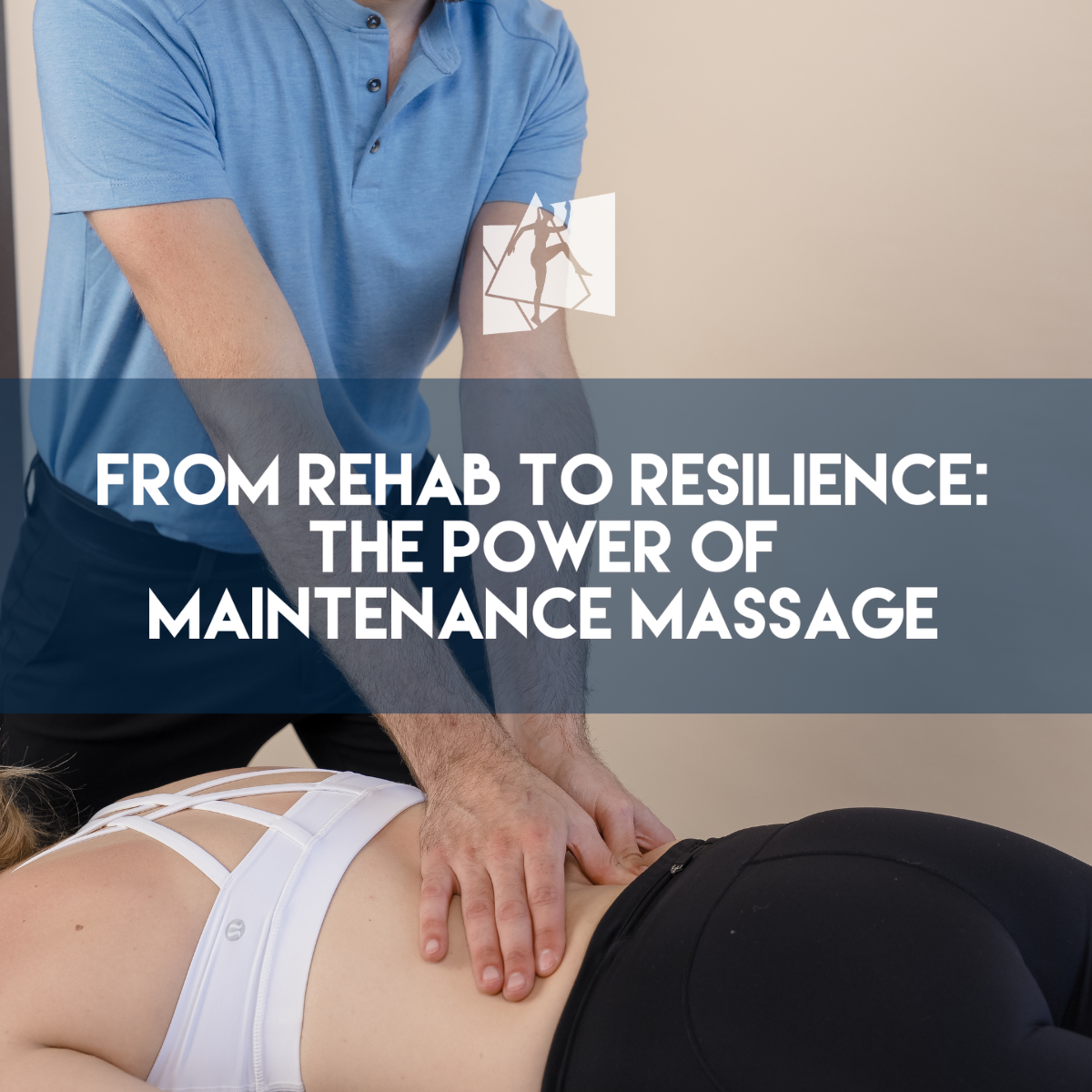
If you’ve ever received massage therapy as part of your physical therapy care, you’ve likely experienced the benefits of recovery massage—decreased soreness, improved mobility, and faster healing. But what happens when you’re out of the acute phase? That’s where maintenance massage comes in—and it’s often the missing piece in staying injury-free and performing at your best.

While recovery massage gets much of the spotlight in the rehab process, maintenance massage is what keeps your system tuned and functioning well long after the initial problem has resolved. Let’s explore the distinct purposes of recovery and maintenance massage, why each matters, and why transitioning from one to the other should be part of your long-term plan.


Recovery Massage: A Tool for Healing

Recovery massage is typically prescribed during or immediately after an injury or intense physical stress. It targets soft tissues that are healing or under high demand. The goals are straightforward: reduce pain, manage inflammation, improve circulation, restore function, and help tissue recover from overload.

Studies consistently show that massage therapy can play a meaningful role in post-injury and post-exercise recovery. A meta-analysis published in Frontiers in Physiology found that massage significantly reduces delayed-onset muscle soreness (DOMS) and improves muscle performance markers such as strength and range of motion after strenuous exercise (Davis et al., 2020). Similarly, massage has been found to be effective in reducing perceived fatigue and supporting muscle recovery without impairing strength or power output (Poppendieck et al., 2016).

Massage also appears to positively impact inflammatory and healing pathways. A cellular-level study by Crane et al. (2012) found that massage downregulated genes associated with inflammation and promoted mitochondrial biogenesis in muscle tissue following exercise. This means massage doesn’t just feel good—it may help tissues repair more efficiently.

In rehab settings, recovery massage often occurs multiple times per week, especially in the early stages of healing. Sessions are more targeted, focusing on restoring mobility and reducing compensation patterns. Once pain and mobility have improved, the frequency of sessions typically decreases, paving the way for a maintenance plan.


Maintenance Massage: Investing in Resilience

In contrast to recovery massage, maintenance massage isn’t about fixing something that’s broken—it’s about keeping systems running smoothly. After you successfully recover from injury, transitioning into maintenance massage is a key strategy to prevent recurrence and improve long-term performance and body awareness.

Maintenance massage supports:

  • Circulation and metabolic exchange in muscles and fascia

  • Muscle tone balance in frequently used or overused areas

  • Joint mobility and tissue pliability

  • Stress reduction and parasympathetic nervous system activation

Although fewer studies focus exclusively on maintenance massage, the benefits are supported by broader research into regular manual therapy. For example, research published in International Journal of Therapeutic Massage & Bodywork found that regular massage over four weeks led to statistically significant decreases in reported musculoskeletal discomfort in healthy adults (Sherman et al., 2014).

Importantly, maintenance massage isn't “less important” just because it's not addressing an acute injury. For athletes or active individuals, maintenance massage becomes part of an ongoing performance strategy—much like strength training or mobility work.

Frequency can vary: for highly active individuals, once every 2–4 weeks is common. The techniques used are often broader and less intense than during the recovery phase, with a focus on tissue health and function rather than symptom relief.


The Transition: From Recovery to Maintenance

One of the most important shifts in the rehabilitation process is knowing when and how to transition from recovery massage to maintenance. That shift usually happens once:

  • Pain has decreased

  • Normal movement patterns have returned

  • The tissue is no longer in an acute inflammatory state

  • Function has improved with activity or return to sport

At this stage, the goal is no longer just healing—it’s sustainability.

Yet many patients disengage from bodywork once the acute phase ends. They “graduate” from PT and stop getting massage until the next injury arises. This stop-start cycle can lead to setbacks or recurrent issues that were preventable with consistent maintenance work.

Massage therapists working in sports and rehab settings understand this arc and can guide the timing and frequency of maintenance sessions. Maintenance massage isn’t about pampering—it’s an active part of an athletic recovery strategy.


Tools We Trust for Recovery

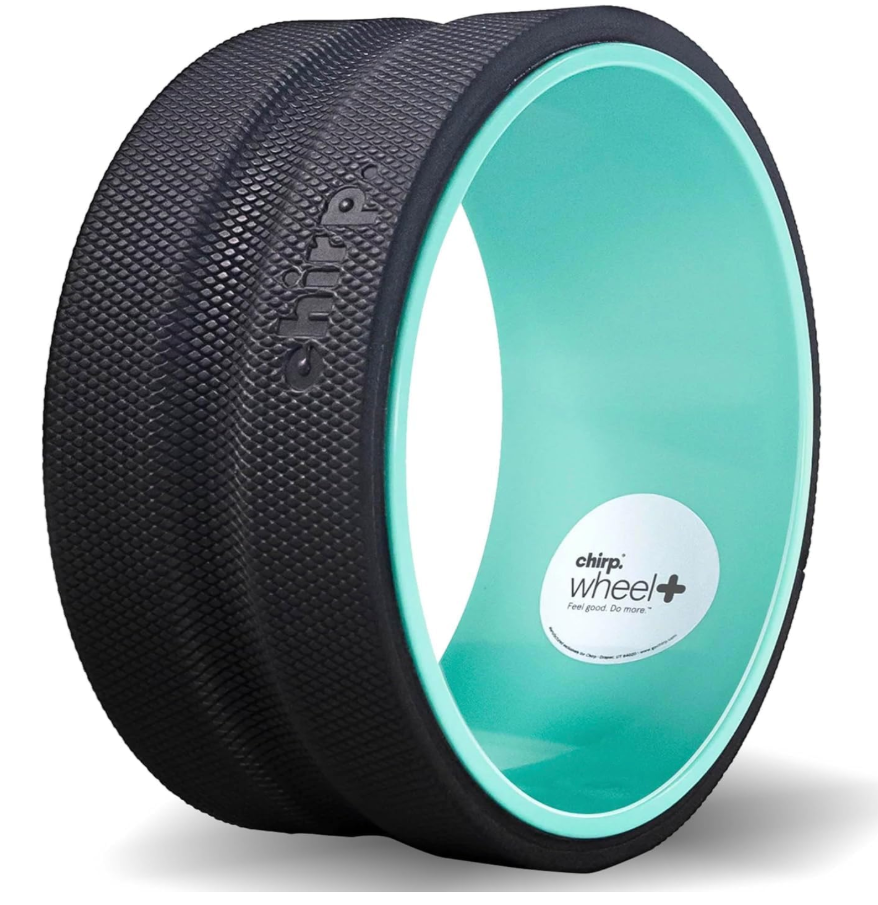
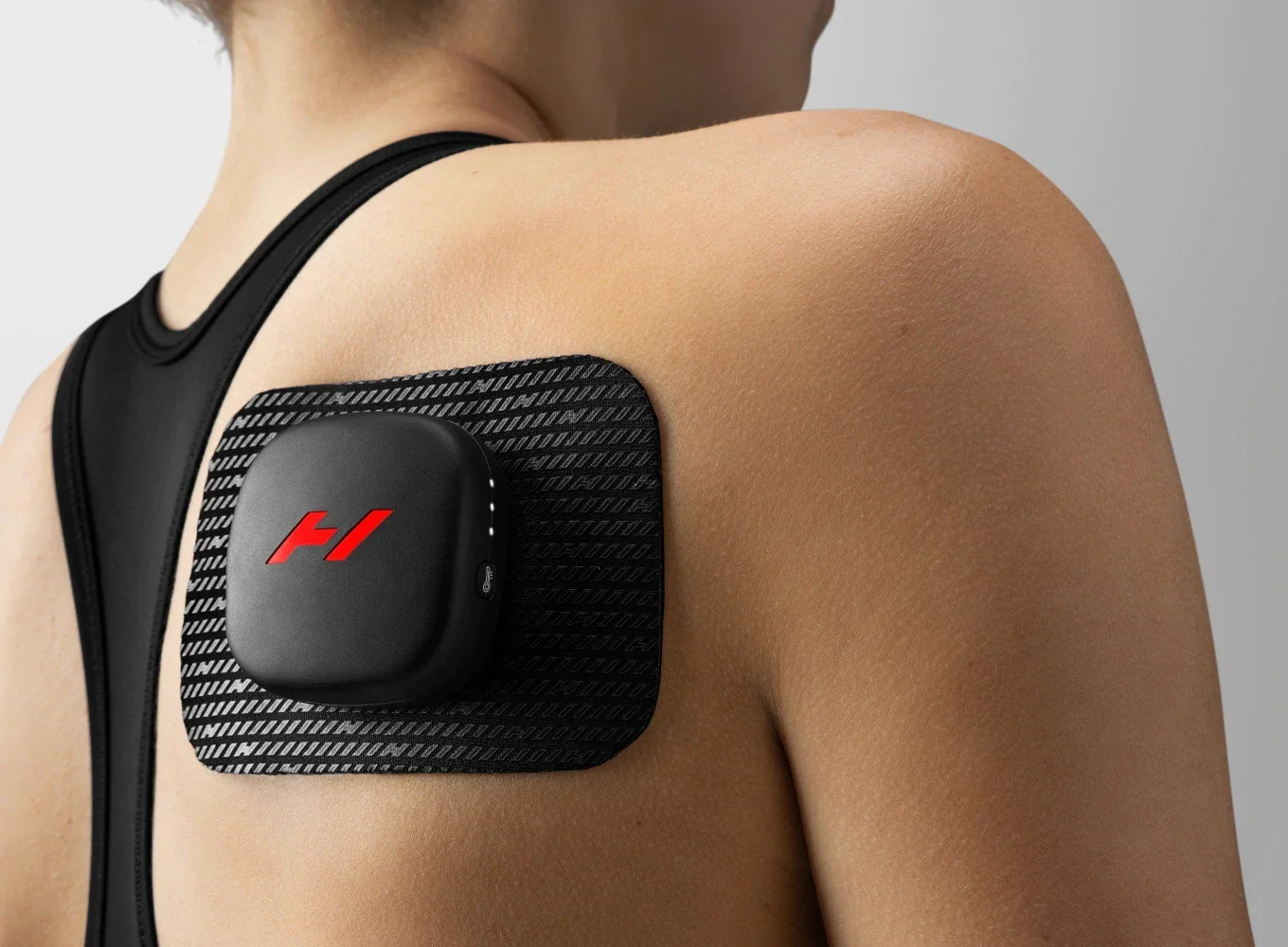
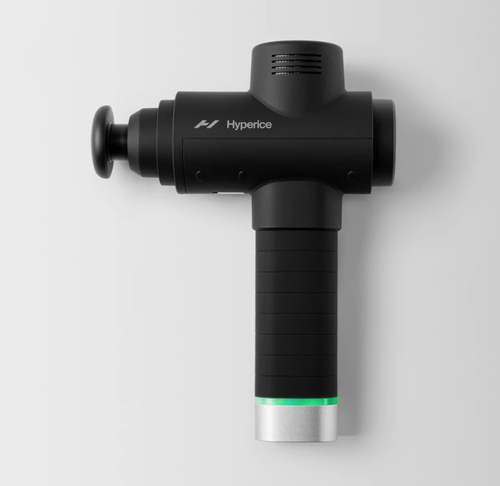
While nothing replaces the benefits of hands-on massage, there are a few tools we consistently recommend. Products like massage guns, Chirp wheels, and the VenomGo—combining targeted heat and vibration—can help boost circulation and ease muscle tension between sessions.

 
Buy on amazon
Buy on amazon
 
 
Buy on amazon


Conclusion: Recovery Is a Phase—Maintenance Is a Mindset

Recovery massage is the hero during an injury—focused, intensive, and essential. But as tissues heal and performance returns, the work doesn’t stop there. Maintenance massage picks up the baton, helping you maintain the progress you’ve made and avoid returning to square one.

For active individuals—especially those who’ve just completed physical therapy—making maintenance massage a consistent part of your recovery strategy helps build resilience, prevent injuries, and optimize performance. Just as your training evolves with your goals, so too should your approach to bodywork.

In short: Recovery massage gets you out of trouble. Maintenance massage keeps you out of it.


References

  • Crane, J. D., Ogborn, D. I., Cupido, C., Melov, S., Hubbard, A., Bourgeois, J. M., ... & Tarnopolsky, M. A. (2012). Massage therapy attenuates inflammatory signaling after exercise-induced muscle damage. Science Translational Medicine, 4(119), 119ra13. https://doi.org/10.1126/scitranslmed.3002882

  • Davis, H. L., Alabed, S., & Chico, T. J. (2020). Effect of sports massage on performance and recovery: A systematic review and meta-analysis. Frontiers in Physiology, 11, 748. https://doi.org/10.3389/fphys.2020.00748

  • Poppendieck, W., Wegmann, M., Ferrauti, A., Kellmann, M., Pfeiffer, M., & Meyer, T. (2016). Massage and performance recovery: A meta-analytical review. Sports Medicine, 46(2), 183–204. https://doi.org/10.1007/s40279-015-0420-x

  • Sherman, K. J., Cherkin, D. C., Kahn, J., Erro, J. H., Hrbek, A., Deyo, R. A., & Eisenberg, D. M. (2014). A survey of training and practice patterns of massage therapists in two US states. International Journal of Therapeutic Massage & Bodywork, 7(1), 10–17. https://doi.org/10.3822/ijtmb.v7i1.202

Understanding the Role of Myofascial Decompression in Sports Rehab

Cupping massage, an ancient practice rooted in traditional Chinese medicine, has grown in popularity for its potential health benefits. In this therapy, suction cups are applied to the skin to create a vacuum, which pulls skin and underlying tissue upward. In western medicine, this technique is more commonly referred to as myofascial decompression. In both systems, similar tools are used- cups can be made of glass, plastic, or silicone and can be applied to the skin in a variety of strategies. The technique is often used to promote blood flow, relieve pain, and support recovery from muscle tension or injury.

If you haven’t experienced this technique first-hand, you may be wondering: what are the distinctive marks left by cupping, what does science reveal about one of its most frequently touted benefits, and is this right for me? Let’s dive into the details!


Myth #1: Cupping Marks aren’t Bruises

The short answer: Yes, actually they are.

Many sources try to claim that cupping marks are not bruises. Most notably, they will cite that bruises are defined as both painful and a result of blunt force—two characteristics that are notably lacking in cupping application. But these flat-out denials seem to conflate the definitions of bruise and contusion.

For starters, bruise is mostly synonymous with a medical term: ecchymosis. Ecchymosis can be defined simply as bleeding under the skin due to broken capillaries. Whether these tiny blood vessels leak due to blunt force or suction is irrelevant, as the end result is the same. On the other hand, contusion is most commonly defined as ecchymosis due to blunt force, usually accompanied by pain and damage to underlying tissue.

As the purplish mark left behind by cupping therapy is a result of broken capillaries, this mark is technically a bruise. However, since the mode of achieving this bruise is suction instead of blunt force trauma, a cupping mark is not a contusion.


Myth #2: Creating damage actually helps healing

While the idea of intentionally breaking capillaries might sound counterintuitive, it can have a therapeutic effect. Cupping increases blood flow to the area, triggering the body’s inflammatory response—a natural healing mechanism.

Studies suggest that cupping may stimulate the release of cytokines and other inflammatory mediators, which help repair tissues and reduce pain (Kim et al., 2018). Moreover, the pooling of blood and interstitial fluid under the skin can encourage lymphatic drainage and reduce swelling, further promoting recovery (Al-Bedah et al., 2019).


Myth #3: Cupping releases Toxins

One of the most debated claims about cupping is whether it helps the body detoxify. To better understand the evidence, it’s important to first distinguish between wet and dry cupping. Wet cupping, an ancient form of bloodletting, involves making small incisions on the skin to draw out blood. This practice is NOT common in the United States and is not part of treatment offered at Physical TheraPT. In contrast, the more widely practiced dry cupping involves applying suction cups to unbroken skin.

Some studies suggest that wet cupping may help lower levels of uric acid and cholesterol in the body (Sutriyono et al., 2014). Current research has not shown a significant connection between dry cupping and toxin removal. The enduring association between cupping and detoxification may be attributed to the specific effects of wet cupping rather than the dry cupping methods commonly used today.


The Takeaway

Despite the lack of evidence for the detoxifying effects of dry cupping, other benefits of this modality tend to be a larger focus in physical therapy. The lifting of the skin due to suction draws blood into the area, bringing oxygen and nutrients to tissues. The mechanical stretching and lifting of the skin can help to release fascia, also known as myofascial decompression, helping to release tension surrounding muscles. And, while cupping does cause microscopic injury, targeted application of it can help us bring your body’s attention to the areas that need extra care by jump-starting the inflammatory process.

If you’re considering cupping, talk to your practitioner to see how it can fit into your recovery or wellness plan.


To learn more, check out these resources:

Al-Bedah, A. M., Elsubai, I. S., Qureshi, N. A., et al. (2019). The medical perspective of cupping therapy: Effects and mechanisms of action. Journal of Traditional and Complementary Medicine, 9(2), 90–97.

Kim, J., Lee, H., & Lee, M. (2018). Effects of cupping therapy on chronic back pain: A systematic review and meta-analysis. Complementary Therapies in Medicine, 41, 129–137.

Sutriyono, S., Robbina, M. R., & Ndii, M. Z. (2019). The effects of wet cupping therapy on blood pressure, glucose, uric acid, and total cholesterol levels. Biology, Medicine, & Natural Product Chemistry, 8(2), 33–36.

The Benefits of Kinesiology Taping

Kinesiology taping, sometimes called “KT” or “taping”, has emerged as a popular technique in sports medicine and rehabilitation, gaining recognition for its ability to support injury recovery and decrease pain. While the concept of elastic taping is not new, its application has evolved significantly. Let’s dive  into what therapeutic elastic taping is, how it works, and its benefits.

What is Kinesiology taping?

Kinesiology taping uses a flexible, stretchy tape designed to mimic the elasticity of skin. The tape is applied to the skin in various patterns and tensions, depending on the condition being treated. Unlike traditional athletic tape, which is often intentionally rigid and restrictive, kinesiology tape allows for a full range of motion, thereby supporting and stabilizing muscles and joints without restricting movement.

How Does It Work?

The primary theories behind the effectiveness of kinesiology taping involve its impact on the skin and underlying tissues. When applied correctly, the tape can lift the skin slightly, creating more space between the skin and the underlying tissues. This lifting effect is thought to improve lymphatic drainage, reduce pressure on pain receptors, and facilitate the body’s natural healing processes.

Additionally, kinesiology taping has been observed to provide proprioceptive feedback, which can help the body to correct movement patterns and improve posture. Applying portions of the tape with increased tension in specific patterns can gently influence the way a person stands or moves. This feedback may help athletes and individuals with musculoskeletal injuries to perform better and recover more effectively.

Benefits of Kinesiology taping

  1. Pain Relief: One of the most commonly reported benefits of kinesiology taping is pain relief. The lifting effect of the tape can help to alleviate pressure on pain receptors and reduce discomfort associated with various injuries and conditions.

  2. Improved Function: Kinesiology taping can enhance functional performance by supporting weak or injured muscles and joints. This support helps in maintaining proper alignment and reducing strain during physical activities.

  3. Enhanced Circulation: The tape’s effect on skin and underlying tissues is thought to improve blood flow and lymphatic drainage. This can contribute to reduced swelling and quicker recovery times.

  4. Injury Prevention: By stabilizing muscles and joints, kinesiology taping may help to prevent injuries during physical activities. It can also support rehabilitation by ensuring that muscles are properly engaged and protected.

Evidence and Efficacy

The scientific evidence supporting kinesiology taping is mixed. Some studies suggest that kinesiology taping can be beneficial for specific conditions such as musculoskeletal pain, joint instability, and post-surgical recovery. For instance, research published in the Orthopaedic Journal at Harvard Medical School (Bhashyam, et al 2018) found that kinesiology taping could reduce pain and improve function in individuals with shoulder impingement when used in conjunction with physical therapy. Another study in the Journal of Sports Rehabilitation (Kirmizigil, et al 2019)  indicated that it might aid in decreasing muscle soreness and improve post-exercise performance.

However, other studies question the clinical significance of these benefits. A review in the American Journal of Physical Medicine & Rehabilitation (Ye, et al 2020) concluded that while kinesiology taping might have some short-term benefits, its effectiveness compared to other treatment methods is still uncertain.

Application Techniques

Proper application of kinesiology tape is crucial for its effectiveness. The tape can be applied in various ways depending on the desired outcome. For instance, a "fan" technique might be used to address swelling, while a "strip" technique can target muscle support. It is advisable to seek guidance from a trained healthcare professional to ensure correct application and maximize benefits.


Kinesiology taping is a versatile tool in the field of rehabilitation and sports medicine, offering potential benefits for pain relief, functional improvement, and injury prevention. While the evidence supporting its efficacy is still evolving, many individuals report positive outcomes. Additionally, kinesiology tape is an inexpensive and low-risk modality. Exploring therapeutic elastic taping could be a valuable step in your injury recovery journey and may provide the support and relief you’re looking for in your journey towards becoming a more robust, durable athlete. 

Interested? All three of our clinicians are certified by Rocktape! Talk to your provider during your next appointment to see how kinesiology tape could supplement your recovery, or reach out to schedule a taping appointment.

How intense does massage really need to be?

When it comes to massage therapy, many people wonder how intense the pressure needs to be to achieve the best results. There is a common misconception that the deeper and harder the pressure, the more effective the massage. However, the relationship between pressure and therapeutic outcome is more nuanced. Let’s explore the difference between deep pressure and deep tissue massage, why excessive pressure can be counterproductive, and how to find the optimal level of pressure for your needs.

Too Much Pressure?

One key aspect of effective massage therapy is understanding that getting muscles to release isn't about forcing them into submission. When a massage therapist applies pressure, sensory receptors in the skin and muscles send signals to the brain. These signals can help the brain to recognize tension, slowly convincing it to relax the muscles.

While other physiological effects also contribute to reduced tension in the body, putting the brain into a parasympathetic state is key to maximizing the benefits of massage. This means that excessive pressure is actually counterproductive, causing the body to go into a protective mode and tightening up the muscles even more in response to pain or perceived threat. Even worse, too much pressure can cause bruising, inflammation, or further injury.

Finding the Optimal Pressure

The goal of massage therapy is to promote relaxation and facilitate muscle release, not to cause pain. While a certain level of discomfort might be expected, particularly when working on tight or knotted areas, the sensation should be more of a "hurts so good" feeling rather than outright pain.

The optimal pressure during a massage varies from person to person and even from one area of the body to another. What feels good for one person might be too intense or too light for another. The "hurts so good" sensation is often an indicator that the right amount of pressure is being applied. This feeling suggests that the pressure is sufficient to address the muscle tension without causing excessive pain.

Take Control of Your Experience

To get the most out of your massage therapy session, there are several things you can do to help facilitate muscle release:

1. Stay in Communication

Always communicate with your massage therapist about the pressure being applied. No massage therapist, no matter how experienced, can know exactly what you are feeling. Your feedback is essential to ensure the pressure is just right.

2. Avoid Tensing Up

Try to keep your own muscles from tensing during the massage. Tension in the muscles can counteract the effects of the massage and make it harder for the therapist to work effectively.

3. Breathe Deeply

Make sure not to hold your breath. Deep, steady breathing can help to relax your muscles and enhance the therapeutic effects of the massage. When an especially tender or tight area is being worked on, focus on taking deep breaths to help the muscles release.

4. Relax Your Mind

Mental relaxation is just as important as physical relaxation. Try to let go of any stress or anxiety you may be holding onto. A calm mind can help facilitate muscle relaxation.


Effective muscle release involves communicating with the brain through slow and deliberate touch. The right amount of pressure to accomplish this is different from person to person and won’t even be consistent throughout your entire massage. Let go of any preconceived notions about how light or deep a massage needs to be. By finding a balance that promotes relaxation and healing without causing unnecessary pain, and by communicating with your massage therapist, you’ll be surprised at how much more benefit you can get out of each massage!