The Latest in Functional Recovery





Building a strong youth athlete depends on cultivating a strong love of the game. We’re breaking down the latest research-backed strategies on how to keep your little leaguer on the path to greatness without losing steam.


While lumbo-pelvic pain during pregnancy is common, it should not be normalized or ignored. Working with a clinician can help you identify what may be causing your pain, and develop a plan to help you feel better. Dr. Kathleen Melia shares suggestions on what you can start doing today, and how to plan for your recovery.
Whether you’d consider yourself an athlete or not, pregnancy is physically demanding! From start to finish, rapid changes to the female body can greatly impact biomechanics. Rehabilitative medicine and functional conditioning can have a positive impact on the journey.

Shannon sits down to ask Betsy anything and everything about radial nerve entrapment from the patient perspective. Read about how this injury requires a bit more self-control to tackle.
As we find new ways to return to sport and regular athletic activity, it’s important to re-evaluate your baseline. A pre-participation physical exam does just that. Learn more about how sports leagues use these check-in’s, and how they apply to the recreational athlete.

Radial nerve entrapment can be misdiagnosed, commonly mistaken for lateral epicondylosis (aka “tennis elbow”) or nerve impingement in the neck. Each of these three diagnoses require contracting treatment, meaning what works for one could make another worse. Don’t guess when it comes to your athletic health!

Ongoing injuries can be frustrating, particularly when nothing seems to help. If you’ve been experiencing symptoms for more than two weeks, it’s time to make an appointment with an expert. In the meantime, try these three home recommendations to stay on top of your recovery.
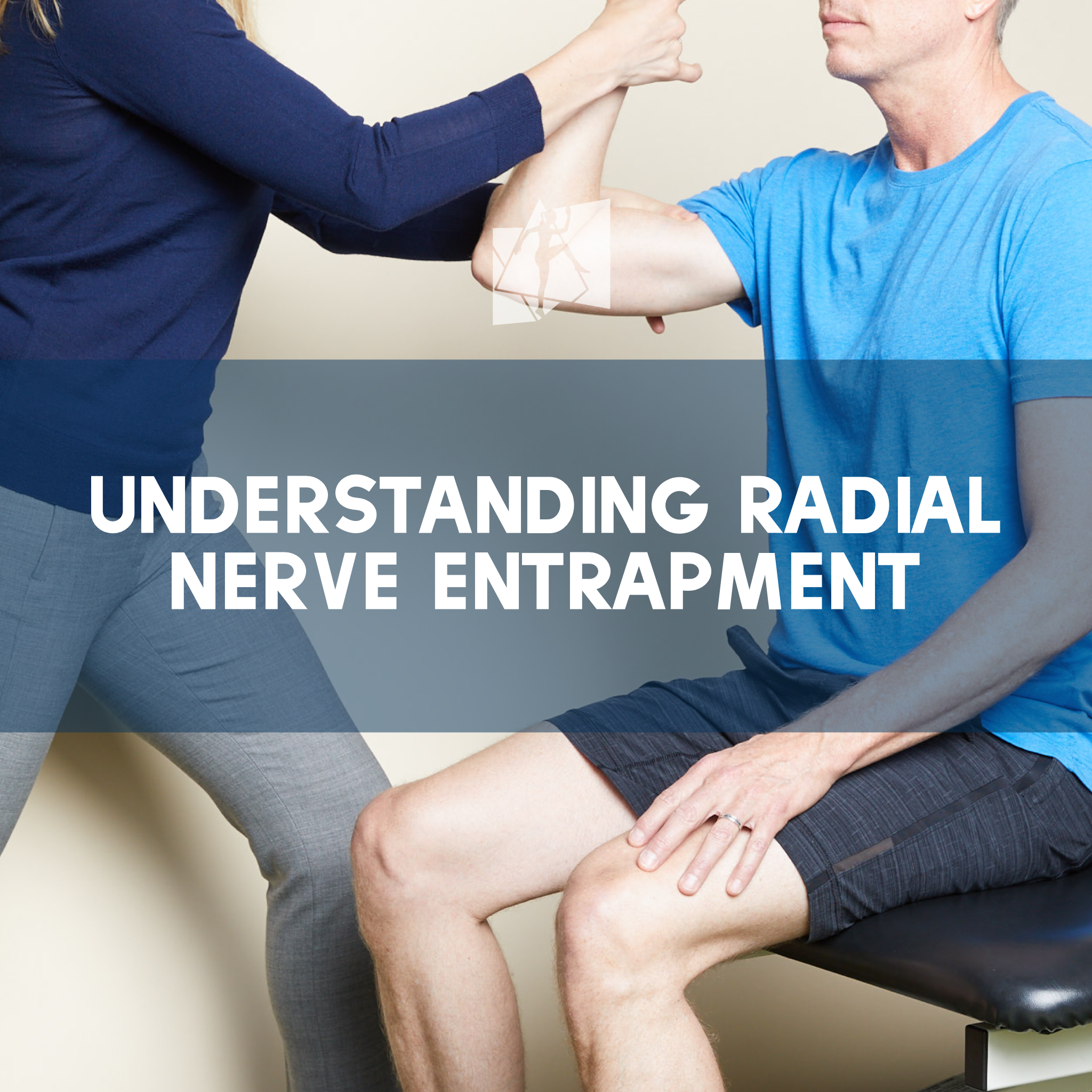
Radial nerve entrapment is often thought to be a result of overuse, but it does occur due to other causes - such as direct trauma, fractures, compressive devices, or post-surgical changes. Learn more about how this injury typically presents, and understand the anatomical structures!

When it comes to shoes, there are some strong opinions- each group claims their way is best. Let’s sit down and review the research regarding running shoes to make an informed evidence-based decision.
Food is personal. There are lots of philosophies are what to eat, and when to eat it. Some of them won’t work for everyone, while some of them won’t work at all. When it comes to athletic performance and immune function though, we can count on three core principles.

For most of us, there is no shortage of stressful triggers and stimulus these days. This chronic stress takes a toll- it can mess with our mood, sleep, and motivation, ultimately leaving us more susceptible to illness. Being sick ≠ your next PR.
There is no magic number when it comes to sleep. Different individuals need slightly different amounts of sleep. They also have varying natural circadian rhythms. However, thanks to sleep scientist Dr. Matthew Walker, we know that practically all humans* require a minimum of seven hours of sleep to function optimally. The average American adult only gets six and a half hours. Dive into how you can optimize your sleep routine to support your athletic goals, and keep your immune system in prime function.
Stress may not always deserve the bad reputation it’s gained, but it does require our attention. At its core, stress is simply a “physical, mental or emotional factor that causes bodily or mental tension.” Going for a run is a type of stress, so is that pre-race excitement you feel. Scrolling through too many tweets on COVID-19 causes stress, just like being sick can cause stress. What if we have the power to change how we interact with stress?

Let’s talk about load. Researcher Tim Gabbett defines load simply as “the act of performing work in preparation for, or carrying out an event.” This includes your workout and everything else that makes up your day. Load response is “the physiological, psychological or biomechanical response to performing that work.” These responses can be positive, negative or neutral depending on how prepared we were for said load.To do this, we need to ask ourselves two key questions:
What does my current physical activity look like?
What are my goals?
General common sense, as well as scientific research, tells us that lifelong physical activity acts as a protecting agent against chronic illness and disease. If you’re able to consistently rack up 300 minutes of moderate intensity activity per week, you’re at much lower risk for things like cancer, cardiovascular disease and other inflammatory disorders. Regular physical activity also increases your resilience against communicable diseases, like bacteria and viral infections. However, here’s where the research starts to diverge.

To wrap up our section on ankle sprains, I was able to chat more with Kathleen about her clinical experience and treatment recommendations. Kathleen’s background working with the SF Ballet, not to mention her years as a dancer herself, have given her a high volume of foot and ankle injuries to draw from!
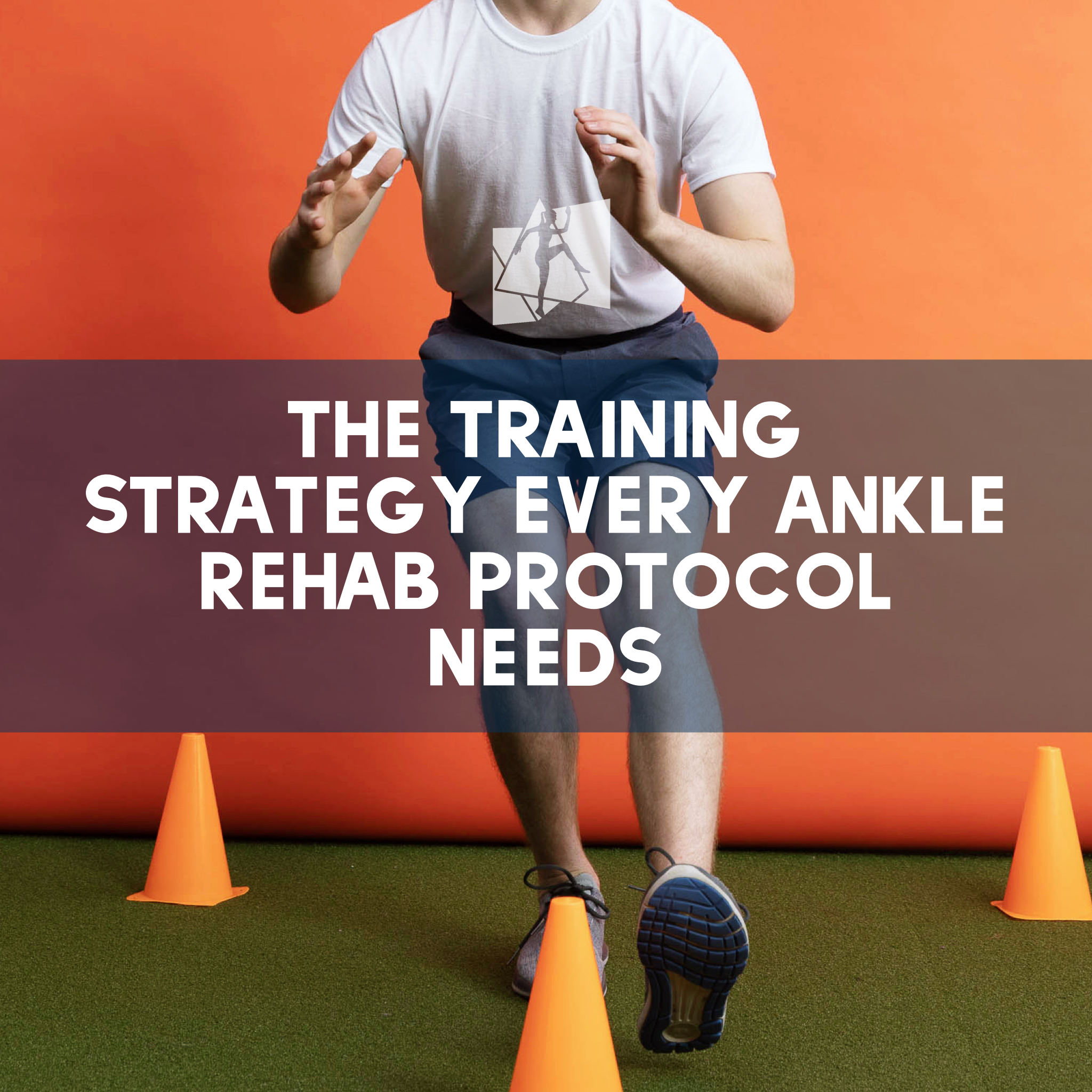
Why all this wacky balance work? Injury doesn’t just impact bony or soft tissues; nerves are often impacted as well. Mechanoreceptors are sensory neurons found within joint capsular tissues, ligaments, tendons, muscles and skin. These cells respond to movement and touch, and contribute to our sense of proprioception, or a sense of where the body is in space. Proprioceptive training programs are effective at reducing the rate of ankle sprains in sporting participants, particularly those with a history of ankle sprain.

After suffering an ankle sprain, it’s important to start the recovery process right away. Read our day zero recommendations and guidelines on how to start your recovery off on the right foot.
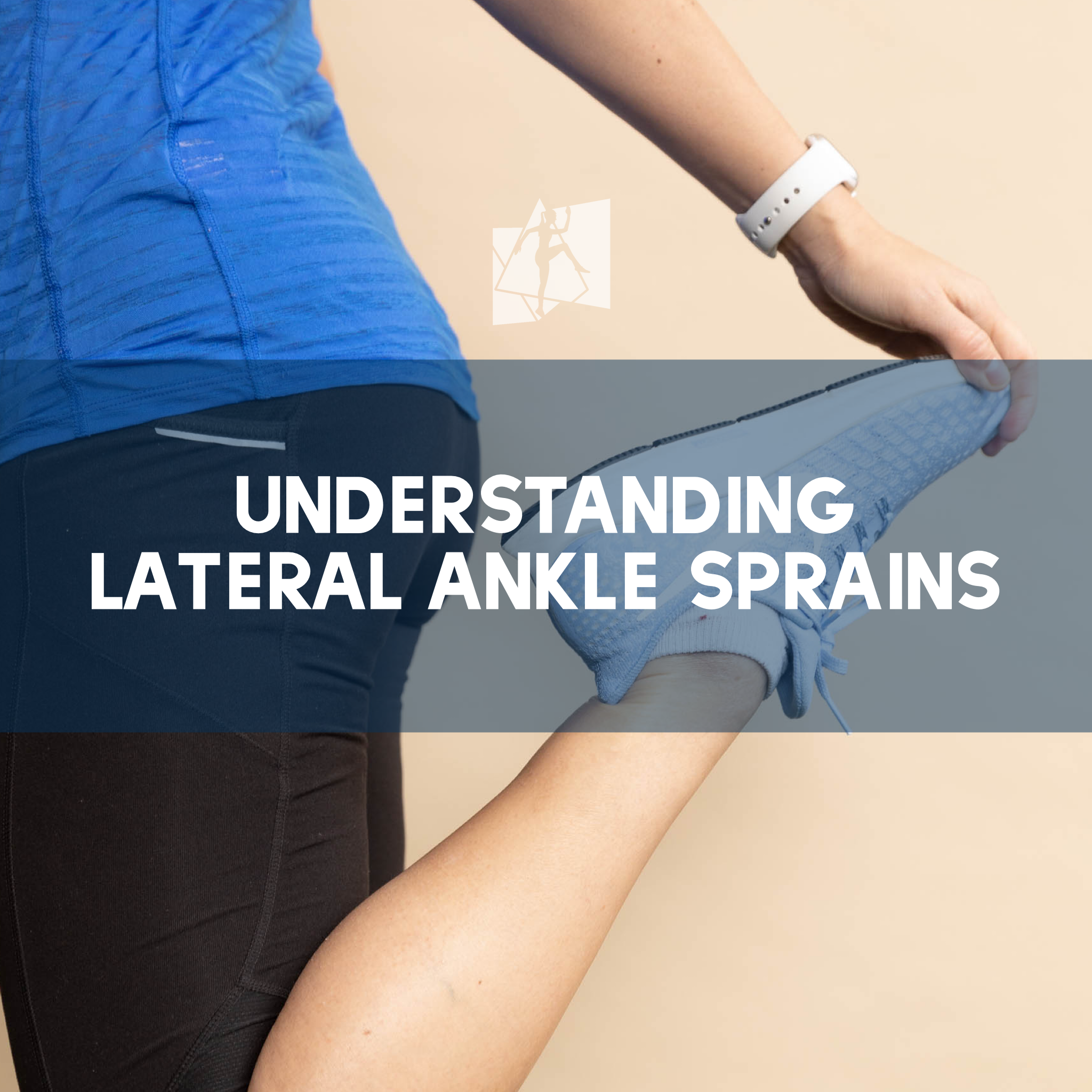
Lateral or inversion ankle sprains are one of the most common ankle injuries. These injuries happen through an excessive inversion mechanism, or when the foot rolls to the outside. Eversion ankle sprains, or when the foot rolls to the inside, are much less common because of the anatomy of the joint; the body is naturally more resilient against this motion.
Setbacks, particularly injuries, suddenly make us realize everything we used to have. Our patients often share feelings of angry, frustration, regret and fear with us during their sessions. They often ask what they should have done, could have done better, to have avoided this outcome. But ultimately, injuries happen, even to the most prepared.
We set big goals around here. When an injury occurs, it can feel like a failure. It’s challenging emotionally to cope with the loss of everything you’ve already invested in this season. For those of you on teams, this adds an extra layer of guilt and distress. Author Steve Magness outlines a plan he calls “How to Lose Productively” that translates to injury recovery.

The question we get most often from prospective patients is “Should I see my doctor?” Let’s break this down!

Tim Grover, the fitness specialist used by Michael Jordan and many elite NBA players, shares his philosophy in Relentless. He is describing the three things he asks of every player: "I don't care how much you can lift, how fast you can run, how many pull-ups you can do, or whether you can hit a three while blindfolded. There are only three things I ask of every client... Show up, work hard, and listen. That's it. It requires no talent, no special genetics, or any skill whatsoever to show up, work hard, and listen.”