

Spring sports ramp up fast — practices lengthen, intensity spikes, and competition schedules fill up. Whether you’re a high school athlete or a weekend warrior, your performance and durability are built long before the first game. In this blog, you’ll find tips for maximizing spring sport performance and the checklist every high school athlete and weekend warrior needs, covering strength, mobility, progressive speed exposure, and recovery strategies to set the stage for a healthy, successful season.
When the weather shifts, so does activity. Spring sports ramp up fast — practices get longer, intensity spikes, and competition schedules stack up quickly.
But here’s the truth:
Injuries don’t spike because spring arrived. They spike because preparation didn’t happen in winter.
Across both high school athletes and adult recreational athletes, research consistently shows the same pattern: early-season overload, overuse accumulation, and inadequate strength or tissue preparation drive injury rates up.
Let’s break it down.
High School Athletes: The Early-Season Risk Is Real
Track & Field
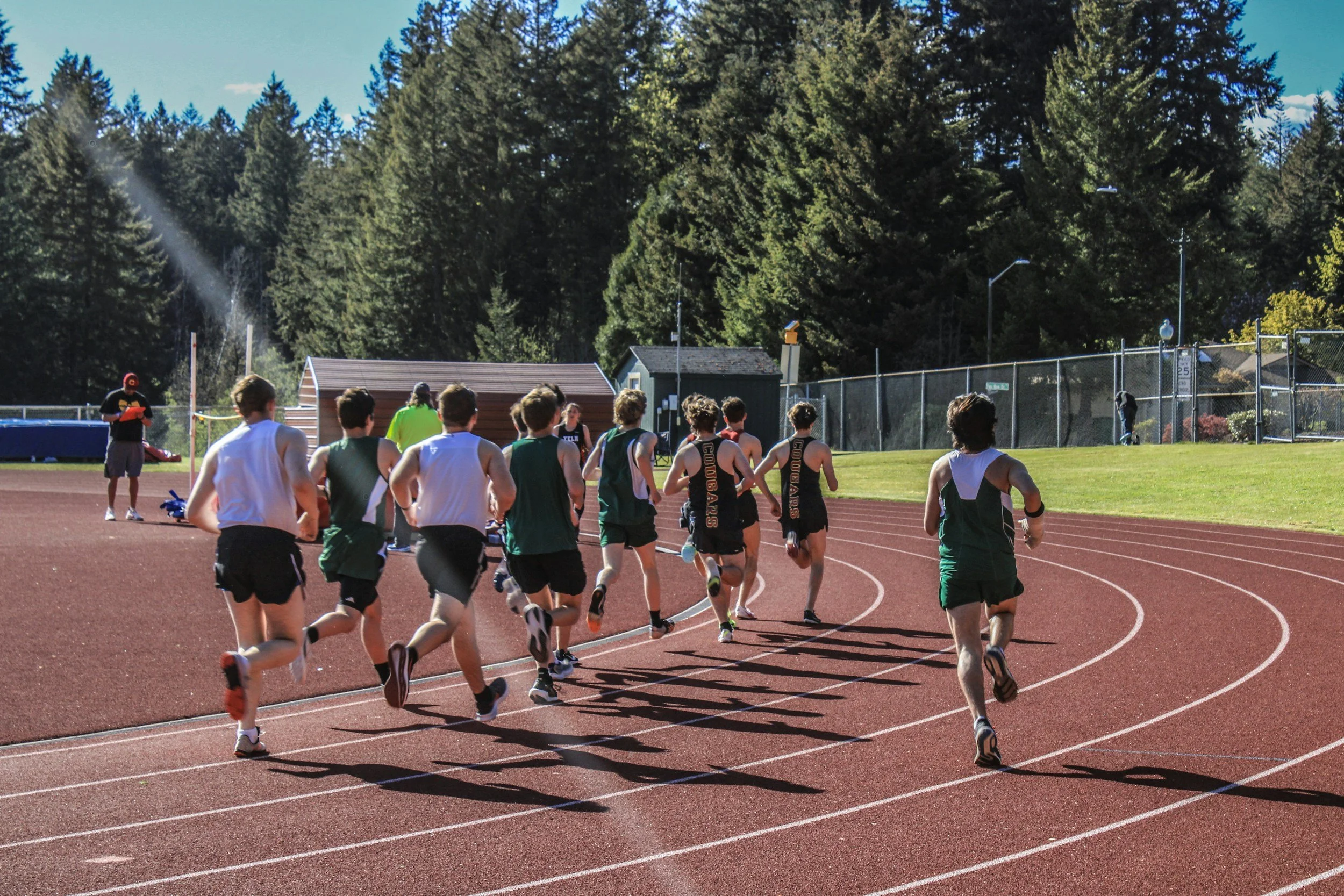
Overall injury rate: 0.84 injuries per 1,000 athlete exposures
Girls experience 37% higher injury rates than boys
Nearly 70% of track athletes sustain at least one injury in season-long studies
Training in spikes + ≥6 hours every two weeks increases injury risk 8-fold
Lower extremity injuries dominate — especially hamstrings, calves, knees, and ankles.
Translation: Winter should focus on posterior chain strength, tendon loading, and progressive speed exposure — not just mileage.
Baseball & Softball
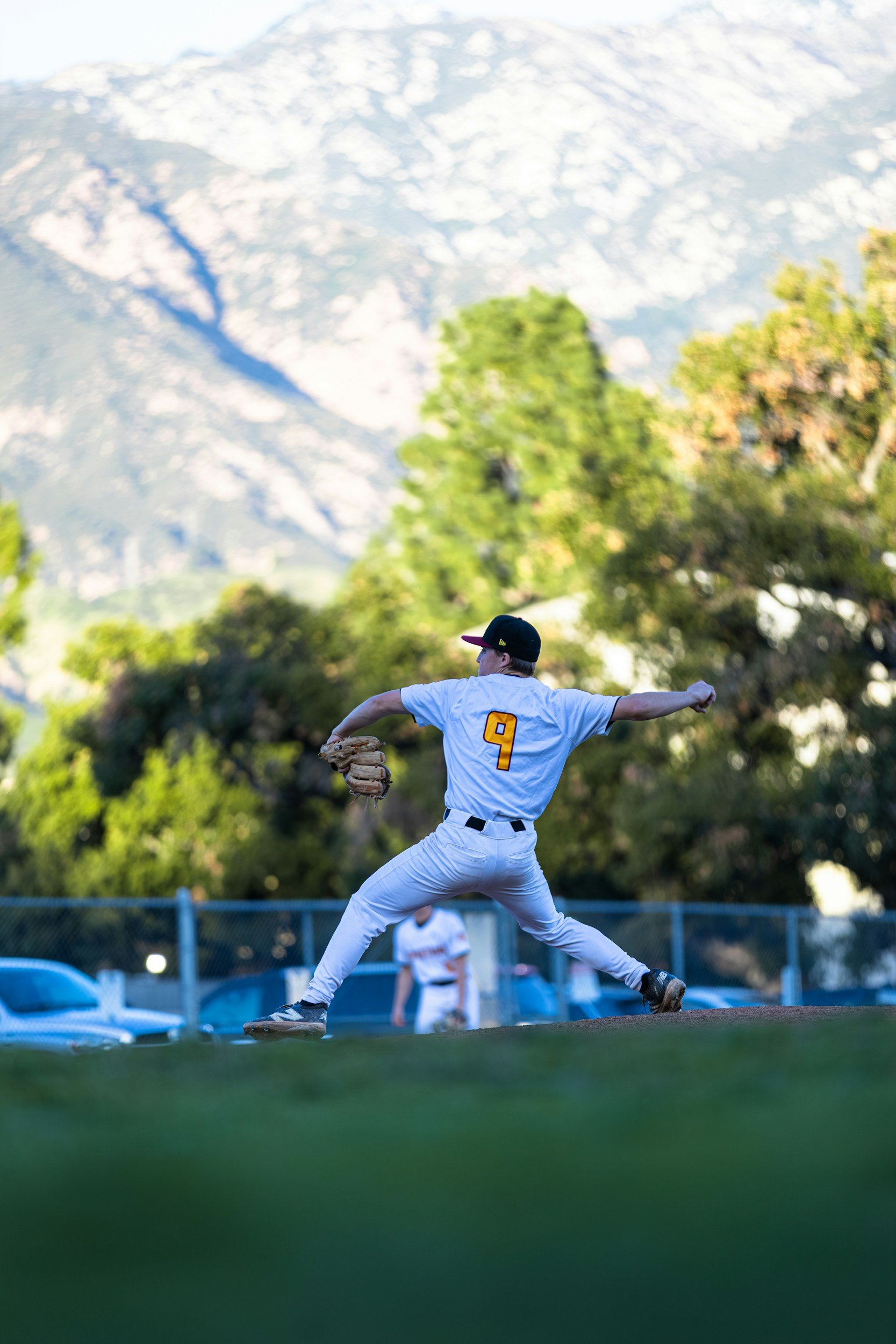
Shoulder and elbow injuries are most common
Pitchers account for nearly 40% of shoulder injuries and 57% of elbow injuries
Injury rates are highest in the first month of the season
Translation: Arm care, scapular strength, and gradual throwing volume must begin in winter — not at the first bullpen.
Tennis (Youth)
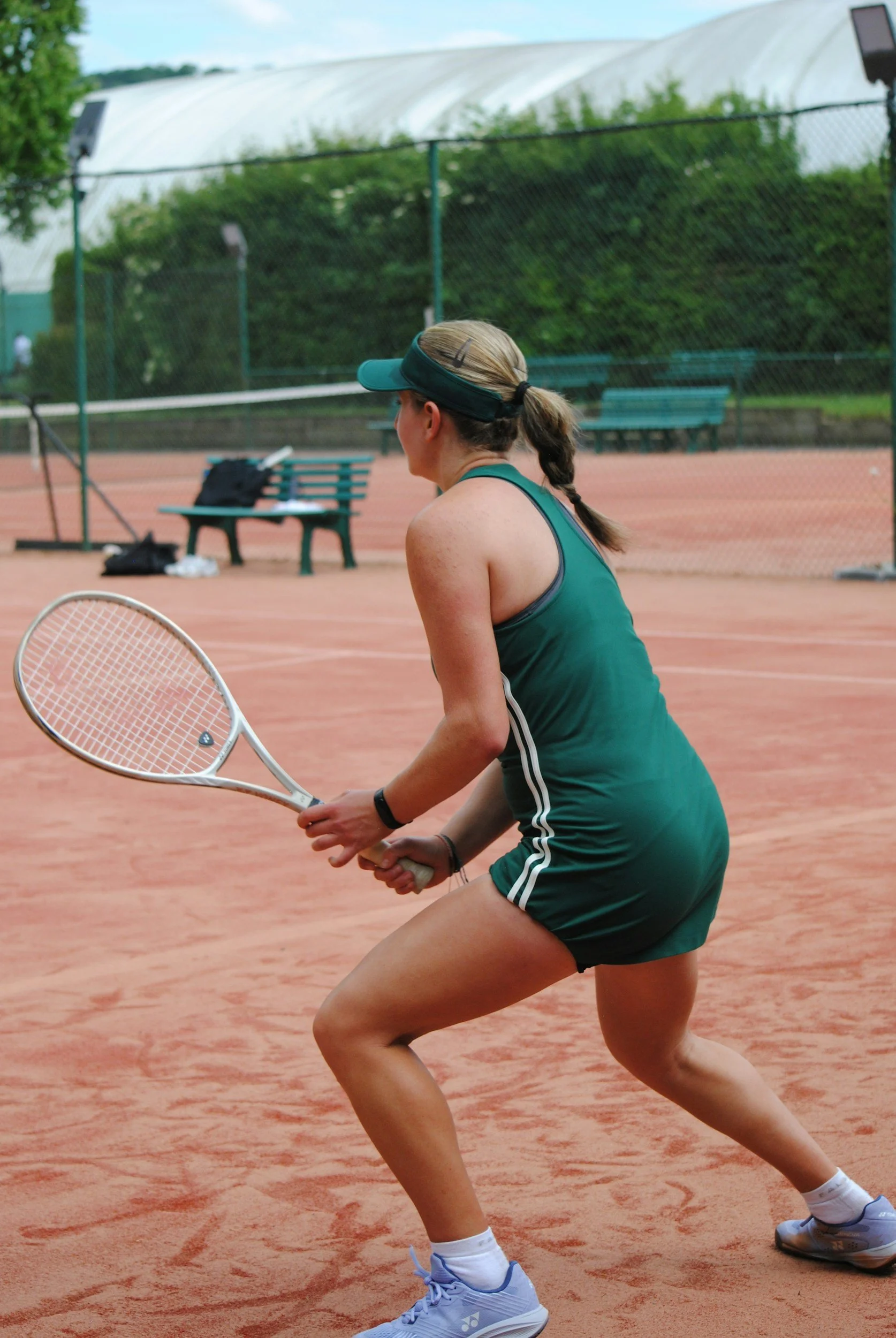
Lower extremity injuries (knee & ankle) are most common
43% of injuries cause >4 weeks missed
Training ≥3x/week or >4.5 hours/week doubles injury risk
Repetitive rotation + quick direction changes stress both lower body and shoulder complex.
Translation: Winter needs rotational strength, landing mechanics, and ankle stability work.
Weekend Warriors: The Spring Surge Problem
Adults face the same issue — compressed preparation and intensity spikes.
Recreational Runners (5K/10K Season)
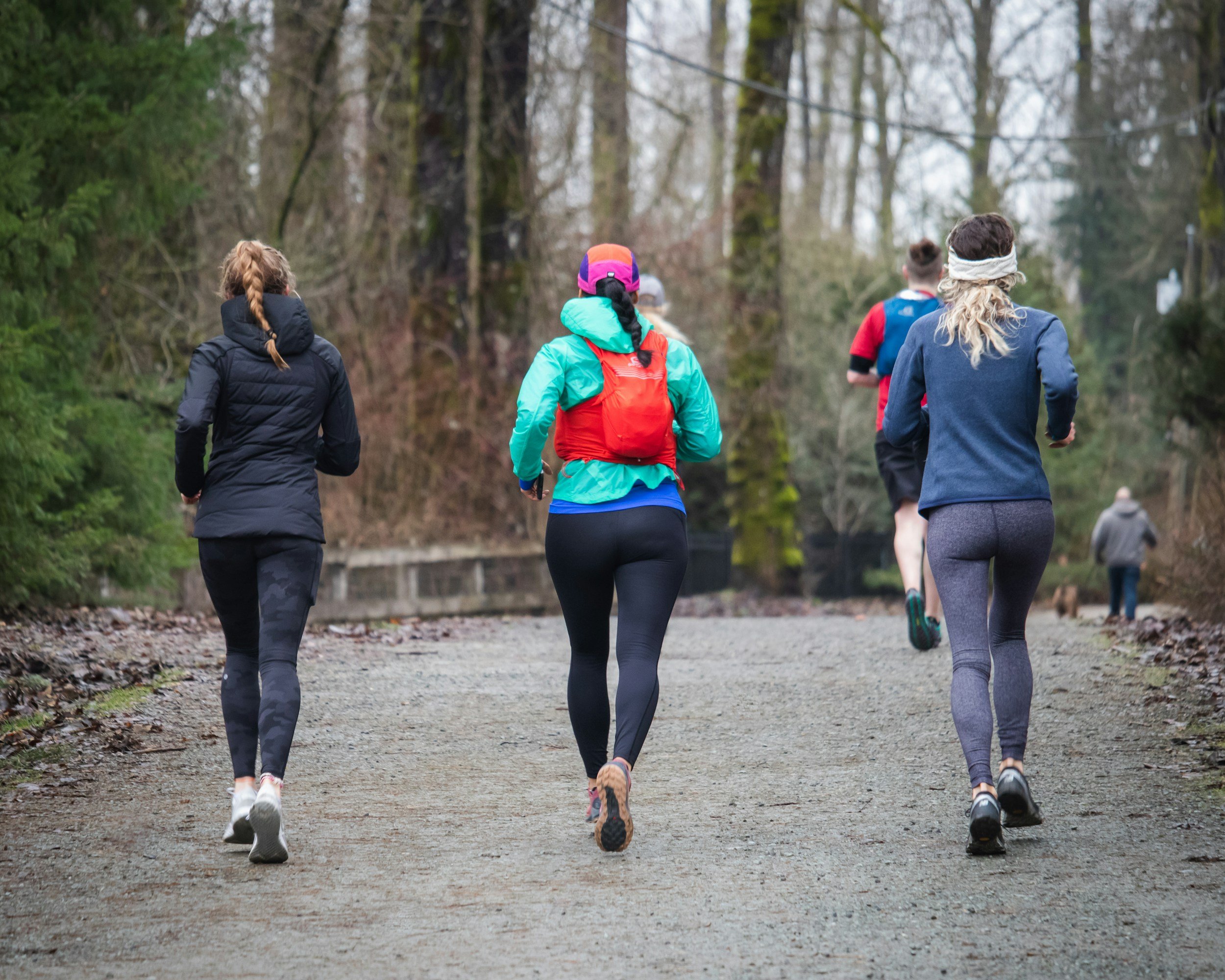
Most common: shin splints, Achilles tendinopathy, patellofemoral pain
Median recovery time: 56 days
Poor sleep, high mileage (>20km/week), and higher bodyweight increase risk
Protective factor?
Foot-core strength training reduces injury risk by 60%.
Translation: Winter is the time to build tissue tolerance gradually — not jump into race mileage.
Adult Recreational Soccer
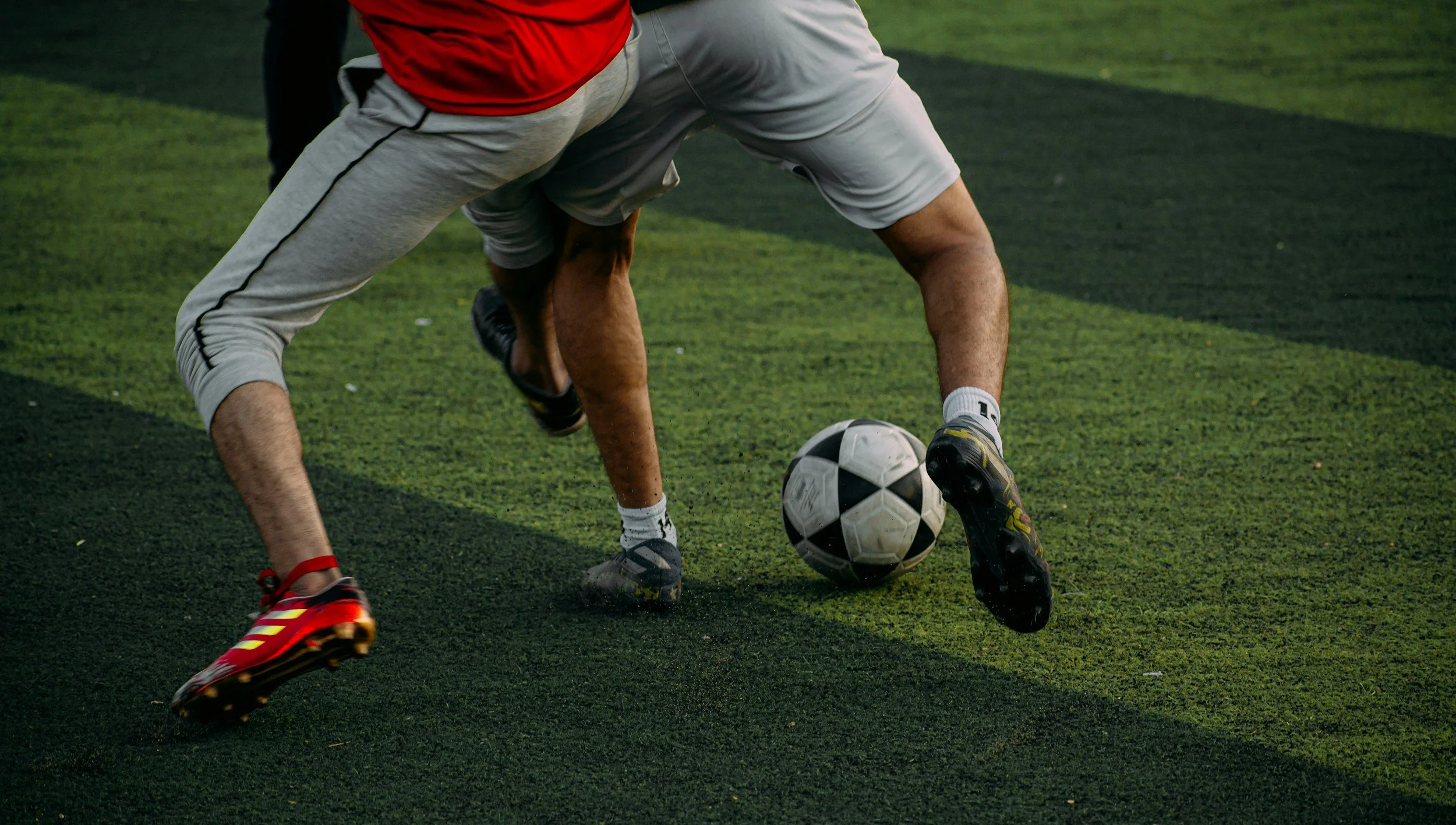
60% sustain at least one time-loss injury per season
Knee (29.9%) and ankle (12.4%) most injured
30% of injuries last >1 month
14% are reinjuries
Contact accounts for over half of injuries — but many ligament injuries stem from poor neuromuscular control.
Translation: Winter should include deceleration drills, landing mechanics, and strength for joint stability.
Pickleball (Especially 50+)
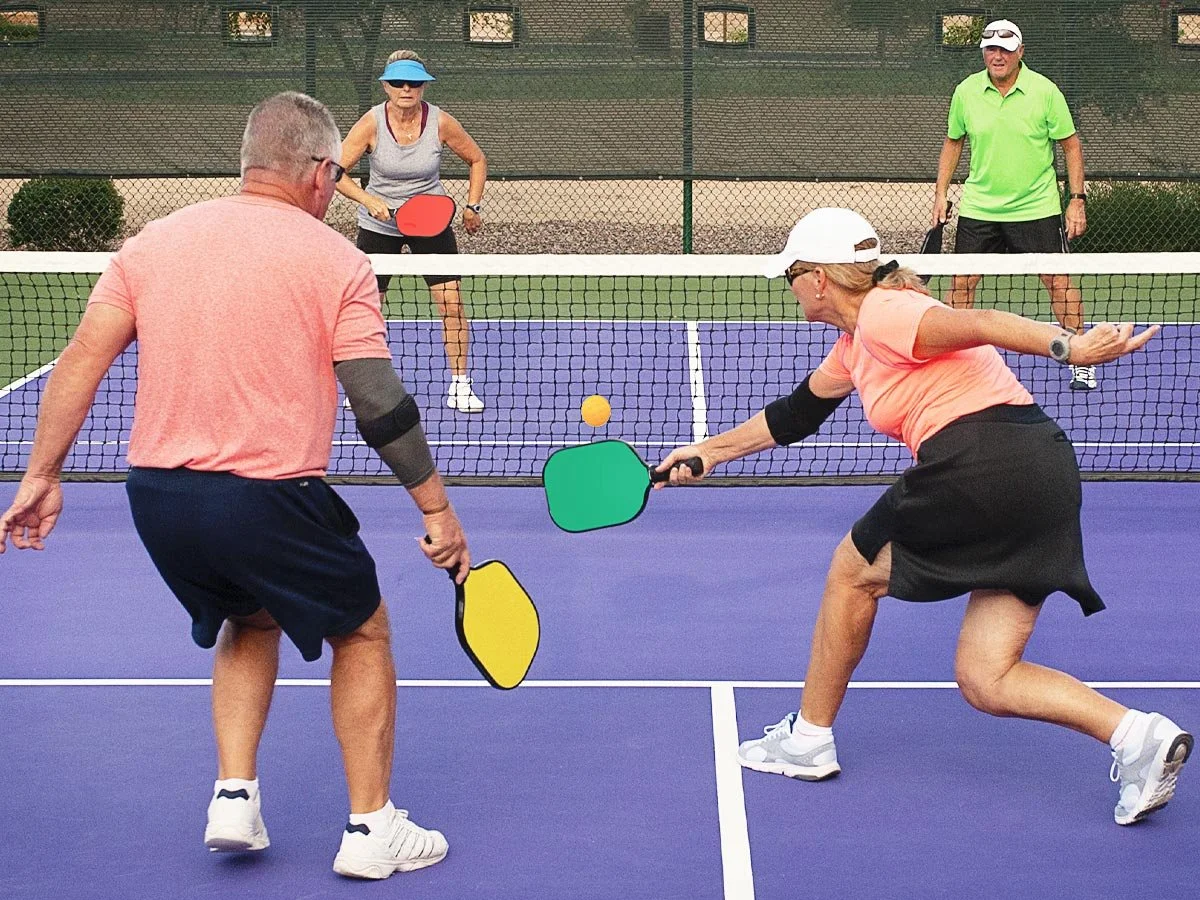
34% of recreational players report injury annually
Knee, elbow, shoulder most common
Achilles ruptures often require surgery
Fracture risk increases after age 60
Interestingly, experience and consistent play reduce injury risk — so if you’re gonna play, maybe don’t make it your annual “dust off the cleats and hope for the best” appearance.
Join a regular group. Your muscles (and your pride) will thank you.
Translation: Winter should emphasize balance, calf strength, and reactive footwork.
Why Winter Matters
The first month of spring season consistently shows the highest injury rates across multiple sports.
That tells us one thing:
The body wasn’t prepared for the demand.
Winter training should:
Build tendon resilience
Increase force production capacity
Improve neuromuscular control
Gradually expose athletes to speed and volume
Preparation reduces the “too much, too soon” spike.
Winter-to-Spring Readiness Checklist
High School Athlete Checklist
Strength
☐ 2–3x/week lower body strength (posterior chain focus)
☐ Single-leg strength work
☐ Core anti-rotation & rotational strength
☐ Arm care program (for overhead athletes)
Mobility
☐ Ankle dorsiflexion mobility
☐ Hip internal rotation
☐ Thoracic rotation
Speed & Conditioning
☐ Gradual sprint exposure (no sudden spikes)
☐ Acceleration + deceleration drills
☐ Progressive volume build
Recovery
☐ 8+ hours sleep
☐ At least 1 rest day/week
☐ Monitor soreness and early pain signals
Weekend Warrior Checklist
Strength
☐ 2x/week resistance training
☐ Calf and Achilles loading
☐ Knee control exercises
☐ Foot-core training (especially runners)
Volume Management
☐ Increase mileage or play time ≤10% per week
☐ Avoid jumping from “zero to league play”
Balance & Stability
☐ Single-leg balance drills
☐ Lateral movement prep
☐ Deceleration mechanics
Lifestyle Factors
☐ Prioritize sleep
☐ Manage stress
☐ Address lingering injuries before season start
Final Takeaway
Spring performance is built in winter.
Whether you're a high school sprinter, a pitcher, a tennis athlete — or a 42-year-old signing up for a 10K — the research says the same thing:
Preparation determines durability.
Train smart now.
Load gradually.
Build tissue capacity before demand spikes.
Because the goal isn’t just starting the season.
It’s finishing it healthy.
References
Epidemiology of Injuries in United States High School Track and Field: 2008-2009 Through 2013-2014. Pierpoint LA, Williams CM, Fields SK, Comstock RD. The American Journal of Sports Medicine. 2016;44(6):1463-8. doi:10.1177/0363546516629950.
Prevalence, Incidence and Characteristics of Musculoskeletal Injuries in Athletics (Track and Field): A Systematic Review and Meta-Analysis. Edouard P, Tsukahara Y, Mann RH, et al. British Journal of Sports Medicine. 2026;:bjsports-2025-110541. doi:10.1136/bjsports-2025-110541.
Epidemiology of Overuse Injuries in US Secondary School Athletics From 2014-2015 to 2018-2019 Using the National Athletic Treatment, Injury and Outcomes Network Surveillance Program. Post EG, Simon JE, Robison H, Morris SN, Bell DR. Journal of Athletic Training. 2022;57(5):510-516. doi:10.4085/1062-6050-600-20.
Training in Spikes and Number of Training Hours Correlate to Injury Incidence in Youth Athletics (Track and Field): A Prospective 52-Week Study. Ek A, Kowalski J, Jacobsson J. Journal of Science and Medicine in Sport. 2022;25(2):122-128. doi:10.1016/j.jsams.2021.09.006.
Shoulder Injuries in US High School Baseball and Softball Athletes, 2005-2008. Krajnik S, Fogarty KJ, Yard EE, Comstock RD. Pediatrics. 2010;125(3):497-501. doi:10.1542/peds.2009-0961.
Epidemiological Features of High School Baseball Injuries in the United States, 2005-2007. Collins CL, Comstock RD. Pediatrics. 2008;121(6):1181-7. doi:10.1542/peds.2007-2572.
Epidemiology of Shoulder and Elbow Injuries Among United States High School Baseball Players: School Years 2005-2006 Through 2014-2015. Saper MG, Pierpoint LA, Liu W, et al. The American Journal of Sports Medicine. 2018;46(1):37-43. doi:10.1177/0363546517734172.
Incidence of Injuries in High School Softball and Baseball Players. Shanley E, Rauh MJ, Michener LA, Ellenbecker TS. Journal of Athletic Training. 2011 Nov-Dec;46(6):648-54. doi:10.4085/1062-6050-46.6.648.
Epidemiological Analysis of Pediatric Baseball and Softball Concussions in United States Emergency Departments. Abed V, Hawk GS, Conley C, Akarakian R, Stone AV. The American Journal of Emergency Medicine. 2023;69:143-146. doi:10.1016/j.ajem.2023.04.025.
Injury Profile in Junior Tennis Players: A Prospective Two Year Study. Hjelm N, Werner S, Renstrom P. Knee Surgery, Sports Traumatology, Arthroscopy : Official Journal of the ESSKA. 2010;18(6):845-50. doi:10.1007/s00167-010-1094-4.
Racket Sports-Related Injuries in Youth Athletes: A Narrative Review. Shrestha M, Usmani A, Karlov S, Harris A, Patel DR. International Journal of Environmental Research and Public Health. 2026;23(1):135. doi:10.3390/ijerph23010135.
Epidemiology of Musculoskeletal Injuries in Tennis Players: Risk Factors. Minghelli B, Cadete J. The Journal of Sports Medicine and Physical Fitness. 2019;59(12):2045-2052. doi:10.23736/S0022-4707.19.09842-6.
Diagnoses and Time to Recovery Among Injured Recreational Runners in the RUN CLEVER Trial. Mulvad B, Nielsen RO, Lind M, Ramskov D. PloS One. 2018;13(10):e0204742. doi:10.1371/journal.pone.0204742.
Factors Associated With Lower Limb Injuries in Recreational Runners: A Cross-Sectional Survey Including Mental Aspects and Sleep Quality. Mousavi SH, Hijmans JM, Minoonejad H, Rajabi R, Zwerver J. Journal of Sports Science & Medicine. 2021;20(2):204-215. doi:10.52082/jssm.2021.204.
Predictive Effect of Well-Known Risk Factors and Foot-Core Training in Lower Limb Running-Related Injuries in Recreational Runners: A Secondary Analysis of a Randomized Controlled Trial. Suda EY, Watari R, Matias AB, Taddei UT, Sacco ICN. The American Journal of Sports Medicine. 2022;50(1):248-254. doi:10.1177/03635465211056329.
Running With Injury: A Study of UK Novice and Recreational Runners and Factors Associated With Running Related Injury. Linton L, Valentin S. Journal of Science and Medicine in Sport. 2018;21(12):1221-1225. doi:10.1016/j.jsams.2018.05.021.
Injuries Among Spanish Male Amateur Soccer Players: A Retrospective Population Study. Herrero H, Salinero JJ, Del Coso J. The American Journal of Sports Medicine. 2014;42(1):78-85. doi:10.1177/0363546513507767.
Soccer Injuries and Recovery in Dutch Male Amateur Soccer Players: Results of a Prospective Cohort Study. van Beijsterveldt AM, Steffen K, Stubbe JH, et al. Clinical Journal of Sport Medicine : Official Journal of the Canadian Academy of Sport Medicine. 2014;24(4):337-42. doi:10.1097/JSM.0000000000000028.
Injuries in Formal and Informal Non-Professional Soccer - An Overview of Injury Context, Causes, and Characteristics. Gebert A, Gerber M, Pühse U, et al. European Journal of Sport Science. 2018;18(8):1168-1176. doi:10.1080/17461391.2018.1475507.
The Perils of Pickleball: A Two Decade Analysis of Upper and Lower Extremity Injuries From America's Fastest Growing Sport. Boroumand S, Park N, Katsnelson B, et al. Journal of Sports Sciences. 2025;43(14):1378-1385. doi:10.1080/02640414.2025.2496089.
Pickleball-Related Injuries Treated in Emergency Departments. Forrester MB. The Journal of Emergency Medicine. 2020;58(2):275-279. doi:10.1016/j.jemermed.2019.09.016.
Injury Risk and Epidemiology of Pickleball Players in South Korea: A Cross-Sectional Study. Jeong B, Lee KJ, Nam SH, et al. Frontiers in Public Health. 2025;13:1617291. doi:10.3389/fpubh.2025.1617291.
Pickleball: A Standard Review of Injury Prevalence and Prevention in a Rapidly Growing Sport. Azar FM, Lamplot JD, Bernholt DL, Spence DD. The Journal of the American Academy of Orthopaedic Surgeons. 2024;32(22):e1130-e1141. doi:10.5435/JAAOS-D-24-00151.
As Pickleball Continues to Gain Players, Injuries Are Increasing. Rodgers L. JAMA. 2025;:2840448. doi:10.1001/jama.2025.18833.
Emerging Patterns of Foot and Ankle Injuries in Pickleball Players: A Short Report. Kingston K, Parker EB, Higgins A, Smith JT. Foot & Ankle International. 2024;45(11):1266-1269. doi:10.1177/10711007241271215.
Common Sports Injuries in Young Tennis Players. Bylak J, Hutchinson MR. Sports Medicine (Auckland, N.Z.). 1998;26(2):119-32. doi:10.2165/00007256-199826020-00005.