Physical TheraPT

Rehabilitation

Returning to Play for High School Athletes: Part 1

Ever watch your star player go down with a knee injury, see a shoulder pop out during a tackle, or witness an ankle roll on the court? These moments are gut-wrenching for athletes, parents, and coaches alike. But here's the good news: most high school athletes can successfully return to their sport after these common injuries — if they follow the right roadmap for physical recovery.

Let's break down what it takes to get physically cleared for return to play after an ACL tear, shoulder dislocation, or ankle sprain.


The ACL Injury: A Marathon, Not a Sprint

An ACL tear is one of the most feared injuries in youth sports, and for good reason. Nearly a quarter of a million ACL injuries occur annually in the US and Canada, with rates in high school athletes reaching 5.5 per 100,000 athlete exposures. But here's what many don't realize: getting back on the field isn't just about healing — it's about meeting specific physical benchmarks.

The minimum timeline is 9 months from surgery, and that's not arbitrary. Your body needs time for the graft to incorporate biologically, and rushing back increases reinjury risk dramatically. In fact, athletes who returned before 9 months had significantly higher rates of reinjury compared to those who waited.

But time alone isn't enough. Athletes must achieve at least 90% limb symmetry index (LSI) for both quadriceps strength and hop testing before getting cleared for competition. This means the injured leg needs to perform at 90% or better compared to the uninjured leg. Athletes who met these criteria had a reinjury rate of just 4.5% within 2 years, compared to 33% in those who didn't meet the criteria.

The recovery follows a structured, mulit-phase approach:

  • Early phase (weeks 0-6): Focus on reducing swelling, restoring range of motion to 0-115 degrees, and achieving 60% quadriceps strength symmetry

  • Intermediate phase (weeks 7-9): Progress to 70% strength symmetry with full, symmetrical range of motion

  • Late phase (weeks 10-16): Reach 75-80% strength symmetry and begin running when you hit 80% and can demonstrate single leg squats, step downs and hops with good mechanics

  • Transitional phase (months 4-6): Introduce jumping, sprinting, and agility drills at 85% strength symmetry

  • Return-to-sport phase (months 6-12): Sport-specific training with final clearance requiring 90% symmetry, no pain or swelling, and adequate confidence levels

Here's the reality check: only 40-55% of athletes return to their pre-injury activity level after ACL reconstruction. Even among highly motivated European professional soccer players with excellent resources, only 65% returned to their previous level. This isn't meant to discourage — it's meant to emphasize the importance of working with a sports physical therapist and following a comprehensive plan.


Shoulder Dislocations: High Risk, But Quick Recovery Possible

The shoulder is the most commonly dislocated joint in the body, and it usually dislocates anteriorly (toward the front). For high school athletes, especially those in contact and collision sports, this injury comes with a sobering statistic: recurrence rates can reach up to 90% in active patients younger than 25 years.

But here's where shoulder dislocations differ from ACL injuries: return to play can happen as early as 2-3 weeks after injury for athletes who are pain-free, have symmetrical shoulder range of motion, and can perform sport-specific motions. Some athletes with recurrent dislocations who experience easy relocation, minimal pain, full range of motion, and protective strength may even return the same day.

The treatment approach depends on several factors:

Immediate management:

  • Attempted relocation on the field before muscle spasm develops

  • Neurovascular assessment before and after reduction

  • Immobilization and pain management after successful reduction

  • Post-reduction radiographs after first-time dislocation

Recovery protocol:

  • Sling use for 2-4 weeks for comfort (though current evidence doesn't mandate a specific duration)

  • Graduated rehabilitation focusing on passive and active range of motion

  • Physical therapy addressing joint range of motion, scapular control, rotator cuff strength, and sport-specific conditioning

Surgical considerations: Surgery should be considered for first-time dislocations in active patients under 25 due to the extremely high recurrence rate, or when there are complications like large bony defects.

Interestingly, research on high school athletes shows that 85% of those treated nonoperatively successfully returned to their sport and completed at least one full season without additional injury. Athletes with subluxations (partial dislocations) fared even better, with an 89% success rate compared to 26% for complete dislocations.


Ankle Sprains: The Most Common Culprit

Ankle sprains are the most common foot-ankle and sports-related injury for which people seek medical care. Four in every 10 first-time ankle sprains occur during sports participation. The good news? Most athletes bounce back quickly.!

High school athletes have a 75% chance of returning to sport within 3 days after a first-time , Grade I ankle sprain, and a 95% chance within 10 days. In college athletics, 44.4% of athletes returned to play in less than 24 hours. However, more severe Grade II and III sprains involving multiple ligaments can sideline athletes for more than 3 weeks.

The key to successful return involves addressing five critical domains — the PAASS framework:

  • Pain: Both during sport participation and over the last 24 hours

  • Ankle impairments: Range of motion, muscle strength, endurance, and power

  • Athlete perception: Confidence, reassurance, stability, and psychological readiness

  • Sensorimotor control: Proprioception and dynamic postural control/balance

  • Sport/functional performance: Hopping, jumping, agility, sport-specific drills, and ability to complete a full training session

Supervised exercise programs addressing strength, coordination, proprioception, and functional deficits lead to faster return to sports. Evidence also supports the use of compression stockings and anteroposterior ankle joint mobilization for quicker recovery.

General return-to-work and sport guidelines suggest:

  • Return to sedentary work: 2-6 weeks following injury

  • Return to physical occupations and sports: 6-8 weeks

These timelines should be adjusted based on injury severity, rehabilitation response, and specific task requirements. Working with a sports medicine clinician will be key for determining optimal readiness.


TOOLS FOR BUILDING CONFIDENCE

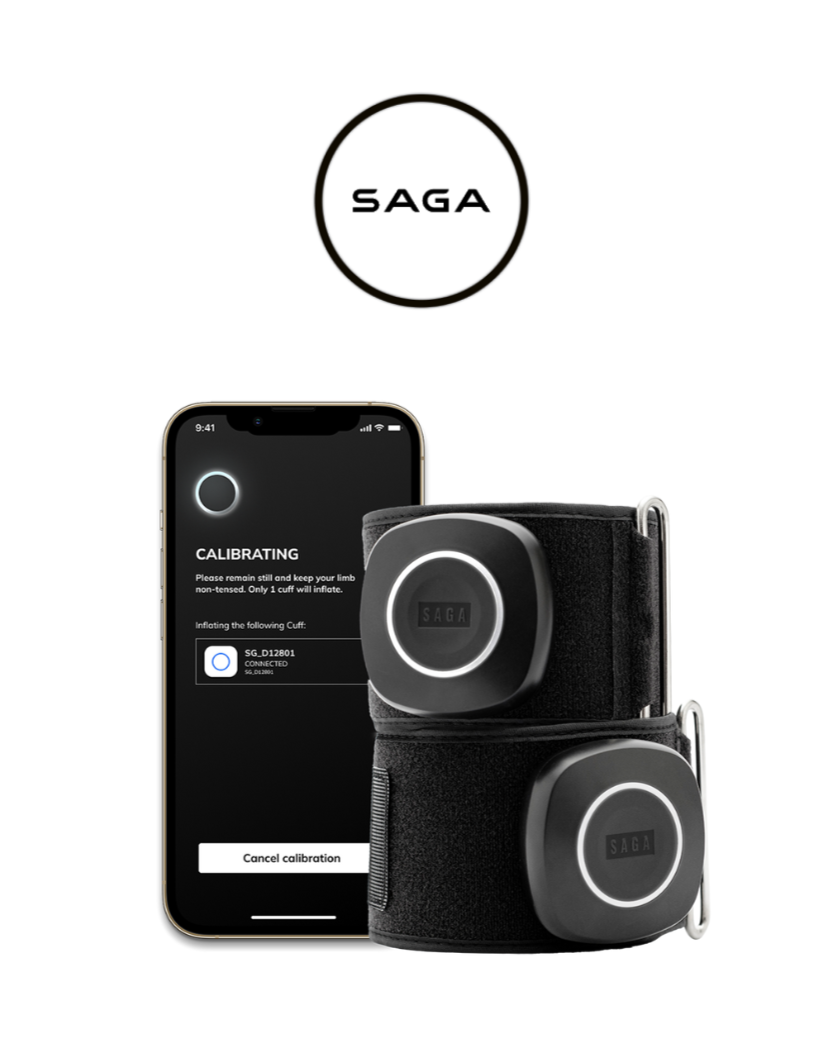
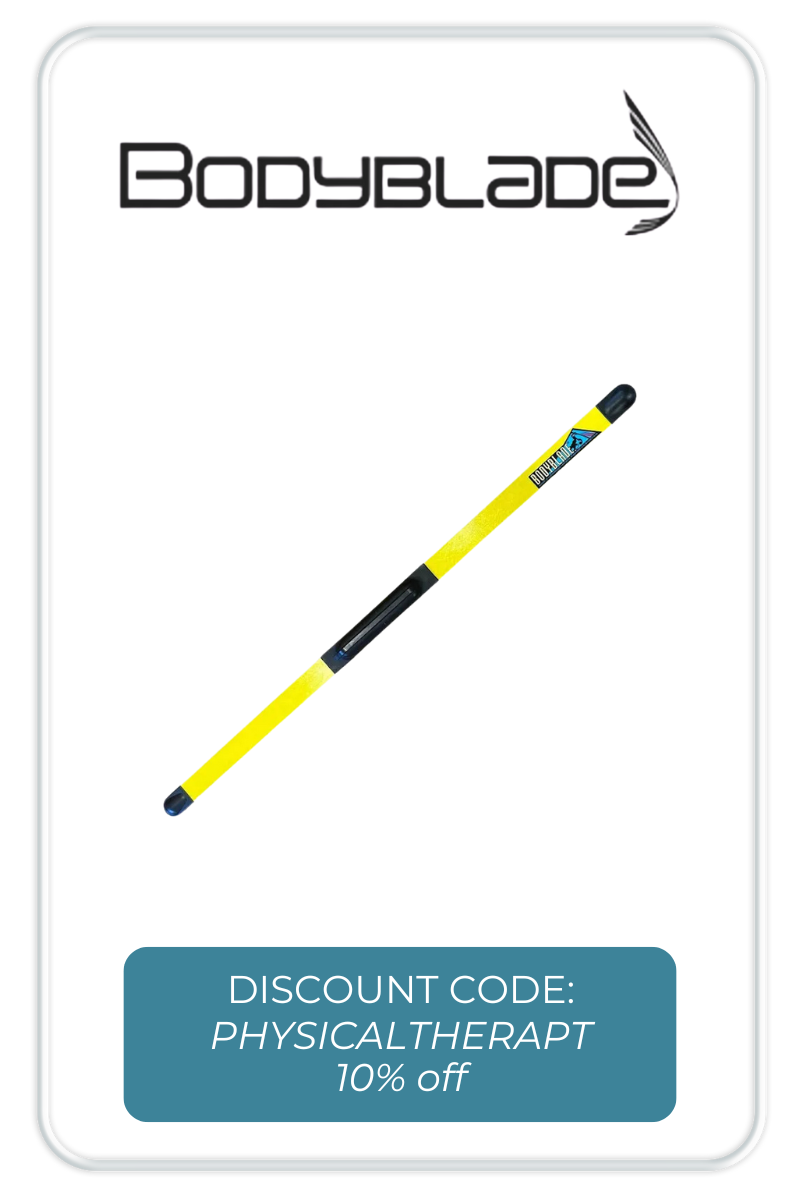
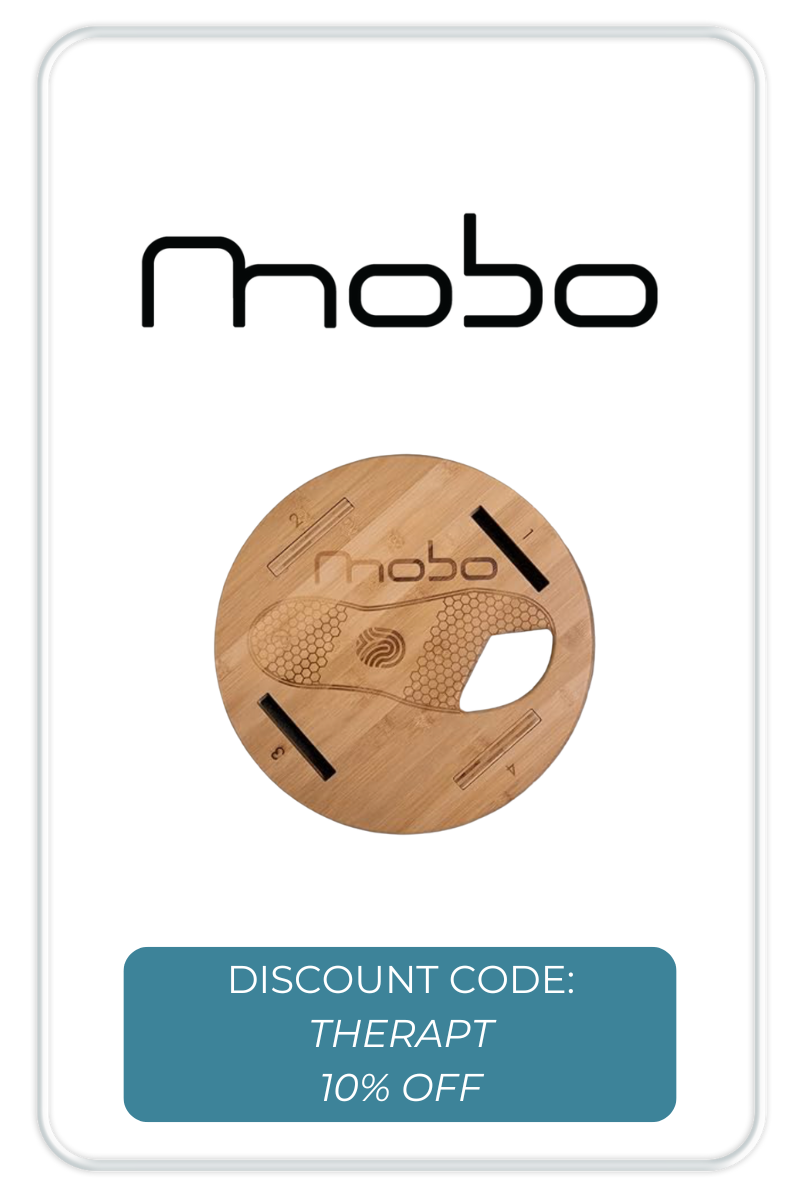
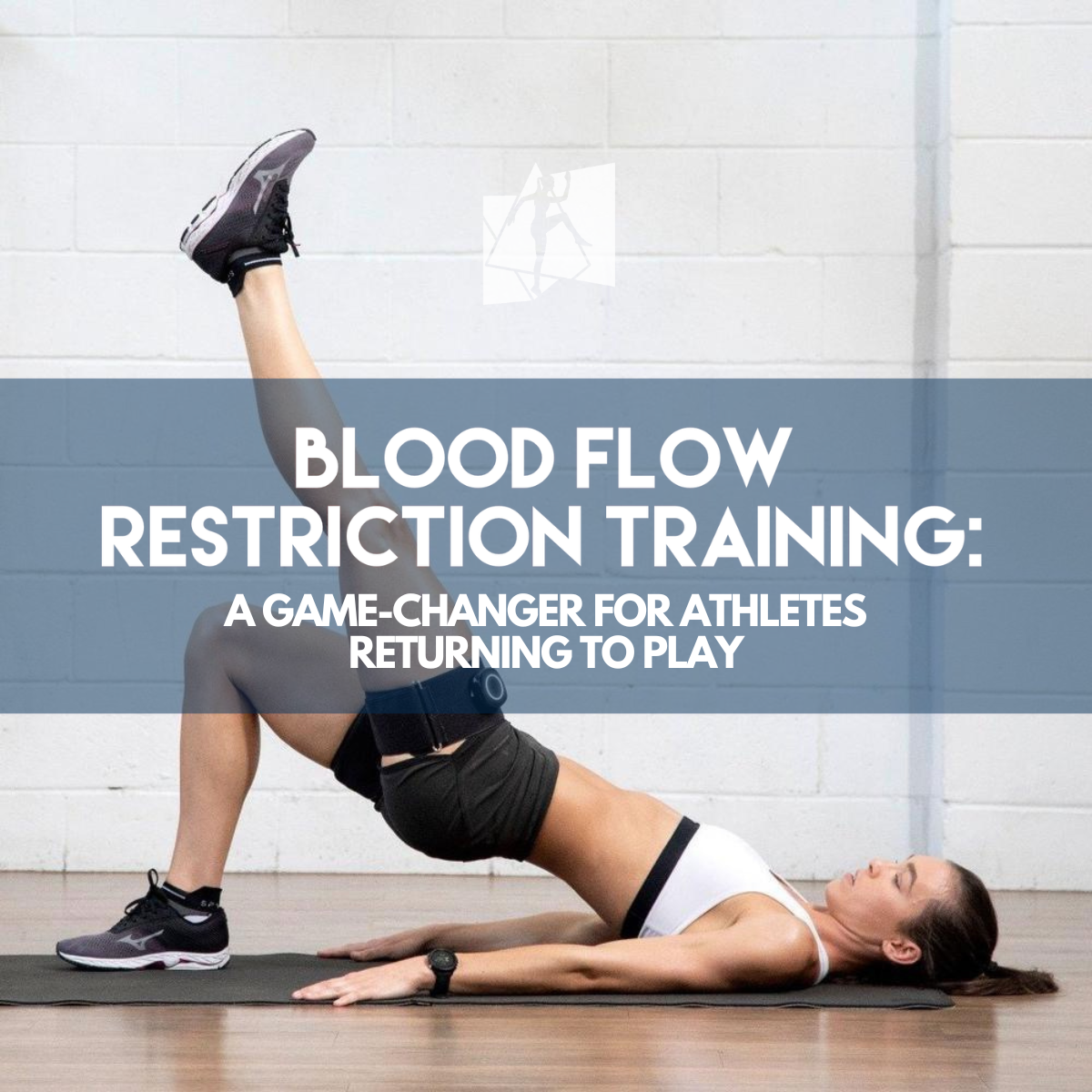
Resistance bands, balance pads and boards, and BFR cuffs are a few of the essential tools in rehabilitation. Resistance bands safely build strength, balance pads enhance coordination and stability, and BFR cuffs accelerate recovery through low-load training.

Below are our top 5 recommended products to use as a recovering athlete.


Click the image to shop on Amazon through our affiliate links and access possible discounts!


The Bottom Line

Physical clearance for return to play isn't one-size-fits-all. ACL injuries require the longest recovery with the most stringent criteria — minimum 9 months and 90% strength symmetry. Shoulder dislocations can allow quicker return (2-3 weeks) but carry high recurrence risk in young athletes. Ankle sprains typically resolve fastest, with most athletes back within days to weeks.

The common thread? Meeting objective physical criteria matters more than arbitrary timelines. Pain-free movement, symmetrical strength, full range of motion, and sport-specific performance capabilities aren't just checkboxes — they're your best insurance against reinjury.

In Part 2, we'll explore the mental side of return to play — because as we've learned, physical readiness is only half the battle.


References

Massage Vs. Physical Therapy: Choosing The Right Path

If you've ever pulled a muscle, twisted your knee, or found yourself dealing with persistent aches and pains, you might have wondered: Should I go see a massage therapist or book an appointment with a physical therapist?

It’s a common question—and a good one. While both massage and physical therapy (PT) are both key for treating pain and promoting recovery, they also serve different purposes and are often most effective when used together.

Let’s explore how each one works, when to choose one over the other, and why the smartest choice might be both.

Massage Therapy: A First Line of Care

Massage therapy is often a great place to start after an injury or when you're experiencing pain, tension, or swelling. Think of it as the “first responder” for soft tissue issues—like muscle strains, tension headaches, or post-exercise soreness.

Massage therapy works by:

  • Reducing pain and muscle guarding through stimulation of pressure receptors and pain-modulating pathways (Moraska et al., 2021).

  • Decreasing swelling by improving lymphatic flow and local circulation.

  • Increasing blood flow to promote tissue healing and deliver nutrients to damaged areas.

  • Improving tissue quality, including flexibility and pliability of muscles and fascia.

This makes massage especially useful in the acute phase of healing—when inflammation is high, movement is painful, and the goal is simply to help the body settle and start repairing itself.

In many ways, massage prepares the body for what comes next: more active rehabilitation.

Massage also activates the parasympathetic nervous system, promoting relaxation and reducing the body's stress response—an often-overlooked but critical part of healing (Field, 2014). This calming effect can make it easier for patients to move, breathe, and rest, all of which are essential for recovery.

Physical Therapy: Building Long-Term Resilience

While massage is excellent for reducing symptoms, physical therapy focuses on correcting the underlying root causes of pain and dysfunction. Working with a PT becomes especially important when you’re ready to restore movement, rebuild strength, and prevent the problem from coming back.

Physical therapists are trained to:

  • Perform functional and sport-specific movement analysis to identify dysfunctions or imbalances.

  • Restore mobility and function through manual therapy to optimize biomechanics and movement.

  • Strengthen weak or inhibited muscles that may be contributing to pain or poor alignment and limited function.

  • Improve proprioception, which is your body's awareness of where it is in space—a crucial skill after injury or surgery (Han et al., 2016).

  • Develop and implement customized exercise plans to retrain the body and improve athletic capacity.

While physical therapists utilize manual therapy techniques and modalities to treat swelling and pain, their primary goal is long-term functional recovery and return to sport. That means helping you move better—not just feel better.

PT helps you build the strength and coordination to stay healthy, not just get healthy.

For example, if you’ve sprained your ankle, massage may help with the initial swelling and stiffness. But PT will help you restore your balance, retrain your gait, and strengthen your ankle to reduce the chance of reinjury.

Better Together: How Massage and PT Complement Each Other

Rather than choosing between massage and physical therapy, the real secret is knowing how they work in tandem.

Massage can:

  • Relax tight muscles before a PT session, allowing for better movement.

  • Help reduce soreness and inflammation after exercise or manual therapy.

  • Improve tissue extensibility, making stretching and strengthening more effective.

Physical therapy can:

  • Address the biomechanical issues causing pain or tightness in the first place.

  • Reinforce the gains made through massage with strengthening and motor control exercises.

  • Guide patients through functional movements to improve long-term outcomes.

Research supports this complementary approach. A 2016 study found that combining manual therapy (including massage techniques) with exercise led to better outcomes for low back pain compared to either intervention alone (Wegner et al., 2013). In other words, you get more value from both when they’re used together.

Final Thoughts: Two Tools, One Goal—Your Recovery

When you're in pain or recovering from an injury, it’s easy to look for one solution. But healing is rarely a straight line—and no single approach has all the answers.

Massage therapy and physical therapy each bring unique strengths to the table. Massage helps soothe the body, reduce pain, and restore tissue health. Physical therapy helps correct movement, build strength, and prevent future problems.

Used together, they offer a more complete path to healing. So if you’re wondering whether to book that massage or start PT, the answer might be: both—at the right time, in the right order, and with the right goals.

References

  • Field, T. (2014). Massage therapy research review. Complementary Therapies in Clinical Practice, 20(4), 224–229.

  • Han, J., Waddington, G., Adams, R., Anson, J., & Liu, Y. (2016). Assessing proprioception: A critical review of methods. Journal of Sport and Health Science, 5(1), 80–90.

  • Moraska, A. F., Chandler, C., Edmiston-Schaetzel, A., Franklin, G., Calenda, E. L., & Rice, K. (2021). Massage therapy for pain and function in patients with chronic low back pain: A systematic review and meta-analysis. Pain Medicine, 22(4), 842–854.

  • Wegner, A., Widyahening, I. S., van Tulder, M. W., Blomberg, S., de Vet, H. C. W., & Brønfort, G. (2013). Traction for low-back pain with or without sciatica. Cochrane Database of Systematic Reviews, (8).

A Well Balanced Workout

Why all this wacky balance work? Injury doesn’t just impact bony or soft tissues; nerves are often impacted as well. Mechanoreceptors are sensory neurons found within joint capsular tissues, ligaments, tendons, muscles and skin. These cells respond to movement and touch, and contribute to our sense of proprioception, or a sense of where the body is in space. Proprioceptive training programs are effective at reducing the rate of ankle sprains in sporting participants, particularly those with a history of ankle sprain.

The Lateral Ankle Sprain

Lateral or inversion ankle sprains are one of the most common ankle injuries. These injuries happen through an excessive inversion mechanism, or when the foot rolls to the outside. Eversion ankle sprains, or when the foot rolls to the inside, are much less common because of the anatomy of the joint; the body is naturally more resilient against this motion.