Physical TheraPT

Evidence Based PT

The Rehab Hack Pro Athletes Swear By

“You need to rest after an injury.”  While in general this advice is true, what if there was a way to rebuild or at the very least maintain your muscle after an injury?  A way to put a healthy amount of stress through your tissues that allows you to return to the field quicker?

You may think this is a cheat code, or “bio-hacking” but in truth it’s simpler than that.  It is the secret that is used in professional athlete training rooms across the globe - Blood Flow Restriction Training (BFR).


What is BFR?

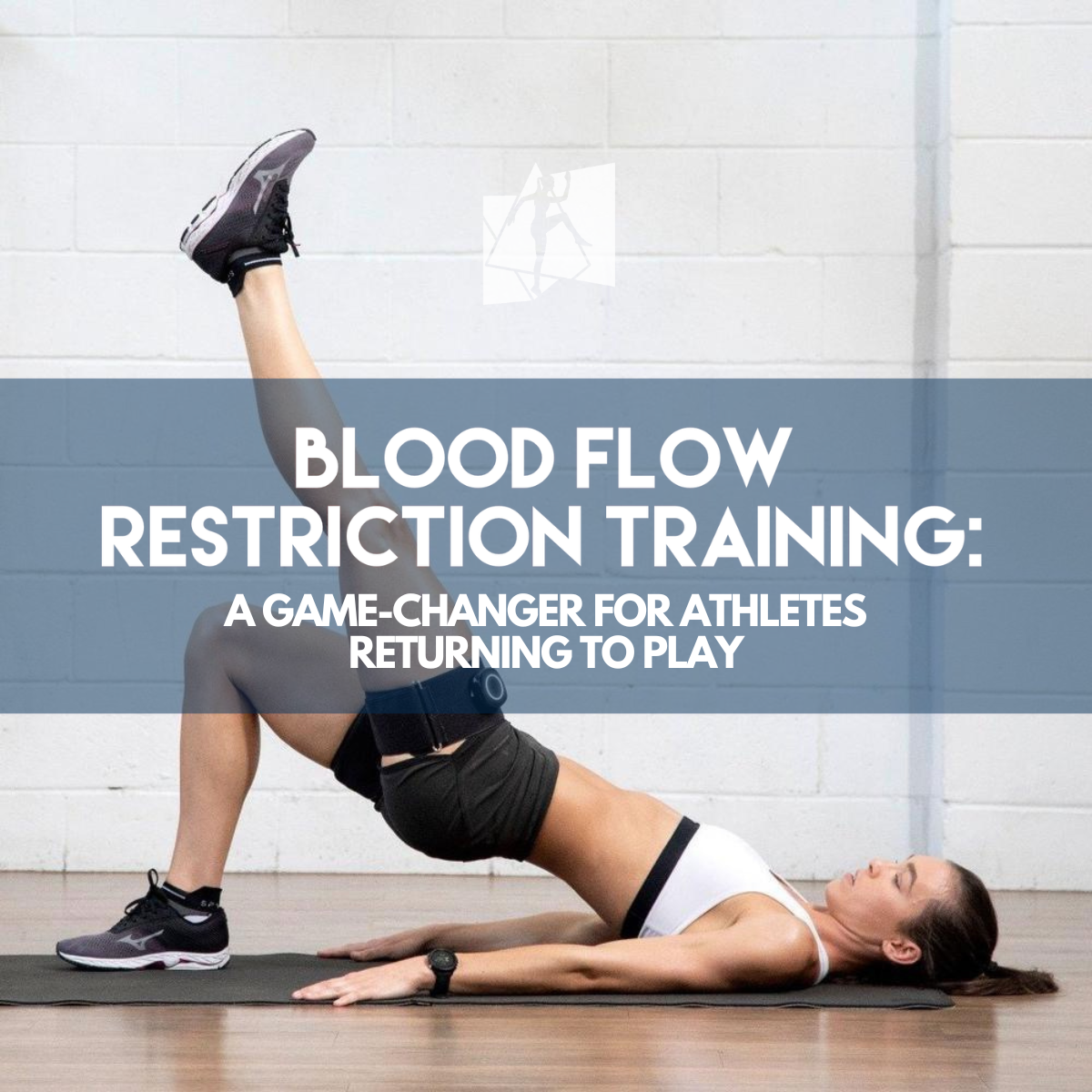
It’s not magic, it’s occlusion.  Specialized cuffs, similar to blood pressure cuffs, are wrapped around the upper portion of your arms or legs and inflated to 40%-90% of your arterial occlusion pressure.  This partially restricts the blow of blood into your limbs as you perform your exercise.  

The restriction of blood tricks your muscles into believing they are working harder; allowing you to benefit more from working at much lower, and safer, loads (20%-30% of 1RM)[2,3].  The metabolic effects from working out with BFR at 30% 1RM have been shown to provide similar results as working out at 70% 1RM.  Thus, making training while recovering safer during early rehab. [4]


The Secret? Metabolic Activity

Muscle growth depends on the nutrients being delivered to build up bigger, faster, and stronger.  BFR creates metabolic stress within the muscle which causes lactate accumulation, cellular swelling, and activation of growth pathways. [3]  

Using BFR also enhances type II, fast twitch, muscle recruitment while also promoting new blood vessel formation to help fuel those muscles. [2,3,5]

It’s tricking your body into thinking it’s working harder than it really is.  


Why do Pro Athletes use this technique?

Sports aren’t just a game to professional athletes, it’s a way of life.  Downtime from an injury affects more than just their playing time and muscle atrophy can delay the return to play. Here are a few advantages of using BFR during rehab: 

  • Preserve muscle mass [6,7]

  • Reduce mechanical stress on healing tissue [4]

  • Accelerate recovery timelines, returning athletes to the field sooner [6]

  • Safe early rehab option when protocols and precautions are followed [8]


PRODUCTS WE LOVE

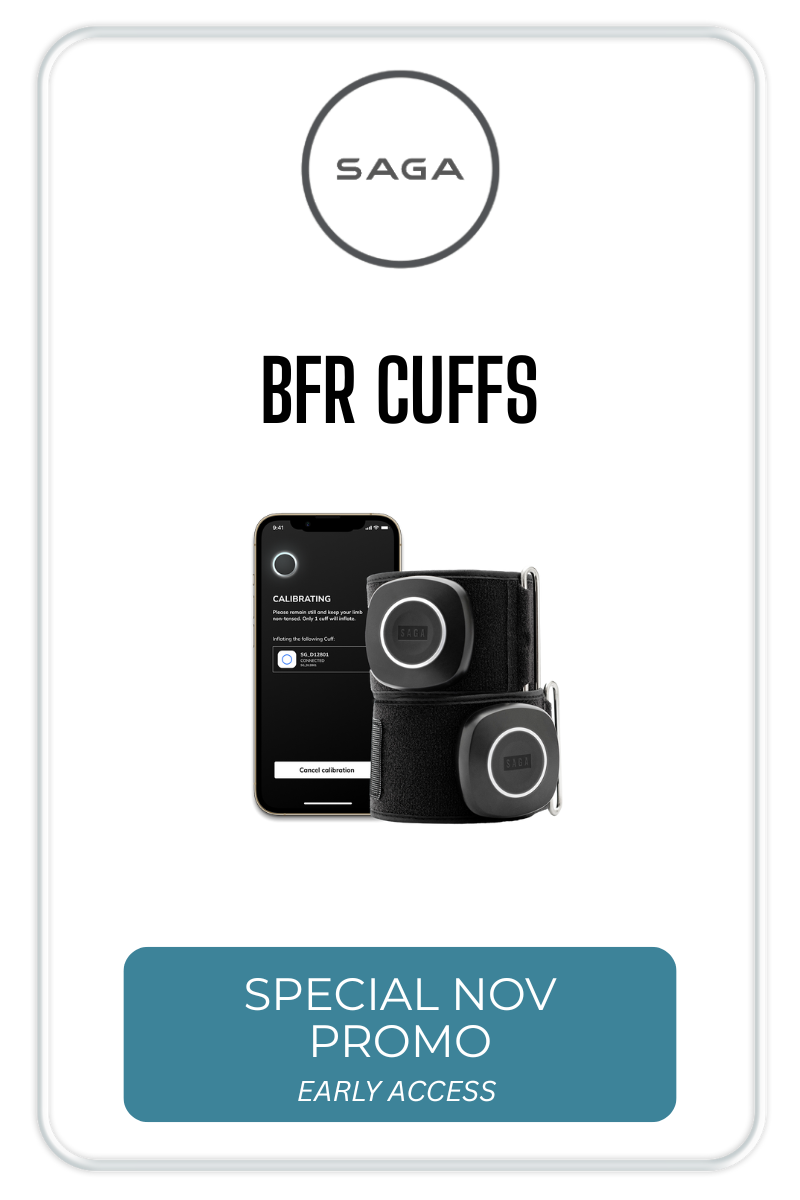
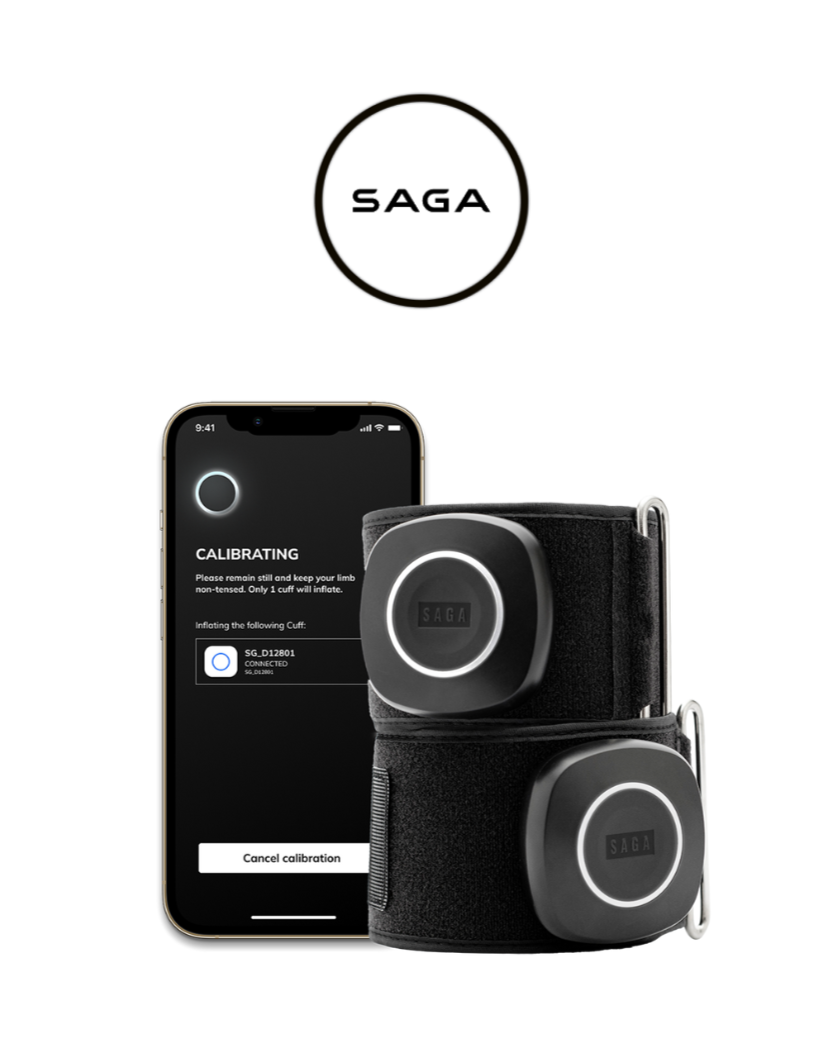
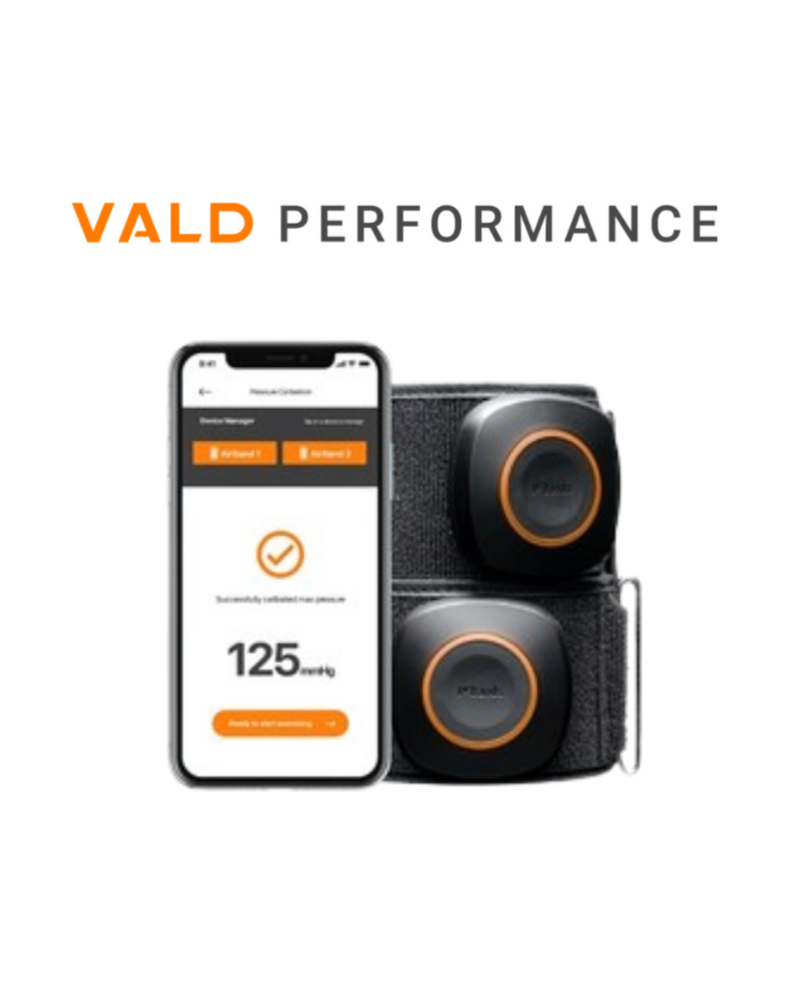
While technique and programming drive effective Blood Flow Restriction Training, the right equipment plays a key supporting role. We consistently use and recommend SAGA and VALD BFR cuffs for their precision, safety, and reliability. When applied appropriately, these systems allow athletes to train at lower loads while still creating the metabolic stimulus needed to preserve muscle and support a safe return to play.
 
BUY ON AMAZON
BUY ON AMAZON


Is it safe?

In general, yes BFR is safe to use when applied properly and under the supervision of a trained professional.  A qualified provider should screen an athlete for any complications that could cause issues.  

Cardiovascular issues like a history of blood clots, severe hypertension, vascular issues, active infections, and cancer are all contraindications.  


What does a training program look like with BFR?

  • Athletes should look to train 2-3 times a week, but more than 3 times a week has shown favorable outcomes. [10]

  • Cuff should be inflated to ≥160 mmHg or 40-90% of arterial occlusion pressure

  • Select a weight that is 20%-30% of 1RM

  • 1-3 exercises are selected to be performed with the cuff inflated

  • An example repetition protocol would be [4]

    • 30 reps

    • Rest 30 seconds

    • 15 reps

    • Rest 30 seconds

    • 15 reps

    • Rest 30 seconds

    • 15 reps


Do I need to be a professional athlete to use BFR?

No! BFR is a valid treatment option for anyone looking to supplement their current workout, or utilize while injured.  Some great options for adding in BFR include[12,3]:

  • Adding BFR work at the end of regular strength sessions for additional volume without excessive fatigue

  • Using BFR during taper periods to maintain muscle mass while reducing mechanical load

  • Incorporating BFR during in-season training when recovery demands are high

Before starting any BFR training it is important to consult with your healthcare provider, proper screening is essential for safe implementation. 


References

  1. Blood Flow Restriction Therapy After Anterior Cruciate Ligament Reconstruction. Johns WL, Vadhera AS, Hammoud S. Arthroscopy : The Journal of Arthroscopic & Related Surgery : Official Publication of the Arthroscopy Association of North America and the International Arthroscopy Association. 2024;40(6):1724-1726. doi:10.1016/j.arthro.2024.03.004.

  2. Blood Flow Restriction Therapy: Where We Are and Where We Are Going. Vopat BG, Vopat LM, Bechtold MM, Hodge KA. The Journal of the American Academy of Orthopaedic Surgeons. 2020;28(12):e493-e500. doi:10.5435/JAAOS-D-19-00347.

  3. Physiological Adaptations and Practical Efficacy of Different Blood Flow Restriction Resistance Training Modes in Athletic Populations. He C, Zhu D, Hu Y. Frontiers in Physiology. 2025;16:1683442. doi:10.3389/fphys.2025.1683442.

  4. Blood Flow Restriction Training. Lorenz DS, Bailey L, Wilk KE, et al. Journal of Athletic Training. 2021;56(9):937-944. doi:10.4085/418-20.

  5. Blood Flow Restriction Training and the High-Performance Athlete: Science to Application. Pignanelli C, Christiansen D, Burr JF. Journal of Applied Physiology (Bethesda, Md. : 1985). 2021;130(4):1163-1170. doi:10.1152/japplphysiol.00982.2020.

  6. Time to Save Time: Beneficial Effects of Blood Flow Restriction Training and the Need to Quantify the Time Potentially Saved by Its Application During Musculoskeletal Rehabilitation. Bielitzki R, Behrendt T, Behrens M, Schega L. Physical Therapy. 2021;101(10):pzab172. doi:10.1093/ptj/pzab172.

  7. Editorial Commentary: Blood Flow Restriction Therapy Continues to Prove Effective. LaPrade RF, Monson JK, Schoenecker J. Arthroscopy : The Journal of Arthroscopic & Related Surgery : Official Publication of the Arthroscopy Association of North America and the International Arthroscopy Association. 2021;37(9):2870-2872. doi:10.1016/j.arthro.2021.04.073.

  8. The Safety of Blood Flow Restriction Training as a Therapeutic Intervention for Patients With Musculoskeletal Disorders: A Systematic Review. Minniti MC, Statkevich AP, Kelly RL, et al. The American Journal of Sports Medicine. 2020;48(7):1773-1785. doi:10.1177/0363546519882652.

  9. Comparison of Blood Flow Restriction Interventions to Standard Rehabilitation After an Anterior Cruciate Ligament Injury: A Systematic Review. Colombo V, Valenčič T, Steiner K, et al. The American Journal of Sports Medicine. 2024;52(14):3641-3650. doi:10.1177/03635465241232002.

  10. Effects of Blood Flow Restriction Training on Physical Fitness Among Athletes: A Systematic Review and Meta-Analysis. Yang K, Chee CS, Abdul Kahar J, et al. Scientific Reports. 2024;14(1):16615. doi:10.1038/s41598-024-67181-9.

  11. Application of Blood Flow Restriction Training in Adolescents: A Narrative Review. Chen ZL, Zhao TS, Ren SF, et al. Medicine. 2025;104(29):e43084. doi:10.1097/MD.0000000000043084.

  12. Where Does Blood Flow Restriction Fit in the Toolbox of Athletic Development? A Narrative Review of the Proposed Mechanisms and Potential Applications. Davids CJ, Roberts LA, Bjørnsen T, et al. Sports Medicine (Auckland, N.Z.). 2023;53(11):2077-2093. doi:10.1007/s40279-023-01900-6.

  13. A Useful Blood Flow Restriction Training Risk Stratification for Exercise and Rehabilitation. Nascimento DDC, Rolnick N, Neto IVS, Severin R, Beal FLR. Frontiers in Physiology. 2022;13:808622. doi:10.3389/fphys.2022.808622.

Getting Back Out There, The Right Way

Ever watch your star player go down with a knee injury, see a shoulder pop out during a tackle, or witness an ankle roll on the court? These moments are gut-wrenching for athletes, parents, and coaches alike. But here's the good news: most high school athletes can successfully return to their sport after these common injuries — if they follow the right roadmap for physical recovery.

Let's break down what it takes to get physically cleared for return to play after an ACL tear, shoulder dislocation, or ankle sprain.


The ACL Injury: A Marathon, Not a Sprint

An ACL tear is one of the most feared injuries in youth sports, and for good reason. Nearly a quarter of a million ACL injuries occur annually in the US and Canada, with rates in high school athletes reaching 5.5 per 100,000 athlete exposures. But here's what many don't realize: getting back on the field isn't just about healing — it's about meeting specific physical benchmarks.

The minimum timeline is 9 months from surgery, and that's not arbitrary. Your body needs time for the graft to incorporate biologically, and rushing back increases reinjury risk dramatically. In fact, athletes who returned before 9 months had significantly higher rates of reinjury compared to those who waited.

But time alone isn't enough. Athletes must achieve at least 90% limb symmetry index (LSI) for both quadriceps strength and hop testing before getting cleared for competition. This means the injured leg needs to perform at 90% or better compared to the uninjured leg. Athletes who met these criteria had a reinjury rate of just 4.5% within 2 years, compared to 33% in those who didn't meet the criteria.

The recovery follows a structured, mulit-phase approach:

  • Early phase (weeks 0-6): Focus on reducing swelling, restoring range of motion to 0-115 degrees, and achieving 60% quadriceps strength symmetry

  • Intermediate phase (weeks 7-9): Progress to 70% strength symmetry with full, symmetrical range of motion

  • Late phase (weeks 10-16): Reach 75-80% strength symmetry and begin running when you hit 80% and can demonstrate single leg squats, step downs and hops with good mechanics

  • Transitional phase (months 4-6): Introduce jumping, sprinting, and agility drills at 85% strength symmetry

  • Return-to-sport phase (months 6-12): Sport-specific training with final clearance requiring 90% symmetry, no pain or swelling, and adequate confidence levels

Here's the reality check: only 40-55% of athletes return to their pre-injury activity level after ACL reconstruction. Even among highly motivated European professional soccer players with excellent resources, only 65% returned to their previous level. This isn't meant to discourage — it's meant to emphasize the importance of working with a sports physical therapist and following a comprehensive plan.


Shoulder Dislocations: High Risk, But Quick Recovery Possible

The shoulder is the most commonly dislocated joint in the body, and it usually dislocates anteriorly (toward the front). For high school athletes, especially those in contact and collision sports, this injury comes with a sobering statistic: recurrence rates can reach up to 90% in active patients younger than 25 years.

But here's where shoulder dislocations differ from ACL injuries: return to play can happen as early as 2-3 weeks after injury for athletes who are pain-free, have symmetrical shoulder range of motion, and can perform sport-specific motions. Some athletes with recurrent dislocations who experience easy relocation, minimal pain, full range of motion, and protective strength may even return the same day.

The treatment approach depends on several factors:

Immediate management:

  • Attempted relocation on the field before muscle spasm develops

  • Neurovascular assessment before and after reduction

  • Immobilization and pain management after successful reduction

  • Post-reduction radiographs after first-time dislocation

Recovery protocol:

  • Sling use for 2-4 weeks for comfort (though current evidence doesn't mandate a specific duration)

  • Graduated rehabilitation focusing on passive and active range of motion

  • Physical therapy addressing joint range of motion, scapular control, rotator cuff strength, and sport-specific conditioning

Surgical considerations: Surgery should be considered for first-time dislocations in active patients under 25 due to the extremely high recurrence rate, or when there are complications like large bony defects.

Interestingly, research on high school athletes shows that 85% of those treated nonoperatively successfully returned to their sport and completed at least one full season without additional injury. Athletes with subluxations (partial dislocations) fared even better, with an 89% success rate compared to 26% for complete dislocations.


Ankle Sprains: The Most Common Culprit

Ankle sprains are the most common foot-ankle and sports-related injury for which people seek medical care. Four in every 10 first-time ankle sprains occur during sports participation. The good news? Most athletes bounce back quickly.!

High school athletes have a 75% chance of returning to sport within 3 days after a first-time , Grade I ankle sprain, and a 95% chance within 10 days. In college athletics, 44.4% of athletes returned to play in less than 24 hours. However, more severe Grade II and III sprains involving multiple ligaments can sideline athletes for more than 3 weeks.

The key to successful return involves addressing five critical domains — the PAASS framework:

  • Pain: Both during sport participation and over the last 24 hours

  • Ankle impairments: Range of motion, muscle strength, endurance, and power

  • Athlete perception: Confidence, reassurance, stability, and psychological readiness

  • Sensorimotor control: Proprioception and dynamic postural control/balance

  • Sport/functional performance: Hopping, jumping, agility, sport-specific drills, and ability to complete a full training session

Supervised exercise programs addressing strength, coordination, proprioception, and functional deficits lead to faster return to sports. Evidence also supports the use of compression stockings and anteroposterior ankle joint mobilization for quicker recovery.

General return-to-work and sport guidelines suggest:

  • Return to sedentary work: 2-6 weeks following injury

  • Return to physical occupations and sports: 6-8 weeks

These timelines should be adjusted based on injury severity, rehabilitation response, and specific task requirements. Working with a sports medicine clinician will be key for determining optimal readiness.


TOOLS FOR BUILDING CONFIDENCE

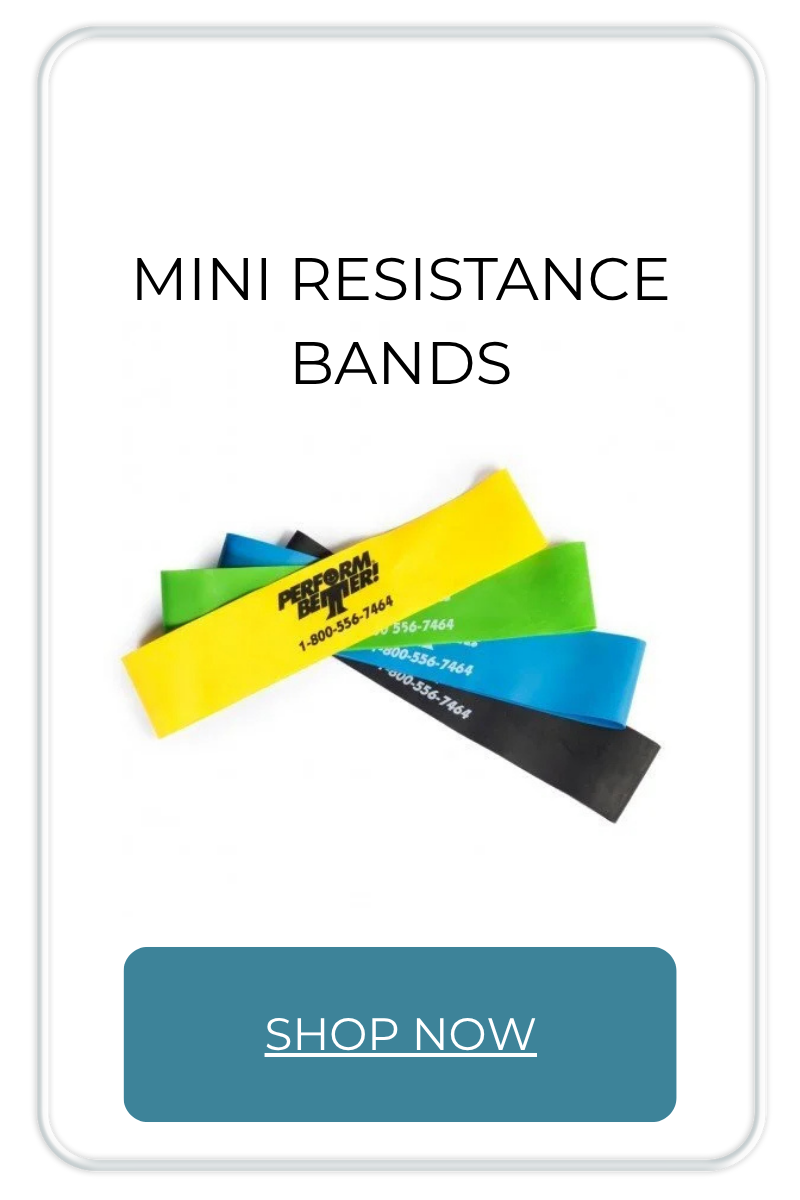
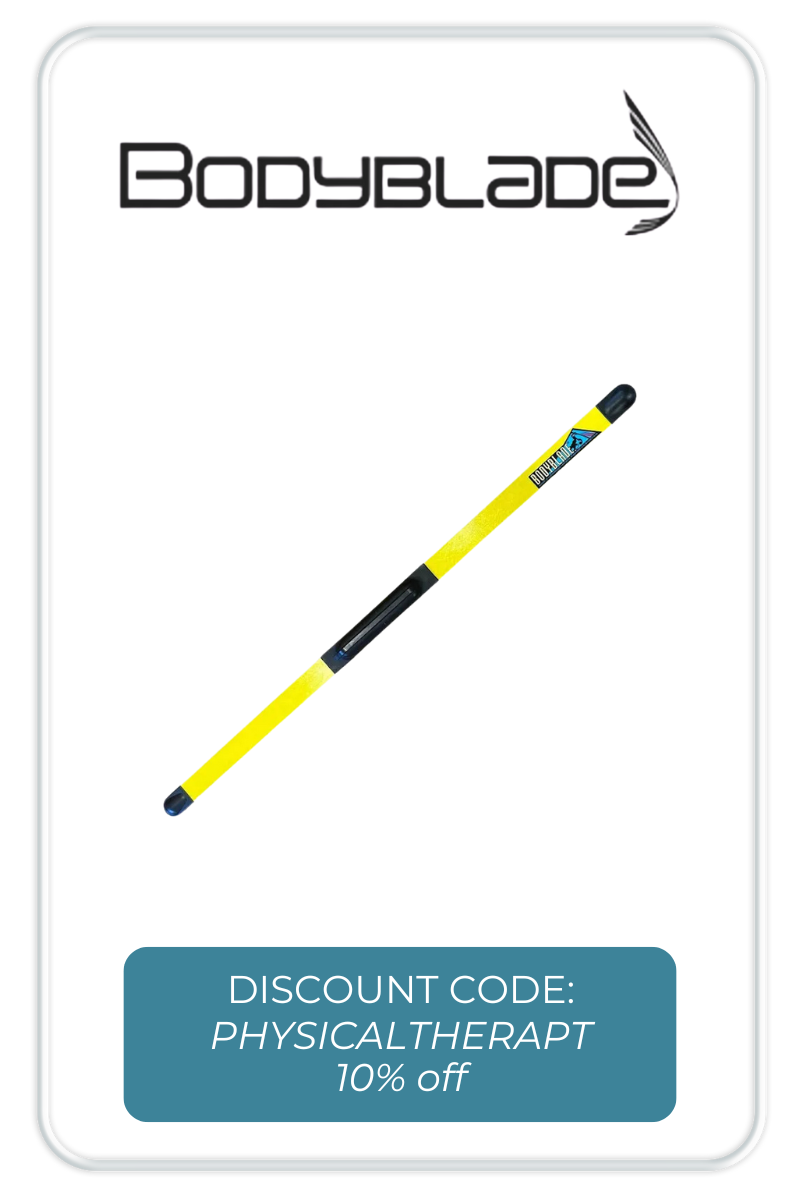
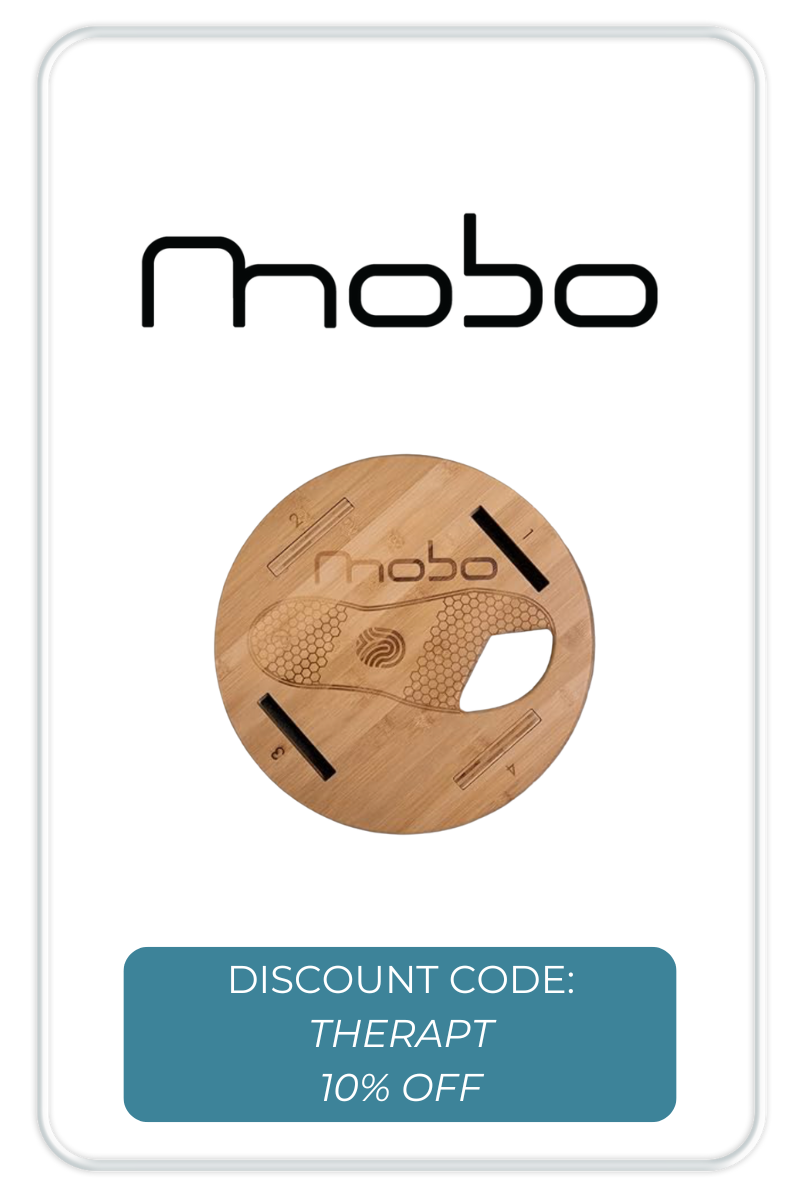
Resistance bands, balance pads and boards, and BFR cuffs are a few of the essential tools in rehabilitation. Resistance bands safely build strength, balance pads enhance coordination and stability, and BFR cuffs accelerate recovery through low-load training.

Below are our top 5 recommended products to use as a recovering athlete.


Click the image to shop on Amazon through our affiliate links and access possible discounts!


The Bottom Line

Physical clearance for return to play isn't one-size-fits-all. ACL injuries require the longest recovery with the most stringent criteria — minimum 9 months and 90% strength symmetry. Shoulder dislocations can allow quicker return (2-3 weeks) but carry high recurrence risk in young athletes. Ankle sprains typically resolve fastest, with most athletes back within days to weeks.

The common thread? Meeting objective physical criteria matters more than arbitrary timelines. Pain-free movement, symmetrical strength, full range of motion, and sport-specific performance capabilities aren't just checkboxes — they're your best insurance against reinjury.

In Part 2, we'll explore the mental side of return to play — because as we've learned, physical readiness is only half the battle.


References