Physical TheraPT

Mobility

Crepitus: The Truth About Noisy Joints

Ever hear a pop when you squat, a crack when you roll your neck, or a grind when you climb stairs? That’s crepitus — the medical term for the noises or sensations that sometimes come from your joints.

Crepitus is common, and in most cases, it’s nothing to worry about. But sometimes, it can signal that your joint mechanics aren’t working as smoothly as they should. Let’s break down why it happens, when it’s normal, and when it may be worth a closer look.


What Exactly Is Crepitus?

Crepitus refers to the popping, cracking, grating, or crunching sounds (or sensations) that occur during joint movement. It can show up in many areas of the body, including the knees, shoulders, hips, spine, and even the jaw.

It’s not a condition by itself, but more of a sign that something is happening in or around the joint. A lot of times, that “something” is completely benign. Other times, it’s a clue that the joint is under stress (Drum et al., 2023).


Why Do Joints Make Noise?

There are several reasons joints produce crepitus, most of which are harmless:

  • Gas bubble formation (cavitation): Joints are lubricated by synovial fluid. When pressure inside the joint changes quickly, gas can form or collapse in the fluid, creating a distinct popping sound (Kawchuk et al., 2015; Fryer et al., 2017).

  • Tendons or ligaments snapping over bone: Soft tissues sometimes shift slightly during movement and then snap back into place, creating a click.

  • Surface changes in cartilage: If the smooth joint surfaces become uneven (such as in arthritis), movement can cause grinding or crackling noises.

  • Internal tissue catching: Soft tissue folds inside the joint, such as plica or meniscal edges, can occasionally cause popping or clicking (Drum et al., 2023).


How Common Is Crepitus?

You’re not alone if your joints make noise — crepitus is widespread, even in healthy people.

  • About 41% of knees in the general population show crepitus.

  • Even among people with no knee pain, roughly one-third still experience it.

  • In individuals with osteoarthritis, the numbers are higher — up to 81% report crepitus (Couch et al., 2025).

The takeaway? Joint noise is very common, and by itself, it doesn’t necessarily mean damage.


When Crepitus Is Harmless

Most of the time, crepitus is simply a mechanical quirk of how your joints move. It’s usually not a concern if:

  • The noise occurs without pain.

  • There’s no swelling, stiffness, or loss of motion.

  • It hasn’t been getting worse over time.

In these cases, there’s no reason to avoid movement — in fact, staying active can keep your joints healthier.


When Crepitus Might Signal a Problem

Crepitus deserves more attention when it’s paired with other symptoms. You may want to consult a physical therapist or physician if you notice:

  • Pain with movement or weight-bearing

  • Swelling, warmth, or stiffness in the joint

  • Locking, catching, or instability

  • Persistent or worsening grinding

  • Loss of function or activity limitations

In some cases, more intense crepitus has been linked with weaker surrounding muscles (like the quadriceps in the knee). This muscle imbalance can place more stress on the joint, making symptoms worse (Jakovacz et al., 2024).

Importantly, while crepitus is more common in people with osteoarthritis, studies show that crepitus alone does not reliably predict disease progression or need for joint replacement (Pazzinatto et al., 2018).


What You Can Do About Crepitus

If your crepitus is painless:

  • Keep moving. Regular activity nourishes cartilage and prevents stiffness.

  • Strengthen muscles. For example, strong quadriceps and hamstrings help reduce stress on the knee.

  • Stretch and mobilize. Increased flexibility can improve tendon and ligament function.


Simple Tools to Keep Your Joints Moving Smoothly

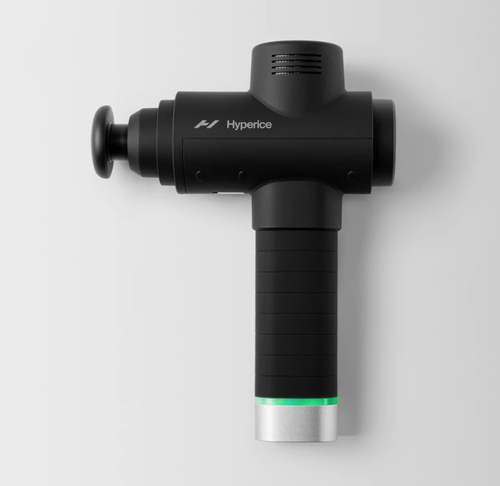
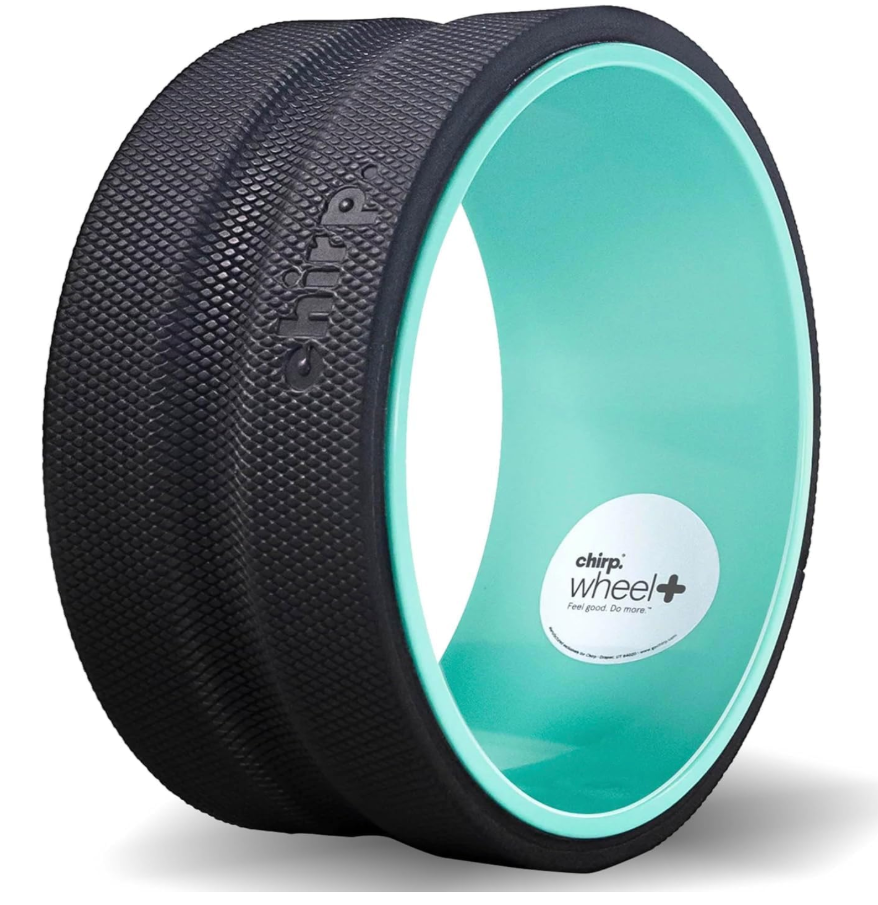
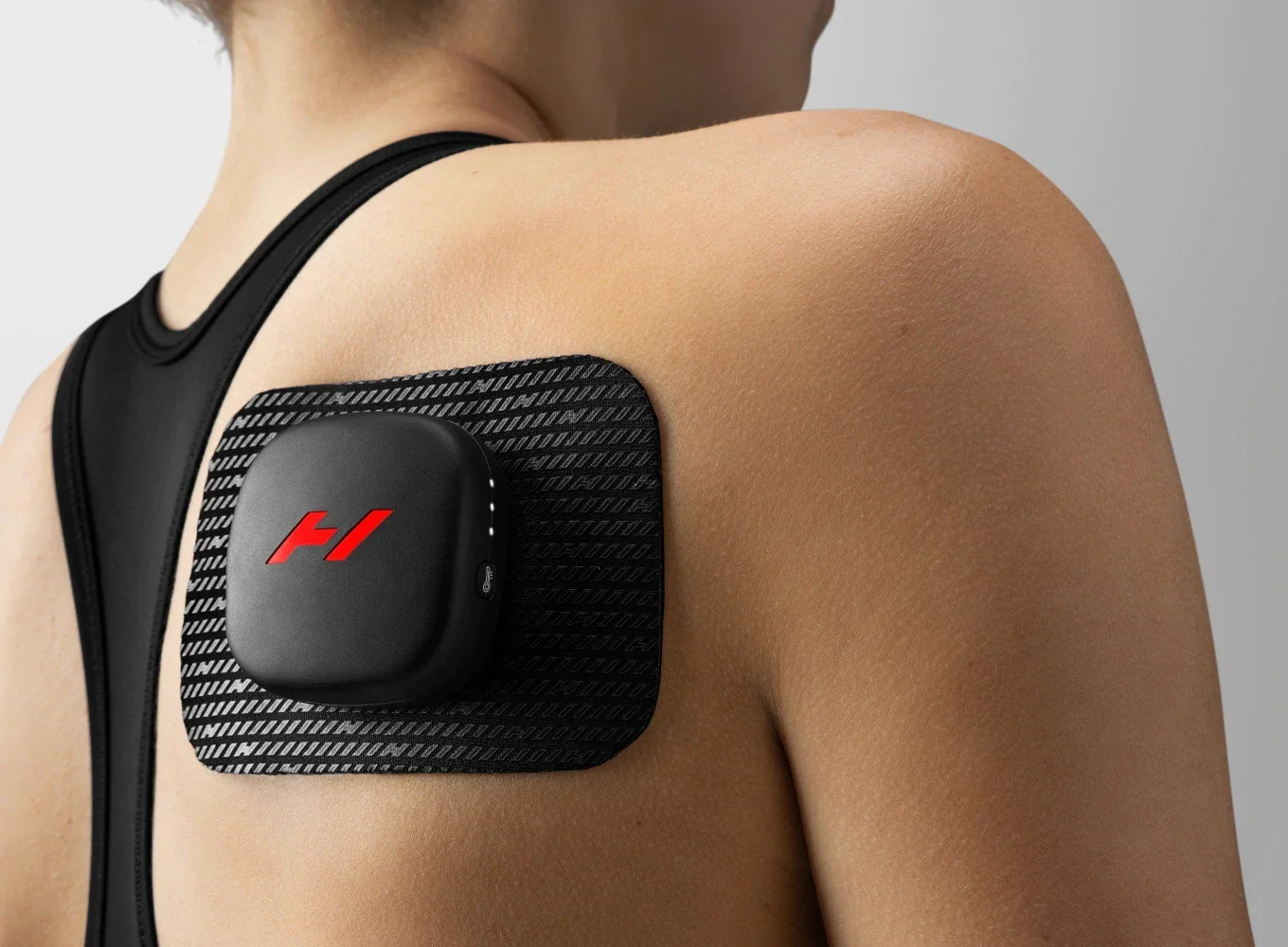
Crepitus can often be eased with tools that promote muscle relaxation and joint mobility. The Hypervolt massage gun with its heated attachment helps improve circulation, reduce muscle tension, and warm up tissues around the joints. Pairing it with gentle movements using an exercise ball encourages controlled mobility and improved joint function.

buy on amazon
Buy on Amazon
 
 
Buy on Amazon


If your crepitus is painful or comes with swelling or dysfunction:

  • Check in with a physical therapist. They can identify whether the crepitus is harmless or potentially linked to a condition like arthritis, tendon overload, or a fibrocartilage injury (meniscus, labrum).

  • Follow a guided plan. Targeted exercises, joint protection strategies, and activity modifications can help reduce pain and restore confidence in movement.


Bottom Line

Joint noise by itself, even if it sounds dramatic, is usually nothing to worry about. But if crepitus shows up alongside pain, swelling, or loss of function, it’s your body’s way of telling you to pay closer attention.

The good news? Most causes of crepitus respond well to exercise, physical therapy, and healthy movement habits. So the next time your joints crack, remember: noise without pain is normal; noise with pain deserves attention.


References

  • Couch, T. A., Hall, M., Hussain, S. M., Teichtahl, A. J., Wluka, A. E., & Wang, Y. (2025). Knee crepitus: A systematic review of prevalence, incidence, and associations with knee osteoarthritis. Osteoarthritis and Cartilage Open, 7(1), 100471.

  • Drum, E. E., Jauregui, J. J., Probasco, S. K., et al. (2023). Knee crepitus: Current evidence and clinical relevance. Musculoskeletal Care, 21(3), 442–449.

  • Fryer, G., Pearce, A. J., & Herbert, J. J. (2017). Cavitation onset in the metacarpophalangeal joint: A physiological explanation of joint cracking. PLoS ONE, 12(4), e0174190.

  • Jakovacz, N., Mészáros, Z., & Farkas, J. (2024). Relationship between knee crepitus intensity and quadriceps muscle thickness. Manual Therapy, 66, 107102.

  • Kawchuk, G. N., Fryer, J., Jaremko, J. L., Zeng, H., Rowe, L., & Thompson, R. (2015). Real-time visualization of joint cavitation. PLoS ONE, 10(4), e0119470.

  • Pazzinatto, M. F., de Oliveira Silva, D., Azevedo, F. M., & Barton, C. J. (2018). Association between crepitus and progression of knee osteoarthritis: A longitudinal cohort study. Arthritis Care & Research, 70(3), 420–427.

The Science of Stretching

Stretching has been a go-to practice for athletes, fitness enthusiasts, and physical therapy patients alike. But what’s really happening inside your body when you stretch? More importantly, is stretching as beneficial as we’ve been told?

For years, the idea was simple: stretch to improve flexibility, prevent injuries, and enhance performance. However, modern research paints a more nuanced picture. While stretching does have benefits, how, when, and why you stretch matters. In this post, we’ll explore the science behind stretching, the differences between dynamic and static stretching, and how to make your stretching routine more effective.

What Happens at the Cellular Level?

When you stretch, your muscles don’t just "loosen up"—a series of complex physiological reactions occur at the cellular level.

1. Muscle Fibers and Fascia Adapt

Muscle fibers (sarcomeres) temporarily elongate during stretching, but lasting flexibility gains occur when connective tissues, like fascia, gradually adapt over time. This aligns with Davis’s law, which states that soft tissues remodel in response to consistent mechanical stress. Research also shows that fascia is dynamic and can adapt to mechanical forces, influencing long-term flexibility (Schleip et al., 2019).

2. Neuromuscular Inhibition (Stretch Reflex)

The stretch reflex protects muscles from overstretching by triggering a contraction when a muscle is rapidly lengthened. However, consistent stretching can reduce this reflex's excitability, allowing for greater flexibility. A study found that repeated stretching, especially when muscles remain relaxed, can attenuate stretch reflex activity, supporting the idea that long-term stretching helps muscles tolerate greater lengthening without resistance (Ogawa et al., 2022).

3. Increased Blood Flow and Tissue Elasticity

Stretching improves blood circulation, which brings oxygen and nutrients to the muscles. This can enhance recovery, reduce muscle stiffness, and even contribute to long-term joint health.

Has Science Proven That Stretching is Beneficial?

Yes and no. While stretching can improve flexibility, studies show that static stretching before exercise doesn’t significantly reduce injury risk or enhance performance (Behm et al., 2016). However, dynamic stretching and long-term flexibility training have been shown to improve range of motion, recovery, and even reduce chronic pain when done correctly (Oppert & Babault, 2018).

Dynamic vs. Static Stretching: How to Use Each Effectively

Not all stretching is created equal. The type of stretching you do should match your goal:

Dynamic Stretching:
Best Before Activity

Dynamic stretching involves active movements that take your joints through their full range of motion. Instead of holding a stretch, you move fluidly through it—mimicking the movements you’re about to perform.

Benefits:

  • Increases blood flow and muscle temperature

  • Activates the nervous system for movement

  • Improves range of motion without reducing muscle power

EXAMPLES:

  • Leg Swings – Swing your leg forward and backward to activate hip flexors and hamstrings.

  • Lunges with a Twist – Engage core, hips, and spine before running or sports.

  • Arm Circles – Increase mobility in the shoulders before upper-body activities.

Bottom Line: Use dynamic stretching before workouts to prepare your muscles for activity without reducing power output.

Static Stretching:
Best After Activity

Static stretching involves holding a position for an extended period (15–60 seconds), allowing muscles to relax and lengthen.

Benefits:

  • Improves long-term flexibility

  • Helps muscles recover and reduces post-exercise stiffness

  • Promotes relaxation and stress relief

EXAMPLES:

  • Hamstring Stretch – While lying on your back, use a strap to anchor around your foot and pull your leg up towards the ceiling, feeling a stretch in the back of your leg

  • Chest Opener – While sitting, clasp hands behind your head and open your chest to counteract hunching, opening your elbows out and away from you

  • Quad Stretch – While standing, grab one ankle behind you to stretch the front of your thigh.

Bottom Line: Use static stretching after workouts or as part of a flexibility routine to improve long-term mobility.

When to Stretch
(And When Not To)

When You Should Stretch:

Before a workout? – Yes, but only dynamic stretching.
After a workout? – Yes, static stretching can aid in recovery.
To improve flexibility? – Yes, but hold stretches for 15-60 seconds & perform them regularly.
To address muscle imbalances? – Yes, targeted stretching can help correct asymmetries.

When You Should Avoid Stretching:

When muscles are cold – Jumping into static stretching without warming up can lead to injury.
If you're experiencing sharp pain – Stretching shouldn’t cause pain; if it does, you may have an underlying issue.
If you suspect a sprain or strain – these types of injuries involve the tearing of ligaments or muscles/tendons, respectively (sometimes these tears are minimal). If there’s any torn tissue, stretching is not advised
When you have a history of dislocation or subluxation – joints that are likely to pop out of place are not suited for stretching

TOOLS FOR OPTIMIZING YOUR STRETCHING ROUTINE

A stretching strap promotes better alignment and controlled muscle lengthening, while a yoga mat provides joint support and stability—both enhancing safety and effectiveness through improved biomechanics.

BUY ON AMAZON
BUY ON AMAZON
 

Addressing Muscle Imbalances: Focusing on the Tighter Side

If you notice one side of your body is significantly tighter than the other, this could indicate:

  • An imbalance in muscle strength

  • A previous injury that caused compensatory patterns

  • Postural habits affecting mobility

How to Fix It:

  • During warmups, spend extra time dynamically stretching the tighter side.

  • During cooldowns, hold static stretches longer on the less flexible side.

  • If asymmetry persists, consider working with a physical therapist to address underlying issues.

Conclusion: Smarter Stretching for Better Movement

Stretching isn’t just about flexibility—it’s about training your nervous system and connective tissues to function optimally. Keep in mind that your body needs time to adapt to a new stretching routine, so start slow and don’t stretch more than once a day.

Here’s what to remember:

Dynamic stretching before workouts prepares muscles for movement.
Static stretching after workouts improves flexibility and recovery.
Stretching should be intentional—focusing on imbalances and avoiding overdoing it.
Flexibility is a long-term process—consistency is key.

Rather than mindlessly holding stretches, use stretching as a tool to enhance movement, prevent injury, and improve overall mobility. If you’re struggling with flexibility issues, a structured stretching routine (or a visit to a physical therapist) could make all the difference.

References

  • Schleip, R., Gabbiani, G., Wilke, J., Naylor, I. L., Hinz, B., Zorn, A., Jäger, H., & Klingler, W. (2019). Fascia is able to actively contract and may thereby influence musculoskeletal dynamics: A histochemical and mechanographic investigation. Frontiers in Physiology, 10, 336.

  • Ogawa, Y., Hasegawa, N., Nakazawa, K., Akai, M., & Murayama, M. (2022). Effect of repeated fast stretches on stretch reflex excitability in individuals post-stroke. Frontiers in Neurology, 13, 764650.

  • Behm, D. G., Blazevich, A. J., Kay, A. D., & McHugh, M. (2016). Acute effects of muscle stretching on physical performance, range of motion, and injury incidence in healthy active individuals: A systematic review. Applied Physiology, Nutrition, and Metabolism, 41(1), 1–11.

  • Opplert, J., & Babault, N. (2018). Acute effects of dynamic stretching on muscle flexibility and performance: An analysis of the current literature. Sports Medicine, 48(2), 299–325.