Physical TheraPT

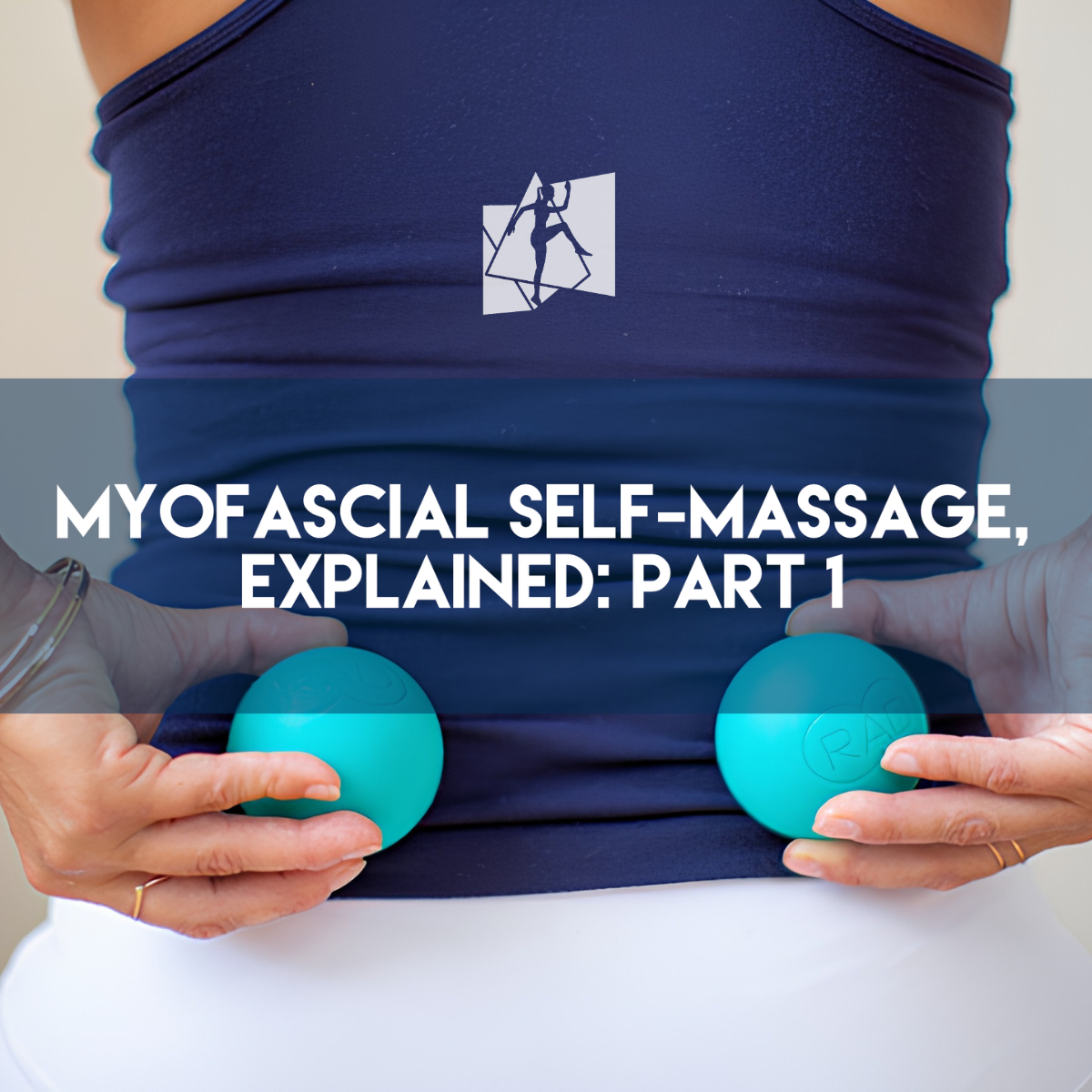
Why Self-Massage Actually Works (It's Not What You Think)

Most athletes fall into one of two camps:

They either skip tissue work entirely… or they foam roll for 10 minutes without knowing if it's doing anything.

Here's the truth:

Self-massage works—but not for the reasons you've likely been told.


Your Body Builds "Tissue Debt"

Every hard training session leaves a mark:

Muscle fibers get stressed. Metabolic byproducts accumulate. Your connective tissue (fascia) can become less mobile.

Your body can recover from this—but only if you give it the right inputs: movement, blood flow, and mechanical stimulus.

Without these inputs, tightness builds. Range of motion drops. Injury risk slowly climbs in the background.


What Is Actually Causing That "Tight" Feeling?

It's not just muscle. Between your muscles is a layer of connective tissue that should glide smoothly. When it doesn't, you feel stiffness, restriction, and that vague, hard-to-pinpoint soreness.

One of the biggest drivers of this is something called fascial densification. [7]

Translation: Your tissue becomes more sticky and less fluid. Instead of sliding, layers start to drag against each other.

The good news? This is reversible—and it's different from permanent scar tissue. [7-8]


Foam Rolling Doesn't "Break Up" Tissue

The old idea:

"You're smashing knots and breaking up adhesions"

The reality:

That is not physically possible with a foam roller.

The forces needed to change dense tissue structure are far higher than what your bodyweight can create. [2] But that doesn't mean it's not working. It just means the real effects are happening somewhere else—in your nervous system and how your body perceives tension.


The 4 Ways Self-Massage Actually Works

1. It Calms Your Nervous System (Fast)

Your tissue is full of sensory receptors. When you apply slow, steady pressure, your nervous system responds by reducing muscle tension at the spinal cord level, increasing stretch tolerance, and shifting toward a more relaxed state. Research shows foam rolling can decrease spinal excitability by up to 58% with high-intensity rolling. [10]

That's why you feel looser within minutes—your brain is allowing more movement.

2. It May Influence Tissue Fluid and Gliding

Your connective tissue contains fluid that affects how layers slide past each other. [8-9]

The evidence here is mixed:

Some studies suggest foam rolling may improve fluid dynamics in tissue.

Other studies show decreased fascial sliding after rolling, not increased. [10]

Most studies show no change in actual tissue structure or morphology. [10]

The bottom line: Foam rolling likely doesn't physically change your tissue, but it may influence how it feels and moves through sensory changes.

3. It Improves Circulation

Self-massage increases local blood flow, which helps deliver oxygen and nutrients, reduce soreness, and speed up recovery. Studies show blood flow can increase by 70–85% immediately after rolling, with effects lasting up to 30 minutes. [4-5]

Longer rolling durations (3+ minutes) produce greater circulation benefits than shorter sessions. [5]

4. It Helps Tissue Adapt Over Time

This is the long game. With consistent use over weeks, your range of motion improves, tissue becomes more resilient, and recovery gets faster. [6][1] Research shows foam rolling programs longer than 4 weeks produce better ROM gains than shorter programs). [6]

The bottom line: This doesn't happen in one session—it builds over days and weeks. (We'll cover the specific timing in Part 2.)


What This Means for You

Self-massage isn't about "fixing knots" or "breaking up adhesions."

It's about:

Resetting your nervous system's tension settings

Improving how your body moves and feels

Increasing blood flow to support recovery

Building long-term mobility with consistent practice

And most importantly: Consistency and duration matter more than intensity. [3]


The Bottom Line

Self-massage works because it resets your nervous system, increases circulation, may influence tissue fluid dynamics, and supports long-term adaptation with consistent use. [2-3][10] If you train hard, this isn't optional. It's part of the process.

Remember: Spend at least 90–120 seconds per area, stay consistent, and don't expect it to "break up" anything. You're training your nervous system, not reshaping your tissue. [3]

Now that you understand the science—nervous system reset, circulation boost, and long-term adaptation—Part 2 shows you exactly when and how to apply these principles for maximum benefit.

While self-massage is a great place to start, sometimes your body needs a more personalized approach. Working 1-on-1 with a certified massage therapists can help you target what your body actually needs and get better results.


References

  1. Alonso-Calvete, A., Da Cuña-Carrera, I., Abalo-Núñez, R., Soto-González, M. (2021). Does the roller massage induced by a foam roller really affect the muscular recovery? A randomized controlled trial. International Journal of Environmental Research and Public Health, 18(21), 11228. 

  2. Behm, D. G., Wilke, J. (2019). Do self-myofascial release devices release myofascia? Rolling mechanisms: A narrative review. Sports Medicine, 49(8), 1173–1181. 

  3. Behm, D. G., Alizadeh, S., Hadjizadeh Anvar, S., Mahmoud, M. M. I., Ramsay, E., Hanlon, C., Cheatham, S. (2020). Foam rolling prescription: A clinical commentary. Journal of Strength and Conditioning Research, 34(11), 3301–3308. 

  4. Brandl, A., Egner, C., Reer, R., Schmidt, T., Schleip, R. (2023). Immediate effects of myofascial release treatment on lumbar microcirculation. Journal of Clinical Medicine, 12(4), 1248. 

  5. Hotfiel, T., Swoboda, B., Krinner, S., Grim, C., Engelhardt, M., Uder, M., Heiss, R. (2017). Acute effects of lateral thigh foam rolling on arterial tissue perfusion determined by spectral Doppler and power Doppler ultrasound. Journal of Strength and Conditioning Research, 31(4), 893–900. 

  6. Nakamura, M., Onuma, R., Kiyono, R., Yasaka, K., Sato, S., Yahata, K., Fukaya, T., Konrad, A. (2021). The acute and prolonged effects of different durations of foam rolling on range of motion, muscle stiffness, and muscle strength. Journal of Sports Science Medicine, 20(1), 62–68.

  7. Pavan, P. G., Stecco, A., Stern, R., Stecco, C. (2014). Painful connections: Densification versus fibrosis of fascia. Current Pain and Headache Reports, 18, 441. 

  8. Stecco, C., Stern, R., Porzionato, A., Macchi, V., Masiero, S., Stecco, A., De Caro, R. (2011). Hyaluronan within fascia in the etiology of myofascial pain. Surgical and Radiologic Anatomy, 33(10), 891–896. 

  9. Stecco, C., Fede, C., Macchi, V., Porzionato, A., Petrelli, L., Biz, C., Stern, R., De Caro, R. (2018). The fasciacytes: A new cell devoted to fascial gliding regulation. Clinical Anatomy, 31(5), 667–676. 

  10. Young, J. D., Spence, A. J., Behm, D. G. (2018). Roller massage decreases spinal excitability to the soleus. Journal of Applied Physiology, 124(4), 950–959. 
The Overlooked Connection

When people think about leg strength, they usually think about speed, power, or athletic performance. Emerging research suggests that muscle strength—especially in the legs—may play an important role in brain health too. [2,3,7]

The brain and body are deeply connected. Skeletal muscle doesn’t just move you; it behaves as a metabolic and signaling organ, sending information to the brain through blood flow, hormones, and other chemical messengers. [2]

Large observational studies in middle-aged and older adults show a pattern: people with greater muscle strength tend to have a lower risk of developing dementia and experience slower cognitive decline over time. Staying physically active and maintaining fitness are also linked with healthier brain structure and better cognitive performance as we age. [1,5,6]

One long-term twin study found that leg strength in midlife predicted better cognitive aging over a ten-year period, suggesting that maintaining lower-body strength may play a role in protecting brain function later in life. [7,3]


Why Leg Strength Matters

Leg muscles are among the largest muscle groups in the body. When they work—during walking, squatting, climbing stairs, or running—they trigger several physiological responses that may benefit the brain. [2]

Improved circulation

Exercise involving large muscle groups increases cardiovascular output and brain blood flow, helping deliver oxygen and nutrients and support vascular health, which is closely tied to cognitive function. [5,6]

Muscle-to-brain signaling

Active muscles release chemical messengers called myokines that can influence inflammation, metabolism, and neural function, and may help support neuron growth, synaptic plasticity, and brain repair. [2]

Cognitive and neurochemical benefits

Resistance training and regular physical activity have been associated with changes in brain chemistry and electrical activity related to memory and cognition, and with better cognitive performance in older adults. [4,6]

Translation:
Strong legs don’t just move you better. They may also help your brain stay healthier, especially as you age.


The Role of Resistance Training

Resistance training is one of the most efficient ways to build and maintain muscle strength, especially in the lower body. It can be done with bodyweight, free weights, machines, or resistance bands and can be scaled to almost any fitness level. [5]

Research in older adults and people with cognitive impairment suggests that resistance exercise can improve strength, functional capacity, and may offer modest cognitive benefits by improving blood flow, reducing inflammation, and promoting neurotrophic factors like BDNF. While it cannot guarantee prevention of dementia, it appears to be a promising strategy to support overall brain and body health across the lifespan. [1,2,3,4]

Translation:
Lifting isn’t just for performance or aesthetics anymore. It’s one of the most effective levers you can pull for long-term brain and body health.


Only Have 15 Minutes?

No gym. No equipment. No problem! Just 15–30 minutes and a bit of space. That’s enough to train your legs—and challenge your brain with coordination, balance, and effort.

Here are five leg exercises that will train both your body and your brain:

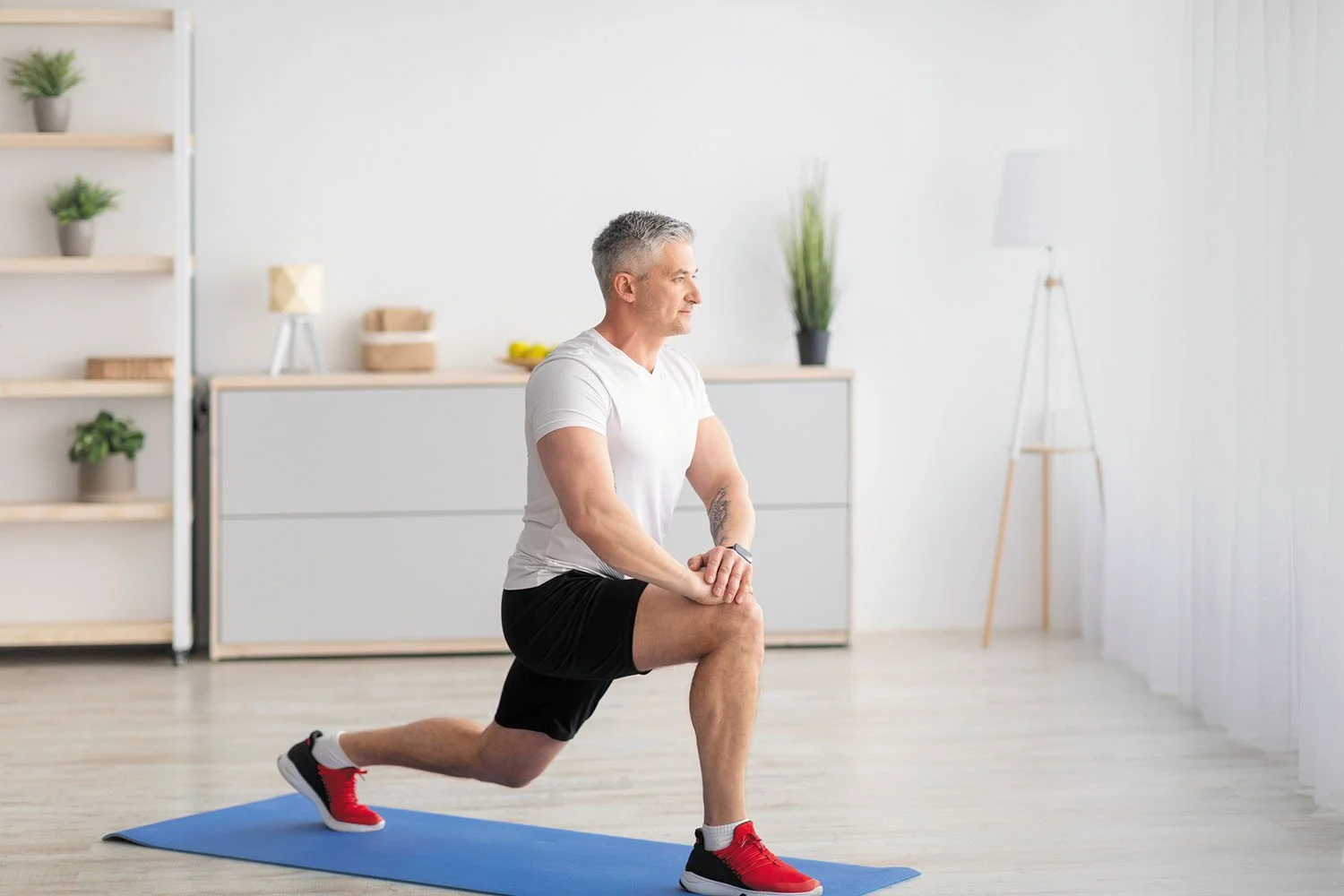
Squats
Targets quads, glutes, and core while reinforcing motor control and neutral alignment.

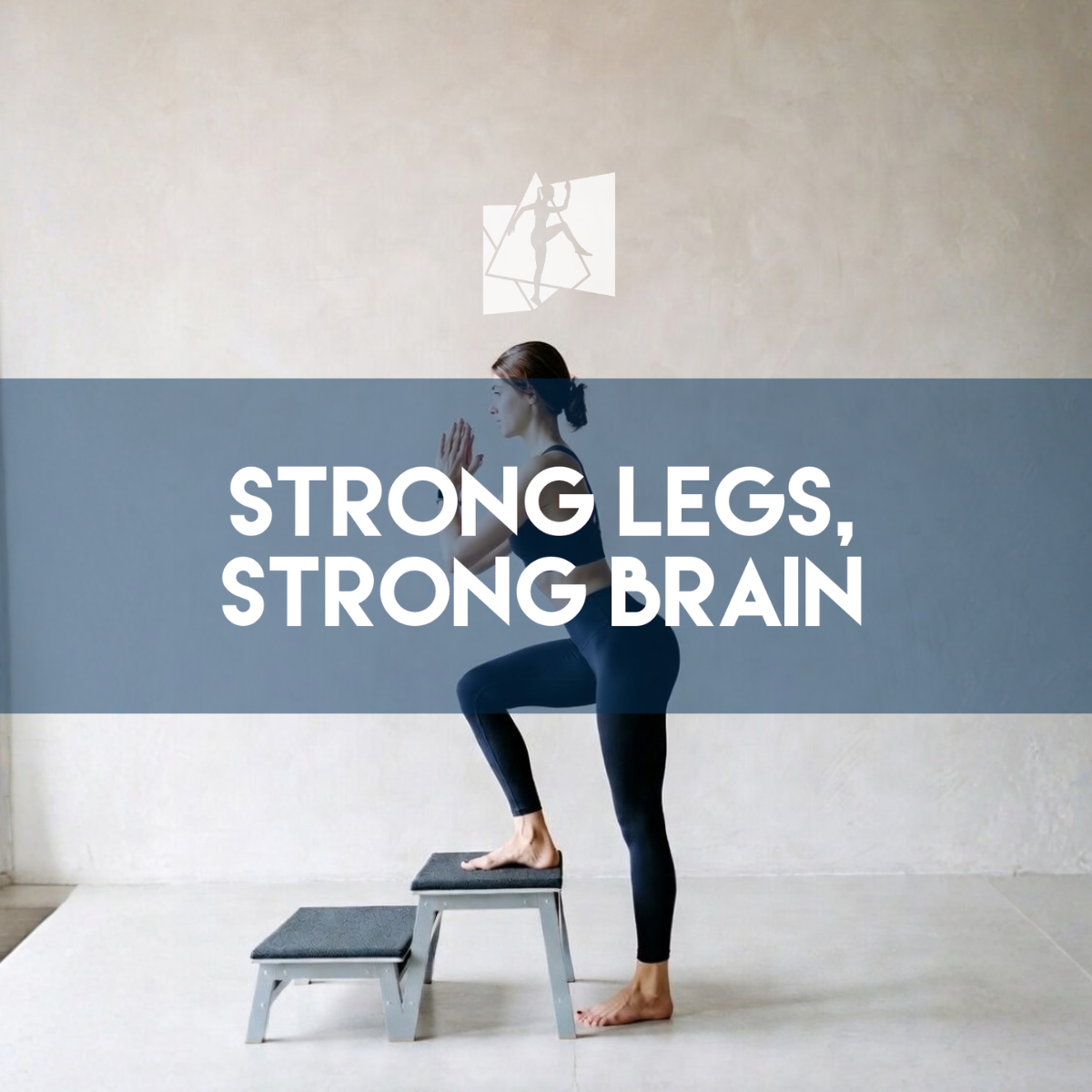
Step-ups
Single-leg strength and dynamic stability that carry over directly to stairs, running, and sport.

Lateral lunges
Trains side-to-side control, hip strength, and prepares for deceleration work — key for cutting and change of direction.

Glute bridges
Focuses on glutes and hamstrings, supporting hip extension and pelvic control.

Calf raises
Builds calf and ankle strength, helping with balance, walking, and running efficiency.

If you’re new to exercise, have pre-existing medical conditions, or are unsure where to start, check in with a healthcare or rehab professional before ramping up intensity.


The Bottom Line

Strong muscles support more than performance. Building and maintaining leg strength is critical for movement, mobility, and independence — and may also help support cognitive function and healthier brain aging over time.

The takeaway:
Train your legs now.
Load gradually.
Keep them strong across the lifespan.

Because you’re not just training for today’s workout. You may also be investing in how your brain works years from now.


References

1. Jin, W., Liu, S., Huang, L., Xiong, X., Chen, H., & Liang, Z. (2025). Association between muscle strength and dementia in middle-aged and older adults: A nationwide longitudinal study. Journal of psychiatric research, 191, 189–197. https://doi.org/10.1016/j.jpsychires.2025.09.043

2. Brisendine, M. H., & Drake, J. C. (2025). Integrative physiology of skeletal muscle for maintaining cognitive health. The Journal of physiology, 10.1113/JP286748. Advance online publication. https://doi.org/10.1113/JP286748

3. Vaughan, B. A., Muniz-Terrera, G., Simon, J. E., Grooms, D. R., Clark, B. C., Davatzikos, C., Erus, G., Tian, Q., Ferrucci, L., Resnick, S. M., & Simonsick, E. M. (2025). The predictive power of brain-predicted age and leg strength on mobility decline in aging: findings from the Baltimore Longitudinal Study of Aging. The journals of gerontology. Series A, Biological sciences and medical sciences, 80(12), glaf222. https://doi.org/10.1093/gerona/glaf222

4. Song, Y., Jia, S., Wang, X., Wang, A., Li, S., Ding, F., Ma, T., & Wu, X. (2025). Muscle strength, EEG biomarkers, and working memory as interacting predictors of cognitive function in cognitively impaired older adults. Frontiers in aging neuroscience, 17, 1641209. https://doi.org/10.3389/fnagi.2025.1641209

5. Chen, C., & Nakagawa, S. (2023). Physical activity for cognitive health promotion: An overview of the underlying neurobiological mechanisms. Ageing research reviews, 86, 101868. https://doi.org/10.1016/j.arr.2023.101868

6. Tari, A. R., Walker, T. L., Huuha, A. M., Sando, S. B., & Wisloff, U. (2025). Neuroprotective mechanisms of exercise and the importance of fitness for healthy brain ageing. Lancet (London, England), 405(10484), 1093–1118. https://doi.org/10.1016/S0140-6736(25)00184-9

7. Steves, C. J., Mehta, M. M., Jackson, S. H., & Spector, T. D. (2016). Kicking Back Cognitive Ageing: Leg Power Predicts Cognitive Ageing after Ten Years in Older Female Twins. Gerontology, 62(2), 138–149. https://doi.org/10.1159/000441029

Are You Spring Ready?

Spring sports ramp up fast — practices lengthen, intensity spikes, and competition schedules fill up. Whether you’re a high school athlete or a weekend warrior, your performance and durability are built long before the first game. In this blog, you’ll find tips for maximizing spring sport performance and the checklist every high school athlete and weekend warrior needs, covering strength, mobility, progressive speed exposure, and recovery strategies to set the stage for a healthy, successful season.

When the weather shifts, so does activity. Spring sports ramp up fast — practices get longer, intensity spikes, and competition schedules stack up quickly.

But here’s the truth:

Injuries don’t spike because spring arrived. They spike because preparation didn’t happen in winter.

Across both high school athletes and adult recreational athletes, research consistently shows the same pattern: early-season overload, overuse accumulation, and inadequate strength or tissue preparation drive injury rates up.

Let’s break it down.


High School Athletes: The Early-Season Risk Is Real


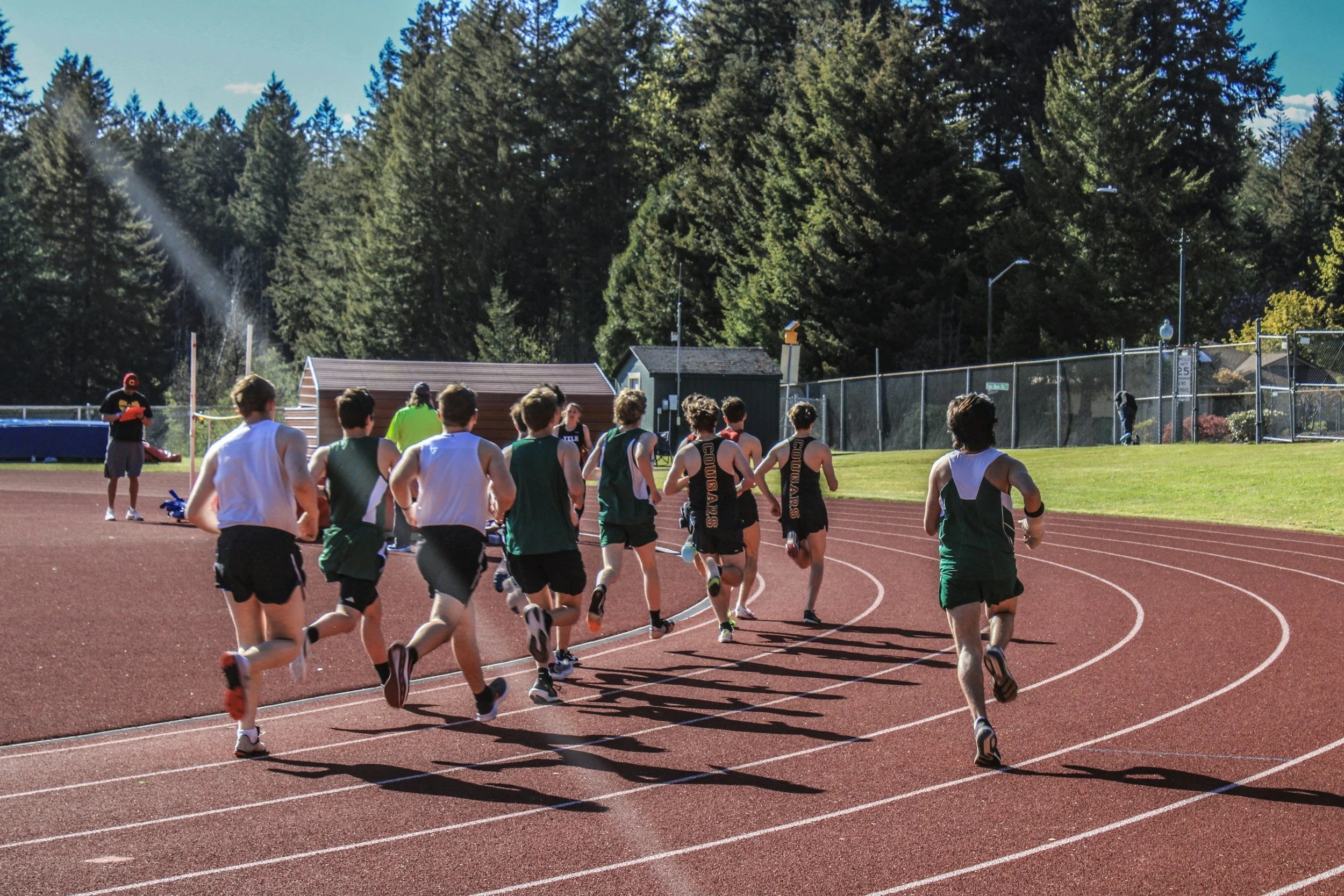
Track & Field

  • Overall injury rate: 0.84 injuries per 1,000 athlete exposures

  • Girls experience 37% higher injury rates than boys

  • Nearly 70% of track athletes sustain at least one injury in season-long studies

  • Training in spikes + ≥6 hours every two weeks increases injury risk 8-fold

Lower extremity injuries dominate — especially hamstrings, calves, knees, and ankles.

Translation: Winter should focus on posterior chain strength, tendon loading, and progressive speed exposure — not just mileage.


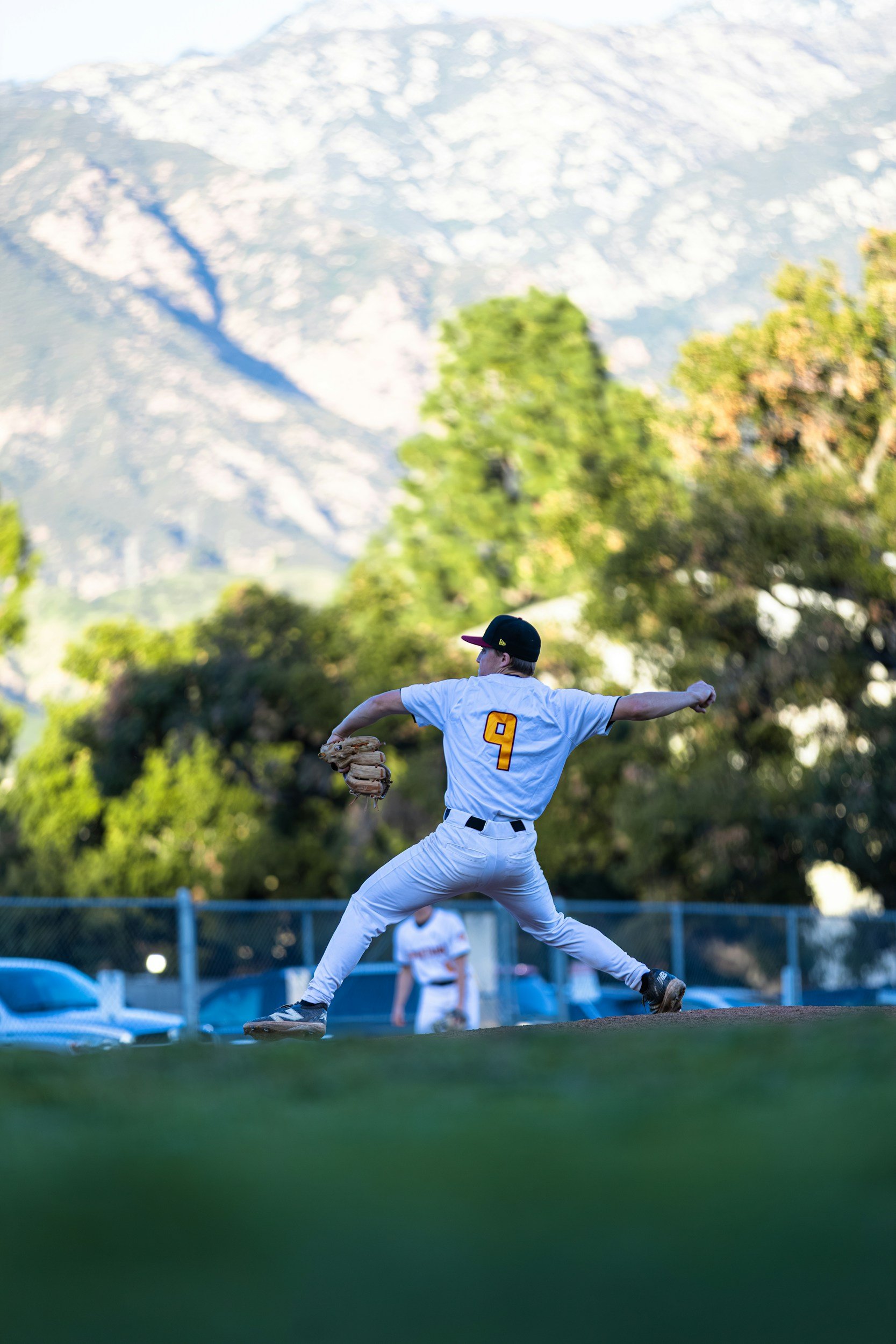
Baseball & Softball

  • Shoulder and elbow injuries are most common

  • Pitchers account for nearly 40% of shoulder injuries and 57% of elbow injuries

  • Injury rates are highest in the first month of the season

Translation: Arm care, scapular strength, and gradual throwing volume must begin in winter — not at the first bullpen.


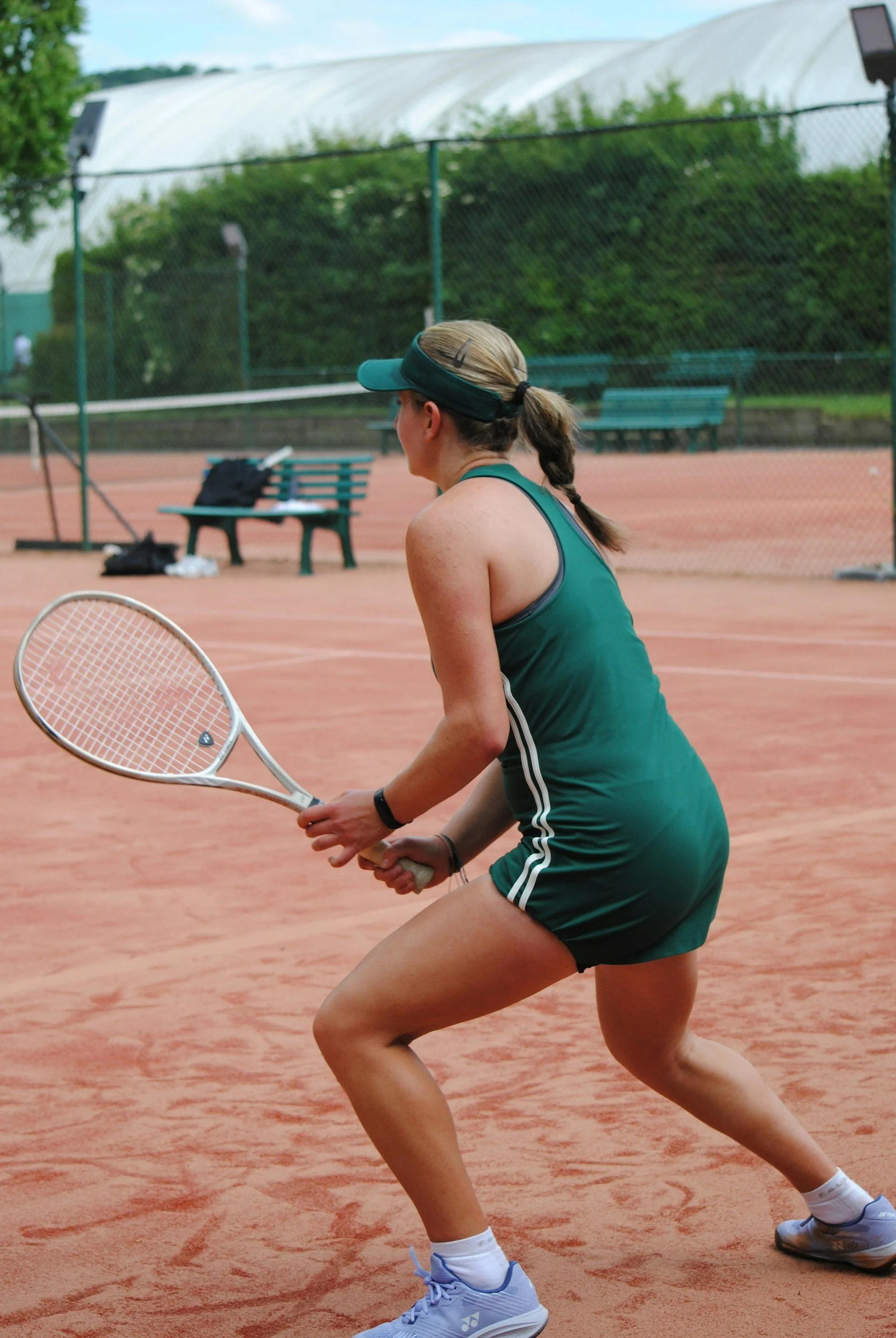
Tennis (Youth)

  • Lower extremity injuries (knee & ankle) are most common

  • 43% of injuries cause >4 weeks missed

  • Training ≥3x/week or >4.5 hours/week doubles injury risk

Repetitive rotation + quick direction changes stress both lower body and shoulder complex.

Translation: Winter needs rotational strength, landing mechanics, and ankle stability work.


Weekend Warriors: The Spring Surge Problem

Adults face the same issue — compressed preparation and intensity spikes.

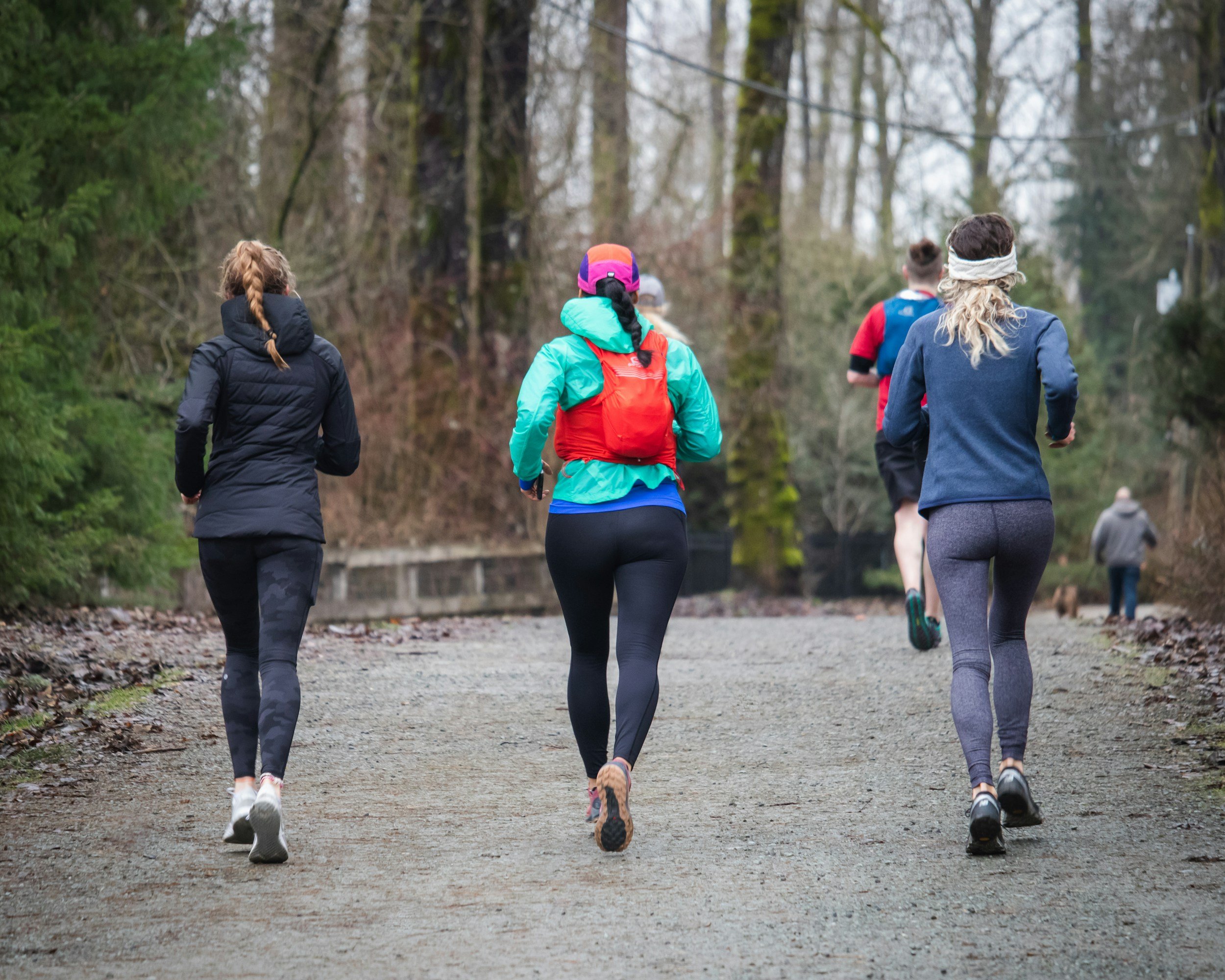
Recreational Runners (5K/10K Season)

  • Most common: shin splints, Achilles tendinopathy, patellofemoral pain

  • Median recovery time: 56 days

  • Poor sleep, high mileage (>20km/week), and higher bodyweight increase risk

Protective factor?
Foot-core strength training reduces injury risk by 60%.

Translation: Winter is the time to build tissue tolerance gradually — not jump into race mileage.


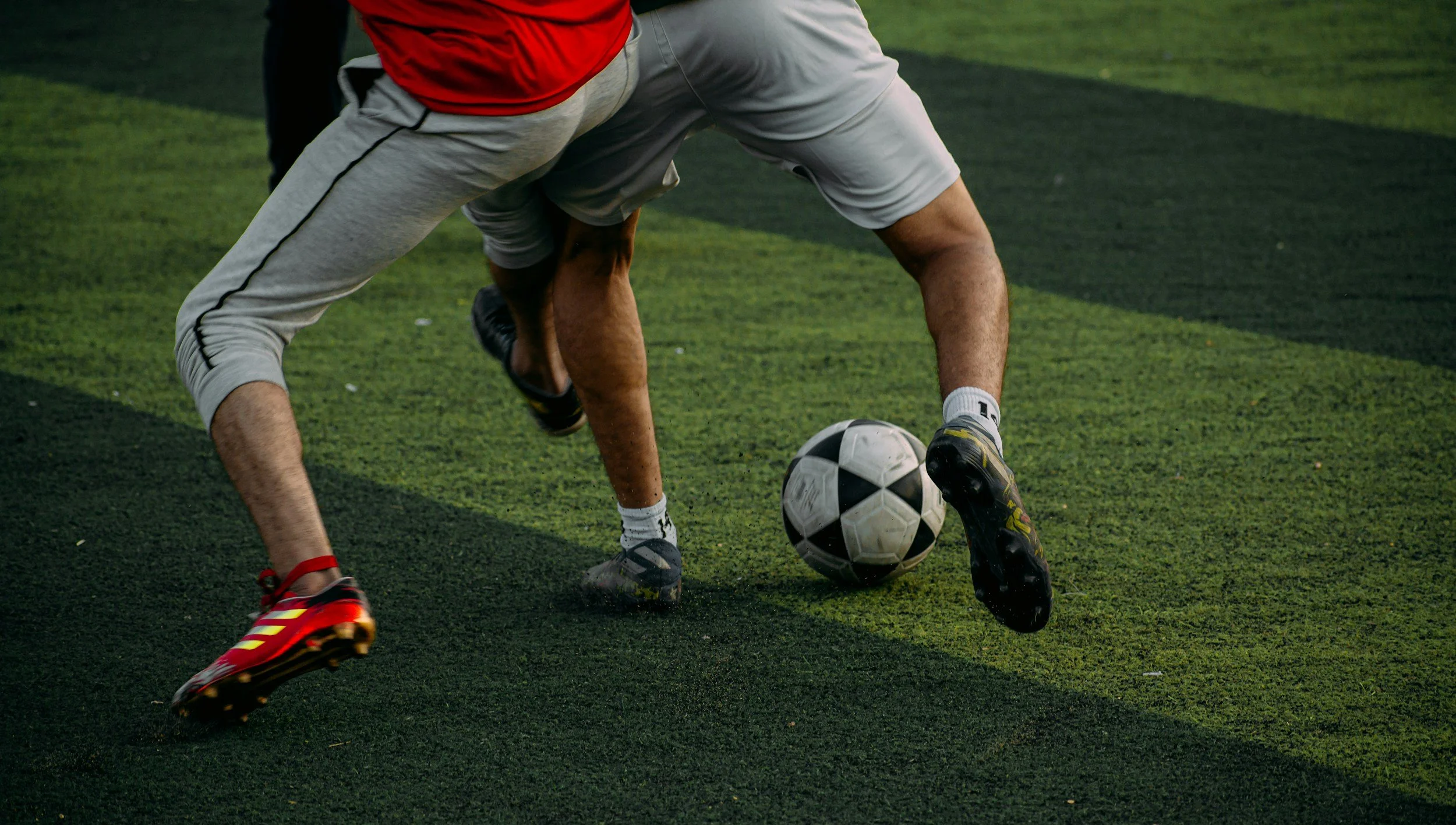
Adult Recreational Soccer

  • 60% sustain at least one time-loss injury per season

  • Knee (29.9%) and ankle (12.4%) most injured

  • 30% of injuries last >1 month

  • 14% are reinjuries

Contact accounts for over half of injuries — but many ligament injuries stem from poor neuromuscular control.

Translation: Winter should include deceleration drills, landing mechanics, and strength for joint stability.


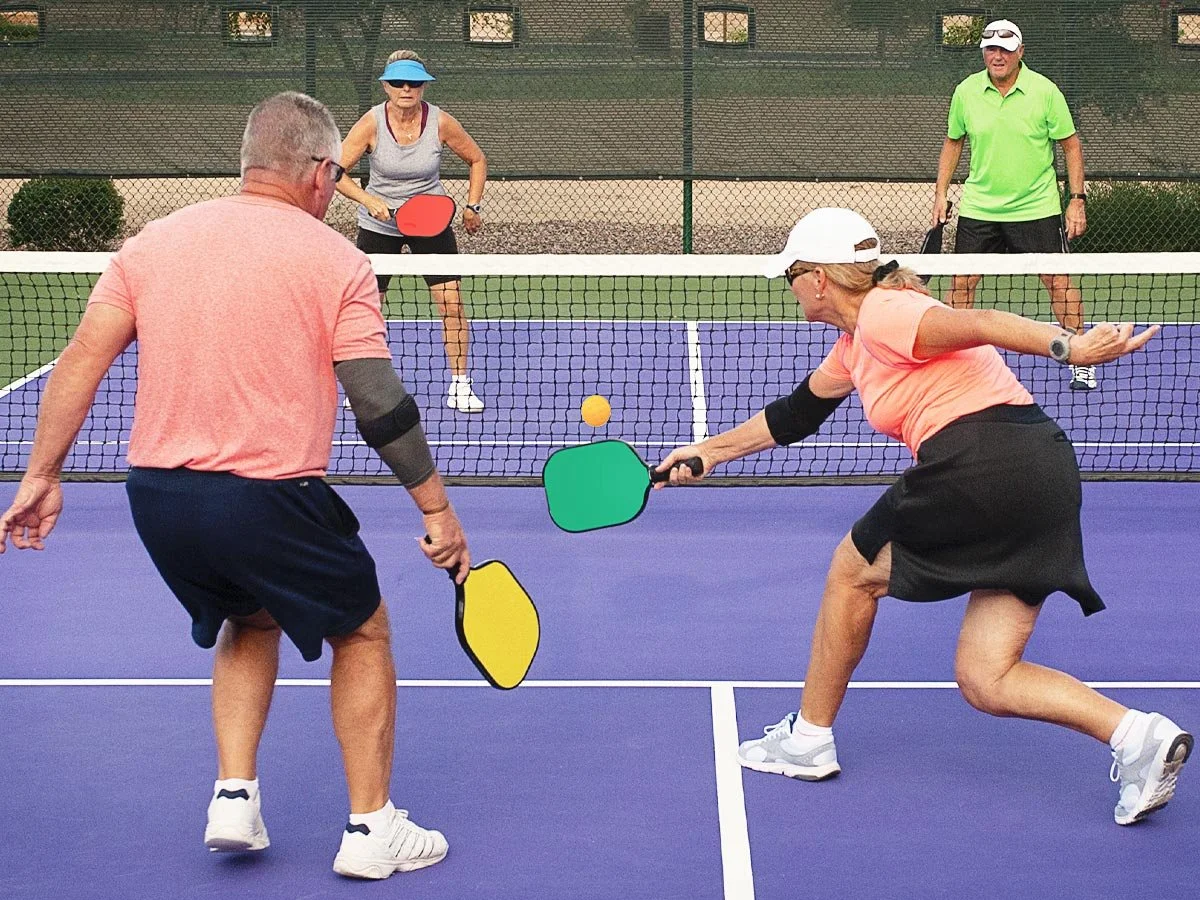
Pickleball (Especially 50+)

  • 34% of recreational players report injury annually

  • Knee, elbow, shoulder most common

  • Achilles ruptures often require surgery

  • Fracture risk increases after age 60

Interestingly, experience and consistent play reduce injury risk — so if you’re gonna play, maybe don’t make it your annual “dust off the cleats and hope for the best” appearance.

Join a regular group. Your muscles (and your pride) will thank you.

Translation: Winter should emphasize balance, calf strength, and reactive footwork.


Why Winter Matters

The first month of spring season consistently shows the highest injury rates across multiple sports.

That tells us one thing:

The body wasn’t prepared for the demand.

Winter training should:

  • Build tendon resilience

  • Increase force production capacity

  • Improve neuromuscular control

  • Gradually expose athletes to speed and volume

Preparation reduces the “too much, too soon” spike.


Winter-to-Spring Readiness Checklist

High School Athlete Checklist

Strength

☐ 2–3x/week lower body strength (posterior chain focus)

☐ Single-leg strength work

☐ Core anti-rotation & rotational strength

☐ Arm care program (for overhead athletes)

Mobility

☐ Ankle dorsiflexion mobility

☐ Hip internal rotation

☐ Thoracic rotation

Speed & Conditioning

☐ Gradual sprint exposure (no sudden spikes)

☐ Acceleration + deceleration drills

☐ Progressive volume build

Recovery

☐ 8+ hours sleep

☐ At least 1 rest day/week

☐ Monitor soreness and early pain signals


Weekend Warrior Checklist

Strength

☐ 2x/week resistance training

☐ Calf and Achilles loading

☐ Knee control exercises

☐ Foot-core training (especially runners)

Volume Management

☐ Increase mileage or play time ≤10% per week

☐ Avoid jumping from “zero to league play”

Balance & Stability

☐ Single-leg balance drills

☐ Lateral movement prep

☐ Deceleration mechanics

Lifestyle Factors

☐ Prioritize sleep

☐ Manage stress

☐ Address lingering injuries before season start


Final Takeaway

Spring performance is built in winter.

Whether you're a high school sprinter, a pitcher, a tennis athlete — or a 42-year-old signing up for a 10K — the research says the same thing:

Preparation determines durability.

Train smart now.
Load gradually.
Build tissue capacity before demand spikes.

Because the goal isn’t just starting the season.

It’s finishing it healthy. 


References

  1. Epidemiology of Injuries in United States High School Track and Field: 2008-2009 Through 2013-2014. Pierpoint LA, Williams CM, Fields SK, Comstock RD. The American Journal of Sports Medicine. 2016;44(6):1463-8. doi:10.1177/0363546516629950.

  2. Prevalence, Incidence and Characteristics of Musculoskeletal Injuries in Athletics (Track and Field): A Systematic Review and Meta-Analysis. Edouard P, Tsukahara Y, Mann RH, et al. British Journal of Sports Medicine. 2026;:bjsports-2025-110541. doi:10.1136/bjsports-2025-110541.

  3. Epidemiology of Overuse Injuries in US Secondary School Athletics From 2014-2015 to 2018-2019 Using the National Athletic Treatment, Injury and Outcomes Network Surveillance Program. Post EG, Simon JE, Robison H, Morris SN, Bell DR. Journal of Athletic Training. 2022;57(5):510-516. doi:10.4085/1062-6050-600-20.

  4. Training in Spikes and Number of Training Hours Correlate to Injury Incidence in Youth Athletics (Track and Field): A Prospective 52-Week Study. Ek A, Kowalski J, Jacobsson J. Journal of Science and Medicine in Sport. 2022;25(2):122-128. doi:10.1016/j.jsams.2021.09.006. 

  5. Shoulder Injuries in US High School Baseball and Softball Athletes, 2005-2008. Krajnik S, Fogarty KJ, Yard EE, Comstock RD. Pediatrics. 2010;125(3):497-501. doi:10.1542/peds.2009-0961. 

  6. Epidemiological Features of High School Baseball Injuries in the United States, 2005-2007. Collins CL, Comstock RD. Pediatrics. 2008;121(6):1181-7. doi:10.1542/peds.2007-2572. 

  7. Epidemiology of Shoulder and Elbow Injuries Among United States High School Baseball Players: School Years 2005-2006 Through 2014-2015. Saper MG, Pierpoint LA, Liu W, et al. The American Journal of Sports Medicine. 2018;46(1):37-43. doi:10.1177/0363546517734172. 

  8. Incidence of Injuries in High School Softball and Baseball Players. Shanley E, Rauh MJ, Michener LA, Ellenbecker TS. Journal of Athletic Training. 2011 Nov-Dec;46(6):648-54. doi:10.4085/1062-6050-46.6.648.

  9. Epidemiological Analysis of Pediatric Baseball and Softball Concussions in United States Emergency Departments. Abed V, Hawk GS, Conley C, Akarakian R, Stone AV. The American Journal of Emergency Medicine. 2023;69:143-146. doi:10.1016/j.ajem.2023.04.025. 

  10. Injury Profile in Junior Tennis Players: A Prospective Two Year Study. Hjelm N, Werner S, Renstrom P. Knee Surgery, Sports Traumatology, Arthroscopy : Official Journal of the ESSKA. 2010;18(6):845-50. doi:10.1007/s00167-010-1094-4. 

  11. Racket Sports-Related Injuries in Youth Athletes: A Narrative Review. Shrestha M, Usmani A, Karlov S, Harris A, Patel DR. International Journal of Environmental Research and Public Health. 2026;23(1):135. doi:10.3390/ijerph23010135. 

  12. Epidemiology of Musculoskeletal Injuries in Tennis Players: Risk Factors. Minghelli B, Cadete J. The Journal of Sports Medicine and Physical Fitness. 2019;59(12):2045-2052. doi:10.23736/S0022-4707.19.09842-6. 

  13. Diagnoses and Time to Recovery Among Injured Recreational Runners in the RUN CLEVER Trial. Mulvad B, Nielsen RO, Lind M, Ramskov D. PloS One. 2018;13(10):e0204742. doi:10.1371/journal.pone.0204742. 

  14. Factors Associated With Lower Limb Injuries in Recreational Runners: A Cross-Sectional Survey Including Mental Aspects and Sleep Quality. Mousavi SH, Hijmans JM, Minoonejad H, Rajabi R, Zwerver J. Journal of Sports Science & Medicine. 2021;20(2):204-215. doi:10.52082/jssm.2021.204.

  15. Predictive Effect of Well-Known Risk Factors and Foot-Core Training in Lower Limb Running-Related Injuries in Recreational Runners: A Secondary Analysis of a Randomized Controlled Trial. Suda EY, Watari R, Matias AB, Taddei UT, Sacco ICN. The American Journal of Sports Medicine. 2022;50(1):248-254. doi:10.1177/03635465211056329. 

  16. Running With Injury: A Study of UK Novice and Recreational Runners and Factors Associated With Running Related Injury. Linton L, Valentin S. Journal of Science and Medicine in Sport. 2018;21(12):1221-1225. doi:10.1016/j.jsams.2018.05.021.

  17. Injuries Among Spanish Male Amateur Soccer Players: A Retrospective Population Study. Herrero H, Salinero JJ, Del Coso J. The American Journal of Sports Medicine. 2014;42(1):78-85. doi:10.1177/0363546513507767. 

  18. Soccer Injuries and Recovery in Dutch Male Amateur Soccer Players: Results of a Prospective Cohort Study. van Beijsterveldt AM, Steffen K, Stubbe JH, et al. Clinical Journal of Sport Medicine : Official Journal of the Canadian Academy of Sport Medicine. 2014;24(4):337-42. doi:10.1097/JSM.0000000000000028. 

  19. Injuries in Formal and Informal Non-Professional Soccer - An Overview of Injury Context, Causes, and Characteristics. Gebert A, Gerber M, Pühse U, et al. European Journal of Sport Science. 2018;18(8):1168-1176. doi:10.1080/17461391.2018.1475507. 

  20. The Perils of Pickleball: A Two Decade Analysis of Upper and Lower Extremity Injuries From America's Fastest Growing Sport. Boroumand S, Park N, Katsnelson B, et al. Journal of Sports Sciences. 2025;43(14):1378-1385. doi:10.1080/02640414.2025.2496089. 

  21. Pickleball-Related Injuries Treated in Emergency Departments. Forrester MB. The Journal of Emergency Medicine. 2020;58(2):275-279. doi:10.1016/j.jemermed.2019.09.016. 

  22. Injury Risk and Epidemiology of Pickleball Players in South Korea: A Cross-Sectional Study. Jeong B, Lee KJ, Nam SH, et al. Frontiers in Public Health. 2025;13:1617291. doi:10.3389/fpubh.2025.1617291. 

  23. Pickleball: A Standard Review of Injury Prevalence and Prevention in a Rapidly Growing Sport. Azar FM, Lamplot JD, Bernholt DL, Spence DD. The Journal of the American Academy of Orthopaedic Surgeons. 2024;32(22):e1130-e1141. doi:10.5435/JAAOS-D-24-00151. 

  24. As Pickleball Continues to Gain Players, Injuries Are Increasing. Rodgers L. JAMA. 2025;:2840448. doi:10.1001/jama.2025.18833. 

  25. Emerging Patterns of Foot and Ankle Injuries in Pickleball Players: A Short Report. Kingston K, Parker EB, Higgins A, Smith JT. Foot & Ankle International. 2024;45(11):1266-1269. doi:10.1177/10711007241271215. 

  26. Common Sports Injuries in Young Tennis Players. Bylak J, Hutchinson MR. Sports Medicine (Auckland, N.Z.). 1998;26(2):119-32. doi:10.2165/00007256-199826020-00005.

The Rehab Hack Pro Athletes Swear By

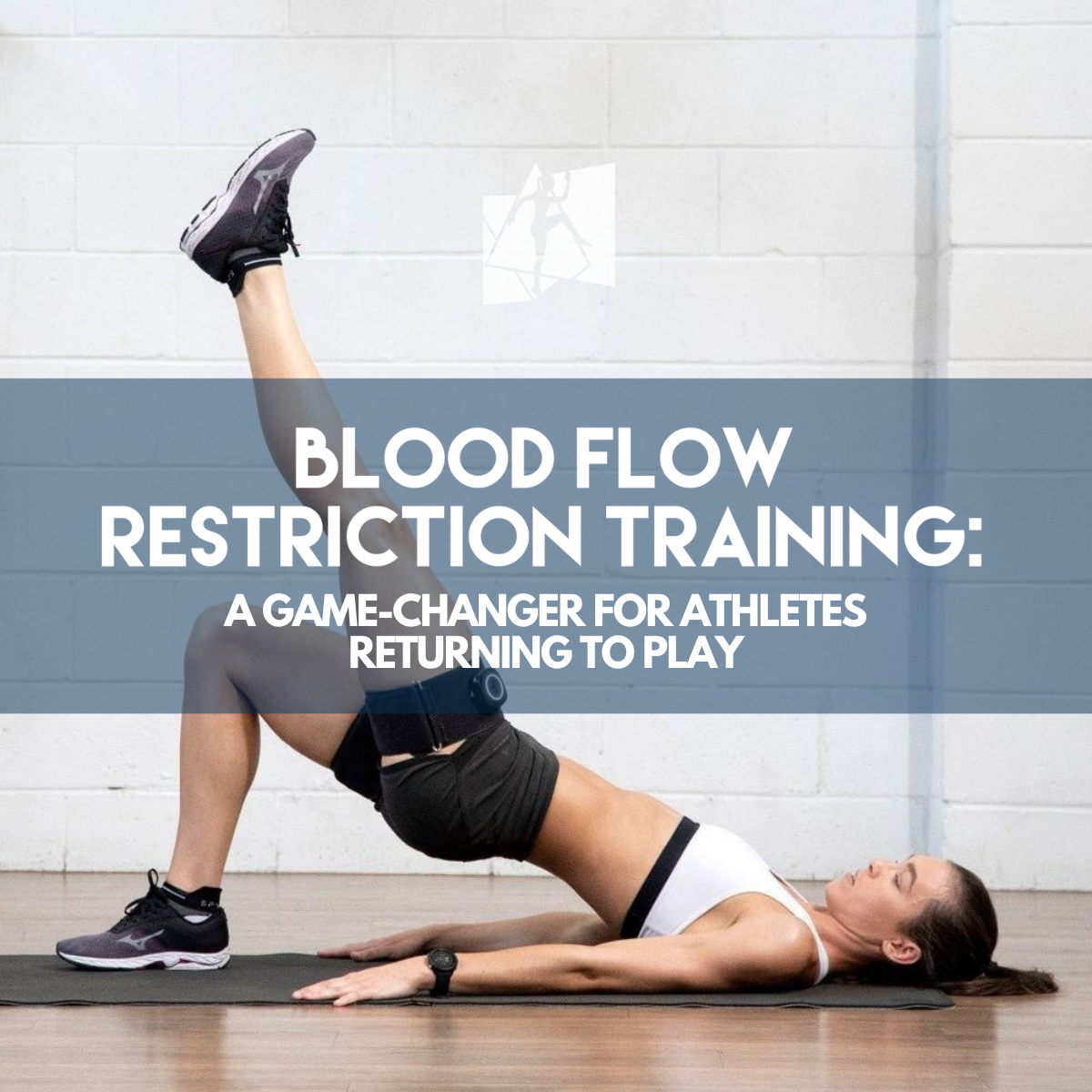
“You need to rest after an injury.”  While in general this advice is true, what if there was a way to rebuild or at the very least maintain your muscle after an injury?  A way to put a healthy amount of stress through your tissues that allows you to return to the field quicker?

You may think this is a cheat code, or “bio-hacking” but in truth it’s simpler than that.  It is the secret that is used in professional athlete training rooms across the globe - Blood Flow Restriction Training (BFR).


What is BFR?

It’s not magic, it’s occlusion.  Specialized cuffs, similar to blood pressure cuffs, are wrapped around the upper portion of your arms or legs and inflated to 40%-90% of your arterial occlusion pressure.  This partially restricts the blow of blood into your limbs as you perform your exercise.  

The restriction of blood tricks your muscles into believing they are working harder; allowing you to benefit more from working at much lower, and safer, loads (20%-30% of 1RM)[2,3].  The metabolic effects from working out with BFR at 30% 1RM have been shown to provide similar results as working out at 70% 1RM.  Thus, making training while recovering safer during early rehab. [4]


The Secret? Metabolic Activity

Muscle growth depends on the nutrients being delivered to build up bigger, faster, and stronger.  BFR creates metabolic stress within the muscle which causes lactate accumulation, cellular swelling, and activation of growth pathways. [3]  

Using BFR also enhances type II, fast twitch, muscle recruitment while also promoting new blood vessel formation to help fuel those muscles. [2,3,5]

It’s tricking your body into thinking it’s working harder than it really is.  


Why do Pro Athletes use this technique?

Sports aren’t just a game to professional athletes, it’s a way of life.  Downtime from an injury affects more than just their playing time and muscle atrophy can delay the return to play. Here are a few advantages of using BFR during rehab: 

  • Preserve muscle mass [6,7]

  • Reduce mechanical stress on healing tissue [4]

  • Accelerate recovery timelines, returning athletes to the field sooner [6]

  • Safe early rehab option when protocols and precautions are followed [8]


PRODUCTS WE LOVE

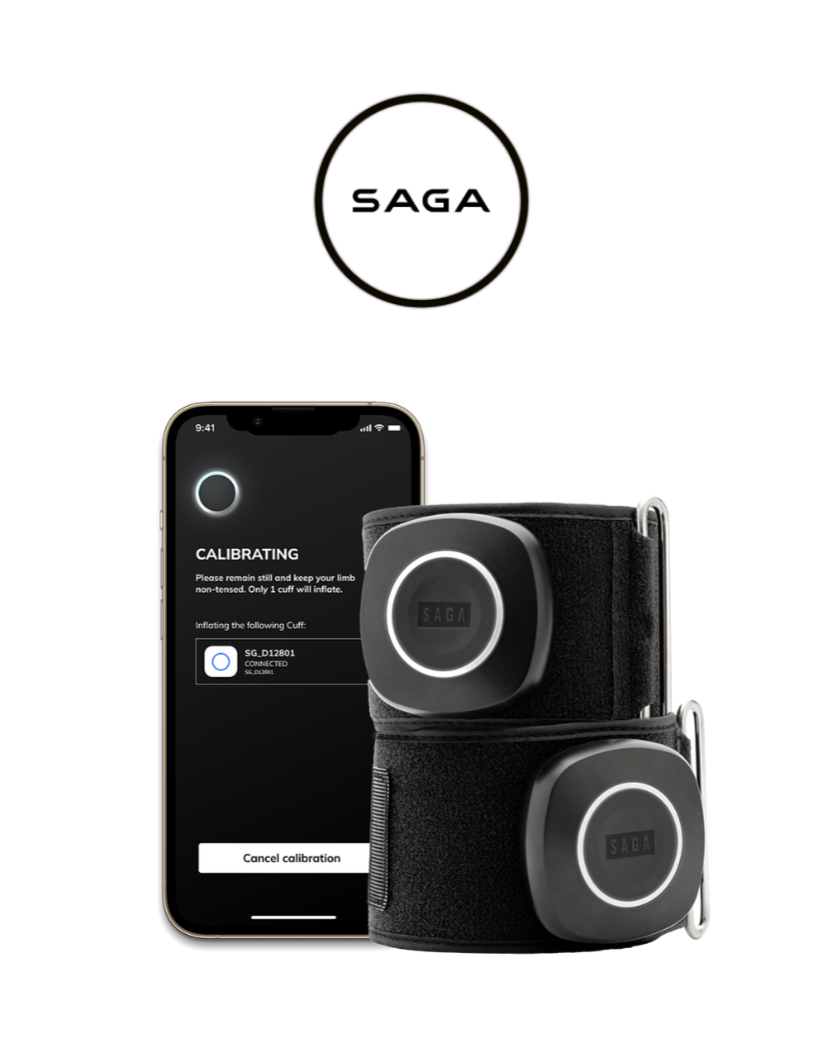
While technique and programming drive effective Blood Flow Restriction Training, the right equipment plays a key supporting role. We consistently use and recommend SAGA and VALD BFR cuffs for their precision, safety, and reliability. When applied appropriately, these systems allow athletes to train at lower loads while still creating the metabolic stimulus needed to preserve muscle and support a safe return to play.


Is it safe?

In general, yes BFR is safe to use when applied properly and under the supervision of a trained professional.  A qualified provider should screen an athlete for any complications that could cause issues.  

Cardiovascular issues like a history of blood clots, severe hypertension, vascular issues, active infections, and cancer are all contraindications.  


What does a training program look like with BFR?

  • Athletes should look to train 2-3 times a week, but more than 3 times a week has shown favorable outcomes. [10]

  • Cuff should be inflated to ≥160 mmHg or 40-90% of arterial occlusion pressure

  • Select a weight that is 20%-30% of 1RM

  • 1-3 exercises are selected to be performed with the cuff inflated

  • An example repetition protocol would be [4]

    • 30 reps

    • Rest 30 seconds

    • 15 reps

    • Rest 30 seconds

    • 15 reps

    • Rest 30 seconds

    • 15 reps


Do I need to be a professional athlete to use BFR?

No! BFR is a valid treatment option for anyone looking to supplement their current workout, or utilize while injured.  Some great options for adding in BFR include[12,3]:

  • Adding BFR work at the end of regular strength sessions for additional volume without excessive fatigue

  • Using BFR during taper periods to maintain muscle mass while reducing mechanical load

  • Incorporating BFR during in-season training when recovery demands are high

Before starting any BFR training it is important to consult with your healthcare provider, proper screening is essential for safe implementation. 


References

  1. Blood Flow Restriction Therapy After Anterior Cruciate Ligament Reconstruction. Johns WL, Vadhera AS, Hammoud S. Arthroscopy : The Journal of Arthroscopic & Related Surgery : Official Publication of the Arthroscopy Association of North America and the International Arthroscopy Association. 2024;40(6):1724-1726. doi:10.1016/j.arthro.2024.03.004.

  2. Blood Flow Restriction Therapy: Where We Are and Where We Are Going. Vopat BG, Vopat LM, Bechtold MM, Hodge KA. The Journal of the American Academy of Orthopaedic Surgeons. 2020;28(12):e493-e500. doi:10.5435/JAAOS-D-19-00347.

  3. Physiological Adaptations and Practical Efficacy of Different Blood Flow Restriction Resistance Training Modes in Athletic Populations. He C, Zhu D, Hu Y. Frontiers in Physiology. 2025;16:1683442. doi:10.3389/fphys.2025.1683442.

  4. Blood Flow Restriction Training. Lorenz DS, Bailey L, Wilk KE, et al. Journal of Athletic Training. 2021;56(9):937-944. doi:10.4085/418-20.

  5. Blood Flow Restriction Training and the High-Performance Athlete: Science to Application. Pignanelli C, Christiansen D, Burr JF. Journal of Applied Physiology (Bethesda, Md. : 1985). 2021;130(4):1163-1170. doi:10.1152/japplphysiol.00982.2020.

  6. Time to Save Time: Beneficial Effects of Blood Flow Restriction Training and the Need to Quantify the Time Potentially Saved by Its Application During Musculoskeletal Rehabilitation. Bielitzki R, Behrendt T, Behrens M, Schega L. Physical Therapy. 2021;101(10):pzab172. doi:10.1093/ptj/pzab172.

  7. Editorial Commentary: Blood Flow Restriction Therapy Continues to Prove Effective. LaPrade RF, Monson JK, Schoenecker J. Arthroscopy : The Journal of Arthroscopic & Related Surgery : Official Publication of the Arthroscopy Association of North America and the International Arthroscopy Association. 2021;37(9):2870-2872. doi:10.1016/j.arthro.2021.04.073.

  8. The Safety of Blood Flow Restriction Training as a Therapeutic Intervention for Patients With Musculoskeletal Disorders: A Systematic Review. Minniti MC, Statkevich AP, Kelly RL, et al. The American Journal of Sports Medicine. 2020;48(7):1773-1785. doi:10.1177/0363546519882652.

  9. Comparison of Blood Flow Restriction Interventions to Standard Rehabilitation After an Anterior Cruciate Ligament Injury: A Systematic Review. Colombo V, Valenčič T, Steiner K, et al. The American Journal of Sports Medicine. 2024;52(14):3641-3650. doi:10.1177/03635465241232002.

  10. Effects of Blood Flow Restriction Training on Physical Fitness Among Athletes: A Systematic Review and Meta-Analysis. Yang K, Chee CS, Abdul Kahar J, et al. Scientific Reports. 2024;14(1):16615. doi:10.1038/s41598-024-67181-9.

  11. Application of Blood Flow Restriction Training in Adolescents: A Narrative Review. Chen ZL, Zhao TS, Ren SF, et al. Medicine. 2025;104(29):e43084. doi:10.1097/MD.0000000000043084.

  12. Where Does Blood Flow Restriction Fit in the Toolbox of Athletic Development? A Narrative Review of the Proposed Mechanisms and Potential Applications. Davids CJ, Roberts LA, Bjørnsen T, et al. Sports Medicine (Auckland, N.Z.). 2023;53(11):2077-2093. doi:10.1007/s40279-023-01900-6.

  13. A Useful Blood Flow Restriction Training Risk Stratification for Exercise and Rehabilitation. Nascimento DDC, Rolnick N, Neto IVS, Severin R, Beal FLR. Frontiers in Physiology. 2022;13:808622. doi:10.3389/fphys.2022.808622.

Water Wins

You've probably heard you need to drink lots of water after a massage. But is that really necessary? Let's look at what the science actually says about hydration, massage, and athletic performance.

Why Water Matters for Athletes

Water makes up about 60% of your body weight and plays essential roles in nutrient transport, temperature regulation, and joint lubrication. For athletes and active individuals, staying hydrated is particularly important because it affects how your muscles and tissues function.[1]

When you're dehydrated, your tissues become stiffer and less flexible. Research shows that dehydration increases the force needed to compress soft tissues and reduces tissue thickness. Even mild dehydration (losing just 3% of your body weight in fluids) can decrease muscle endurance by about 8% and reduce strength by about 5%.[2][3]

Dehydration also creates extra stress on your muscles at the cellular level. Studies show that exercising while dehydrated increases oxidative stress and can impair muscle protein metabolism. Over time, severe dehydration may even slow down muscle recovery and glycogen (energy) storage after workouts.[4][5]


The Truth About Massage and "Toxins"

Here's the reality: the idea that massage releases toxins requiring extra water is a myth. There's no scientific evidence supporting this claim.[6][7][8]

Your body already has highly effective systems for removing waste products—your liver, kidneys, and lymphatic system handle this 24/7. Massage doesn't create a sudden release of toxins that needs to be flushed out with water.

What about lactic acid? This is another common misconception. Lactic acid doesn't cause muscle soreness, and it's cleared from your muscles within 30-60 minutes after exercise—long before you'd typically get a massage. Massage doesn't remove lactic acid, and you don't need extra water to flush it out.[9][10][11]

That said, massage does produce real physiological effects. Studies show it can temporarily reduce cortisol (a stress hormone), lower heart rate, and cause modest changes in inflammatory markers. But none of these effects require you to drink extra water.[12][13][14]


How Much Water Do You Actually Need?

For general health, aim for about 40-45 mL per kilogram of body weight per day from all beverages and food combined. For a 150-pound (68 kg) person, that's roughly 2.7-3 liters (90-100 ounces) total per day.[15][16]

If you're training hard or sweating heavily, you'll need more. A good rule of thumb: replace about 1.5 times the fluid you lose during exercise. For example, if you lose 1 pound during a workout, drink about 24 ounces of fluid.[17]

Simple ways to monitor your hydration:

  • Check your urine color—pale yellow is ideal

  • Pay attention to thirst during moderate activity

  • Weigh yourself before and after intense workouts to estimate fluid loss

  • Add 0.5-1 liter of water after high-sweat sessions


Important: Don't overdo it. Drinking excessive plain water during prolonged exercise can dilute your sodium levels and cause problems.


The Bottom Line

Hydration is important for athletic performance and recovery—but not because of massage. Staying well-hydrated helps maintain tissue flexibility, supports muscle function, and enables efficient recovery from training.[2][4][3]

After your next massage, feel free to drink water if you're thirsty. But don't feel pressured to chug extra water based on myths about toxins or lactic acid. Instead, focus on consistent daily hydration as part of your overall training and recovery strategy.

The real reason to stay hydrated isn't about flushing anything out—it's about keeping your body functioning at its best.


References

  1. Water as an Essential Nutrient: The Physiological Basis of Hydration. Jéquier E, Constant F. European Journal of Clinical Nutrition. 2010;64(2):115-23. doi:10.1038/ejcn.2009.111.

  2. Investigating the Impact of Dehydration and Hydration on in-Vivo Hip Soft Tissue Biomechanics. Khorami F, Foroutan Y, Sparrey CJ. PloS One. 2025;20(8):e0328054. doi:10.1371/journal.pone.0328054.

  3. Effect of Hypohydration on Muscle Endurance, Strength, Anaerobic Power and Capacity and Vertical Jumping Ability: A Meta-Analysis. Savoie FA, Kenefick RW, Ely BR, Cheuvront SN, Goulet ED. Sports Medicine (Auckland, N.Z.). 2015;45(8):1207-27. doi:10.1007/s40279-015-0349-0.

  4. Passive Dehydration Increases Oxidative Stress and mTOR Signalling Pathway Activation in Young Men Following Resistance Exercise. Luk HY, Jiwan NC, Appell CR, et al. The Journal of Physiology. 2025;603(12):3551-3570. doi:10.1113/JP288434.

  5. Hydration, Hyperthermia, Glycogen, and Recovery: Crucial Factors in Exercise Performance-a Systematic Review and Meta-Analysis. López-Torres O, Rodríguez-Longobardo C, Escribano-Tabernero R, Fernández-Elías VE. Nutrients. 2023;15(20):4442. doi:10.3390/nu15204442.

  6. Side-Effects of Massage Therapy: A Cross-Sectional Study of 100 Clients. Cambron JA, Dexheimer J, Coe P, Swenson R. Journal of Alternative and Complementary Medicine (New York, N.Y.). 2007;13(8):793-6. doi:10.1089/acm.2006.6401.

  7. The Safety of Massage Therapy. Ernst E. Rheumatology (Oxford, England). 2003;42(9):1101-6. doi:10.1093/rheumatology/keg306.

  8. The Mechanisms of Massage and Effects on Performance, Muscle Recovery and Injury Prevention. Weerapong P, Hume PA, Kolt GS. Sports Medicine (Auckland, N.Z.). 2005;35(3):235-56. doi:10.2165/00007256-200535030-00004.

  9. Delayed Onset Muscle Soreness : Treatment Strategies and Performance Factors. Cheung K, Hume P, Maxwell L. Sports Medicine (Auckland, N.Z.). 2003;33(2):145-64. doi:10.2165/00007256-200333020-00005.

  10. Delayed Muscle Soreness: A Review. Francis K. The Journal of Orthopaedic and Sports Physical Therapy. 1983;5(1):10-3. doi:10.2519/jospt.1983.5.1.10.

  11. Lactate: Friend or Foe. Hall MM, Rajasekaran S, Thomsen TW, Peterson AR. PM & R : The Journal of Injury, Function, and Rehabilitation. 2016;8(3 Suppl):S8-S15. doi:10.1016/j.pmrj.2015.10.018.

  12. Physiological Adjustments to Stress Measures Following Massage Therapy: A Review of the Literature. Moraska A, Pollini RA, Boulanger K, Brooks MZ, Teitlebaum L. Evidence-Based Complementary and Alternative Medicine : eCAM. 2010;7(4):409-18. doi:10.1093/ecam/nen029.

  13. Influence of Classical Massage on Biochemical Markers of Oxidative Stress in Humans: Pilot Study. Skubisz Z, Kupczyk D, Goch A, et al. BioMed Research International. 2021;2021:6647250. doi:10.1155/2021/6647250.

  14. Effect of Single Session of Swedish Massage on Circulating Levels of Interleukin-6 and Insulin-Like Growth Factor 1. Stenbäck V, Lehtonen I, Mäkelä KA, et al. International Journal of Molecular Sciences. 2024;25(17):9135. doi:10.3390/ijms25179135.

  15. Hydration for Health Hypothesis: A Narrative Review of Supporting Evidence. Perrier ET, Armstrong LE, Bottin JH, et al. European Journal of Nutrition. 2021;60(3):1167-1180. doi:10.1007/s00394-020-02296-z.

  16. Hydration and Health at Ages 40-70 Years in Salzburg Austria Is Associated With a Median Total Water Intake Over 40 mL/kg Including at Least 1 L/D Plain Drinking Water. Stookey JD, Langthaler PB, Felder TK, et al. Frontiers in Public Health. 2025;13:1668981. doi:10.3389/fpubh.2025.1668981.

  17. Selected Issues for Nutrition and the Athlete: A Team Physician Consensus Statement. Medicine and Science in Sports and Exercise. 2013;45(12):2378-86. doi:10.1249/MSS.0000000000000174.