

Physical TheraPT

Injury Prevention

Injury Prevention Tips for Every Athlete, Every Age

Summer either supercharges your fitness routine or quietly dismantles it. Either way, fall is a natural reset point — whether you're a high school athlete starting a season, an early-career professional short on time, a parent reclaiming an hour for yourself, or a master athlete navigating life post-career.


High School Athletes

1. Respect the ramp-up. Going from 0 to 100 the moment practice starts is the most common mistake young athletes make — your lungs adapt faster than your tendons and joints. Research in Frontiers in Sports and Active Living (2023) found that progressive, individualized training significantly reduced injury in youth athletes returning to competitive sport. Nearly 60% of non-contact injuries happen during this transition, making a 2–3 week ramp-up essential, not optional.

2. Prioritize sleep like it's part of training. A 2024 Nutrients review confirmed sleep directly affects performance, recovery, and injury risk in adolescent athletes. Sleep Science research found athletes sleeping under 8 hours had a 1.7x higher injury risk.

3. Know soreness from a signal. Soreness fading in 24–48 hours is normal. Sharp or worsening pain needs evaluation.

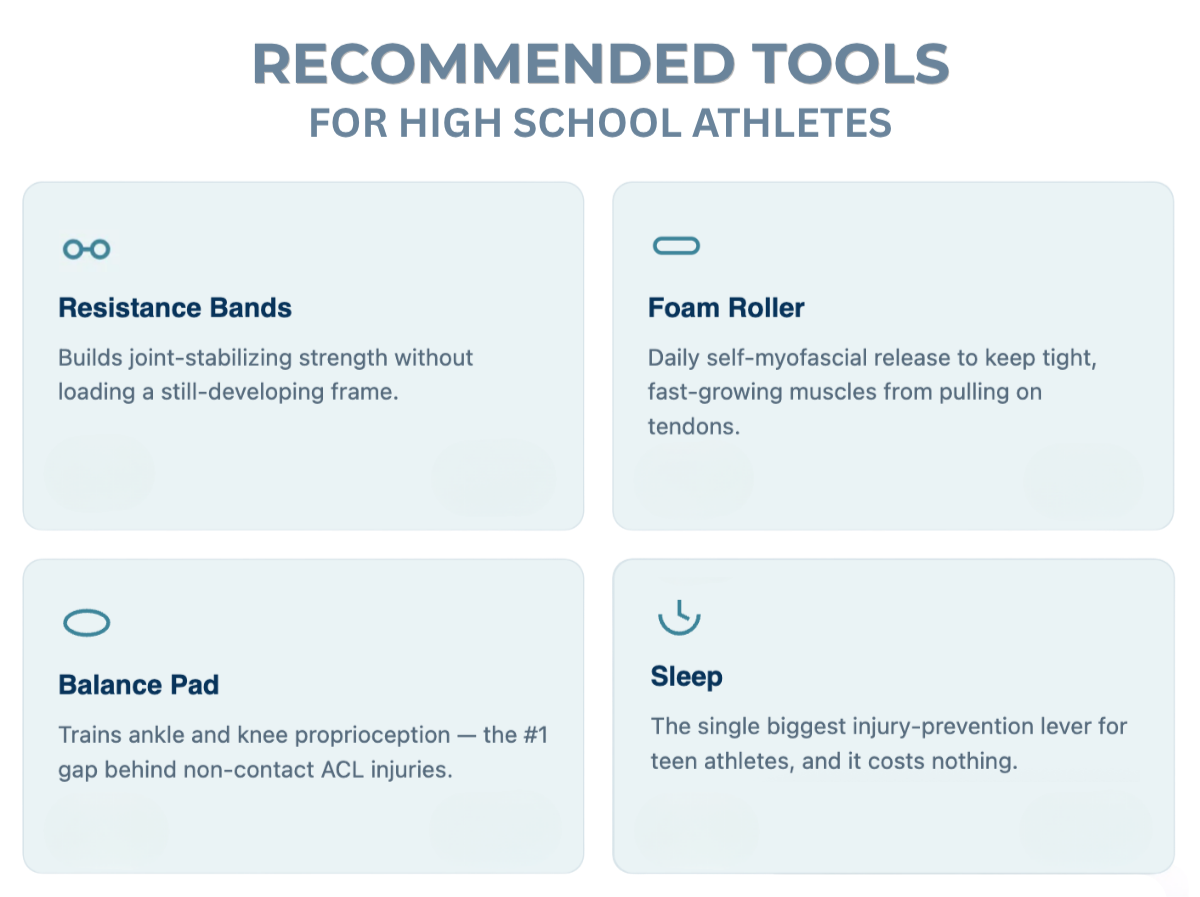
→ Consider an Athletic Performance Assessment. Force plate analysis and movement screening can catch asymmetries before they become injuries — a 2025 International Journal of Sports Physical Therapy study confirmed jump metrics predict physical readiness.

→ Don't skip soft tissue care. A 2020 BMJ Open Sport & Exercise Medicine meta-analysis found massage reduces DOMS and speeds recovery — especially valuable during early-season load spikes.

Post-College / Early Career

1. Anchor workouts to a fixed time, not a free moment — free moments don't exist in early-career life. Treat training like a meeting that can't move.

2. Start smaller than feels necessary. A 30-minute session you actually complete beats a 90-minute program you abandon. 2024 Sports Medicine research confirms injury-prevention programs work best with consistency.

3. Use your calendar like an athlete would. Map out four weeks, block workouts around travel and deadlines — this is periodization for real life.

Check out our Consistency Compass on IG @physical.therapt for building habits that hold under pressure.

→ Don't wait until something hurts. A 2025 systematic review of 47 studies found bi-weekly, 40–60 minute massage protocols produced the best recovery outcomes.

Parents

1. Claim the first window before anything else fills it. Block your workout time for the whole semester in week one — this is an investment in your family, not selfishness.

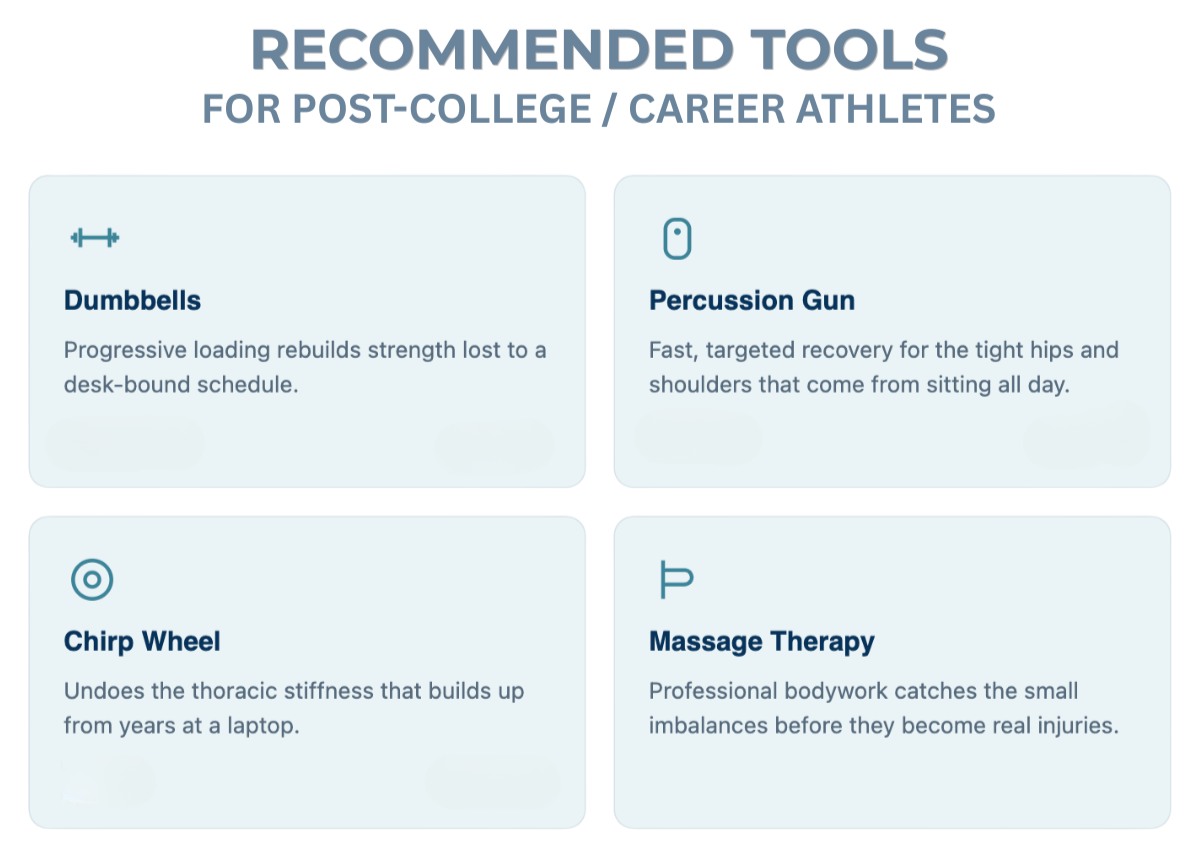
2. Lower the barrier, not the standard. A 20-minute home band circuit counts. Consistency, not intensity, predicts long-term fitness.

3. Treat yourself like a new patient. Start with an honest inventory rather than resuming your old routine — and address nagging pain instead of training around it.

Our Mid-Year Reset on IG @physical.therapt walks through a simple self-assessment.

→ Massage for tissue management. RCTs show massage reduces DOMS by ~30% and speeds functional recovery — maintenance, not luxury.

→ Get objective data on strength, power, and movement quality through an Athletic Performance Assessment.


Master Athletes

1. Rotate sports seasonally to distribute load and give tissues recovery time. Evidence shows the load-injury relationship is U-shaped — too little and too much are both risky.

2. Build your own periodization — 12-week blocks with a clear focus, followed by 2 weeks of lower intensity. A 2025 Premier Science Journal study confirms embedded recovery phases reduce injuries linked to chronic overload.

3. Use data, not just feel. Force plate metrics and strength symmetry give you a real baseline to train from.

The Consistency Compass on IG @physical.therapt helps athletes build habits across seasons, not just during them.

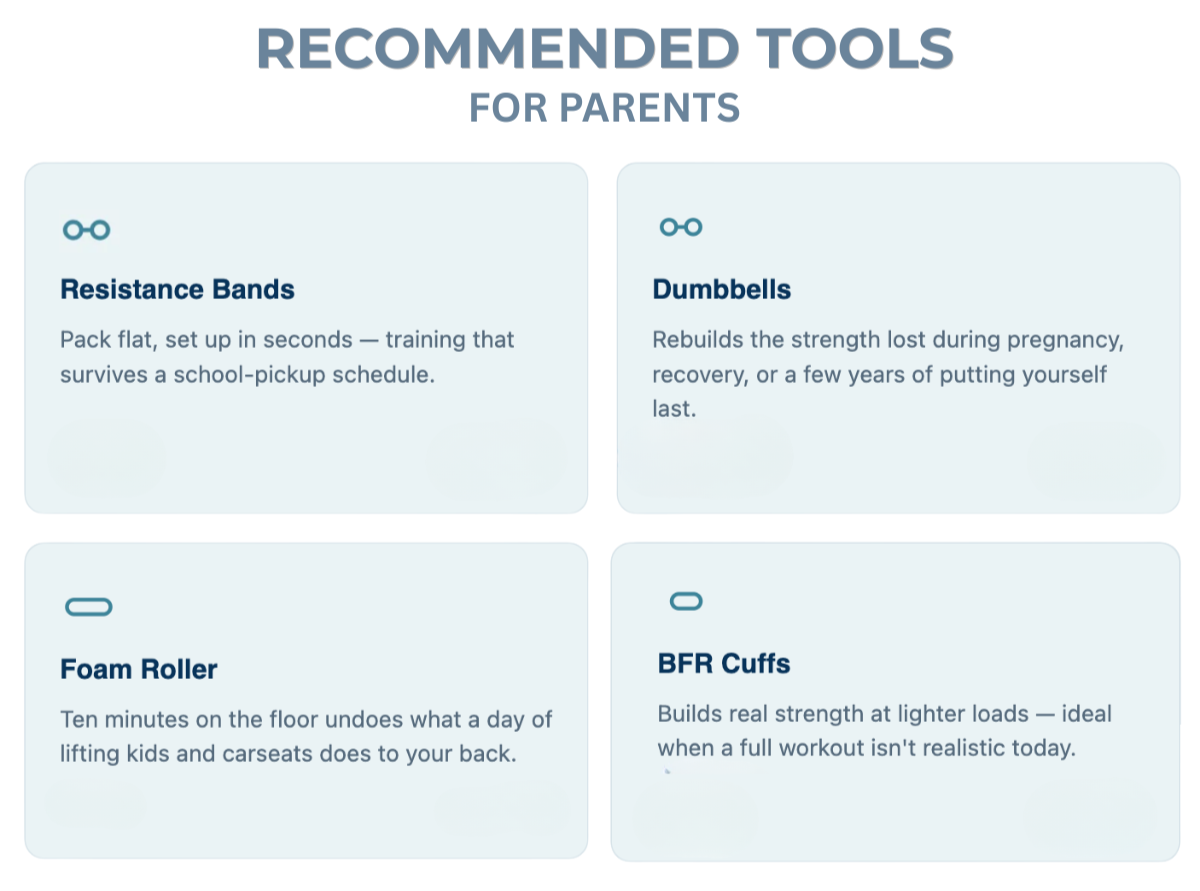
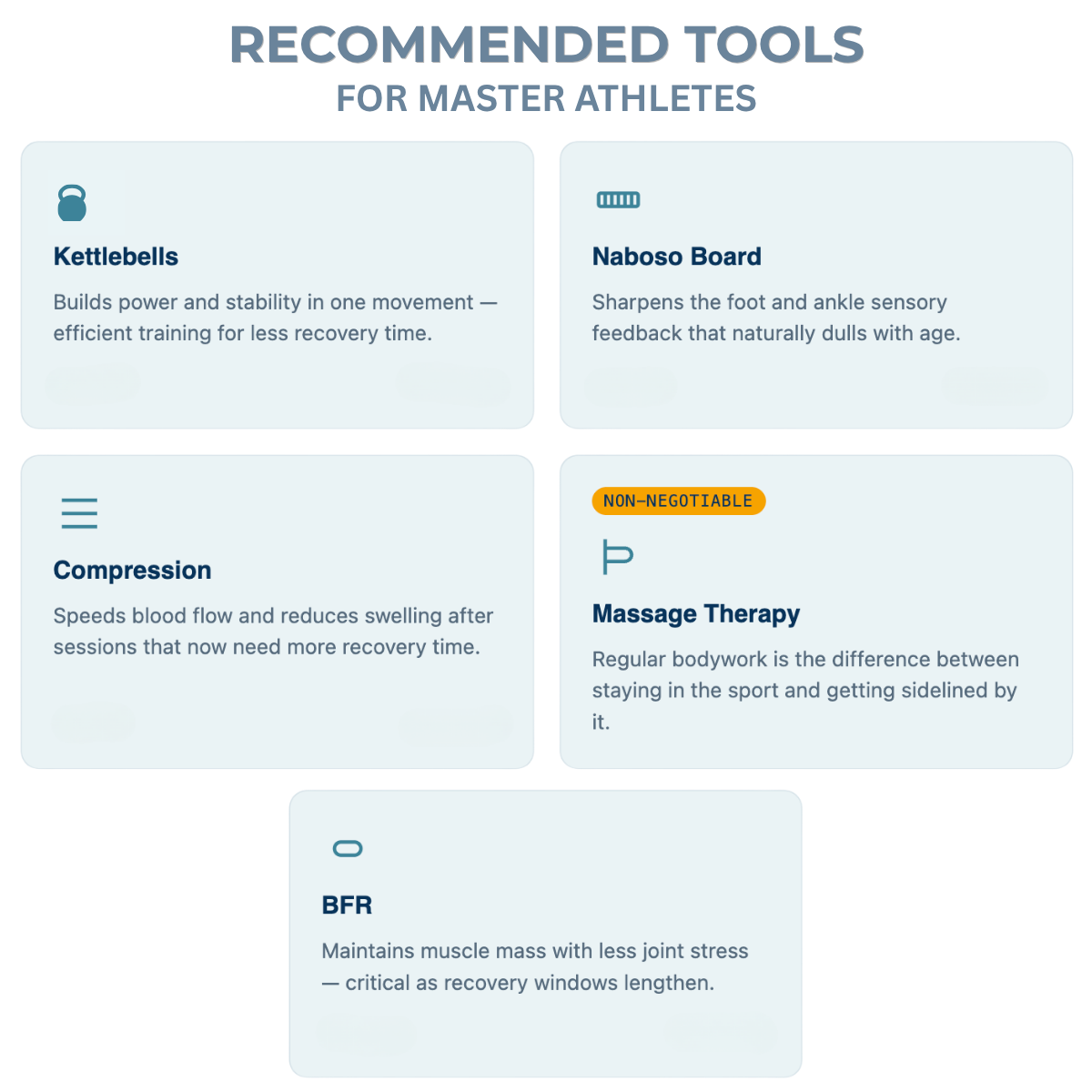
→ Make massage non-negotiable. A 2024 PRISMA review of 23 studies found sports massage effective for both acute and chronic injuries, with deep tissue work particularly beneficial for return-to-activity timelines.
The Bottom Line

Fall is a natural checkpoint — a brief but real window for new habits. Wherever you're starting from, the best move is one small, specific decision today, backed by the right support to help it stick.


Questions about an old injury or an athletic performance plan?
Reach out to the Physical TheraPT team.


References

  1. Nyhus Hagum, M., et al. (2023). The effect of progressive and individualised sport-specific training on the prevalence of injury in football and handball student athletes: A randomised controlled trial. Frontiers in Sports and Active Living. https://pmc.ncbi.nlm.nih.gov/articles/PMC10279870/

  2. Mason, L., et al. (2023). Sleep, nutrition, and injury risk in adolescent athletes: A narrative review. Nutrients, 15(24), 5101. https://doi.org/10.3390/nu15245101

  3. Viegas, F., et al. (2022). Sleep as a predictor of musculoskeletal injuries in adolescent athletes. Sleep Science, 15(3), 305–311. https://doi.org/10.5935/1984-0063.20220055

  4. Craven, J., et al. (2022). Effects of acute sleep loss on physical performance: A systematic and meta-analytical review. Sports Medicine, 52, 2669–2690. https://doi.org/10.1007/s40279-022-01706-y

  5. Davis, H.L., Alabed, S., & Chico, T.J.A. (2020). Effect of sports massage on performance and recovery: A systematic review and meta-analysis. BMJ Open Sport & Exercise Medicine, 6(1), e000614. https://pmc.ncbi.nlm.nih.gov/articles/PMC7228568/

  6. Shankar, D.S., et al. (2023). Force plate jump testing metrics are predictive of performance on a multimodal return to sport testing protocol. Journal of Sports Medicine and Physical Fitness, 63(11), 1208–1217. https://doi.org/10.23736/S0022-4707.23.14850-X

  7. Robles-Palazón, F.J., et al. (2023). Force plate methodologies applied to injury profiling and rehabilitation in sport: A scoping review protocol. PLOS ONE. https://doi.org/10.1371/journal.pone.0292487

  8. Lauersen, J.B., Bertelsen, D.M., & Andersen, L.B. (2018). Strength training as superior, dose-dependent and safe prevention of acute and overuse sports injuries. British Journal of Sports Medicine, 52(24), 1557–1563.

  9. Impellizzeri, F.M., et al. (2020). Training load and its role in injury prevention, part I: Back to the future. Journal of Athletic Training, 55(9), 885–892. https://doi.org/10.4085/1062-6050-500-19

  10. Premierscience.com. (2025). Load management and injury prevention in elite athletes. Premier Science Journal. https://premierscience.com/pjs-25-1041/

  11. IGI Active in Sport. (2025). The effectiveness of massage therapy in treating sports injuries: A PRISMA-based systematic review. https://journal.igiinsight.com/index.php/IgiActivein/article/download/108/98

  12. Sams, L., et al. (2023). The effect of percussive therapy on musculoskeletal performance and experiences of pain. International Journal of Sports Physical Therapy, 18, 309–327. https://doi.org/10.26603/001c.73795

  13. Alonso-Calvete, A., et al. (2022). Does vibration foam roller influence performance and recovery? Sports Medicine – Open, 8, 32. https://doi.org/10.1186/s40798-022-00421-2

  14. Liddle, N., et al. (2024). Exercise-based injury prevention programmes on injury risk in adult recreational athletes. Sports Medicine, 54(3), 645–658.
Are You Spring Ready?

Spring sports ramp up fast — practices lengthen, intensity spikes, and competition schedules fill up. Whether you’re a high school athlete or a weekend warrior, your performance and durability are built long before the first game. In this blog, you’ll find tips for maximizing spring sport performance and the checklist every high school athlete and weekend warrior needs, covering strength, mobility, progressive speed exposure, and recovery strategies to set the stage for a healthy, successful season.

When the weather shifts, so does activity. Spring sports ramp up fast — practices get longer, intensity spikes, and competition schedules stack up quickly.

But here’s the truth:

Injuries don’t spike because spring arrived. They spike because preparation didn’t happen in winter.

Across both high school athletes and adult recreational athletes, research consistently shows the same pattern: early-season overload, overuse accumulation, and inadequate strength or tissue preparation drive injury rates up.

Let’s break it down.


High School Athletes: The Early-Season Risk Is Real


Track & Field

  • Overall injury rate: 0.84 injuries per 1,000 athlete exposures

  • Girls experience 37% higher injury rates than boys

  • Nearly 70% of track athletes sustain at least one injury in season-long studies

  • Training in spikes + ≥6 hours every two weeks increases injury risk 8-fold

Lower extremity injuries dominate — especially hamstrings, calves, knees, and ankles.

Translation: Winter should focus on posterior chain strength, tendon loading, and progressive speed exposure — not just mileage.


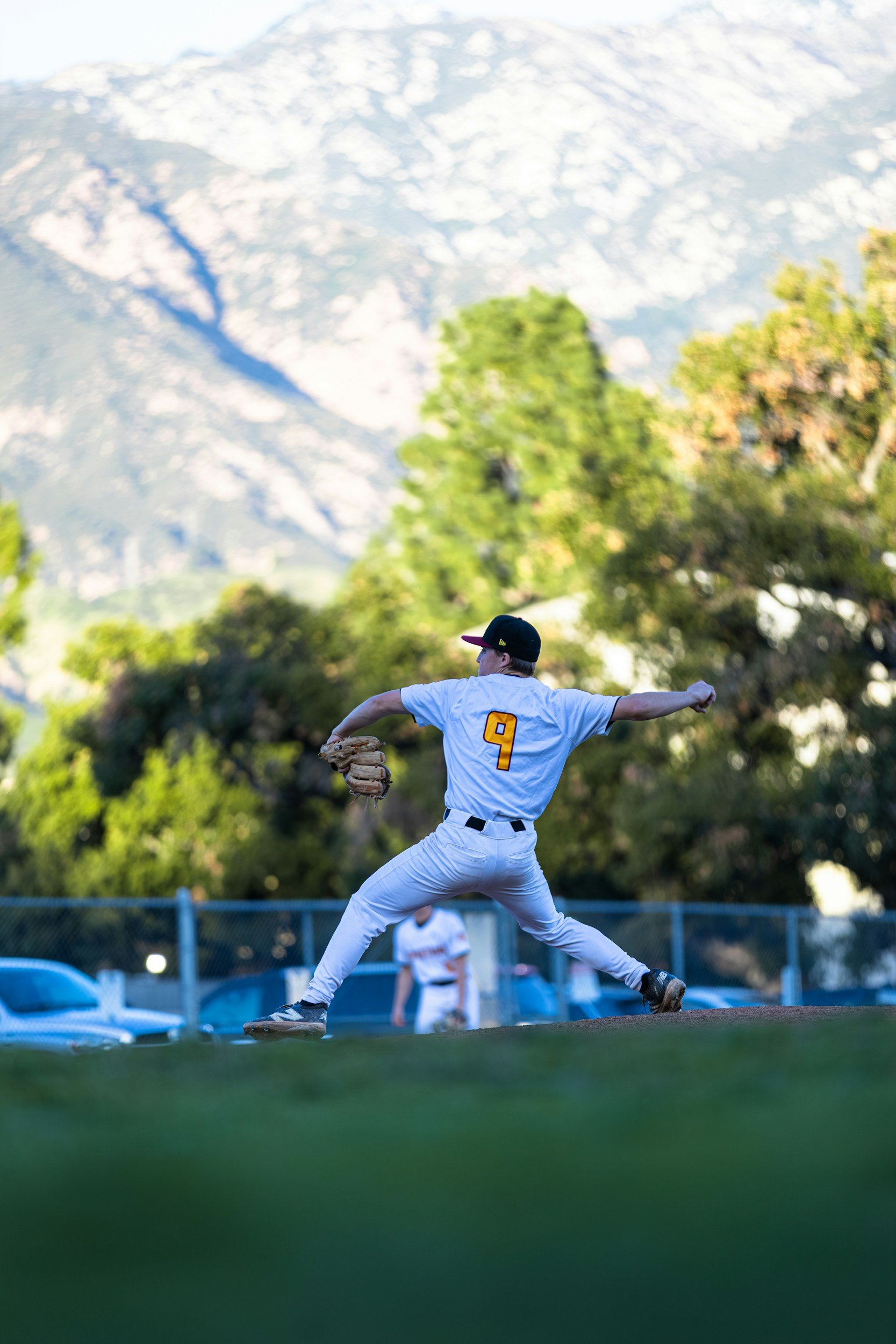
Baseball & Softball

  • Shoulder and elbow injuries are most common

  • Pitchers account for nearly 40% of shoulder injuries and 57% of elbow injuries

  • Injury rates are highest in the first month of the season

Translation: Arm care, scapular strength, and gradual throwing volume must begin in winter — not at the first bullpen.


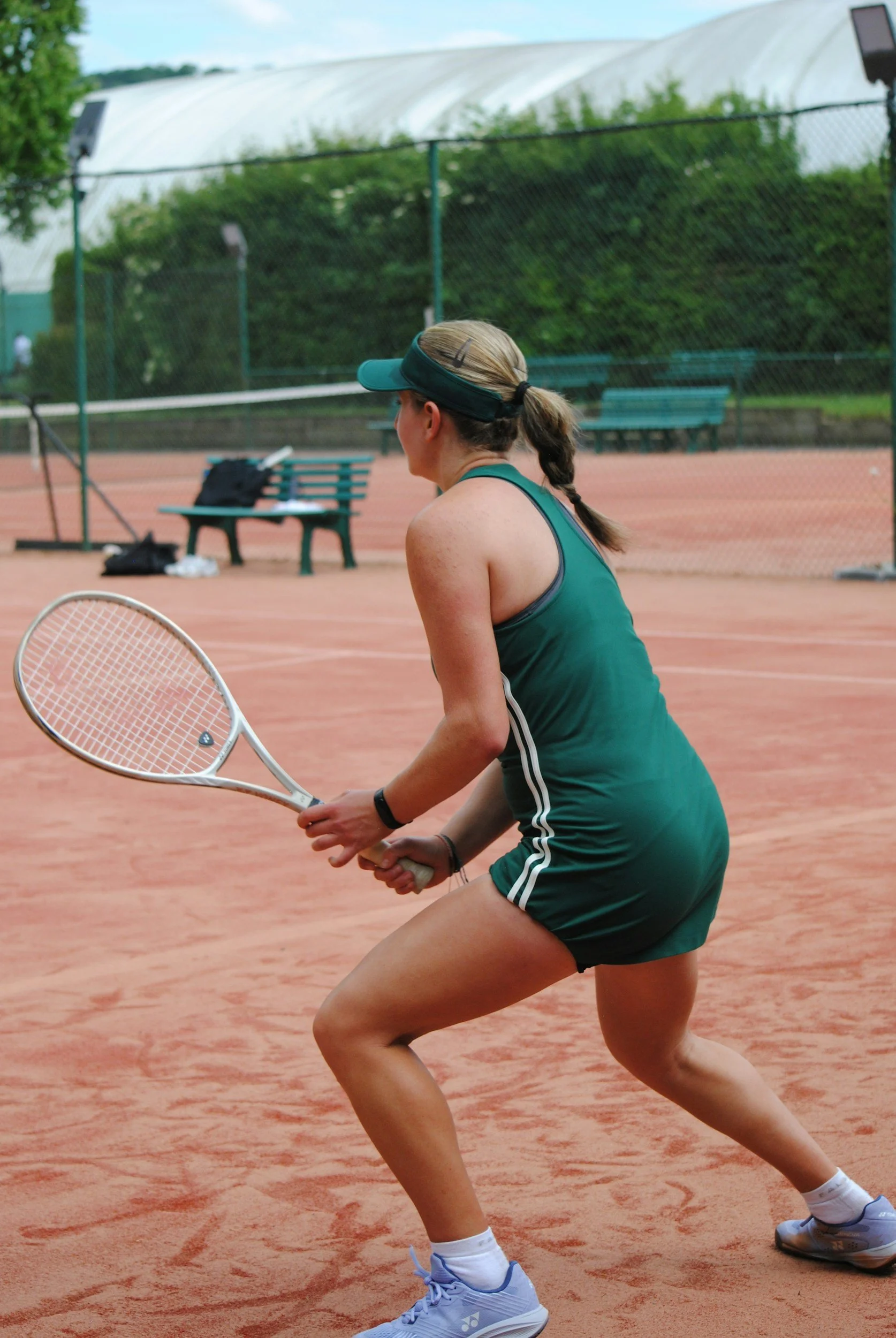
Tennis (Youth)

  • Lower extremity injuries (knee & ankle) are most common

  • 43% of injuries cause >4 weeks missed

  • Training ≥3x/week or >4.5 hours/week doubles injury risk

Repetitive rotation + quick direction changes stress both lower body and shoulder complex.

Translation: Winter needs rotational strength, landing mechanics, and ankle stability work.


Weekend Warriors: The Spring Surge Problem

Adults face the same issue — compressed preparation and intensity spikes.

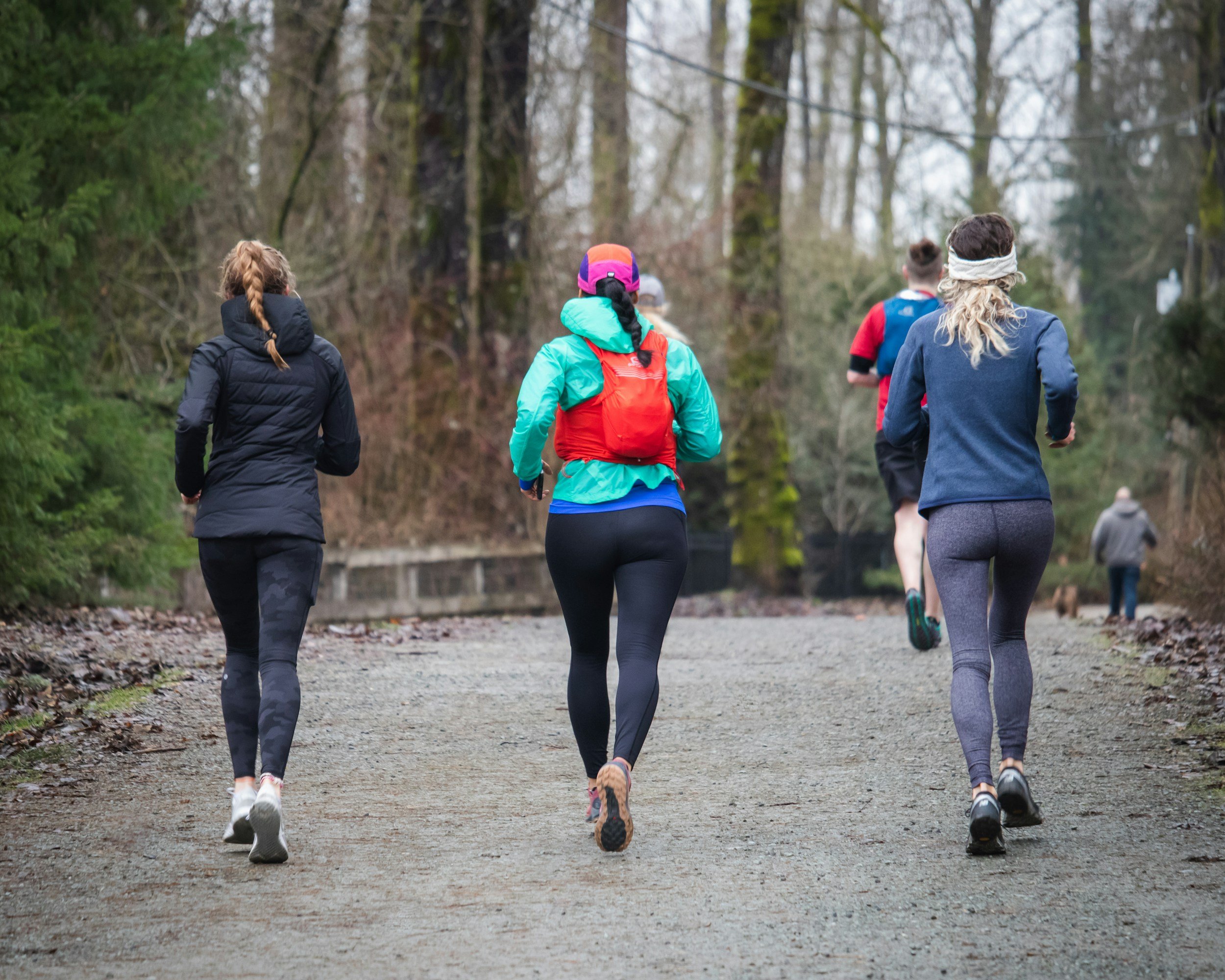
Recreational Runners (5K/10K Season)

  • Most common: shin splints, Achilles tendinopathy, patellofemoral pain

  • Median recovery time: 56 days

  • Poor sleep, high mileage (>20km/week), and higher bodyweight increase risk

Protective factor?
Foot-core strength training reduces injury risk by 60%.

Translation: Winter is the time to build tissue tolerance gradually — not jump into race mileage.


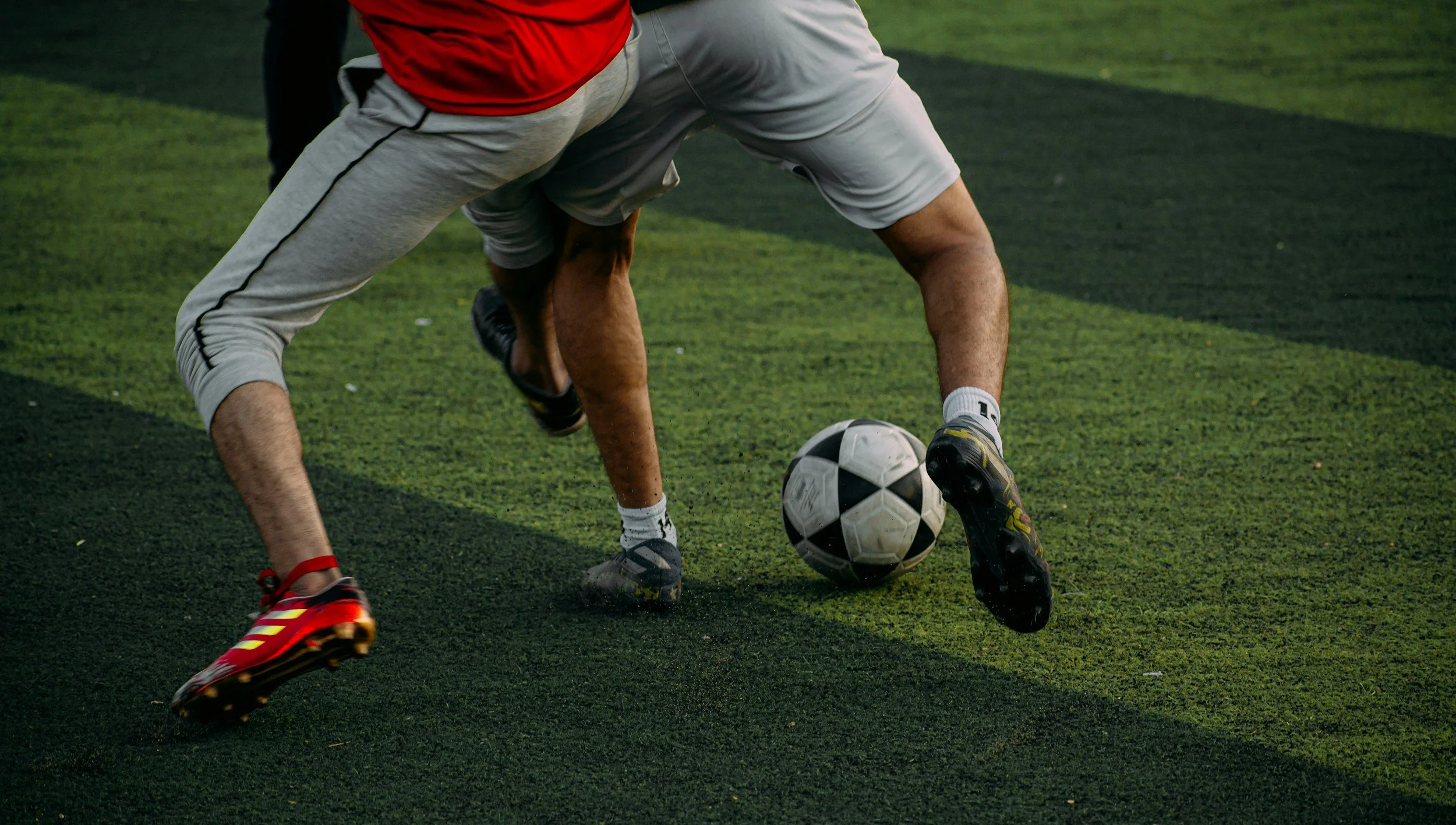
Adult Recreational Soccer

  • 60% sustain at least one time-loss injury per season

  • Knee (29.9%) and ankle (12.4%) most injured

  • 30% of injuries last >1 month

  • 14% are reinjuries

Contact accounts for over half of injuries — but many ligament injuries stem from poor neuromuscular control.

Translation: Winter should include deceleration drills, landing mechanics, and strength for joint stability.


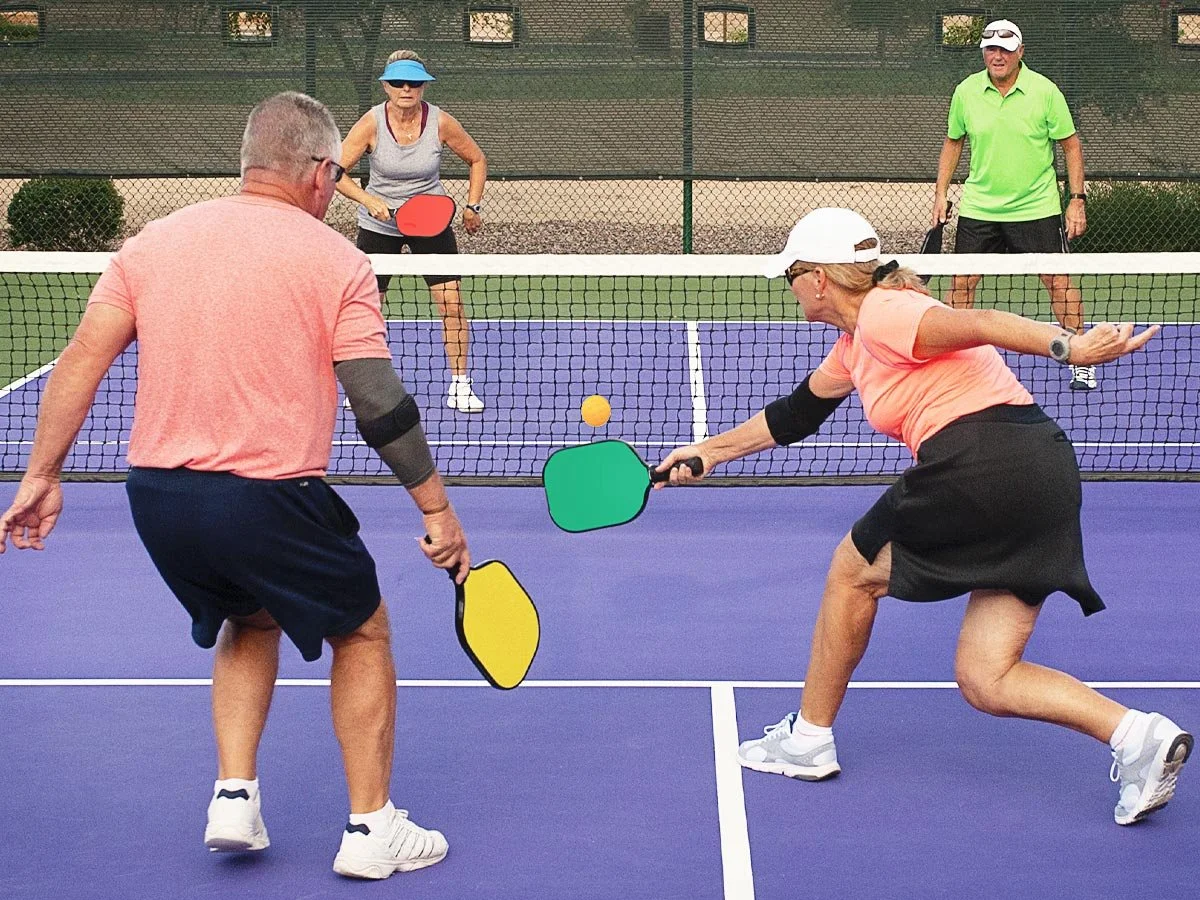
Pickleball (Especially 50+)

  • 34% of recreational players report injury annually

  • Knee, elbow, shoulder most common

  • Achilles ruptures often require surgery

  • Fracture risk increases after age 60

Interestingly, experience and consistent play reduce injury risk — so if you’re gonna play, maybe don’t make it your annual “dust off the cleats and hope for the best” appearance.

Join a regular group. Your muscles (and your pride) will thank you.

Translation: Winter should emphasize balance, calf strength, and reactive footwork.


Why Winter Matters

The first month of spring season consistently shows the highest injury rates across multiple sports.

That tells us one thing:

The body wasn’t prepared for the demand.

Winter training should:

  • Build tendon resilience

  • Increase force production capacity

  • Improve neuromuscular control

  • Gradually expose athletes to speed and volume

Preparation reduces the “too much, too soon” spike.


Winter-to-Spring Readiness Checklist

High School Athlete Checklist

Strength

☐ 2–3x/week lower body strength (posterior chain focus)

☐ Single-leg strength work

☐ Core anti-rotation & rotational strength

☐ Arm care program (for overhead athletes)

Mobility

☐ Ankle dorsiflexion mobility

☐ Hip internal rotation

☐ Thoracic rotation

Speed & Conditioning

☐ Gradual sprint exposure (no sudden spikes)

☐ Acceleration + deceleration drills

☐ Progressive volume build

Recovery

☐ 8+ hours sleep

☐ At least 1 rest day/week

☐ Monitor soreness and early pain signals


Weekend Warrior Checklist

Strength

☐ 2x/week resistance training

☐ Calf and Achilles loading

☐ Knee control exercises

☐ Foot-core training (especially runners)

Volume Management

☐ Increase mileage or play time ≤10% per week

☐ Avoid jumping from “zero to league play”

Balance & Stability

☐ Single-leg balance drills

☐ Lateral movement prep

☐ Deceleration mechanics

Lifestyle Factors

☐ Prioritize sleep

☐ Manage stress

☐ Address lingering injuries before season start


Final Takeaway

Spring performance is built in winter.

Whether you're a high school sprinter, a pitcher, a tennis athlete — or a 42-year-old signing up for a 10K — the research says the same thing:

Preparation determines durability.

Train smart now.
Load gradually.
Build tissue capacity before demand spikes.

Because the goal isn’t just starting the season.

It’s finishing it healthy. 


References

  1. Epidemiology of Injuries in United States High School Track and Field: 2008-2009 Through 2013-2014. Pierpoint LA, Williams CM, Fields SK, Comstock RD. The American Journal of Sports Medicine. 2016;44(6):1463-8. doi:10.1177/0363546516629950.

  2. Prevalence, Incidence and Characteristics of Musculoskeletal Injuries in Athletics (Track and Field): A Systematic Review and Meta-Analysis. Edouard P, Tsukahara Y, Mann RH, et al. British Journal of Sports Medicine. 2026;:bjsports-2025-110541. doi:10.1136/bjsports-2025-110541.

  3. Epidemiology of Overuse Injuries in US Secondary School Athletics From 2014-2015 to 2018-2019 Using the National Athletic Treatment, Injury and Outcomes Network Surveillance Program. Post EG, Simon JE, Robison H, Morris SN, Bell DR. Journal of Athletic Training. 2022;57(5):510-516. doi:10.4085/1062-6050-600-20.

  4. Training in Spikes and Number of Training Hours Correlate to Injury Incidence in Youth Athletics (Track and Field): A Prospective 52-Week Study. Ek A, Kowalski J, Jacobsson J. Journal of Science and Medicine in Sport. 2022;25(2):122-128. doi:10.1016/j.jsams.2021.09.006. 

  5. Shoulder Injuries in US High School Baseball and Softball Athletes, 2005-2008. Krajnik S, Fogarty KJ, Yard EE, Comstock RD. Pediatrics. 2010;125(3):497-501. doi:10.1542/peds.2009-0961. 

  6. Epidemiological Features of High School Baseball Injuries in the United States, 2005-2007. Collins CL, Comstock RD. Pediatrics. 2008;121(6):1181-7. doi:10.1542/peds.2007-2572. 

  7. Epidemiology of Shoulder and Elbow Injuries Among United States High School Baseball Players: School Years 2005-2006 Through 2014-2015. Saper MG, Pierpoint LA, Liu W, et al. The American Journal of Sports Medicine. 2018;46(1):37-43. doi:10.1177/0363546517734172. 

  8. Incidence of Injuries in High School Softball and Baseball Players. Shanley E, Rauh MJ, Michener LA, Ellenbecker TS. Journal of Athletic Training. 2011 Nov-Dec;46(6):648-54. doi:10.4085/1062-6050-46.6.648.

  9. Epidemiological Analysis of Pediatric Baseball and Softball Concussions in United States Emergency Departments. Abed V, Hawk GS, Conley C, Akarakian R, Stone AV. The American Journal of Emergency Medicine. 2023;69:143-146. doi:10.1016/j.ajem.2023.04.025. 

  10. Injury Profile in Junior Tennis Players: A Prospective Two Year Study. Hjelm N, Werner S, Renstrom P. Knee Surgery, Sports Traumatology, Arthroscopy : Official Journal of the ESSKA. 2010;18(6):845-50. doi:10.1007/s00167-010-1094-4. 

  11. Racket Sports-Related Injuries in Youth Athletes: A Narrative Review. Shrestha M, Usmani A, Karlov S, Harris A, Patel DR. International Journal of Environmental Research and Public Health. 2026;23(1):135. doi:10.3390/ijerph23010135. 

  12. Epidemiology of Musculoskeletal Injuries in Tennis Players: Risk Factors. Minghelli B, Cadete J. The Journal of Sports Medicine and Physical Fitness. 2019;59(12):2045-2052. doi:10.23736/S0022-4707.19.09842-6. 

  13. Diagnoses and Time to Recovery Among Injured Recreational Runners in the RUN CLEVER Trial. Mulvad B, Nielsen RO, Lind M, Ramskov D. PloS One. 2018;13(10):e0204742. doi:10.1371/journal.pone.0204742. 

  14. Factors Associated With Lower Limb Injuries in Recreational Runners: A Cross-Sectional Survey Including Mental Aspects and Sleep Quality. Mousavi SH, Hijmans JM, Minoonejad H, Rajabi R, Zwerver J. Journal of Sports Science & Medicine. 2021;20(2):204-215. doi:10.52082/jssm.2021.204.

  15. Predictive Effect of Well-Known Risk Factors and Foot-Core Training in Lower Limb Running-Related Injuries in Recreational Runners: A Secondary Analysis of a Randomized Controlled Trial. Suda EY, Watari R, Matias AB, Taddei UT, Sacco ICN. The American Journal of Sports Medicine. 2022;50(1):248-254. doi:10.1177/03635465211056329. 

  16. Running With Injury: A Study of UK Novice and Recreational Runners and Factors Associated With Running Related Injury. Linton L, Valentin S. Journal of Science and Medicine in Sport. 2018;21(12):1221-1225. doi:10.1016/j.jsams.2018.05.021.

  17. Injuries Among Spanish Male Amateur Soccer Players: A Retrospective Population Study. Herrero H, Salinero JJ, Del Coso J. The American Journal of Sports Medicine. 2014;42(1):78-85. doi:10.1177/0363546513507767. 

  18. Soccer Injuries and Recovery in Dutch Male Amateur Soccer Players: Results of a Prospective Cohort Study. van Beijsterveldt AM, Steffen K, Stubbe JH, et al. Clinical Journal of Sport Medicine : Official Journal of the Canadian Academy of Sport Medicine. 2014;24(4):337-42. doi:10.1097/JSM.0000000000000028. 

  19. Injuries in Formal and Informal Non-Professional Soccer - An Overview of Injury Context, Causes, and Characteristics. Gebert A, Gerber M, Pühse U, et al. European Journal of Sport Science. 2018;18(8):1168-1176. doi:10.1080/17461391.2018.1475507. 

  20. The Perils of Pickleball: A Two Decade Analysis of Upper and Lower Extremity Injuries From America's Fastest Growing Sport. Boroumand S, Park N, Katsnelson B, et al. Journal of Sports Sciences. 2025;43(14):1378-1385. doi:10.1080/02640414.2025.2496089. 

  21. Pickleball-Related Injuries Treated in Emergency Departments. Forrester MB. The Journal of Emergency Medicine. 2020;58(2):275-279. doi:10.1016/j.jemermed.2019.09.016. 

  22. Injury Risk and Epidemiology of Pickleball Players in South Korea: A Cross-Sectional Study. Jeong B, Lee KJ, Nam SH, et al. Frontiers in Public Health. 2025;13:1617291. doi:10.3389/fpubh.2025.1617291. 

  23. Pickleball: A Standard Review of Injury Prevalence and Prevention in a Rapidly Growing Sport. Azar FM, Lamplot JD, Bernholt DL, Spence DD. The Journal of the American Academy of Orthopaedic Surgeons. 2024;32(22):e1130-e1141. doi:10.5435/JAAOS-D-24-00151. 

  24. As Pickleball Continues to Gain Players, Injuries Are Increasing. Rodgers L. JAMA. 2025;:2840448. doi:10.1001/jama.2025.18833. 

  25. Emerging Patterns of Foot and Ankle Injuries in Pickleball Players: A Short Report. Kingston K, Parker EB, Higgins A, Smith JT. Foot & Ankle International. 2024;45(11):1266-1269. doi:10.1177/10711007241271215. 

  26. Common Sports Injuries in Young Tennis Players. Bylak J, Hutchinson MR. Sports Medicine (Auckland, N.Z.). 1998;26(2):119-32. doi:10.2165/00007256-199826020-00005.