Physical TheraPT

Sports Science

Don't Guess, Test

"Just rest, give it some time, and let’s see how it feels in a few weeks."

For decades, traditional physical therapy relied on this exact formula: subjective feedback, visual observation, and manual touch. But while a seasoned clinician's intuition is invaluable, the human eye has its limits. A runner's subtle asymmetry at mid-stance or an athlete’s hidden deficit in eccentric braking force after an ACL reconstruction can easily go undetected.

Today, physical therapy looks completely different.

The profession has undergone a massive evolution, transitioning from a bachelor’s or master’s credential to a rigorous Doctorate of Physical Therapy (DPT). Modern PTs are autonomous primary practitioners deeply trained in complex biomechanics and clinical research.

This high-level clinical education has opened the door to a new era of sports medicine that replaces guesswork with objective, evidence-based data. Guessing isn't good enough.

Our guiding mantra is simple: Don’t Guess, Test.

By integrating state-of-the-art diagnostic technology directly into our daily clinical workflow, we are turning subjective observations into precise, quantifiable data. Here is how modern technology is redefining rehabilitation and performance.

1. Dual Force Plates: Measuring Impact & Asymmetries

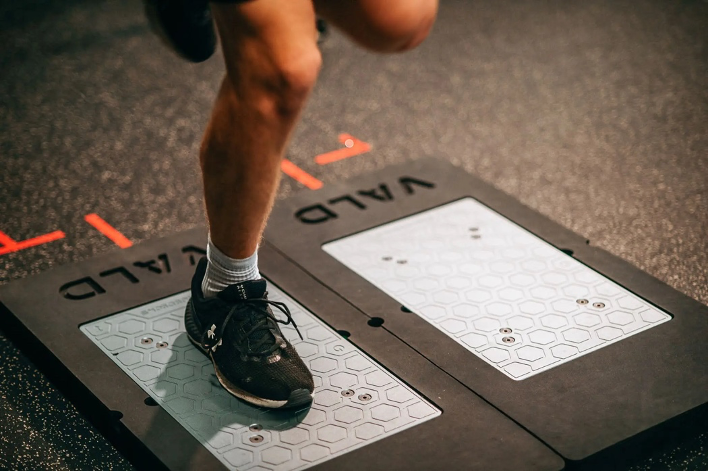
Force Plates, at the root of it, are just really expensive bathroom scales.  But from those “bathroom scales” we can derive a litany of data points that the human eye alone cannot detect:
  • Force 

  • Velocity

  • Impulse

  • Rate of Force Development

  • Eccentric Braking Force

  • Peak Power

The Bottom Line: Force plates provide an objective roadmap of how an athlete handles impact and where they are compensating. This data allows for targeted rehabilitation, helping to correct imbalances before they lead to re-injury.

2. Digital Dynamometers: Precision Strength Profiling

Traditional strength testing relies on a clinician pushing against a patient’s limb and guessing strength on a subjective 1-to-5 scale. While fine for spotting major nerve damage, it fails to capture the subtle strength gaps that hold an athlete back from full recovery.
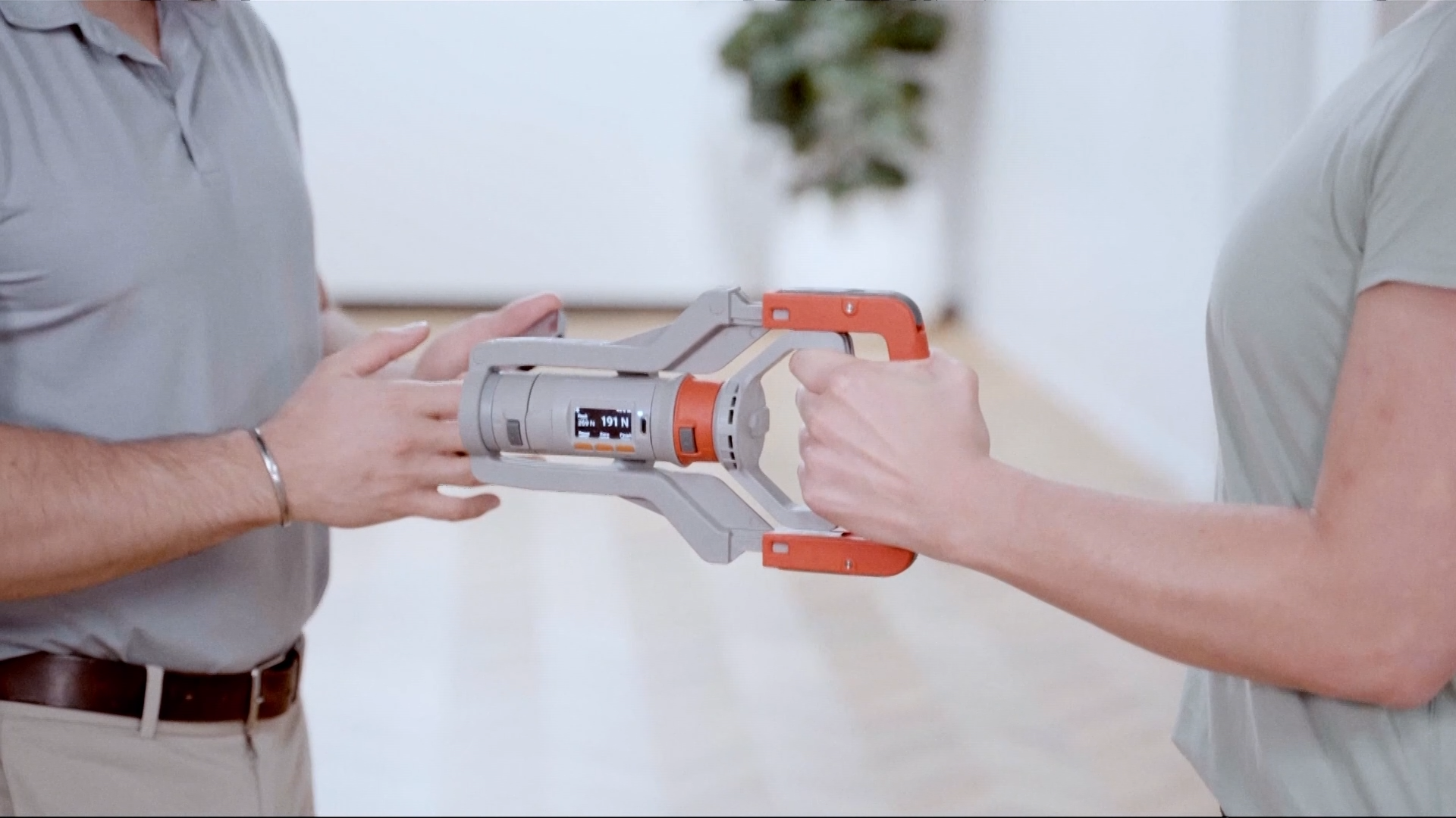
Digital dynamometers solve this by isolating specific muscle groups to measure exact force down to the pound or kilogram. Whether checking a soccer player's hamstring-to-quad ratio or a pitcher's shoulder rotation, it replaces guesswork with cold, hard data.

The Bottom Line: By comparing exact numbers against the uninjured limb or healthy averages, clinicians know precisely when a muscle is fully recovered.

3. 3D Motion Capture & Biomechanical Analysis

The human eye can see the general movement but might lack the acuity to determine minute asymmetry.  

3D motion capture changes the game by digitizing human movement. By breaking down joint rotation, pelvic tilt, and trunk lean frame by frame, we can pinpoint exact "energy leaks" and mechanical flaws that drive chronic overuse injuries like tendonitis.
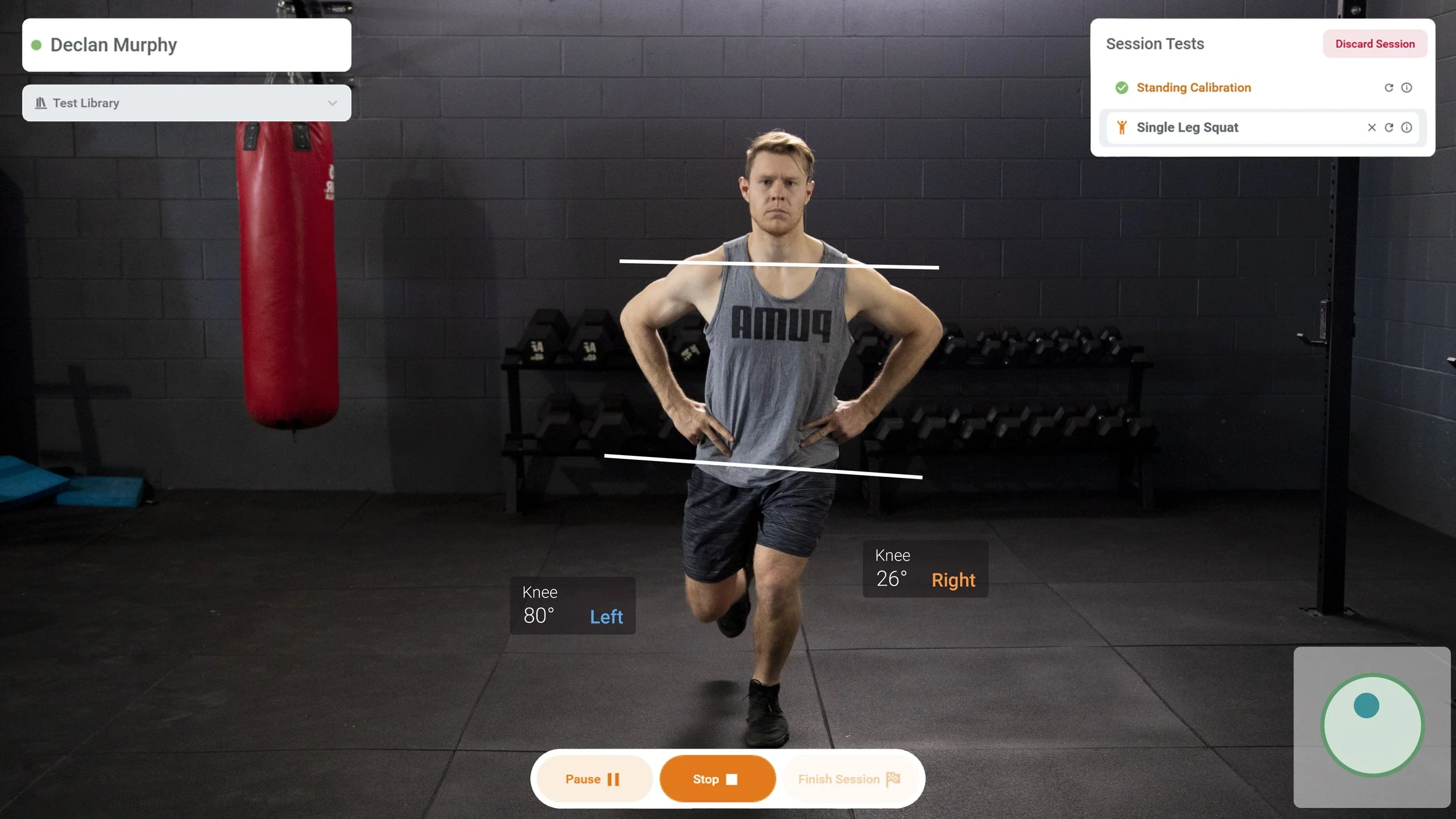
Furthermore, the data is clear: systematic reviews show that objective biomechanical assessments are essential for predicting injury risk and safely clearing competitive athletes for return-to-sport (1). If you can't measure it, you can't fix it.


Breaking Through Plateaus: Fear and Progress Monitoring

Data alone is just numbers but in the hands of an expert clinician, it is a powerful physical and psychological tool.

Injuries don’t just happen to the body; they happen to the mind. One of the biggest roadblocks in rehab is fear.  Hesitation and fear can cause athletes to hit plateaus and delay their return to play.

Data can help dismantle this fear. Seeing objective proof that their quad strength or jump force is steadily improving builds cognitive confidence. It proves to their brain that their body is resilient and capable.  

It proves they are not made of glass. 

Furthermore, clinicians should never rely on a "trust me, it's working" approach. If the data shows an athlete isn't progressing after weeks of training then the plan isn't working. It forces the clinician to stop guessing, pivot, and find a better path forward.


Criteria vs. Time: The Flaw of the Ticking Clock

Traditionally, rehab is bound to a calendar: "You are four months post-op, so you are cleared to run."

But a ticking clock is a terrible metric for biological readiness. Every athlete has a unique injury history, different performance goals, distinct genetics, and highly individualized healing timelines. Clearing someone based entirely on time completely ignores their actual physical capacity.

We must transition to criteria-based return-to-play. We shouldn't care what the calendar says; we should care what the data say about an athlete's actual physical abilities.(10)


ACL Rehab as an Example

For decades, the "gold standard" for clearing an athlete after an ACL reconstruction has relied on functional hop tests. Clinicians compare the injured leg to the uninjured leg to calculate a Limb Symmetry Index (LSI). If the injured leg scores above 90% compared to the healthy one, the athlete is cleared.

The Failure Rate: Despite hitting this 90% benchmark, ACL re-tear rates have stubbornly remained around 30% for decades(7).

Why the System is Failing:

  • Good Tools, Bad Strategy: Hop tests aren't useless, they are great for observing overall movement and coordination. The issue is relying on them as the only gatekeeper for return-to-sport clearance.

  • Outdated Excuses: Historically, clinics used tape measures and stopwatches because advanced laboratory equipment was too expensive. Today, sophisticated diagnostic technology is affordable, compact, and accessible to any clinic.

  • Hidden Deficits: Research proves that standard LSI calculations mask true deficits and overestimate a knee's actual stability and function. (9)

  • Athletes Want to Win: Athletes can easily "cheat" a distance test by using their hips or ankles to compensate for a weak knee or quad. (4,5)

The Bottom Line: Relying strictly on low-tech distance testing creates a false sense of security, failing to predict long-term athletic success or protect athletes from re-injury.


The New Standard

In a world of biohacking and health wearables, it’s only logical that physical therapy step up and take advantage of technology. By combining doctorate-level clinical reasoning with sophisticated tech, we can look beneath the surface. We can ensure an athlete isn't just moving, but moving safely and efficicently.

Stop letting a calendar dictate your health, and stop relying on visual guesswork. Armed with the right tools and the right knowledge, it's time to make truly objective decisions. It’s time to start testing. Schedule a consultation and discover the difference objective, evidence-based care can make.


Bibliography

  1. Alahaidib, A., Alyousef, H., Sharif, M., Alsulaiman, A., Alharthi, T., Aljohani, H., Almutairi, M., Alghamdi, N., Almutairi, K., Alammari, A., & Almehizia, A. (2025). Biomechanical Assessment Tools for Injury Risk Prediction and Return-to-Sport Evaluation in Athletes: A Systematic Review. Cureus, 17. https://doi.org/10.7759/cureus.93210

  2. Gill, V., Tummala, S., Sullivan, G., Han, W., Haglin, J., Marks, L., & Tokish, J. (2024). Functional Return-to-Sport Testing Demonstrates Poor Predictive Value of Long-Term Outcomes Following ACL Reconstruction: A Systematic Review. Arthroscopy: The Journal of Arthroscopic & Related Surgery. https://doi.org/10.1016/j.arthro.2023.12.032

  3. Hart, C., & Chumanov, E. (2025). Investigation of Force Plate Jump Testing Metrics Relevant to Return to Play Decision Making in Basketball Athletes After Anterior Cruciate Ligament Reconstruction. International Journal of Sports Physical Therapy, 20, 985 - 994. https://doi.org/10.26603/001c.141101

  4. Kotsifaki, R., Sideris, V., King, E., Bahr, R., & Whiteley, R. (2023). Performance and symmetry measures during vertical jump testing at return to sport after ACL reconstruction. British Journal of Sports Medicine, 57, 1304 - 1310. https://doi.org/10.1136/bjsports-2022-106588

  5. Kotsifaki, A., Van Rossom, S., Whiteley, R., Korakakis, V., Bahr, R., Sideris, V., & Jonkers, I. (2022). Single leg vertical jump performance identifies knee function deficits at return to sport after ACL reconstruction in male athletes. British Journal of Sports Medicine, 56, 490 - 498. https://doi.org/10.1136/bjsports-2021-104692

  6. Robles-Palazón, F., Comfort, P., Ripley, N., Herrington, L., Bramah, C., & McMahon, J. (2023). Force plate methodologies applied to injury profiling and rehabilitation in sport: A scoping review protocol. PLOS ONE, 18. https://doi.org/10.1371/journal.pone.0292487

  7. Rodriguez-Merchan, E. C., & Valentino, L. A. (2022). Return to Sport Activities and Risk of Reinjury Following Primary Anterior Cruciate Ligament Reconstruction. The archives of bone and joint surgery, 10(8), 648–660. https://doi.org/10.22038/ABJS.2021.50463.2504

  8. Smiley, T., Dallman, J., Long, R., Kapple, M., Aldag, L., Mok, A., Bernard, C., Martin, K., Vopat, L., & Vopat, B. (2024). Lower extremity return to sport testing: A systematic review. The Knee, 50, 115-146. https://doi.org/10.1016/j.knee.2024.07.021

  9. Wellsandt, E., Failla, M., & Snyder-Mackler, L. (2017). Limb Symmetry Indexes Can Overestimate Knee Function After Anterior Cruciate Ligament Injury. The Journal of Orthopaedic and Sports Physical Therapy, 47(5), 334-338. https://doi.org/10.2519/jospt.2017.7285

  10. Winkler, P., Thorolfsson, B., Piussi, R., Snaebjörnsson, T., Senorski, R., Karlsson, J., Samuelsson, K., & Senorski, H. (2025). Sport-specific concomitant injuries, return-to-sport rates and second anterior cruciate ligament (ACL) injuries in adolescents with ACL reconstruction. British Journal of Sports Medicine, 59. https://doi.org/10.1136/bjsports-2024-108694
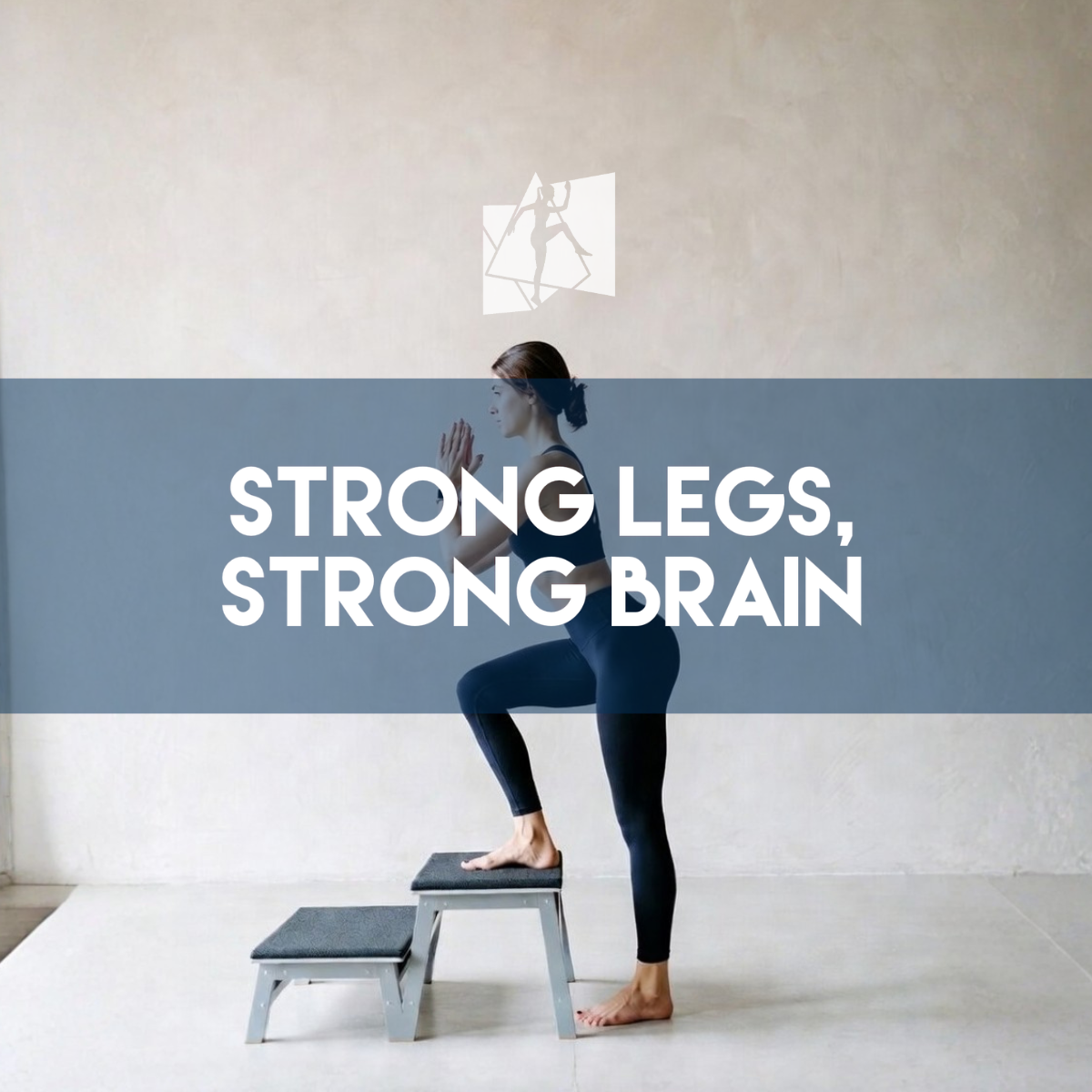

The Overlooked Connection

When people think about leg strength, they usually think about speed, power, or athletic performance. Emerging research suggests that muscle strength—especially in the legs—may play an important role in brain health too. [2,3,7]

The brain and body are deeply connected. Skeletal muscle doesn’t just move you; it behaves as a metabolic and signaling organ, sending information to the brain through blood flow, hormones, and other chemical messengers. [2]

Large observational studies in middle-aged and older adults show a pattern: people with greater muscle strength tend to have a lower risk of developing dementia and experience slower cognitive decline over time. Staying physically active and maintaining fitness are also linked with healthier brain structure and better cognitive performance as we age. [1,5,6]

One long-term twin study found that leg strength in midlife predicted better cognitive aging over a ten-year period, suggesting that maintaining lower-body strength may play a role in protecting brain function later in life. [7,3]


Why Leg Strength Matters

Leg muscles are among the largest muscle groups in the body. When they work—during walking, squatting, climbing stairs, or running—they trigger several physiological responses that may benefit the brain. [2]

Improved circulation

Exercise involving large muscle groups increases cardiovascular output and brain blood flow, helping deliver oxygen and nutrients and support vascular health, which is closely tied to cognitive function. [5,6]

Muscle-to-brain signaling

Active muscles release chemical messengers called myokines that can influence inflammation, metabolism, and neural function, and may help support neuron growth, synaptic plasticity, and brain repair. [2]

Cognitive and neurochemical benefits

Resistance training and regular physical activity have been associated with changes in brain chemistry and electrical activity related to memory and cognition, and with better cognitive performance in older adults. [4,6]

Translation:
Strong legs don’t just move you better. They may also help your brain stay healthier, especially as you age.


The Role of Resistance Training

Resistance training is one of the most efficient ways to build and maintain muscle strength, especially in the lower body. It can be done with bodyweight, free weights, machines, or resistance bands and can be scaled to almost any fitness level. [5]

Research in older adults and people with cognitive impairment suggests that resistance exercise can improve strength, functional capacity, and may offer modest cognitive benefits by improving blood flow, reducing inflammation, and promoting neurotrophic factors like BDNF. While it cannot guarantee prevention of dementia, it appears to be a promising strategy to support overall brain and body health across the lifespan. [1,2,3,4]

Translation:
Lifting isn’t just for performance or aesthetics anymore. It’s one of the most effective levers you can pull for long-term brain and body health.


Only Have 15 Minutes?

No gym. No equipment. No problem! Just 15–30 minutes and a bit of space. That’s enough to train your legs—and challenge your brain with coordination, balance, and effort.

Here are five leg exercises that will train both your body and your brain:

Squats
Targets quads, glutes, and core while reinforcing motor control and neutral alignment.

Step-ups
Single-leg strength and dynamic stability that carry over directly to stairs, running, and sport.

Lateral lunges
Trains side-to-side control, hip strength, and prepares for deceleration work — key for cutting and change of direction.

Glute bridges
Focuses on glutes and hamstrings, supporting hip extension and pelvic control.

Calf raises
Builds calf and ankle strength, helping with balance, walking, and running efficiency.

If you’re new to exercise, have pre-existing medical conditions, or are unsure where to start, check in with a healthcare or rehab professional before ramping up intensity.


The Bottom Line

Strong muscles support more than performance. Building and maintaining leg strength is critical for movement, mobility, and independence — and may also help support cognitive function and healthier brain aging over time.

The takeaway:
Train your legs now.
Load gradually.
Keep them strong across the lifespan.

Because you’re not just training for today’s workout. You may also be investing in how your brain works years from now.


References

1. Jin, W., Liu, S., Huang, L., Xiong, X., Chen, H., & Liang, Z. (2025). Association between muscle strength and dementia in middle-aged and older adults: A nationwide longitudinal study. Journal of psychiatric research, 191, 189–197. https://doi.org/10.1016/j.jpsychires.2025.09.043

2. Brisendine, M. H., & Drake, J. C. (2025). Integrative physiology of skeletal muscle for maintaining cognitive health. The Journal of physiology, 10.1113/JP286748. Advance online publication. https://doi.org/10.1113/JP286748

3. Vaughan, B. A., Muniz-Terrera, G., Simon, J. E., Grooms, D. R., Clark, B. C., Davatzikos, C., Erus, G., Tian, Q., Ferrucci, L., Resnick, S. M., & Simonsick, E. M. (2025). The predictive power of brain-predicted age and leg strength on mobility decline in aging: findings from the Baltimore Longitudinal Study of Aging. The journals of gerontology. Series A, Biological sciences and medical sciences, 80(12), glaf222. https://doi.org/10.1093/gerona/glaf222

4. Song, Y., Jia, S., Wang, X., Wang, A., Li, S., Ding, F., Ma, T., & Wu, X. (2025). Muscle strength, EEG biomarkers, and working memory as interacting predictors of cognitive function in cognitively impaired older adults. Frontiers in aging neuroscience, 17, 1641209. https://doi.org/10.3389/fnagi.2025.1641209

5. Chen, C., & Nakagawa, S. (2023). Physical activity for cognitive health promotion: An overview of the underlying neurobiological mechanisms. Ageing research reviews, 86, 101868. https://doi.org/10.1016/j.arr.2023.101868

6. Tari, A. R., Walker, T. L., Huuha, A. M., Sando, S. B., & Wisloff, U. (2025). Neuroprotective mechanisms of exercise and the importance of fitness for healthy brain ageing. Lancet (London, England), 405(10484), 1093–1118. https://doi.org/10.1016/S0140-6736(25)00184-9

7. Steves, C. J., Mehta, M. M., Jackson, S. H., & Spector, T. D. (2016). Kicking Back Cognitive Ageing: Leg Power Predicts Cognitive Ageing after Ten Years in Older Female Twins. Gerontology, 62(2), 138–149. https://doi.org/10.1159/000441029

The Rehab Hack Pro Athletes Swear By

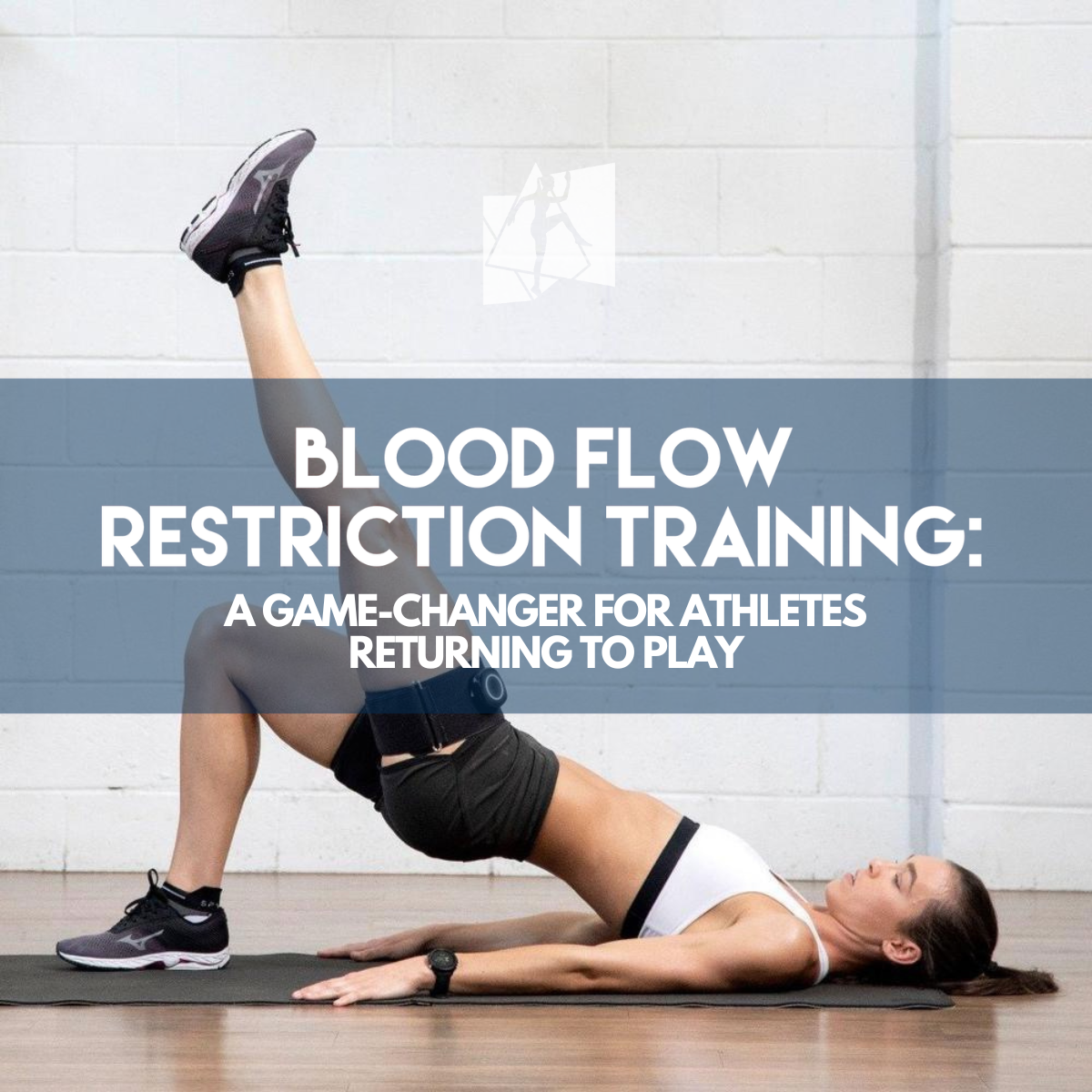
“You need to rest after an injury.”  While in general this advice is true, what if there was a way to rebuild or at the very least maintain your muscle after an injury?  A way to put a healthy amount of stress through your tissues that allows you to return to the field quicker?

You may think this is a cheat code, or “bio-hacking” but in truth it’s simpler than that.  It is the secret that is used in professional athlete training rooms across the globe - Blood Flow Restriction Training (BFR).


What is BFR?

It’s not magic, it’s occlusion.  Specialized cuffs, similar to blood pressure cuffs, are wrapped around the upper portion of your arms or legs and inflated to 40%-90% of your arterial occlusion pressure.  This partially restricts the blow of blood into your limbs as you perform your exercise.  

The restriction of blood tricks your muscles into believing they are working harder; allowing you to benefit more from working at much lower, and safer, loads (20%-30% of 1RM)[2,3].  The metabolic effects from working out with BFR at 30% 1RM have been shown to provide similar results as working out at 70% 1RM.  Thus, making training while recovering safer during early rehab. [4]


The Secret? Metabolic Activity

Muscle growth depends on the nutrients being delivered to build up bigger, faster, and stronger.  BFR creates metabolic stress within the muscle which causes lactate accumulation, cellular swelling, and activation of growth pathways. [3]  

Using BFR also enhances type II, fast twitch, muscle recruitment while also promoting new blood vessel formation to help fuel those muscles. [2,3,5]

It’s tricking your body into thinking it’s working harder than it really is.  


Why do Pro Athletes use this technique?

Sports aren’t just a game to professional athletes, it’s a way of life.  Downtime from an injury affects more than just their playing time and muscle atrophy can delay the return to play. Here are a few advantages of using BFR during rehab: 

  • Preserve muscle mass [6,7]

  • Reduce mechanical stress on healing tissue [4]

  • Accelerate recovery timelines, returning athletes to the field sooner [6]

  • Safe early rehab option when protocols and precautions are followed [8]


PRODUCTS WE LOVE

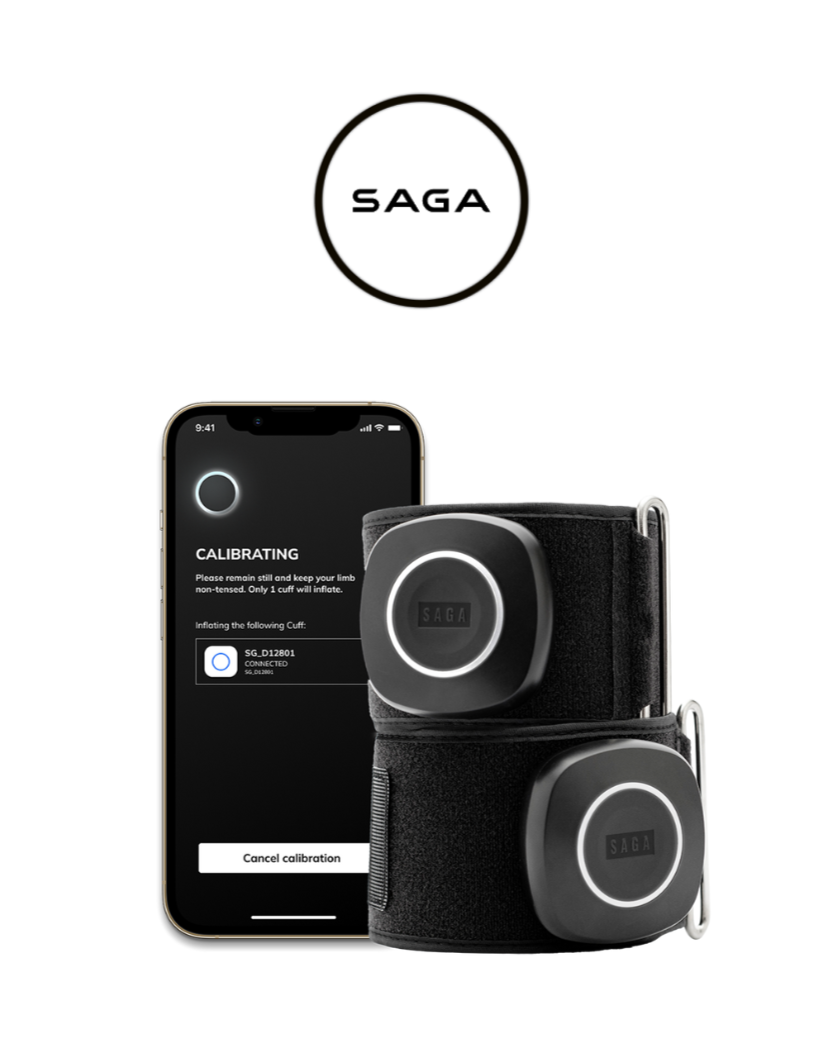
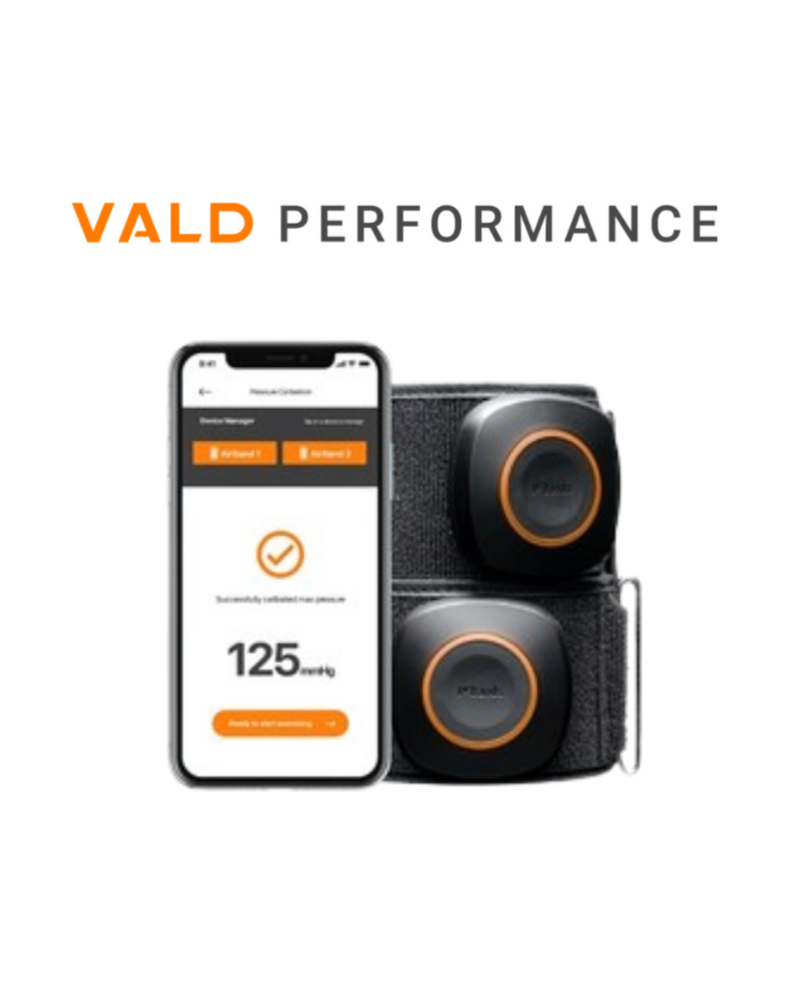
While technique and programming drive effective Blood Flow Restriction Training, the right equipment plays a key supporting role. We consistently use and recommend SAGA and VALD BFR cuffs for their precision, safety, and reliability. When applied appropriately, these systems allow athletes to train at lower loads while still creating the metabolic stimulus needed to preserve muscle and support a safe return to play.


Is it safe?

In general, yes BFR is safe to use when applied properly and under the supervision of a trained professional.  A qualified provider should screen an athlete for any complications that could cause issues.  

Cardiovascular issues like a history of blood clots, severe hypertension, vascular issues, active infections, and cancer are all contraindications.  


What does a training program look like with BFR?

  • Athletes should look to train 2-3 times a week, but more than 3 times a week has shown favorable outcomes. [10]

  • Cuff should be inflated to ≥160 mmHg or 40-90% of arterial occlusion pressure

  • Select a weight that is 20%-30% of 1RM

  • 1-3 exercises are selected to be performed with the cuff inflated

  • An example repetition protocol would be [4]

    • 30 reps

    • Rest 30 seconds

    • 15 reps

    • Rest 30 seconds

    • 15 reps

    • Rest 30 seconds

    • 15 reps


Do I need to be a professional athlete to use BFR?

No! BFR is a valid treatment option for anyone looking to supplement their current workout, or utilize while injured.  Some great options for adding in BFR include[12,3]:

  • Adding BFR work at the end of regular strength sessions for additional volume without excessive fatigue

  • Using BFR during taper periods to maintain muscle mass while reducing mechanical load

  • Incorporating BFR during in-season training when recovery demands are high

Before starting any BFR training it is important to consult with your healthcare provider, proper screening is essential for safe implementation. 


References

  1. Blood Flow Restriction Therapy After Anterior Cruciate Ligament Reconstruction. Johns WL, Vadhera AS, Hammoud S. Arthroscopy : The Journal of Arthroscopic & Related Surgery : Official Publication of the Arthroscopy Association of North America and the International Arthroscopy Association. 2024;40(6):1724-1726. doi:10.1016/j.arthro.2024.03.004.

  2. Blood Flow Restriction Therapy: Where We Are and Where We Are Going. Vopat BG, Vopat LM, Bechtold MM, Hodge KA. The Journal of the American Academy of Orthopaedic Surgeons. 2020;28(12):e493-e500. doi:10.5435/JAAOS-D-19-00347.

  3. Physiological Adaptations and Practical Efficacy of Different Blood Flow Restriction Resistance Training Modes in Athletic Populations. He C, Zhu D, Hu Y. Frontiers in Physiology. 2025;16:1683442. doi:10.3389/fphys.2025.1683442.

  4. Blood Flow Restriction Training. Lorenz DS, Bailey L, Wilk KE, et al. Journal of Athletic Training. 2021;56(9):937-944. doi:10.4085/418-20.

  5. Blood Flow Restriction Training and the High-Performance Athlete: Science to Application. Pignanelli C, Christiansen D, Burr JF. Journal of Applied Physiology (Bethesda, Md. : 1985). 2021;130(4):1163-1170. doi:10.1152/japplphysiol.00982.2020.

  6. Time to Save Time: Beneficial Effects of Blood Flow Restriction Training and the Need to Quantify the Time Potentially Saved by Its Application During Musculoskeletal Rehabilitation. Bielitzki R, Behrendt T, Behrens M, Schega L. Physical Therapy. 2021;101(10):pzab172. doi:10.1093/ptj/pzab172.

  7. Editorial Commentary: Blood Flow Restriction Therapy Continues to Prove Effective. LaPrade RF, Monson JK, Schoenecker J. Arthroscopy : The Journal of Arthroscopic & Related Surgery : Official Publication of the Arthroscopy Association of North America and the International Arthroscopy Association. 2021;37(9):2870-2872. doi:10.1016/j.arthro.2021.04.073.

  8. The Safety of Blood Flow Restriction Training as a Therapeutic Intervention for Patients With Musculoskeletal Disorders: A Systematic Review. Minniti MC, Statkevich AP, Kelly RL, et al. The American Journal of Sports Medicine. 2020;48(7):1773-1785. doi:10.1177/0363546519882652.

  9. Comparison of Blood Flow Restriction Interventions to Standard Rehabilitation After an Anterior Cruciate Ligament Injury: A Systematic Review. Colombo V, Valenčič T, Steiner K, et al. The American Journal of Sports Medicine. 2024;52(14):3641-3650. doi:10.1177/03635465241232002.

  10. Effects of Blood Flow Restriction Training on Physical Fitness Among Athletes: A Systematic Review and Meta-Analysis. Yang K, Chee CS, Abdul Kahar J, et al. Scientific Reports. 2024;14(1):16615. doi:10.1038/s41598-024-67181-9.

  11. Application of Blood Flow Restriction Training in Adolescents: A Narrative Review. Chen ZL, Zhao TS, Ren SF, et al. Medicine. 2025;104(29):e43084. doi:10.1097/MD.0000000000043084.

  12. Where Does Blood Flow Restriction Fit in the Toolbox of Athletic Development? A Narrative Review of the Proposed Mechanisms and Potential Applications. Davids CJ, Roberts LA, Bjørnsen T, et al. Sports Medicine (Auckland, N.Z.). 2023;53(11):2077-2093. doi:10.1007/s40279-023-01900-6.

  13. A Useful Blood Flow Restriction Training Risk Stratification for Exercise and Rehabilitation. Nascimento DDC, Rolnick N, Neto IVS, Severin R, Beal FLR. Frontiers in Physiology. 2022;13:808622. doi:10.3389/fphys.2022.808622.