Physical TheraPT

Recovery & Rehabilitation

Best Tools For Self-Massage

Walk into any gym or scroll online and you'll see:

Foam rollers. Massage guns. Lacrosse balls. Sticks.

It's a lot. Here's how to actually choose the right tool, and how to use it effectively.

Not All Tools Do the Same Thing

Each tool changes pressure, control and how targeted the work is.

The goal isn't more tools, it's using the right one at the right time

Foam Roller
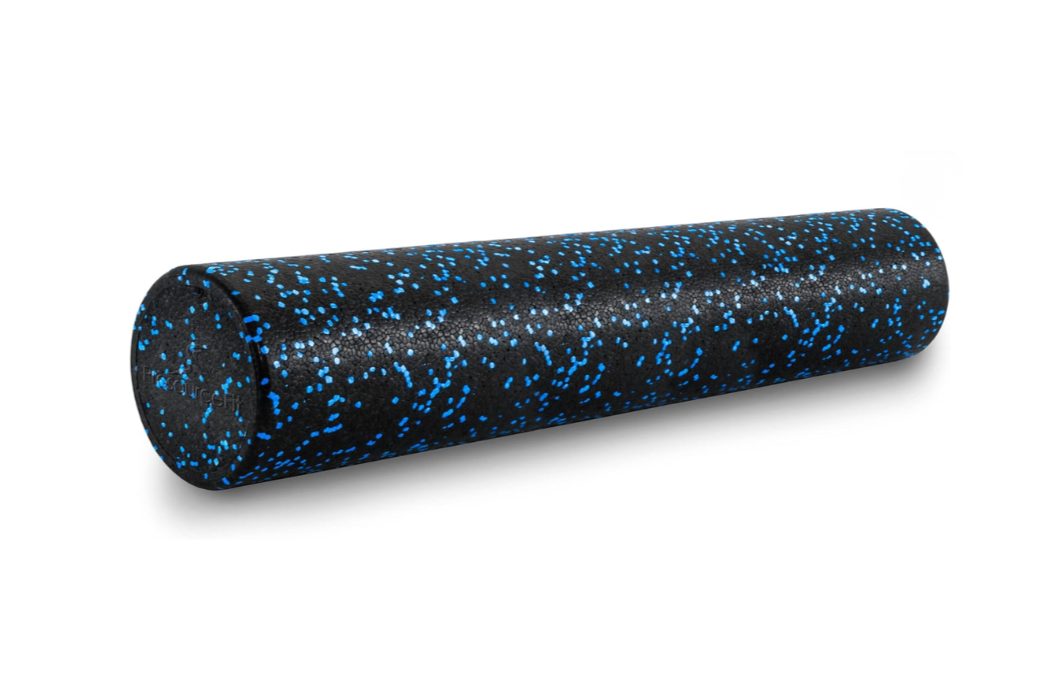
(Your Go-To)

Best for:

  • Quads

  • Hamstrings

  • Calves

  • Upper back

Why it works:

  • Covers large areas

  • Easy to use

  • Great for pre- and post-workout

Start here if you're new!

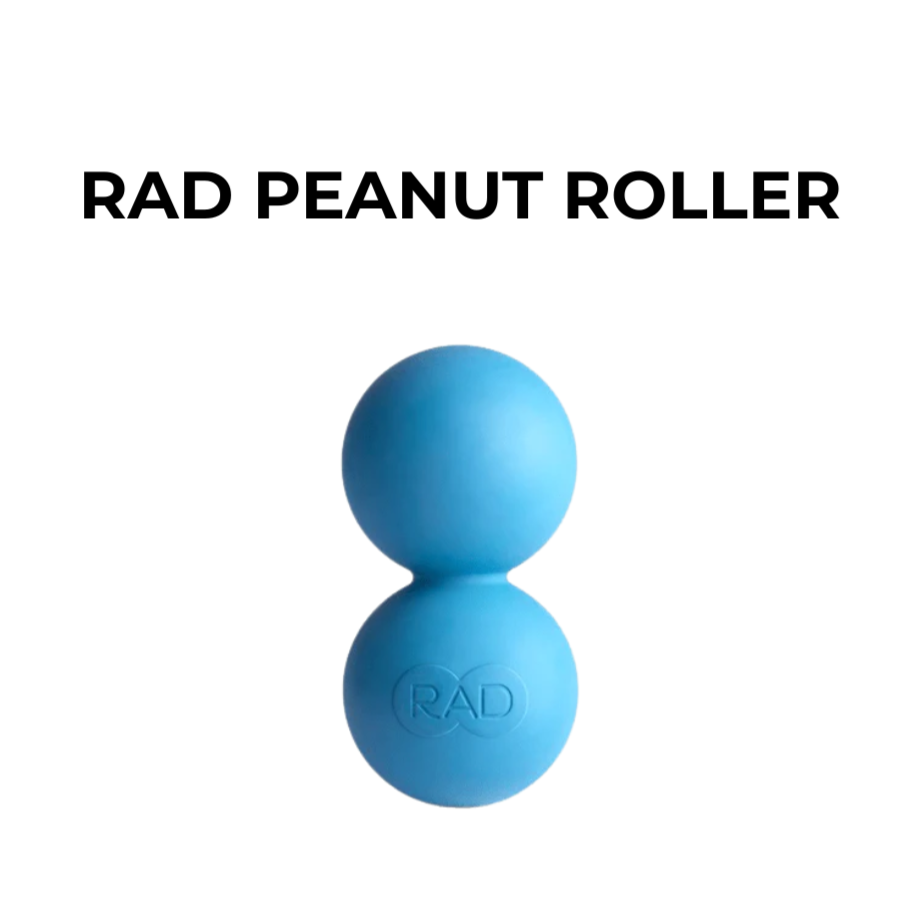
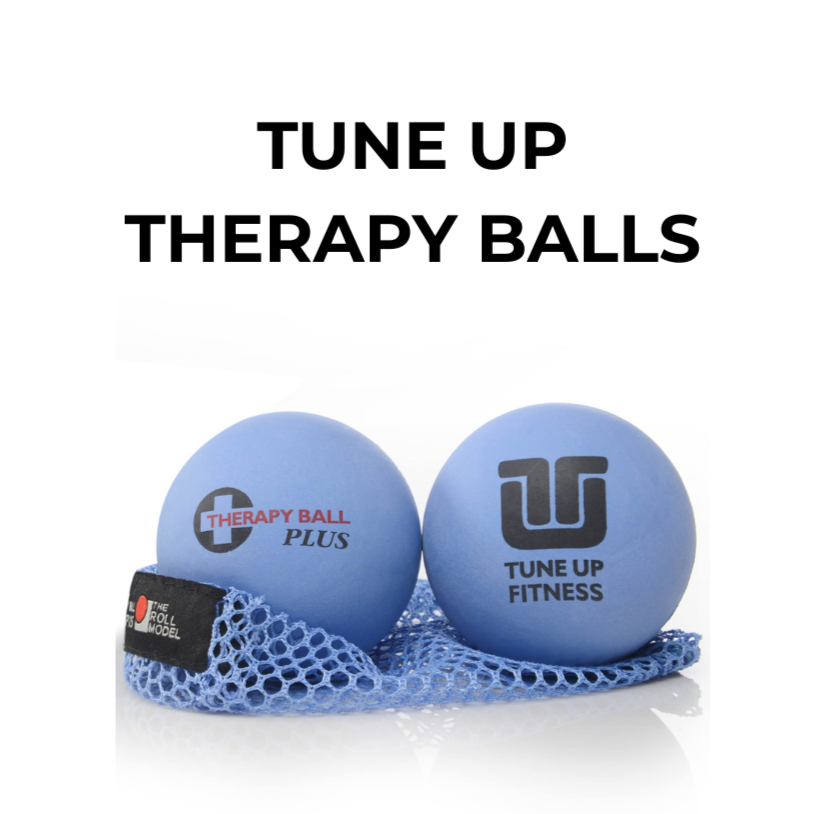
Lacrosse Ball

(Most Effective for Tight Spots)

Best for:

  • Shoulder

  • Chest

  • Glutes

  • Feet

Why it works:

  • High pressure

  • Very targeted

This is how you actually get into stubborn areas.

If you don’t have a lacrosse ball, these are great alternatives:


Massage Stick / Roller Bar
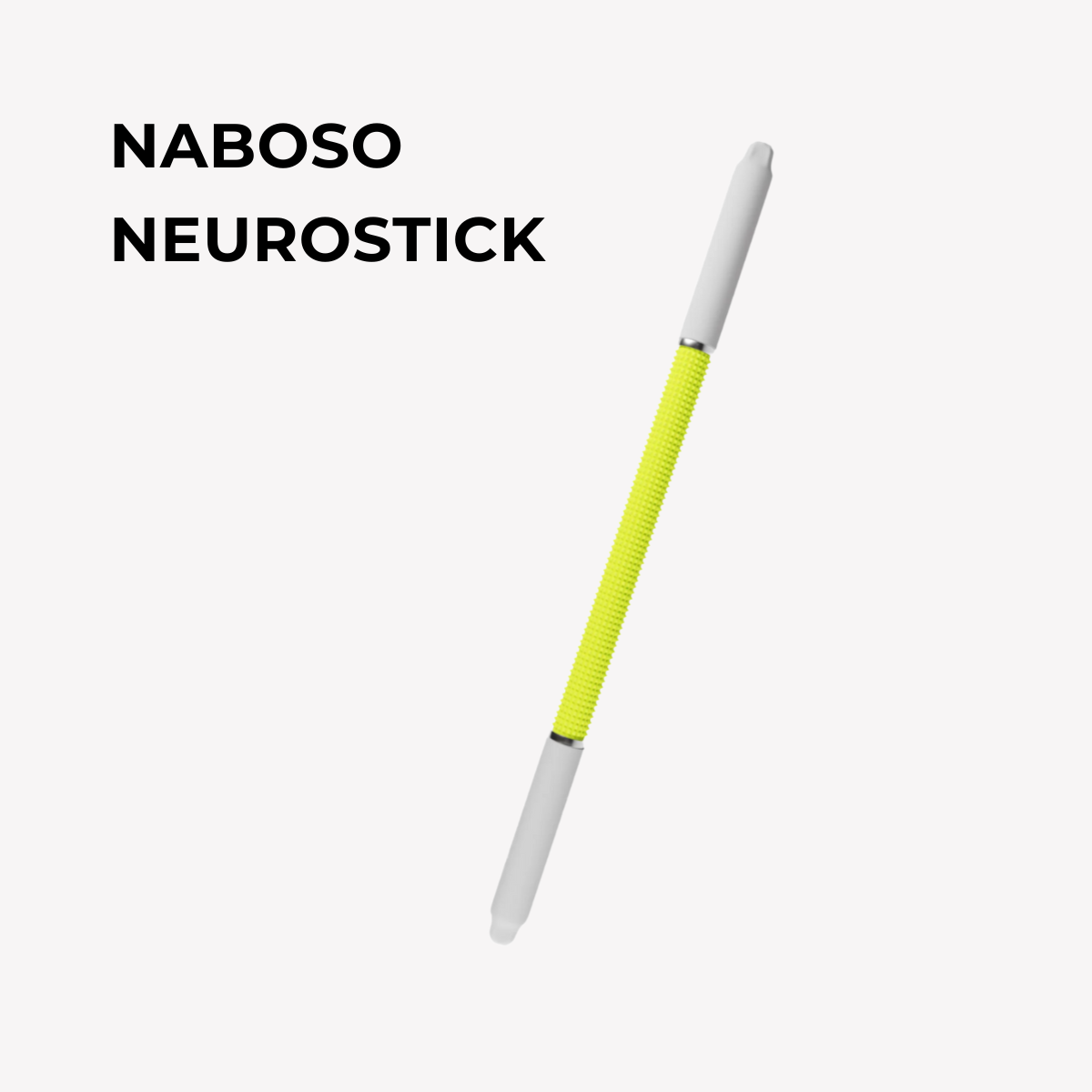
Best for:

  • Calves

  • Shins

  • TFL & IT band

Why it works:

  • You control the pressure

  • No bodyweight needed

Great if full pressure feels like too much

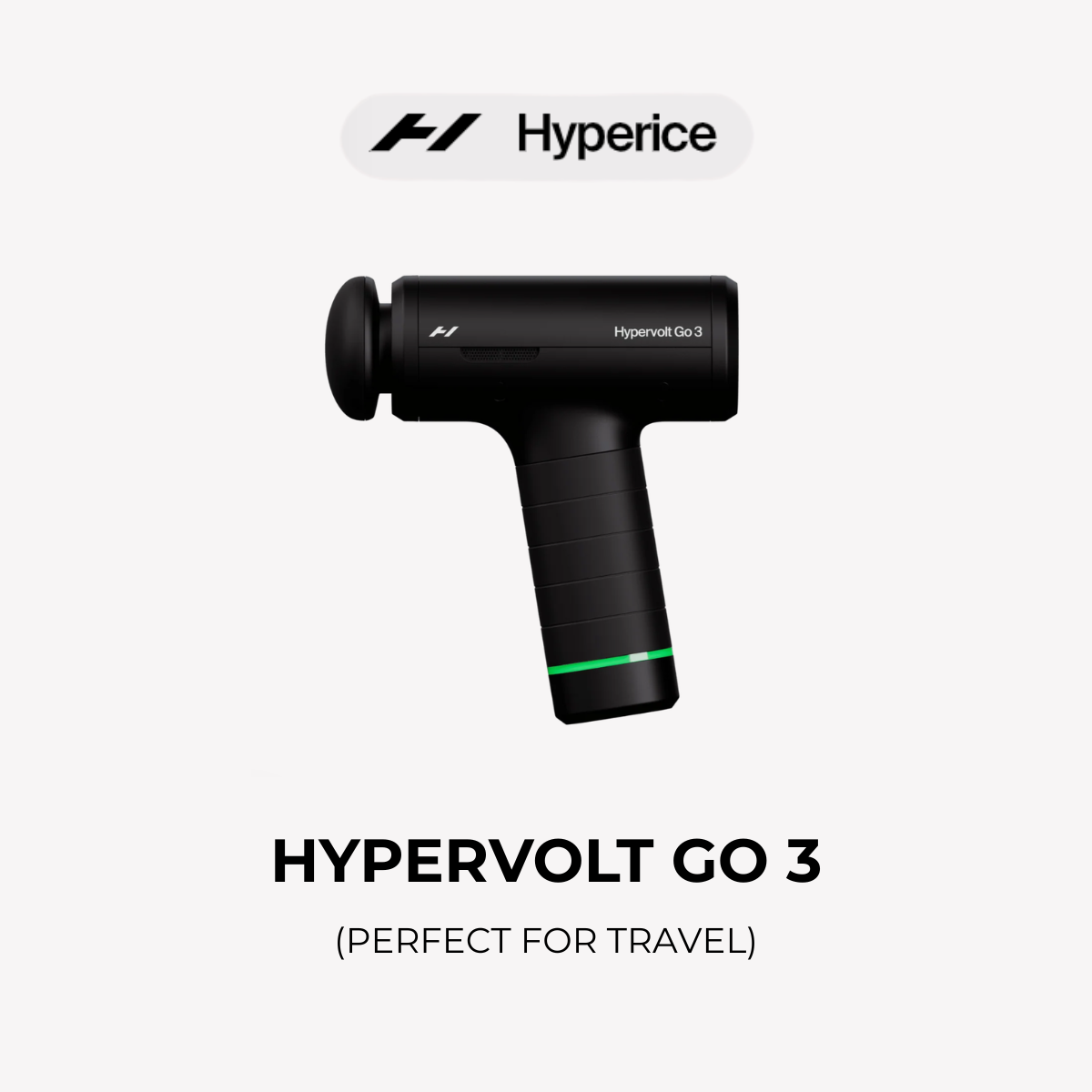
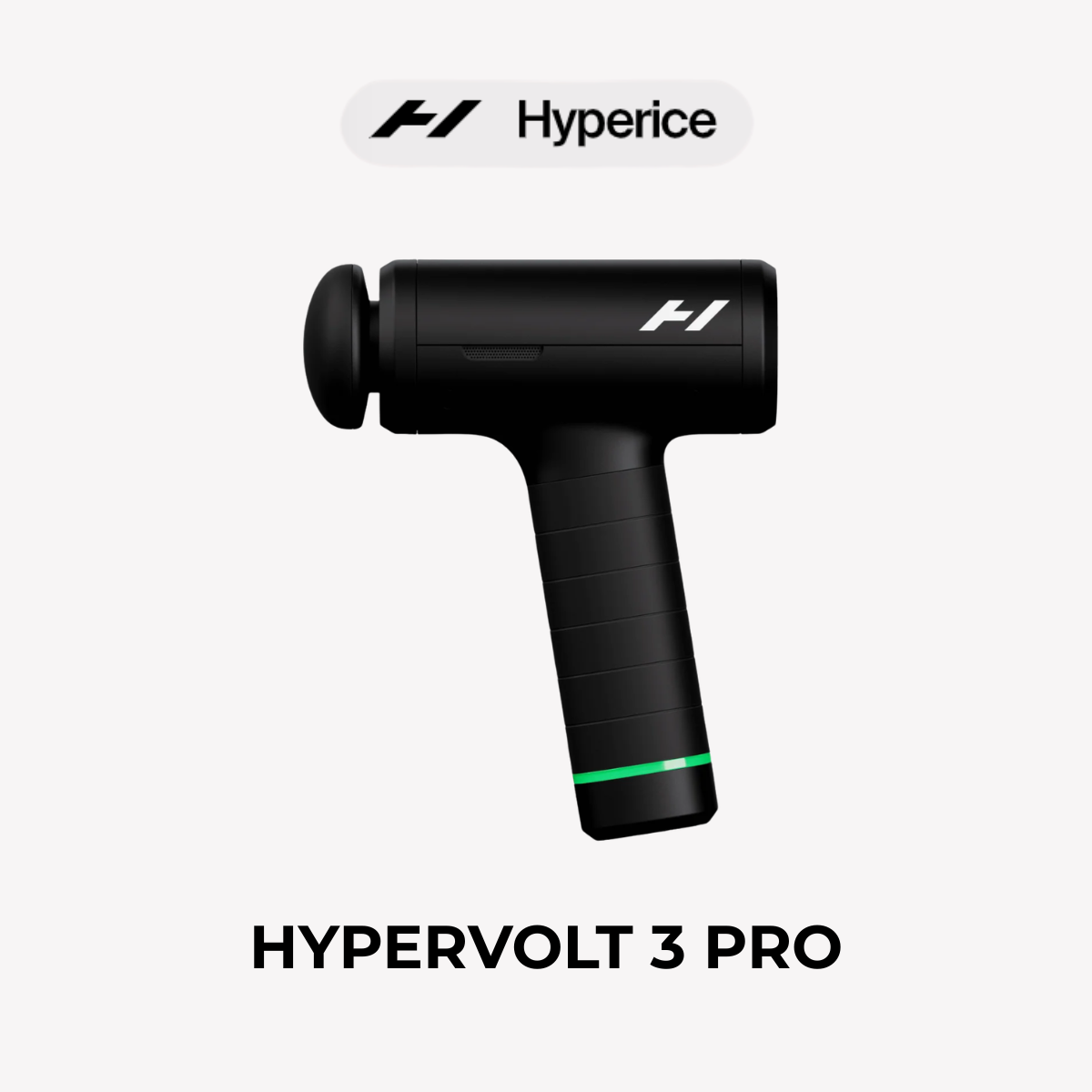
Massage Gun

(Convenient, But Not Essential)

Best for:

  • Quick sessions

  • Convenience

  • When you can't get on the floor

Why it works:

  • Easy to use anywhere

  • Adds vibration

Important note: Research shows mixed results. Some studies found massage guns may actually increase soreness slightly right after exercise, so they're best used a few hours post-workout or on rest days—not immediately after training. [2]

Good tool for convenience—but not a replacement for rolling


Firm vs Soft Rollers

Here's what the research shows:

Smooth, grooved, or textured rollers all work about the same—as long as you roll for at least 2 minutes per muscle group. [4]

  • Soft rollers: more comfortable for beginners

  • Firm / textured rollers: more intense for experienced users

Pick what you'll actually use. The time you spend rolling matters more than the type of roller.


Common Mistakes

  • Using only one tool — Different areas need different approaches

  • Avoiding uncomfortable spots — That's usually where you need it most

  • Going too aggressive — More pain ≠ better results. You should feel pressure, not sharp pain.

  • Rushing through it — Tools don't matter if you're not spending enough time

When NOT to Roll

Don't roll if you have:

❌ Open wounds or cuts in the area

❌ A bone fracture

❌ Acute inflammation or swelling

Check with your doctor first and use caution if you have a history of:

  • Deep vein thrombosis (DVT)

  • Bone infections

  • Recent muscle injuries with calcification

If you're unsure, ask your physical therapist or doctor.

Simple Starter Setup

If you want to keep it simple, use these tools:

  • Foam roller

  • Lacrosse ball

That's enough to cover almost everything.

For more recommended products: Visit our “Patients + Products” tab and scroll to “Products We Love.”


The Bottom Line

The best tool is the one you'll actually use consistently. You don't need every tool on the market.

You just need:

  • The right tool for the area

  • Consistency over time

Keep it simple—and start today!

While self-massage is a great place to start, sometimes your body needs a more personalized approach. Working 1-on-1 with a certified massage therapists can help you target what your body actually needs and get better results.


References

  1. Martínez-Aranda L.M. et al. (2024). Effects of Self-Myofascial Release on Athletes' Physical Performance: A Systematic Review. Journal of Functional Morphology and Kinesiology, 9(1), 20.

  2. Leabeater A.J. et al. (2024). Under the Gun: Percussive Massage Therapy and Physical and Perceptual Recovery in Active Adults. Journal of Athletic Training, 59(3), 310–316.

  3. Behm D.G. et al. (2020). Foam Rolling Prescription: A Clinical Commentary. Journal of Strength and Conditioning Research, 34(11), 3301–3308.

  4. Michalak B. et al. (2024). Recovery effect of self-myofascial release using different types of foam rollers. Scientific Reports, 14, 15762.

  5. Adamczyk J.G. et al. (2020). Does the Type of Foam Roller Influence the Recovery Rate, Thermal Response and DOMS Prevention? PLoS One, 15(6), e0235195.
How to Actually Use Foam Rolling (For Real Results)

Foam rolling is one of the most used—and most misused—recovery tools. If you have ever thought: "Am I even doing this right?" You are not alone. Here is how to actually use foam rolling as a tool that works.

When to Foam Roll

Before Training (Best for Mobility)

Use it to reduce stiffness, improve movement quality, and prep your body for training.

How:

  • 90 seconds per muscle (minimum)

  • Slow, controlled (2-4 seconds per roll)

  • Moderate pressure

Research shows 30 seconds isn't enough to improve range of motion—you need at least 90 seconds to see real changes. [6]

Important: Keep pre-workout rolling brief (1-2 minutes per area max). One study found that 5 minutes of foam rolling before exercise decreased vertical jump performance by 5.1%. [7] If power output matters for your workout, keep it short and follow it immediately with a dynamic warm-up.


After Training (Best for Recovery)

This is where foam rolling really shines. It helps reduce soreness (studies show ~6% improvement in pain perception), speed up recovery, and restore movement. [10]

How:

  • 2-3 minutes per major area

  • 15-20 minutes total

  • Focus on what you trained

Studies show foam rolling for at least 120 seconds produces significantly better recovery outcomes than shorter durations. [8]

Even better: pair it with light movement (walking, easy cycling) to boost circulation


On Recovery Days (Best for Flexibility)

This is your chance to go deeper.

Best combo:

  • Foam roll (2-3 minutes per area)

  • Then hold a stretch (30-60 seconds)

Research shows foam rolling and stretching produce similar flexibility gains when done separately. Combining them may improve performance more than stretching alone, though the range of motion benefits aren't additive. [5]

Key insight: Programs longer than 4 weeks produce significantly better flexibility gains than shorter programs. [5] This is a long game. Consistency over weeks is where real mobility gains happen


How to foam roll

Go slower than you think

Fast rolling = low impact

Slow rolling = real change

Research recommends 2-4 seconds per roll (time for a single pass in one direction). [2]

Sit on tight spots

When you find a tender area:

  • Pause for 5-10 seconds

  • Breathe

  • Let the tension drop

Use moderate pressure

Aim for: 6-7/10 discomfort

Not pain. Not nothing. Right in the middle.

Interestingly, research shows pressure level doesn't significantly affect range of motion outcomes—so don't feel like you need to crush yourself. Moderate pressure works. [3]

Stay long enough

Minimum: 90-120 seconds per area

This is the most common mistake. Studies show 30 seconds produces no significant improvement in range of motion, while 90+ seconds does. [6]

You can break this up: 3 sets of 30 seconds works just as well as one continuous session. [2]


What to Combine with foam rolling

#1 Best Combo: Foam Rolling + Light Movement

Walking, easy cycling, or low-effort movement improves circulation and speeds recovery.

Best for Flexibility: Rolling + Stretching

Roll first → then stretch

You may get more range with less resistance [4]

Simple Weekly Plan

Before workouts: 90 seconds per target area (keep it brief if power matters)

After workouts: 15-20 minute recovery session

Recovery days: full body + stretching

Daily minimum: 10 minutes

Consistency > duration

Keep Your Expectations Realistic

The research shows foam rolling works, but the effects are modest—not miraculous.

What you can expect:

  • Small improvements in sprint performance (~0.7% pre-exercise) [10]

  • Moderate improvements in flexibility (~4%) [11]

  • Reduced muscle soreness (~6% improvement) [10]

  • Minimal impact on strength or power (which is good—it won't hurt performance if kept brief) [2]

Meta-analysis suggests foam rolling may be slightly more effective as a warm-up activity than a recovery tool, though both applications have benefits. [10]

The Biggest Mistakes

Rolling too fast — You need 2-4 seconds per pass

Not spending enough time — 30 seconds doesn't work; 90+ seconds does

Avoiding uncomfortable areas — That's usually where you need it most

Only doing it when you're already sore — Consistent use prevents problems


The Bottom Line

Foam rolling works—but only if you use it correctly.

Keep it simple:

  • Slow: 2-4 seconds per roll

  • Long enough: 90-120 seconds per area minimum

  • Consistent: Regular use beats occasional long sessions

The effects are real but modest... Do that, and your body will feel the difference.

You now know when to roll and for how long. But which tool should you actually use? Part 3 breaks down the best self-massage tools and when each one works best.

While self-massage is a great place to start, sometimes your body needs a more personalized approach. Working 1-on-1 with a certified massage therapists can help you target what your body actually needs and get better results.


References

  1. Arbiza, B. C., et al. (2024). Effect of foam rolling recovery on pain and physical capacity after resistance exercises: A randomized crossover trial. Journal of Bodywork and Movement Therapies, 37, 226–232.

  2. Behm, D. G., et al. (2020). Foam rolling prescription: A clinical commentary. Journal of Strength and Conditioning Research, 34(11), 3301–3308.

  3. Hirose, N., et al. (2025). Sex and pressure effects of foam rolling on acute range of motion in the hamstring muscles. PLoS One, 20(2), e0319148.

  4. Konrad, A., et al. (2021). A comparison of the effects of foam rolling and stretching on physical performance: A systematic review and meta-analysis. Frontiers in Physiology, 12, 720531.

  5. Konrad, A., et al. (2022). Foam rolling training effects on range of motion: A systematic review and meta-analysis. Sports Medicine, 52(10), 2523–2535.

  6. Nakamura, M., et al. (2021). The acute and prolonged effects of different durations of foam rolling on range of motion, muscle stiffness, and muscle strength. Journal of Sports Science & Medicine, 20(1), 62–68.

  7. Phillips, J., et al. (2021). Effect of varying self-myofascial release duration on subsequent athletic performance. Journal of Strength and Conditioning Research, 35(3), 746–753.

  8. Schroeder, J., et al. (2021). Effects of foam rolling duration on tissue stiffness and perfusion: A randomized cross-over trial. Journal of Sports Science & Medicine, 20(4), 626–634.

  9. Sulowska-Daszyk, I., & Skiba, A. (2022). The influence of self-myofascial release on muscle flexibility in long-distance runners. International Journal of Environmental Research and Public Health, 19, 457.

  10. Wiewelhove, T., et al. (2019). A meta-analysis of the effects of foam rolling on performance and recovery. Frontiers in Physiology, 10, 376.

  11. Wilke, J., et al. (2020). Acute effects of foam rolling on range of motion in healthy adults: A systematic review with multilevel meta-analysis. Sports Medicine, 50(2), 387–402.

Why Self-Massage Actually Works (It's Not What You Think)

Most athletes fall into one of two camps:

They either skip tissue work entirely… or they foam roll for 10 minutes without knowing if it's doing anything.

Here's the truth:

Self-massage works—but not for the reasons you've likely been told.


Your Body Builds "Tissue Debt"

Every hard training session leaves a mark:

Muscle fibers get stressed. Metabolic byproducts accumulate. Your connective tissue (fascia) can become less mobile.

Your body can recover from this—but only if you give it the right inputs: movement, blood flow, and mechanical stimulus.

Without these inputs, tightness builds. Range of motion drops. Injury risk slowly climbs in the background.


What Is Actually Causing That "Tight" Feeling?

It's not just muscle. Between your muscles is a layer of connective tissue that should glide smoothly. When it doesn't, you feel stiffness, restriction, and that vague, hard-to-pinpoint soreness.

One of the biggest drivers of this is something called fascial densification. [7]

Translation: Your tissue becomes more sticky and less fluid. Instead of sliding, layers start to drag against each other.

The good news? This is reversible—and it's different from permanent scar tissue. [7-8]


Foam Rolling Doesn't "Break Up" Tissue

The old idea:

"You're smashing knots and breaking up adhesions"

The reality:

That is not physically possible with a foam roller.

The forces needed to change dense tissue structure are far higher than what your bodyweight can create. [2] But that doesn't mean it's not working. It just means the real effects are happening somewhere else—in your nervous system and how your body perceives tension.


The 4 Ways Self-Massage Actually Works

1. It Calms Your Nervous System (Fast)

Your tissue is full of sensory receptors. When you apply slow, steady pressure, your nervous system responds by reducing muscle tension at the spinal cord level, increasing stretch tolerance, and shifting toward a more relaxed state. Research shows foam rolling can decrease spinal excitability by up to 58% with high-intensity rolling. [10]

That's why you feel looser within minutes—your brain is allowing more movement.

2. It May Influence Tissue Fluid and Gliding

Your connective tissue contains fluid that affects how layers slide past each other. [8-9]

The evidence here is mixed:

Some studies suggest foam rolling may improve fluid dynamics in tissue.

Other studies show decreased fascial sliding after rolling, not increased. [10]

Most studies show no change in actual tissue structure or morphology. [10]

The bottom line: Foam rolling likely doesn't physically change your tissue, but it may influence how it feels and moves through sensory changes.

3. It Improves Circulation

Self-massage increases local blood flow, which helps deliver oxygen and nutrients, reduce soreness, and speed up recovery. Studies show blood flow can increase by 70–85% immediately after rolling, with effects lasting up to 30 minutes. [4-5]

Longer rolling durations (3+ minutes) produce greater circulation benefits than shorter sessions. [5]

4. It Helps Tissue Adapt Over Time

This is the long game. With consistent use over weeks, your range of motion improves, tissue becomes more resilient, and recovery gets faster. [6][1] Research shows foam rolling programs longer than 4 weeks produce better ROM gains than shorter programs). [6]

The bottom line: This doesn't happen in one session—it builds over days and weeks. (We'll cover the specific timing in Part 2.)


What This Means for You

Self-massage isn't about "fixing knots" or "breaking up adhesions."

It's about:

Resetting your nervous system's tension settings

Improving how your body moves and feels

Increasing blood flow to support recovery

Building long-term mobility with consistent practice

And most importantly: Consistency and duration matter more than intensity. [3]


The Bottom Line

Self-massage works because it resets your nervous system, increases circulation, may influence tissue fluid dynamics, and supports long-term adaptation with consistent use. [2-3][10] If you train hard, this isn't optional. It's part of the process.

Remember: Spend at least 90–120 seconds per area, stay consistent, and don't expect it to "break up" anything. You're training your nervous system, not reshaping your tissue. [3]

Now that you understand the science—nervous system reset, circulation boost, and long-term adaptation—Part 2 shows you exactly when and how to apply these principles for maximum benefit.

While self-massage is a great place to start, sometimes your body needs a more personalized approach. Working 1-on-1 with a certified massage therapists can help you target what your body actually needs and get better results.


References

  1. Alonso-Calvete, A., Da Cuña-Carrera, I., Abalo-Núñez, R., Soto-González, M. (2021). Does the roller massage induced by a foam roller really affect the muscular recovery? A randomized controlled trial. International Journal of Environmental Research and Public Health, 18(21), 11228. 

  2. Behm, D. G., Wilke, J. (2019). Do self-myofascial release devices release myofascia? Rolling mechanisms: A narrative review. Sports Medicine, 49(8), 1173–1181. 

  3. Behm, D. G., Alizadeh, S., Hadjizadeh Anvar, S., Mahmoud, M. M. I., Ramsay, E., Hanlon, C., Cheatham, S. (2020). Foam rolling prescription: A clinical commentary. Journal of Strength and Conditioning Research, 34(11), 3301–3308. 

  4. Brandl, A., Egner, C., Reer, R., Schmidt, T., Schleip, R. (2023). Immediate effects of myofascial release treatment on lumbar microcirculation. Journal of Clinical Medicine, 12(4), 1248. 

  5. Hotfiel, T., Swoboda, B., Krinner, S., Grim, C., Engelhardt, M., Uder, M., Heiss, R. (2017). Acute effects of lateral thigh foam rolling on arterial tissue perfusion determined by spectral Doppler and power Doppler ultrasound. Journal of Strength and Conditioning Research, 31(4), 893–900. 

  6. Nakamura, M., Onuma, R., Kiyono, R., Yasaka, K., Sato, S., Yahata, K., Fukaya, T., Konrad, A. (2021). The acute and prolonged effects of different durations of foam rolling on range of motion, muscle stiffness, and muscle strength. Journal of Sports Science Medicine, 20(1), 62–68.

  7. Pavan, P. G., Stecco, A., Stern, R., Stecco, C. (2014). Painful connections: Densification versus fibrosis of fascia. Current Pain and Headache Reports, 18, 441. 

  8. Stecco, C., Stern, R., Porzionato, A., Macchi, V., Masiero, S., Stecco, A., De Caro, R. (2011). Hyaluronan within fascia in the etiology of myofascial pain. Surgical and Radiologic Anatomy, 33(10), 891–896. 

  9. Stecco, C., Fede, C., Macchi, V., Porzionato, A., Petrelli, L., Biz, C., Stern, R., De Caro, R. (2018). The fasciacytes: A new cell devoted to fascial gliding regulation. Clinical Anatomy, 31(5), 667–676. 

  10. Young, J. D., Spence, A. J., Behm, D. G. (2018). Roller massage decreases spinal excitability to the soleus. Journal of Applied Physiology, 124(4), 950–959. 

Water Wins

You've probably heard you need to drink lots of water after a massage. But is that really necessary? Let's look at what the science actually says about hydration, massage, and athletic performance.

Why Water Matters for Athletes

Water makes up about 60% of your body weight and plays essential roles in nutrient transport, temperature regulation, and joint lubrication. For athletes and active individuals, staying hydrated is particularly important because it affects how your muscles and tissues function.[1]

When you're dehydrated, your tissues become stiffer and less flexible. Research shows that dehydration increases the force needed to compress soft tissues and reduces tissue thickness. Even mild dehydration (losing just 3% of your body weight in fluids) can decrease muscle endurance by about 8% and reduce strength by about 5%.[2][3]

Dehydration also creates extra stress on your muscles at the cellular level. Studies show that exercising while dehydrated increases oxidative stress and can impair muscle protein metabolism. Over time, severe dehydration may even slow down muscle recovery and glycogen (energy) storage after workouts.[4][5]


The Truth About Massage and "Toxins"

Here's the reality: the idea that massage releases toxins requiring extra water is a myth. There's no scientific evidence supporting this claim.[6][7][8]

Your body already has highly effective systems for removing waste products—your liver, kidneys, and lymphatic system handle this 24/7. Massage doesn't create a sudden release of toxins that needs to be flushed out with water.

What about lactic acid? This is another common misconception. Lactic acid doesn't cause muscle soreness, and it's cleared from your muscles within 30-60 minutes after exercise—long before you'd typically get a massage. Massage doesn't remove lactic acid, and you don't need extra water to flush it out.[9][10][11]

That said, massage does produce real physiological effects. Studies show it can temporarily reduce cortisol (a stress hormone), lower heart rate, and cause modest changes in inflammatory markers. But none of these effects require you to drink extra water.[12][13][14]


How Much Water Do You Actually Need?

For general health, aim for about 40-45 mL per kilogram of body weight per day from all beverages and food combined. For a 150-pound (68 kg) person, that's roughly 2.7-3 liters (90-100 ounces) total per day.[15][16]

If you're training hard or sweating heavily, you'll need more. A good rule of thumb: replace about 1.5 times the fluid you lose during exercise. For example, if you lose 1 pound during a workout, drink about 24 ounces of fluid.[17]

Simple ways to monitor your hydration:

  • Check your urine color—pale yellow is ideal

  • Pay attention to thirst during moderate activity

  • Weigh yourself before and after intense workouts to estimate fluid loss

  • Add 0.5-1 liter of water after high-sweat sessions


Important: Don't overdo it. Drinking excessive plain water during prolonged exercise can dilute your sodium levels and cause problems.


The Bottom Line

Hydration is important for athletic performance and recovery—but not because of massage. Staying well-hydrated helps maintain tissue flexibility, supports muscle function, and enables efficient recovery from training.[2][4][3]

After your next massage, feel free to drink water if you're thirsty. But don't feel pressured to chug extra water based on myths about toxins or lactic acid. Instead, focus on consistent daily hydration as part of your overall training and recovery strategy.

The real reason to stay hydrated isn't about flushing anything out—it's about keeping your body functioning at its best.


References

  1. Water as an Essential Nutrient: The Physiological Basis of Hydration. Jéquier E, Constant F. European Journal of Clinical Nutrition. 2010;64(2):115-23. doi:10.1038/ejcn.2009.111.

  2. Investigating the Impact of Dehydration and Hydration on in-Vivo Hip Soft Tissue Biomechanics. Khorami F, Foroutan Y, Sparrey CJ. PloS One. 2025;20(8):e0328054. doi:10.1371/journal.pone.0328054.

  3. Effect of Hypohydration on Muscle Endurance, Strength, Anaerobic Power and Capacity and Vertical Jumping Ability: A Meta-Analysis. Savoie FA, Kenefick RW, Ely BR, Cheuvront SN, Goulet ED. Sports Medicine (Auckland, N.Z.). 2015;45(8):1207-27. doi:10.1007/s40279-015-0349-0.

  4. Passive Dehydration Increases Oxidative Stress and mTOR Signalling Pathway Activation in Young Men Following Resistance Exercise. Luk HY, Jiwan NC, Appell CR, et al. The Journal of Physiology. 2025;603(12):3551-3570. doi:10.1113/JP288434.

  5. Hydration, Hyperthermia, Glycogen, and Recovery: Crucial Factors in Exercise Performance-a Systematic Review and Meta-Analysis. López-Torres O, Rodríguez-Longobardo C, Escribano-Tabernero R, Fernández-Elías VE. Nutrients. 2023;15(20):4442. doi:10.3390/nu15204442.

  6. Side-Effects of Massage Therapy: A Cross-Sectional Study of 100 Clients. Cambron JA, Dexheimer J, Coe P, Swenson R. Journal of Alternative and Complementary Medicine (New York, N.Y.). 2007;13(8):793-6. doi:10.1089/acm.2006.6401.

  7. The Safety of Massage Therapy. Ernst E. Rheumatology (Oxford, England). 2003;42(9):1101-6. doi:10.1093/rheumatology/keg306.

  8. The Mechanisms of Massage and Effects on Performance, Muscle Recovery and Injury Prevention. Weerapong P, Hume PA, Kolt GS. Sports Medicine (Auckland, N.Z.). 2005;35(3):235-56. doi:10.2165/00007256-200535030-00004.

  9. Delayed Onset Muscle Soreness : Treatment Strategies and Performance Factors. Cheung K, Hume P, Maxwell L. Sports Medicine (Auckland, N.Z.). 2003;33(2):145-64. doi:10.2165/00007256-200333020-00005.

  10. Delayed Muscle Soreness: A Review. Francis K. The Journal of Orthopaedic and Sports Physical Therapy. 1983;5(1):10-3. doi:10.2519/jospt.1983.5.1.10.

  11. Lactate: Friend or Foe. Hall MM, Rajasekaran S, Thomsen TW, Peterson AR. PM & R : The Journal of Injury, Function, and Rehabilitation. 2016;8(3 Suppl):S8-S15. doi:10.1016/j.pmrj.2015.10.018.

  12. Physiological Adjustments to Stress Measures Following Massage Therapy: A Review of the Literature. Moraska A, Pollini RA, Boulanger K, Brooks MZ, Teitlebaum L. Evidence-Based Complementary and Alternative Medicine : eCAM. 2010;7(4):409-18. doi:10.1093/ecam/nen029.

  13. Influence of Classical Massage on Biochemical Markers of Oxidative Stress in Humans: Pilot Study. Skubisz Z, Kupczyk D, Goch A, et al. BioMed Research International. 2021;2021:6647250. doi:10.1155/2021/6647250.

  14. Effect of Single Session of Swedish Massage on Circulating Levels of Interleukin-6 and Insulin-Like Growth Factor 1. Stenbäck V, Lehtonen I, Mäkelä KA, et al. International Journal of Molecular Sciences. 2024;25(17):9135. doi:10.3390/ijms25179135.

  15. Hydration for Health Hypothesis: A Narrative Review of Supporting Evidence. Perrier ET, Armstrong LE, Bottin JH, et al. European Journal of Nutrition. 2021;60(3):1167-1180. doi:10.1007/s00394-020-02296-z.

  16. Hydration and Health at Ages 40-70 Years in Salzburg Austria Is Associated With a Median Total Water Intake Over 40 mL/kg Including at Least 1 L/D Plain Drinking Water. Stookey JD, Langthaler PB, Felder TK, et al. Frontiers in Public Health. 2025;13:1668981. doi:10.3389/fpubh.2025.1668981.

  17. Selected Issues for Nutrition and the Athlete: A Team Physician Consensus Statement. Medicine and Science in Sports and Exercise. 2013;45(12):2378-86. doi:10.1249/MSS.0000000000000174.

When Is an Athlete Actually Ready?

Ever watch an athlete pass every physical test with flying colors but still hesitate when it's time to compete? Or see someone who's technically cleared but just doesn't look like themselves on the field? That's the psychological side of injury recovery — and it's just as important as the physical side.

Here's what many don't realize: an athlete who returns to sport when not psychologically ready may be at increased risk for mental health crisis, physical injury, or both. Let's break down the mental obstacles high school athletes face after ACL injuries, shoulder dislocations, and ankle sprains — and what actually helps them overcome these barriers.


The Mind-Body Connection: Why Psychology Matters

Psychological readiness is the critical missing piece in return-to-sport decisions. After ACL reconstruction, mental health scores directly correlate with successful return to sport. In fact, a recent analysis found that psychological readiness was the most effective predictor of return-to-sport success, with an effect size of 1.55 — outperforming physical tests like hop tests and limb symmetry indices.

The numbers tell a sobering story. Despite technical surgical successes and well-designed rehabilitation programs, many athletes never reach their preinjury athletic performance level, and some never return to their primary sport at all. This gap between physical capability and actual return suggests that factors beyond muscle strength and joint stability are at play.


The Psychological Obstacles: What Athletes Actually Face

Fear is the biggest mental barrier — specifically, fear of reinjury and fear of movement (kinesiophobia). Research on teens and young adults after ACL reconstruction found that each one-point increase in kinesiophobia was associated with a 28% higher likelihood of reporting unacceptable psychological readiness. Greater psychological readiness was strongly associated with lower kinesiophobia in both teens and adults.

The emotional landscape of injury recovery includes several warning signs that indicate poor adjustment:

  • Unreasonable fear of reinjury

  • Loss of athletic identity

  • Continued denial of injury severity

  • General impatience and irritability

  • Rapid mood swings

  • Withdrawal from teammates and support networks

  • Extreme guilt about letting the team down

  • Dwelling on minor physical complaints

  • Obsession with the question of when they can return

Nearly half of young athletes score below acceptable thresholds for psychological readiness after ACL reconstruction, highlighting just how common these struggles are.


What Psychological Readiness Actually Looks Like

An athlete who is psychologically ready to play has three key characteristics: realistic expectations of performance, high self-efficacy, and low anxiety. But here's an interesting finding: perceived physical competence matters more than actual physical competence when it comes to psychological readiness.

In a study of young athletes after ACL reconstruction, meeting criteria for perceived physical competence was associated with higher psychological readiness to return to sport, while meeting actual physical competence criteria showed no association with psychological response. This suggests that how athletes feel about their abilities may be more important than objective measurements alone.

For adolescent athletes specifically, the emotional response appears more influential than confidence in performance or risk appraisal. ACL-RSI scores increased significantly between 6 and 12 months post-surgery (from 55 to 71), and the emotions factor had better predictive ability for return to play than the confidence and risk appraisal factors.


Evidence-Based Assessment Tools

Several validated screening tools can help identify athletes who need psychological support:

Injury-specific tools:

  • ACL-Return to Sport after Injury scale (ACL-RSI): The gold standard for assessing psychological readiness after ACL reconstruction, with a cutoff score of 77 distinguishing acceptable from unacceptable readiness

  • Injury-Psychological Readiness to Return to Sport questionnaire (I-PRRS): Psychometric test specifically designed to assess psychological readiness of injured athletes

  • Tampa Scale of Kinesiophobia (TSK-11): Measures pain-related fear of movement

  • Reinjury Anxiety Inventory (RIAI): Specifically measures reinjury anxiety

General mental health screening:

  • Patient Health Questionnaire-9 (PHQ-9): Assesses presence of depression

  • Generalized Anxiety Disorder-7 (GAD-7): Assesses anxiety symptoms

  • Athlete Sleep Screening Questionnaire (ASSQ): Evaluates sleep disturbance

  • Sport Mental Health Assessment Tool 1 (SMHAT-1): Developed by the International Olympic Committee for comprehensive mental health assessment in athletes

Serial assessments using these tools offer a continuing profile of the athlete's psychological progression throughout recovery.


What Actually Helps: Evidence-Based Interventions

Three psychological elements are most important for positive rehabilitation and return to preinjury level of play: autonomy, competence, and relatedness (from self-determination theory).

Specific strategies that support positive return to sport experiences include:

  1. Reducing reinjury anxieties using modeling techniques — connecting athletes with others who have successfully recovered from similar injuries

  2. Building confidence through functional testing and goal setting — establishing both short- and long-term recovery goals

  3. Providing social support — keeping athletes involved with their team, teammates, and friends throughout recovery

  4. Reducing stressors related to premature return — ensuring athletes understand realistic timelines and expectations

  5. Fostering athlete autonomy — involving athletes in decision-making about their recovery

  6. Teaching specific stress coping skills:

    • Positive self-talk and cognitive restructuring

    • Relaxation techniques (meditation, deep breathing, progressive muscle relaxation)

    • Imagery and visualization

    • Goal setting

Research shows that psychological strategies like goal setting, positive self-statements, cognitive restructuring, and imagery/visualization are associated with faster recovery.


Building Trust and Addressing Misinformation

The foundation of psychological support starts with the healthcare team. Critical factors include:

  • Building trust and rapport — listening not only to make a medical diagnosis but also to assess and monitor emotional state

  • Educating the athlete about the injury — providing clear explanations in terms they can understand, with opportunities to ask questions

  • Identifying misinformation — athletes may obtain inaccurate information from parents, coaches, teammates, or the internet that contributes to confusion and emotional upheaval

  • Preparing parents, coaches, and other stakeholders — with the athlete's permission, educating support networks that injury management is individualized

  • Assessing the social support network — understanding who the athlete can rely on and their perception of that support


When to Refer to Mental Health Professionals

Athletes with problematic emotional reactions should be referred to licensed mental health professionals, preferably those with experience working with athletes. Early intervention and referral to the mental health network is important.

The American College of Sports Medicine recommends integrating sports psychologists and other mental health professionals into the athletic care network and coordinating referrals for mental health services as needed.


The Unique Challenges for High School Athletes

Adolescent athletes face specific psychological challenges. Adults were twice as likely as teens to report unacceptable psychological readiness after ACL reconstruction, suggesting that younger athletes may have different psychological responses or support needs.

Additionally, athletes with moderate preinjury adversity experienced less negative psychological responses compared to those with low or high preinjury adversity, suggesting that some prior experience with challenges may build resilience.


TOOLS FOR BUILDING CONFIDENCE

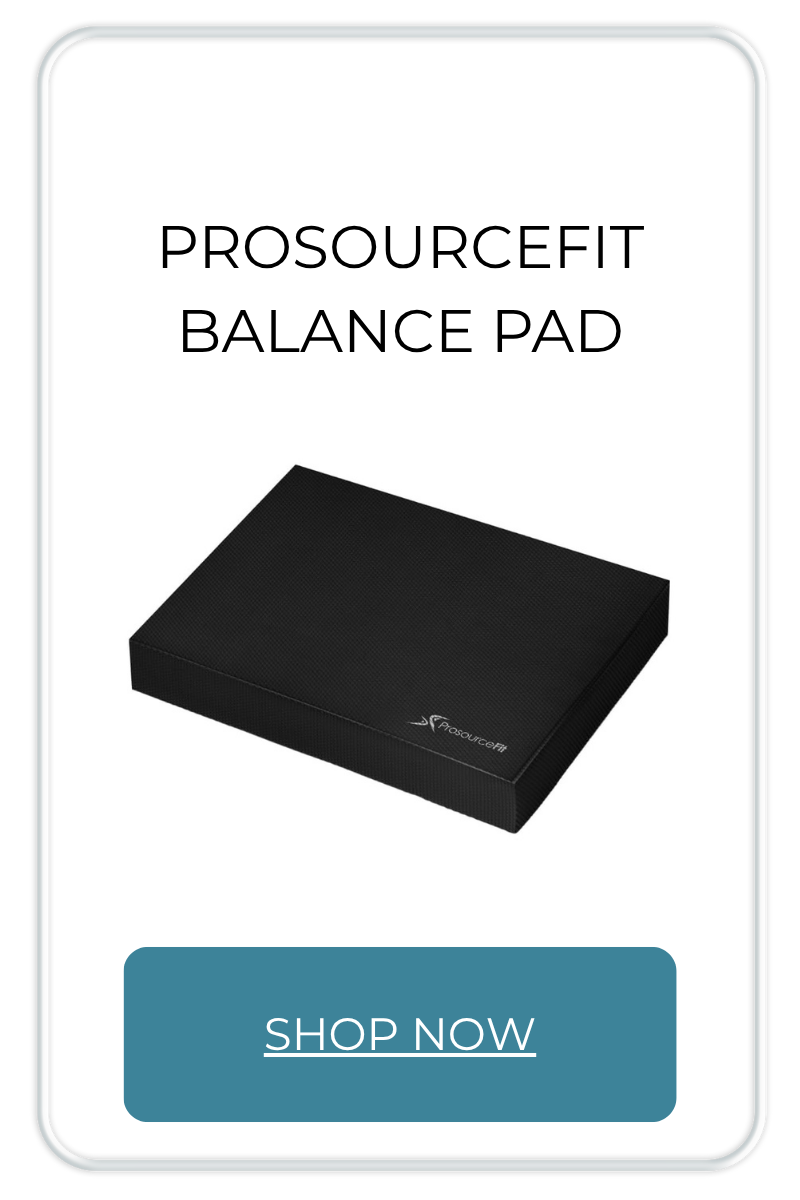
Resistance bands, balance pads and boards, and BFR cuffs are a few of the essential tools in rehabilitation. Resistance bands safely build strength, balance pads enhance coordination and stability, and BFR cuffs accelerate recovery through low-load training.

Below are our top 5 recommended products to use as a recovering athlete.


Click the image to shop on Amazon through our affiliate links and access possible discounts!


The Bottom Line

Physical clearance is only half the battle. Psychological readiness should be evaluated and incorporated into return-to-sport decision-making for all injured high school athletes, not just those recovering from ACL injuries.

The good news? High levels of optimism and self-efficacy and lower levels of depression and stress are associated with improved recovery from injury. Athletes who maintain optimism, believe in their ability to recover, and receive strong social support while managing stress and depressive symptoms are more likely to complete rehabilitation successfully, return to sport faster, and achieve better functional outcomes.

The key is recognizing that physical healing and psychological readiness must progress together — and when they do, high school athletes have the best chance of not just returning to their sport, but thriving in it.


References