
Walk into any gym or scroll online and you'll see:
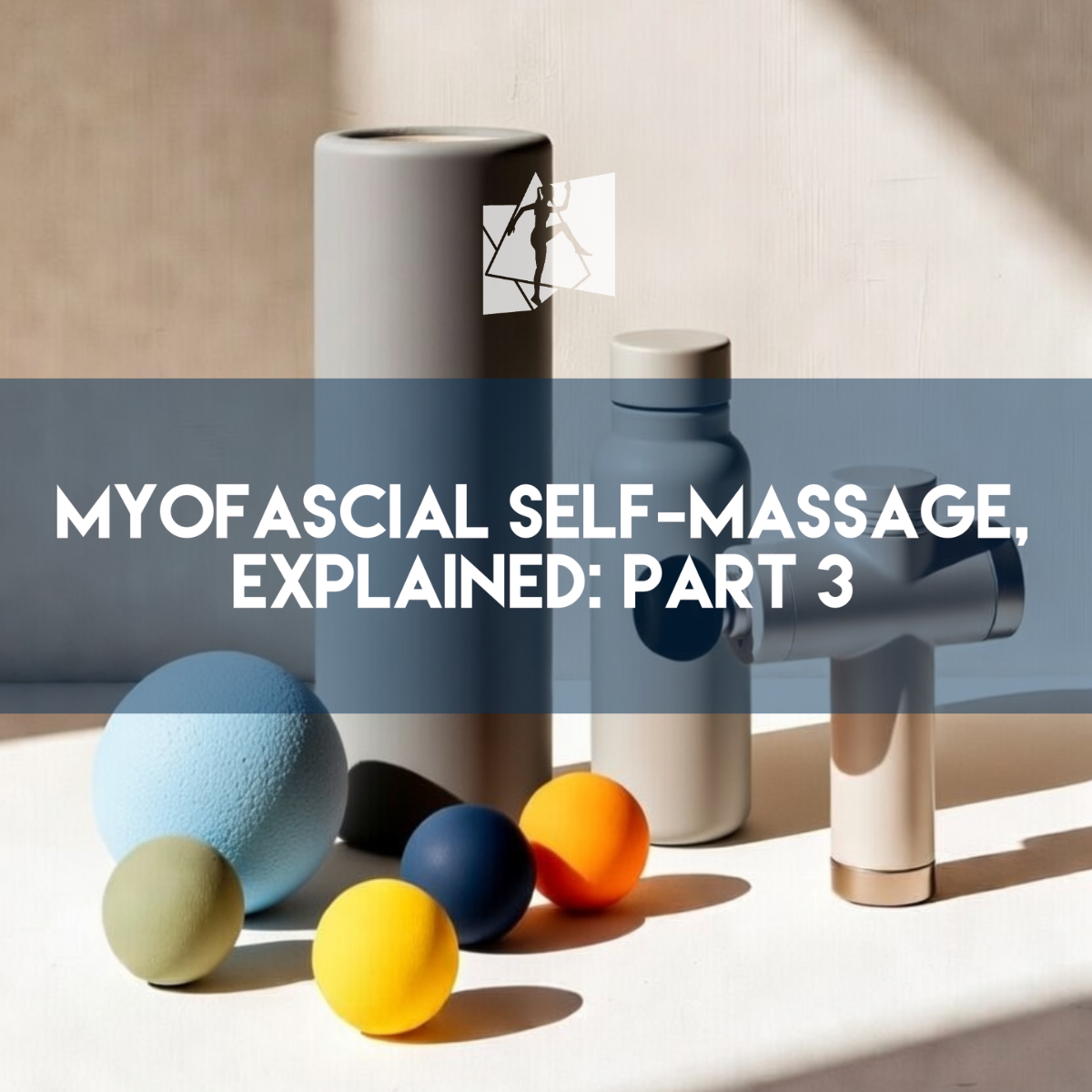
Foam rollers. Massage guns. Lacrosse balls. Sticks.
It's a lot. Here's how to actually choose the right tool, and how to use it effectively.
Not All Tools Do the Same Thing
Each tool changes pressure, control and how targeted the work is.
The goal isn't more tools, it's using the right one at the right time
Foam Roller
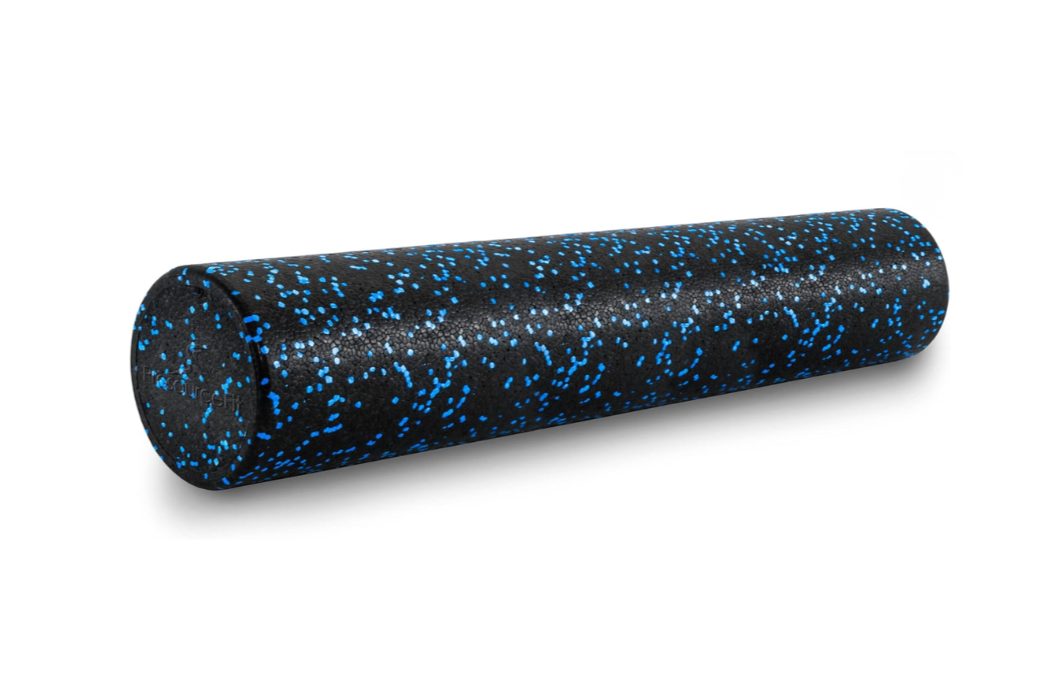
(Your Go-To)
Best for:
Quads
Hamstrings
Calves
Upper back
Why it works:
Covers large areas
Easy to use
Great for pre- and post-workout
Start here if you're new!
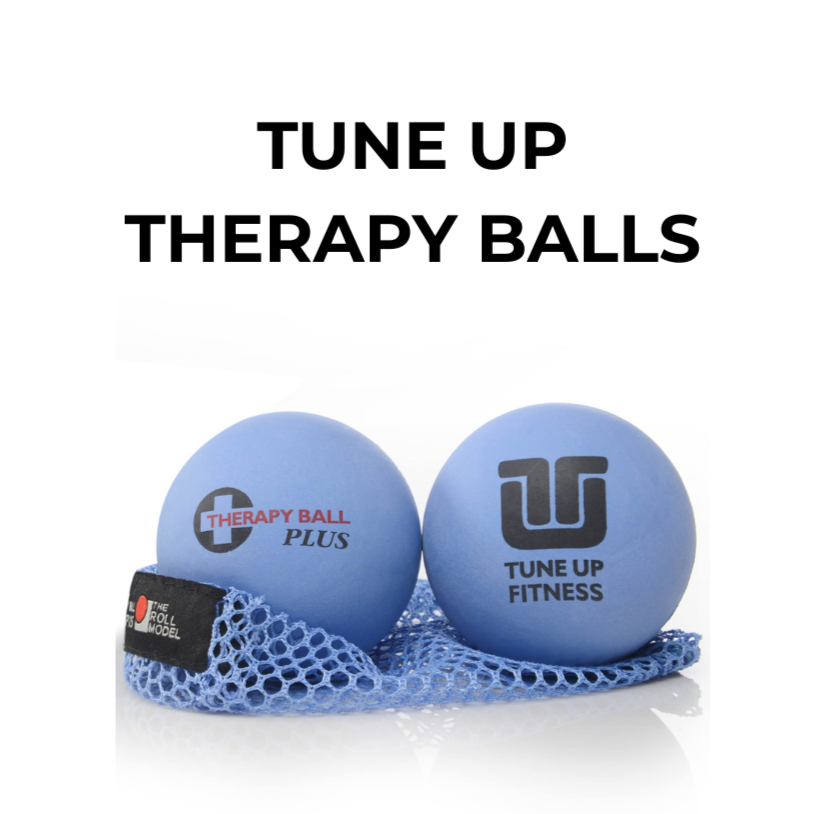
Lacrosse Ball
(Most Effective for Tight Spots)
Best for:
Shoulder
Chest
Glutes
Feet
Why it works:
High pressure
Very targeted
This is how you actually get into stubborn areas.
If you don’t have a lacrosse ball, these are great alternatives:
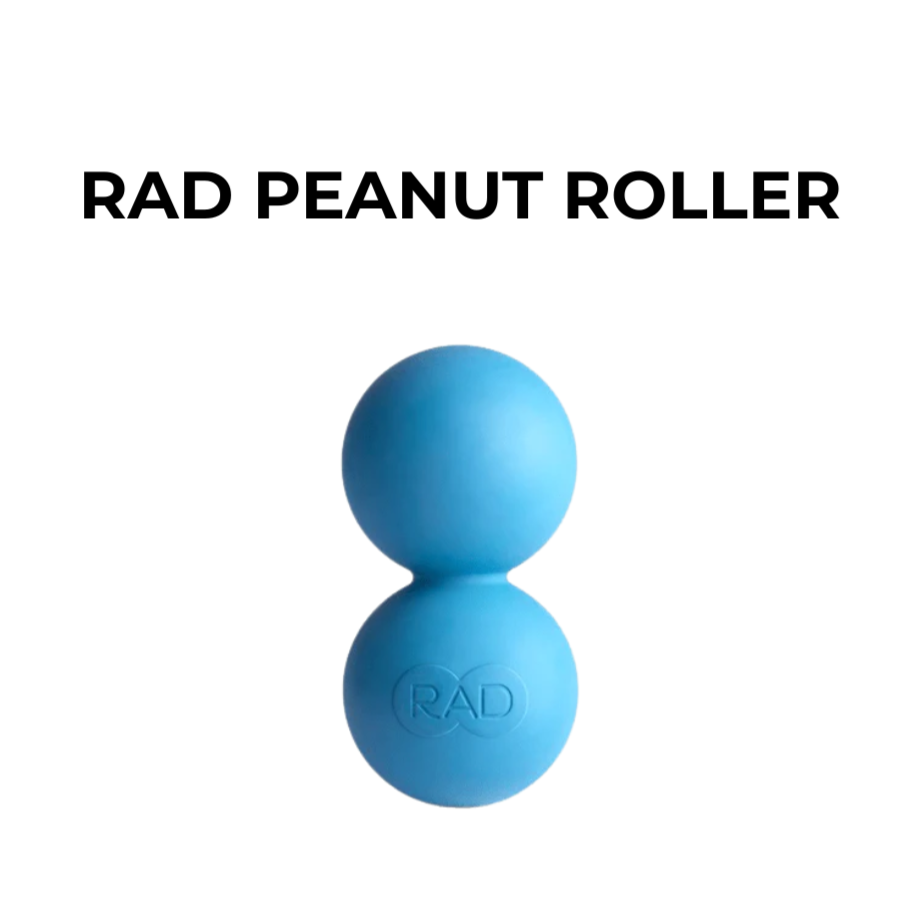
Massage Stick / Roller Bar
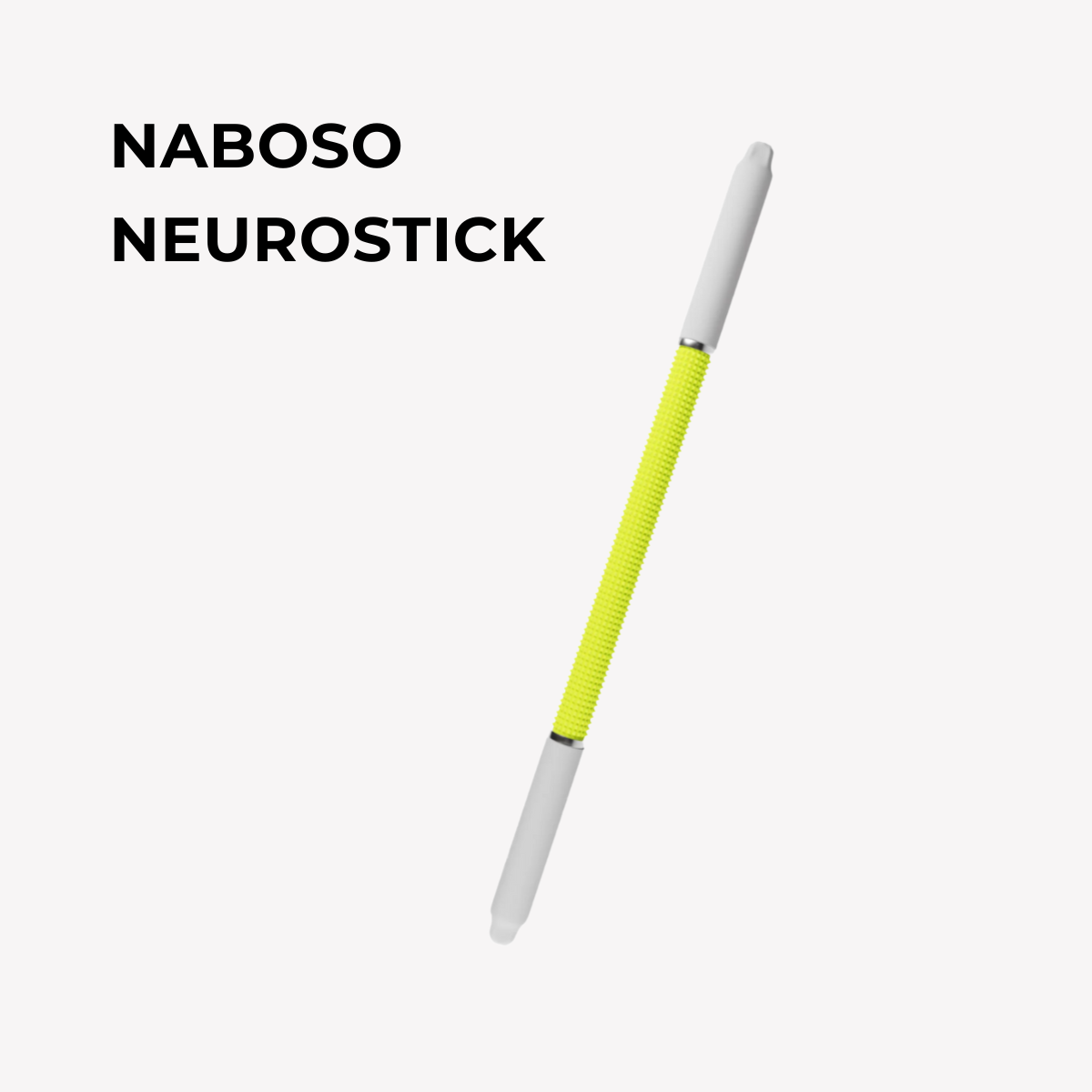
Best for:
Calves
Shins
TFL & IT band
Why it works:
You control the pressure
No bodyweight needed
Great if full pressure feels like too much
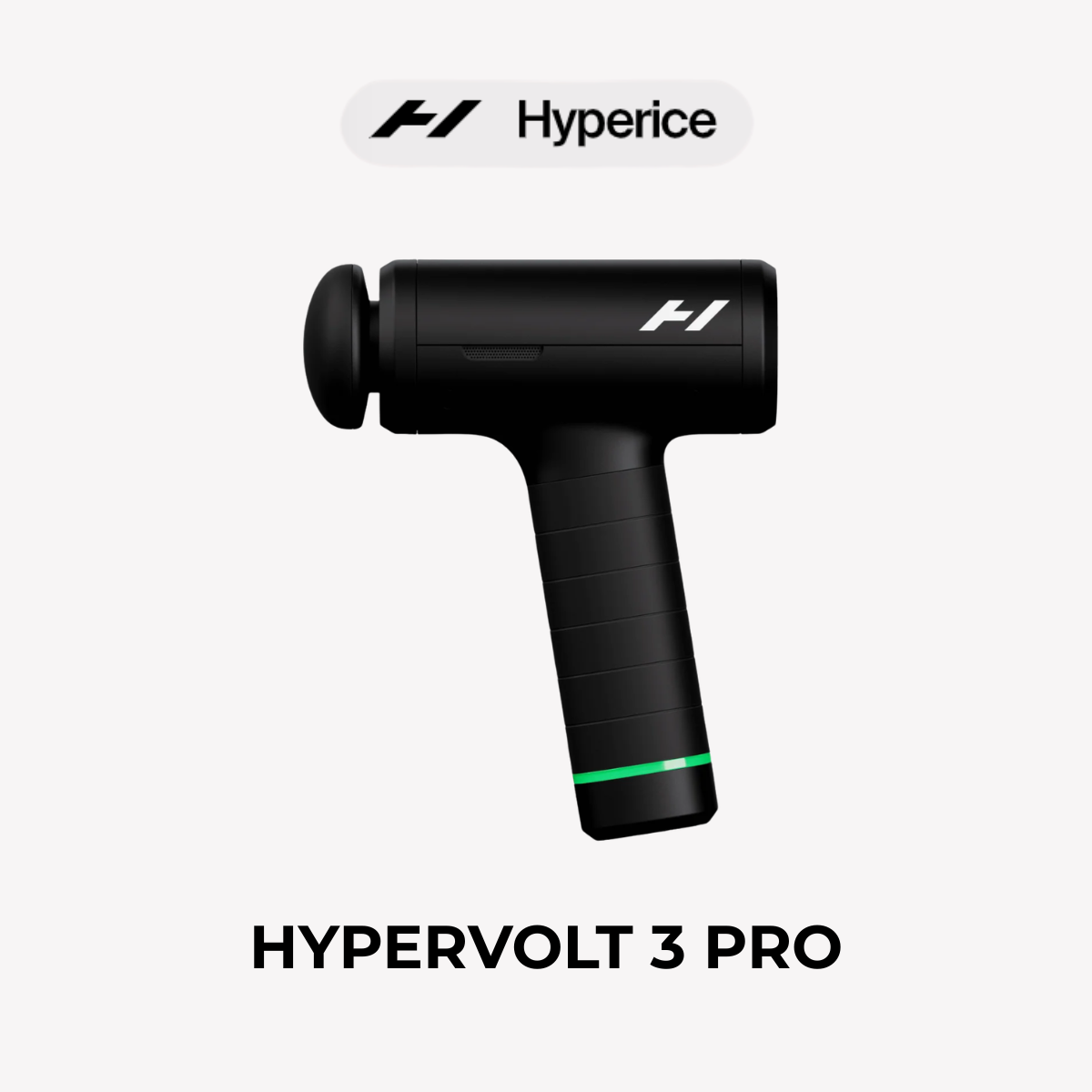
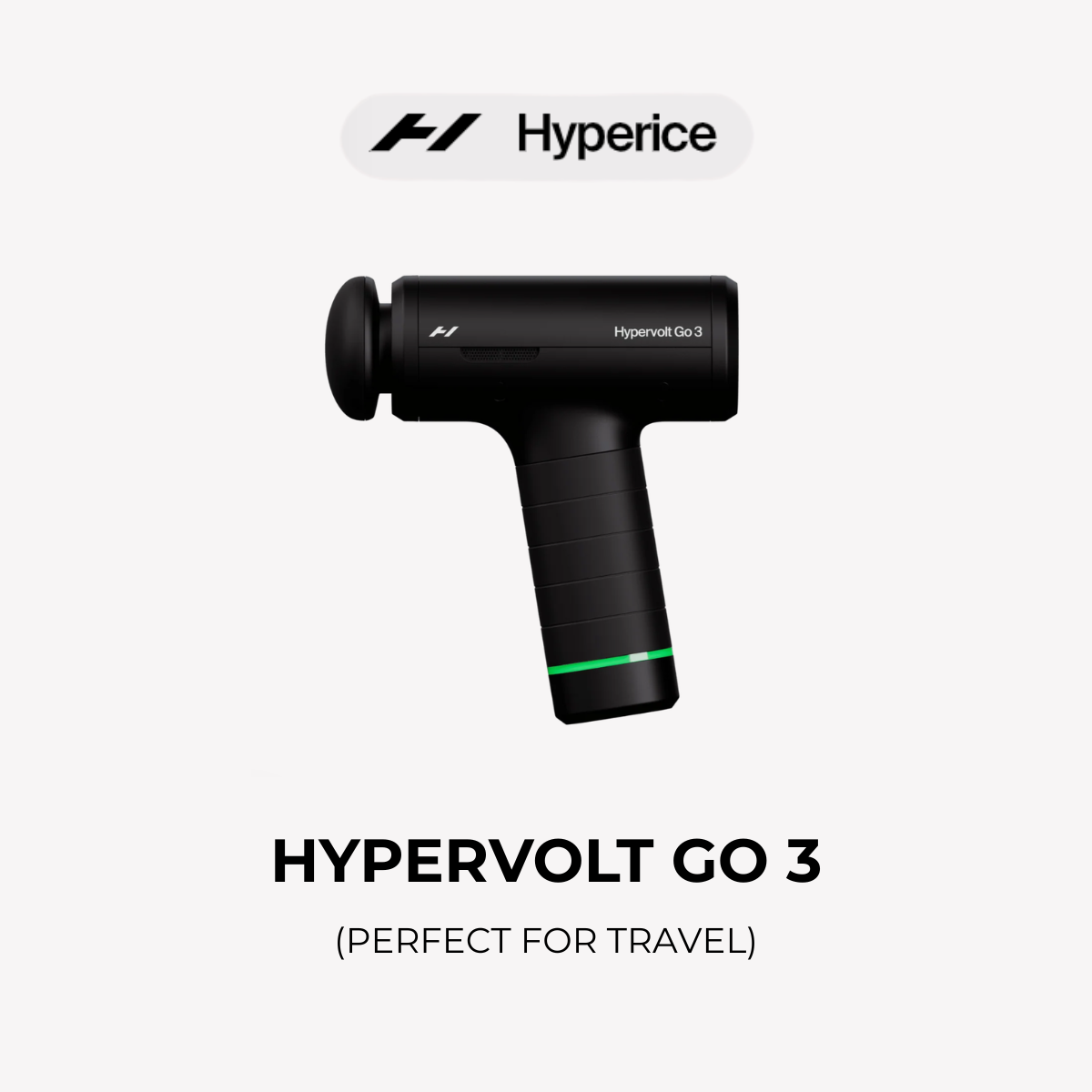
Massage Gun
(Convenient, But Not Essential)
Best for:
Quick sessions
Convenience
When you can't get on the floor
Why it works:
Easy to use anywhere
Adds vibration
Important note: Research shows mixed results. Some studies found massage guns may actually increase soreness slightly right after exercise, so they're best used a few hours post-workout or on rest days—not immediately after training. [2]
Good tool for convenience—but not a replacement for rolling
Firm vs Soft Rollers
Here's what the research shows:
Smooth, grooved, or textured rollers all work about the same—as long as you roll for at least 2 minutes per muscle group. [4]
Soft rollers: more comfortable for beginners
Firm / textured rollers: more intense for experienced users
Pick what you'll actually use. The time you spend rolling matters more than the type of roller.
Common Mistakes
Using only one tool — Different areas need different approaches
Avoiding uncomfortable spots — That's usually where you need it most
Going too aggressive — More pain ≠ better results. You should feel pressure, not sharp pain.
Rushing through it — Tools don't matter if you're not spending enough time
When NOT to Roll
Don't roll if you have:
❌ Open wounds or cuts in the area
❌ A bone fracture
❌ Acute inflammation or swelling
Check with your doctor first and use caution if you have a history of:
Deep vein thrombosis (DVT)
Bone infections
Recent muscle injuries with calcification
If you're unsure, ask your physical therapist or doctor.
Simple Starter Setup
If you want to keep it simple, use these tools:
Foam roller
Lacrosse ball
That's enough to cover almost everything.
For more recommended products: Visit our “Patients + Products” tab and scroll to “Products We Love.”
The Bottom Line
The best tool is the one you'll actually use consistently. You don't need every tool on the market.
You just need:
The right tool for the area
Consistency over time
Keep it simple—and start today!
While self-massage is a great place to start, sometimes your body needs a more personalized approach. Working 1-on-1 with a certified massage therapists can help you target what your body actually needs and get better results.
References
Martínez-Aranda L.M. et al. (2024). Effects of Self-Myofascial Release on Athletes' Physical Performance: A Systematic Review. Journal of Functional Morphology and Kinesiology, 9(1), 20.
Leabeater A.J. et al. (2024). Under the Gun: Percussive Massage Therapy and Physical and Perceptual Recovery in Active Adults. Journal of Athletic Training, 59(3), 310–316.
Behm D.G. et al. (2020). Foam Rolling Prescription: A Clinical Commentary. Journal of Strength and Conditioning Research, 34(11), 3301–3308.
Michalak B. et al. (2024). Recovery effect of self-myofascial release using different types of foam rollers. Scientific Reports, 14, 15762.
Adamczyk J.G. et al. (2020). Does the Type of Foam Roller Influence the Recovery Rate, Thermal Response and DOMS Prevention? PLoS One, 15(6), e0235195.