

Physical TheraPT

Sports & Athletes

Are You Spring Ready?

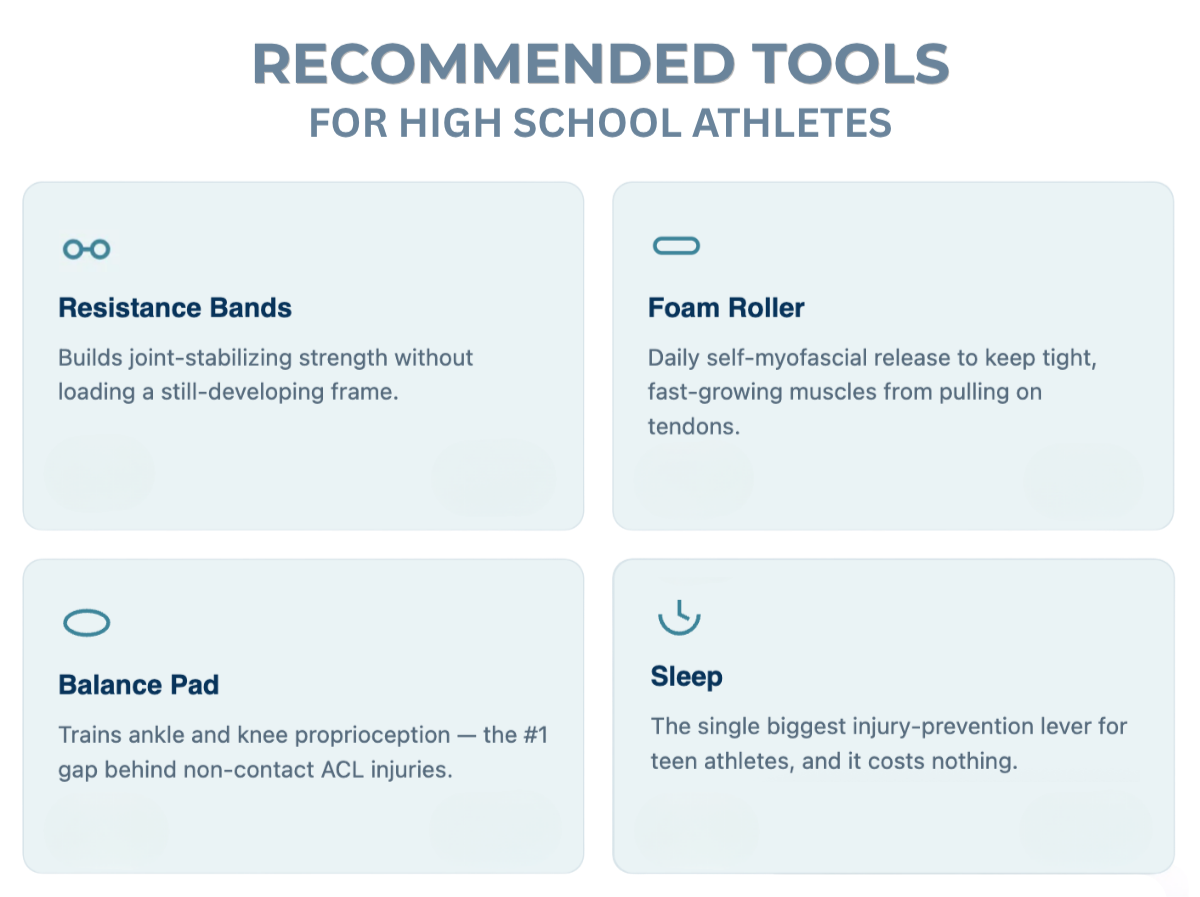
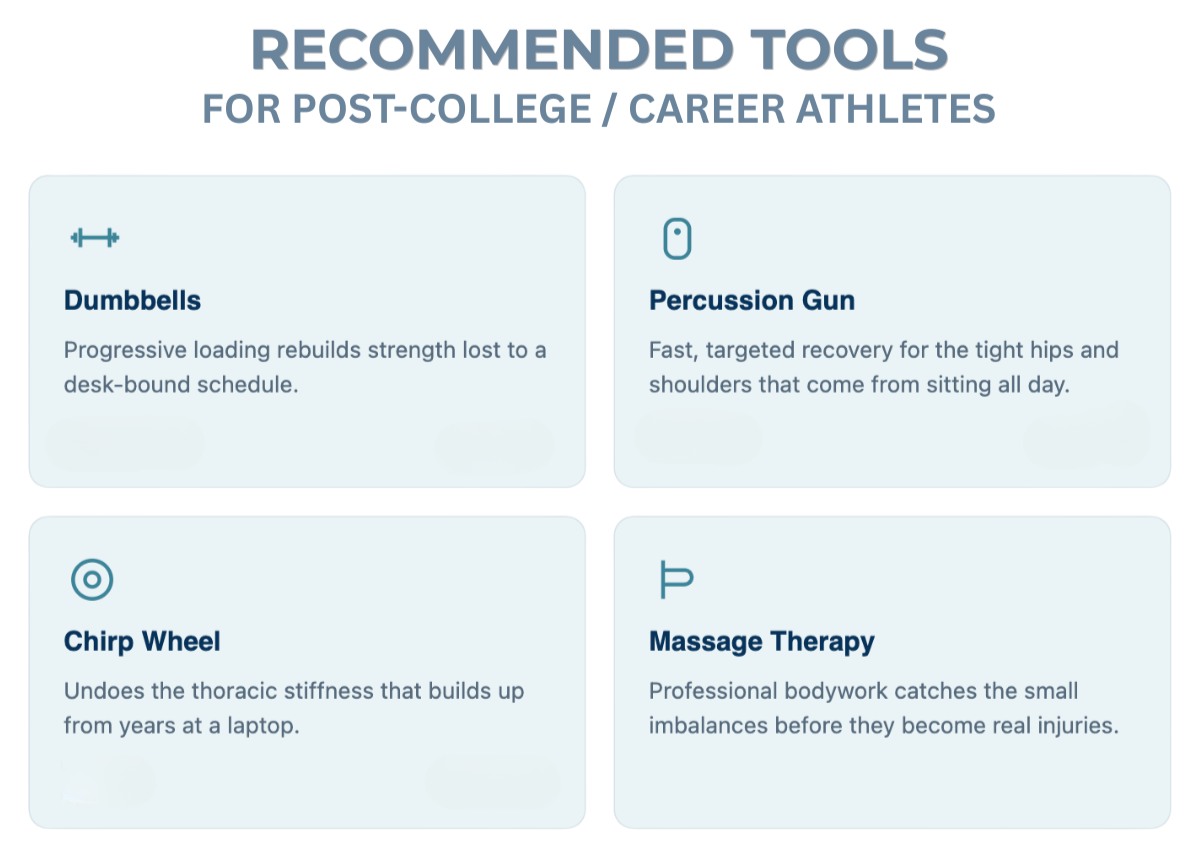
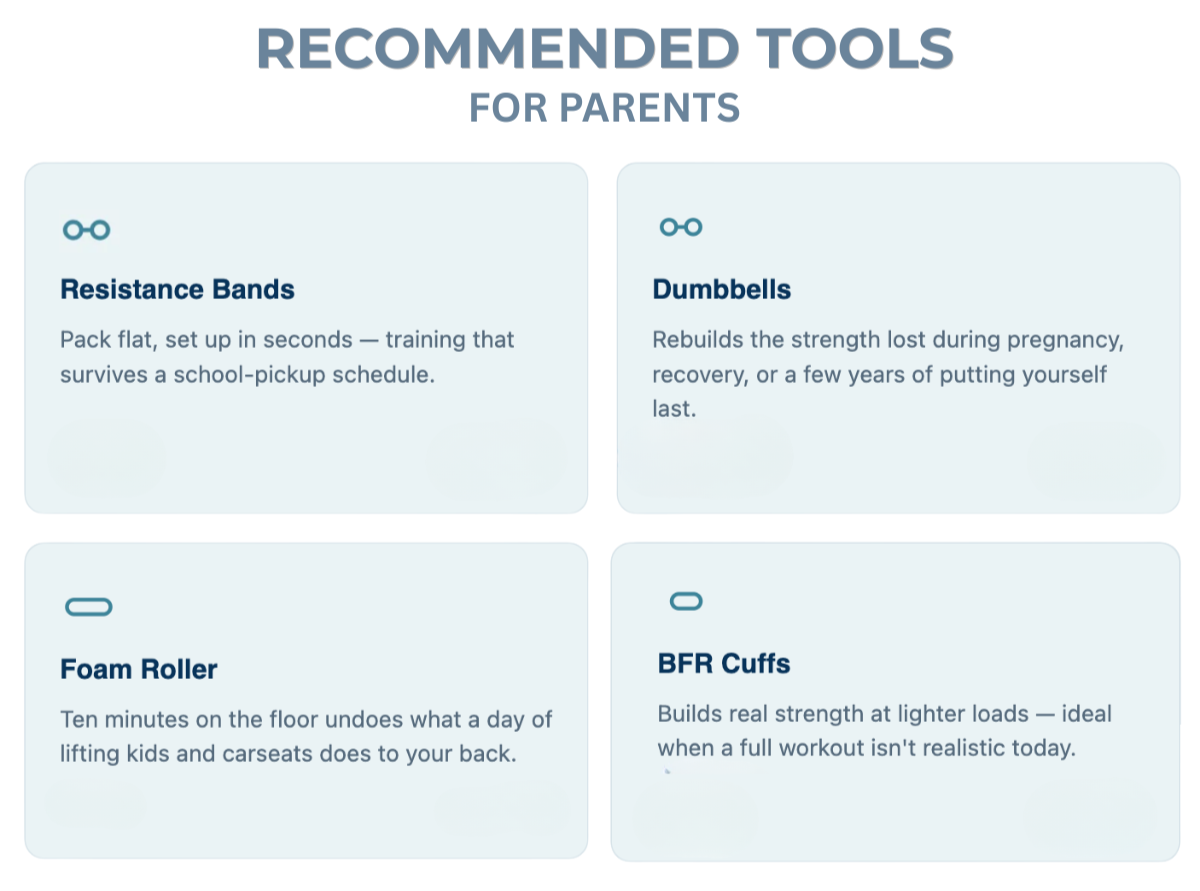
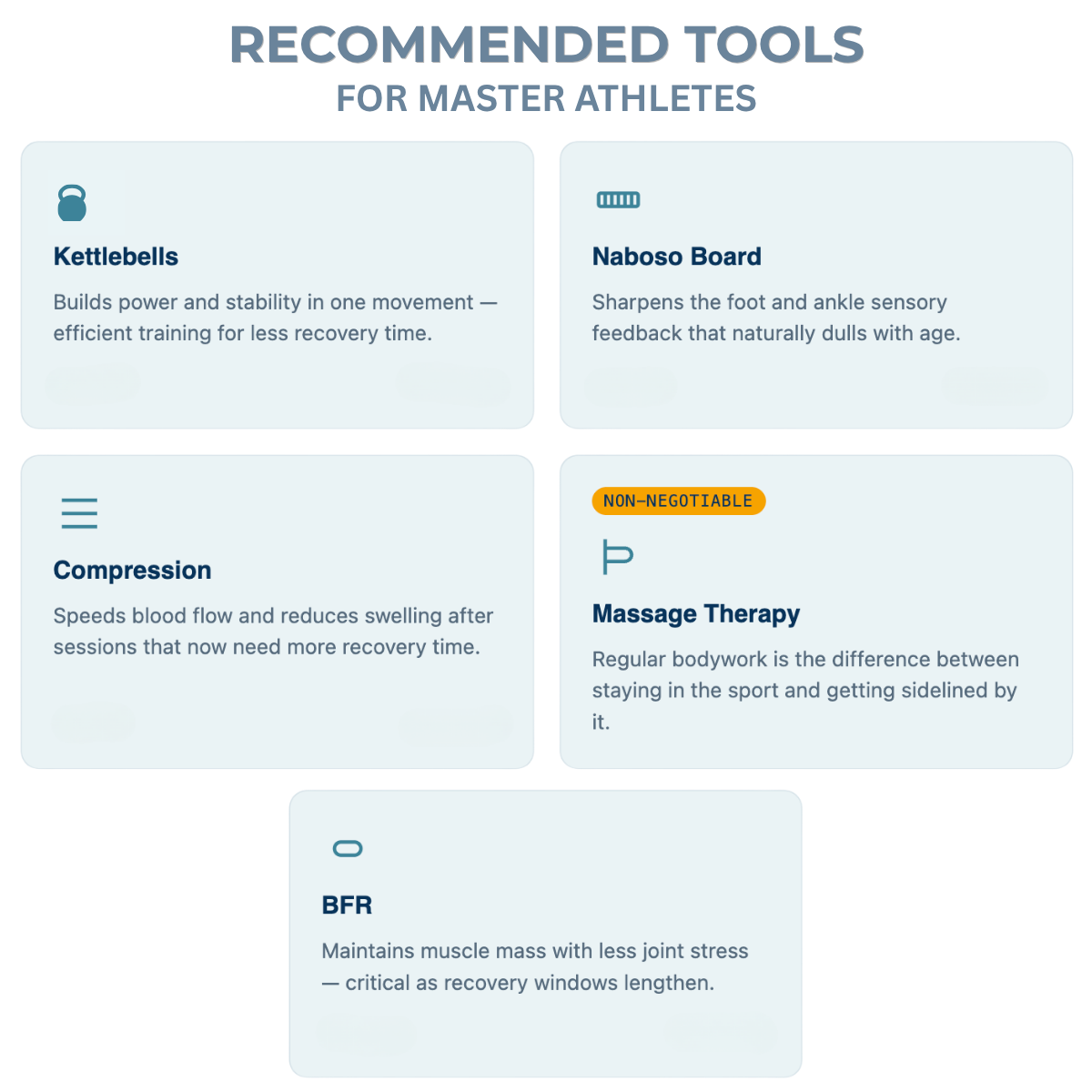
Spring sports ramp up fast — practices lengthen, intensity spikes, and competition schedules fill up. Whether you’re a high school athlete or a weekend warrior, your performance and durability are built long before the first game. In this blog, you’ll find tips for maximizing spring sport performance and the checklist every high school athlete and weekend warrior needs, covering strength, mobility, progressive speed exposure, and recovery strategies to set the stage for a healthy, successful season.

When the weather shifts, so does activity. Spring sports ramp up fast — practices get longer, intensity spikes, and competition schedules stack up quickly.

But here’s the truth:

Injuries don’t spike because spring arrived. They spike because preparation didn’t happen in winter.

Across both high school athletes and adult recreational athletes, research consistently shows the same pattern: early-season overload, overuse accumulation, and inadequate strength or tissue preparation drive injury rates up.

Let’s break it down.


High School Athletes: The Early-Season Risk Is Real


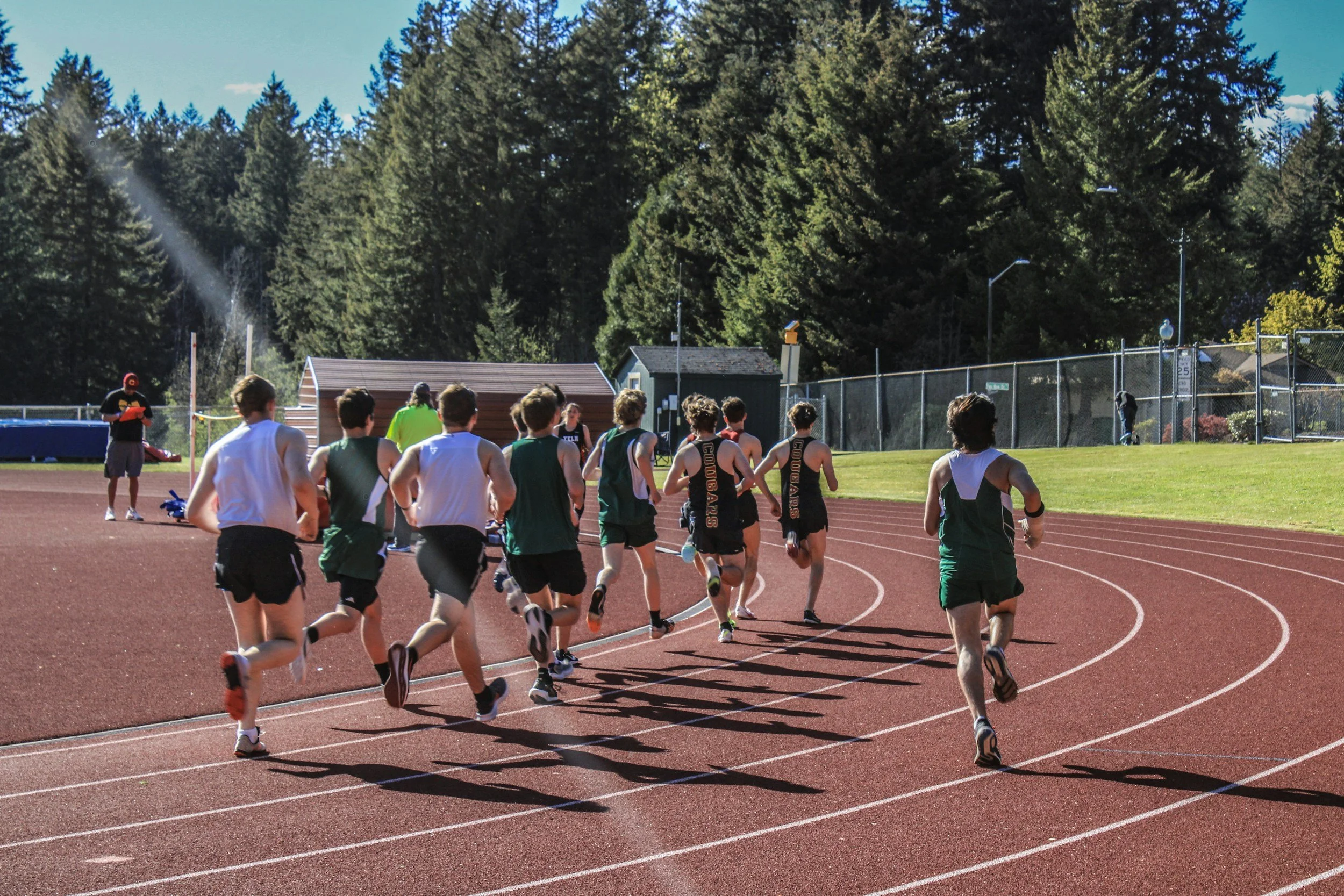
Track & Field

  • Overall injury rate: 0.84 injuries per 1,000 athlete exposures

  • Girls experience 37% higher injury rates than boys

  • Nearly 70% of track athletes sustain at least one injury in season-long studies

  • Training in spikes + ≥6 hours every two weeks increases injury risk 8-fold

Lower extremity injuries dominate — especially hamstrings, calves, knees, and ankles.

Translation: Winter should focus on posterior chain strength, tendon loading, and progressive speed exposure — not just mileage.


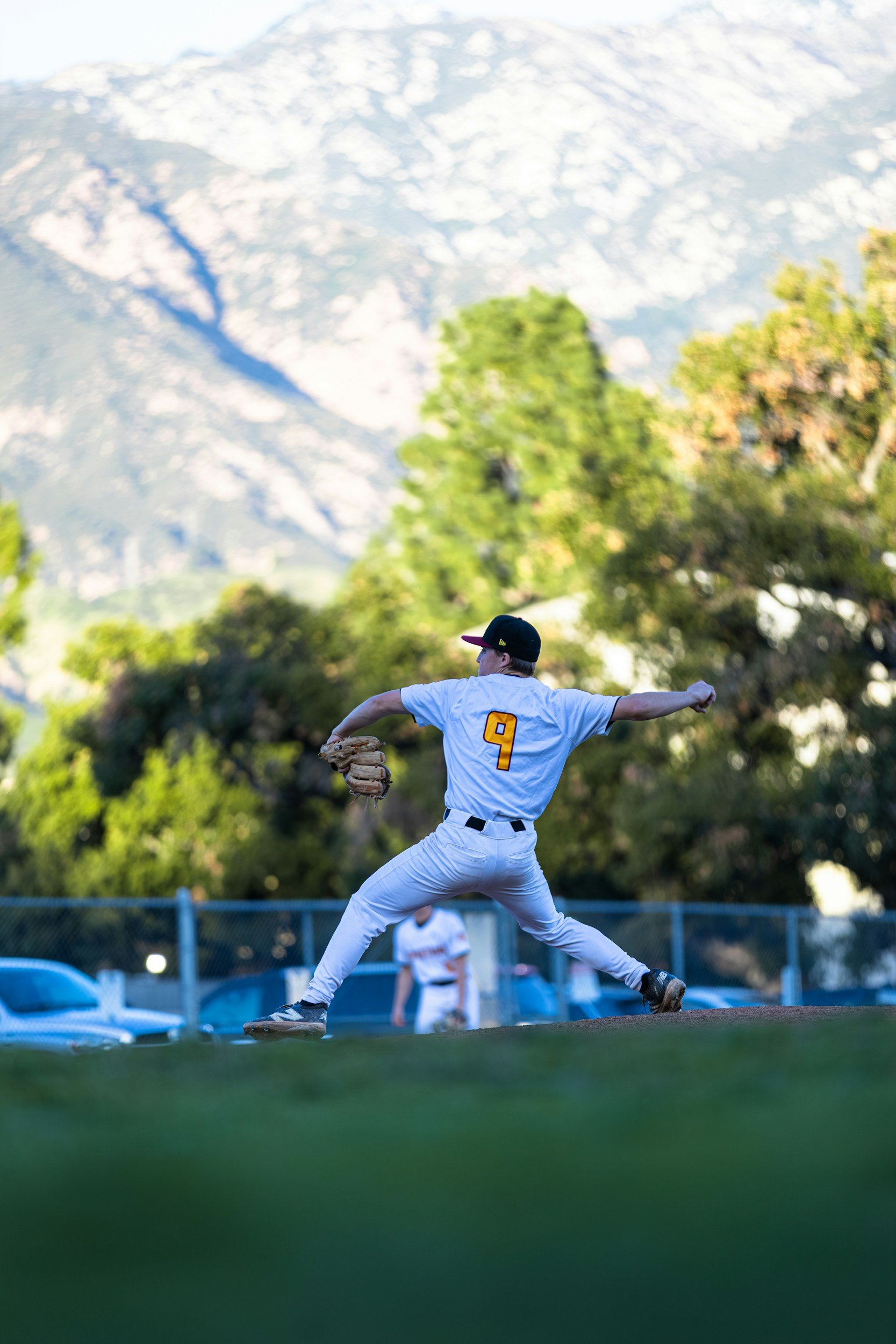
Baseball & Softball

  • Shoulder and elbow injuries are most common

  • Pitchers account for nearly 40% of shoulder injuries and 57% of elbow injuries

  • Injury rates are highest in the first month of the season

Translation: Arm care, scapular strength, and gradual throwing volume must begin in winter — not at the first bullpen.


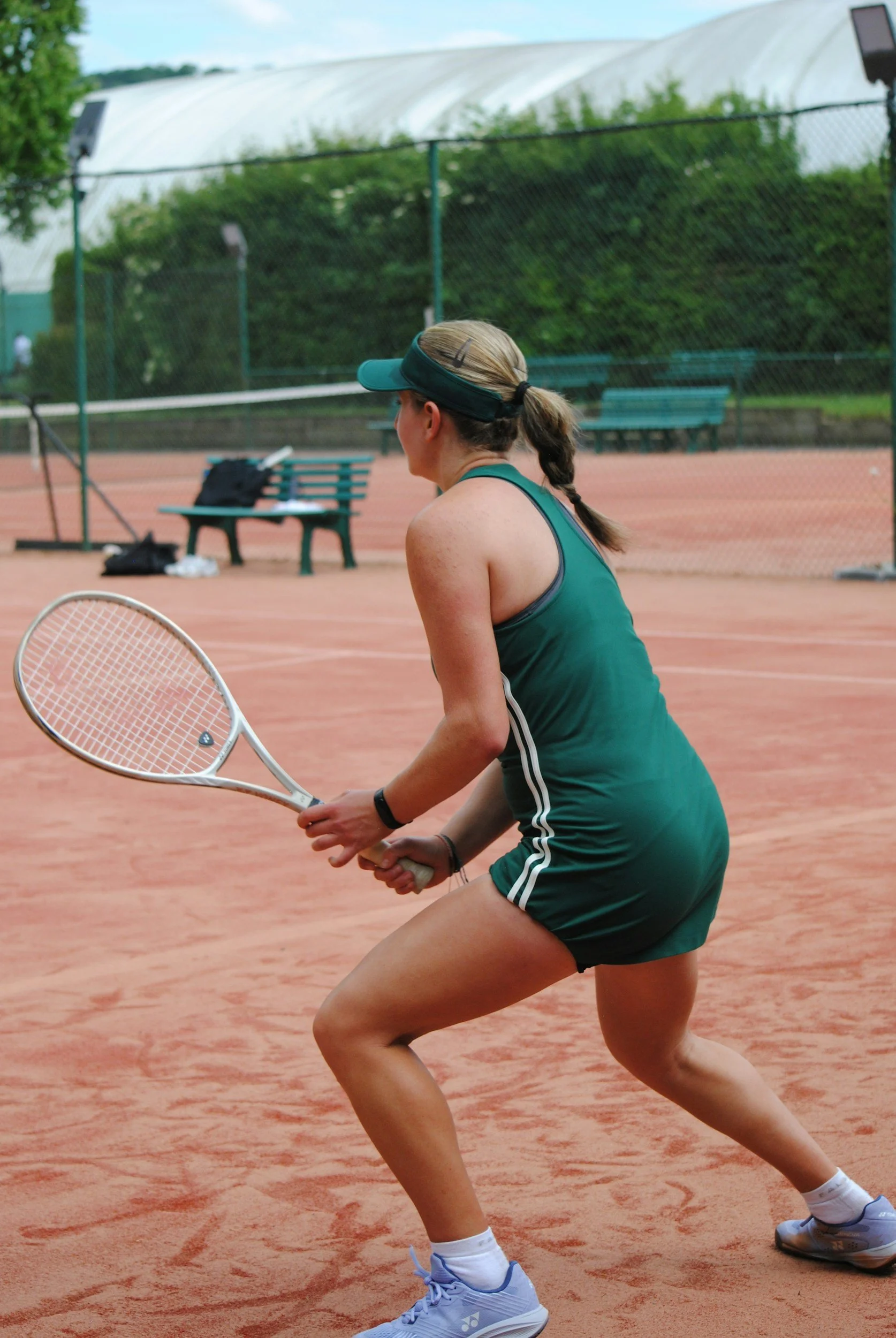
Tennis (Youth)

  • Lower extremity injuries (knee & ankle) are most common

  • 43% of injuries cause >4 weeks missed

  • Training ≥3x/week or >4.5 hours/week doubles injury risk

Repetitive rotation + quick direction changes stress both lower body and shoulder complex.

Translation: Winter needs rotational strength, landing mechanics, and ankle stability work.


Weekend Warriors: The Spring Surge Problem

Adults face the same issue — compressed preparation and intensity spikes.

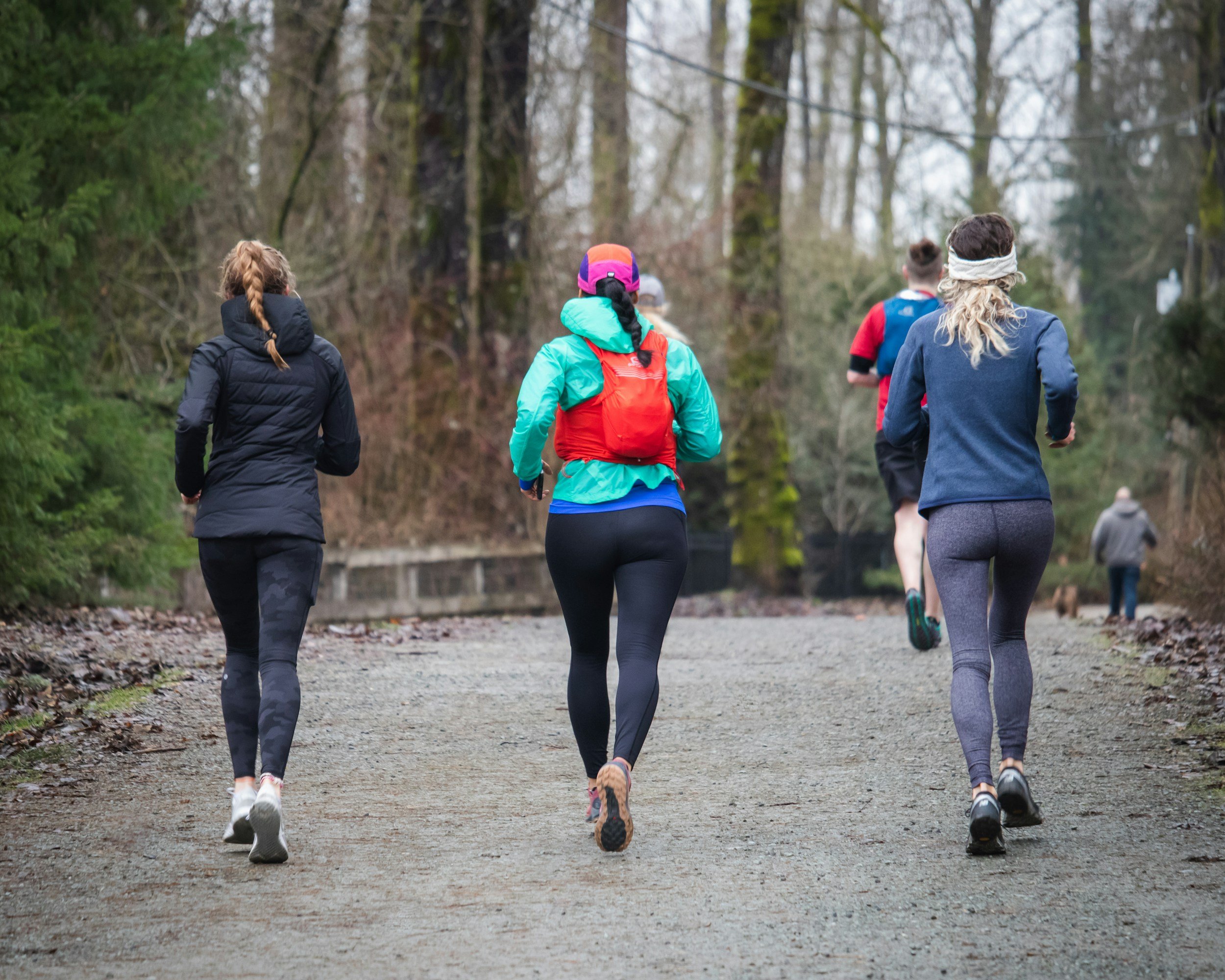
Recreational Runners (5K/10K Season)

  • Most common: shin splints, Achilles tendinopathy, patellofemoral pain

  • Median recovery time: 56 days

  • Poor sleep, high mileage (>20km/week), and higher bodyweight increase risk

Protective factor?
Foot-core strength training reduces injury risk by 60%.

Translation: Winter is the time to build tissue tolerance gradually — not jump into race mileage.


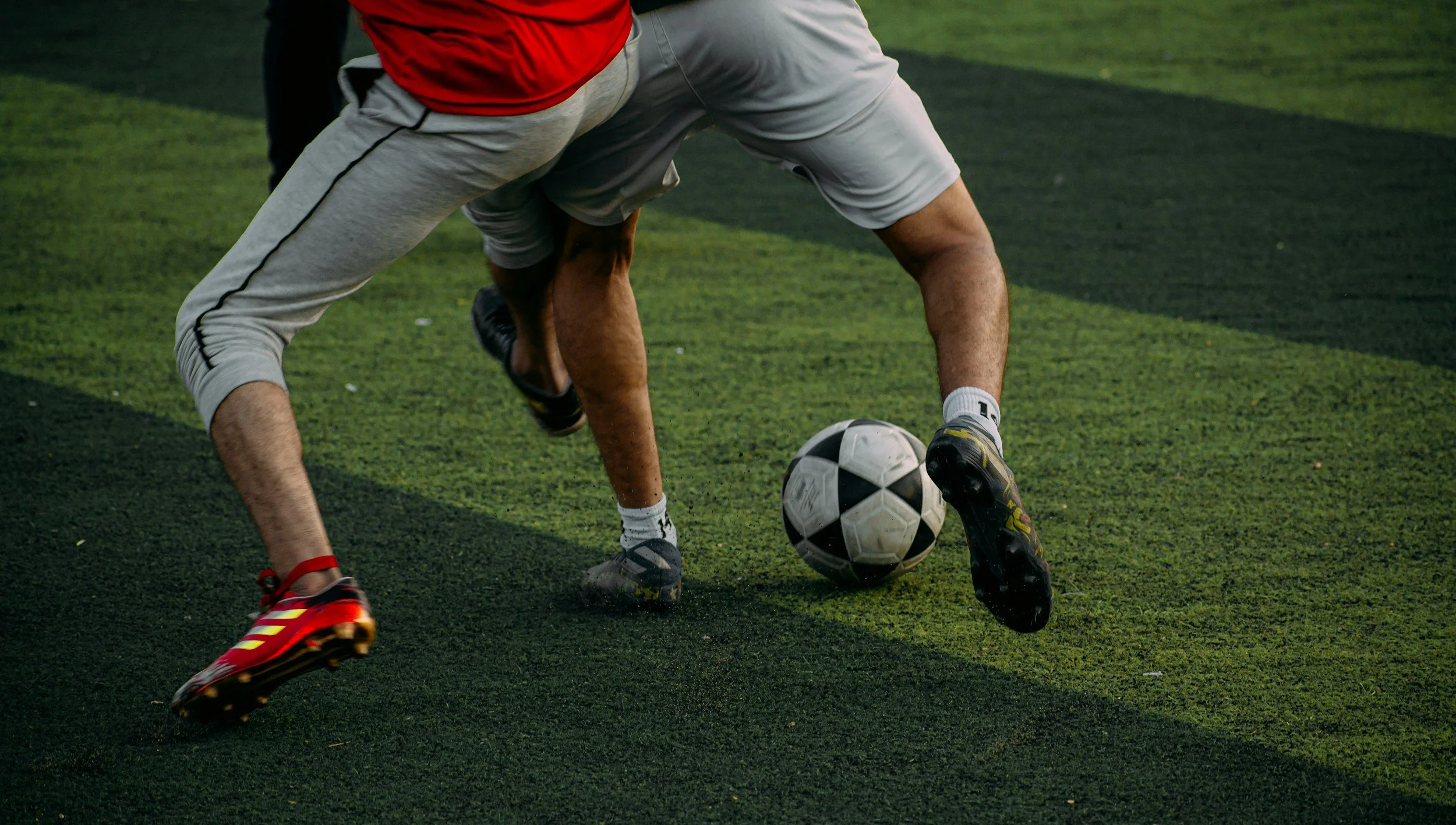
Adult Recreational Soccer

  • 60% sustain at least one time-loss injury per season

  • Knee (29.9%) and ankle (12.4%) most injured

  • 30% of injuries last >1 month

  • 14% are reinjuries

Contact accounts for over half of injuries — but many ligament injuries stem from poor neuromuscular control.

Translation: Winter should include deceleration drills, landing mechanics, and strength for joint stability.


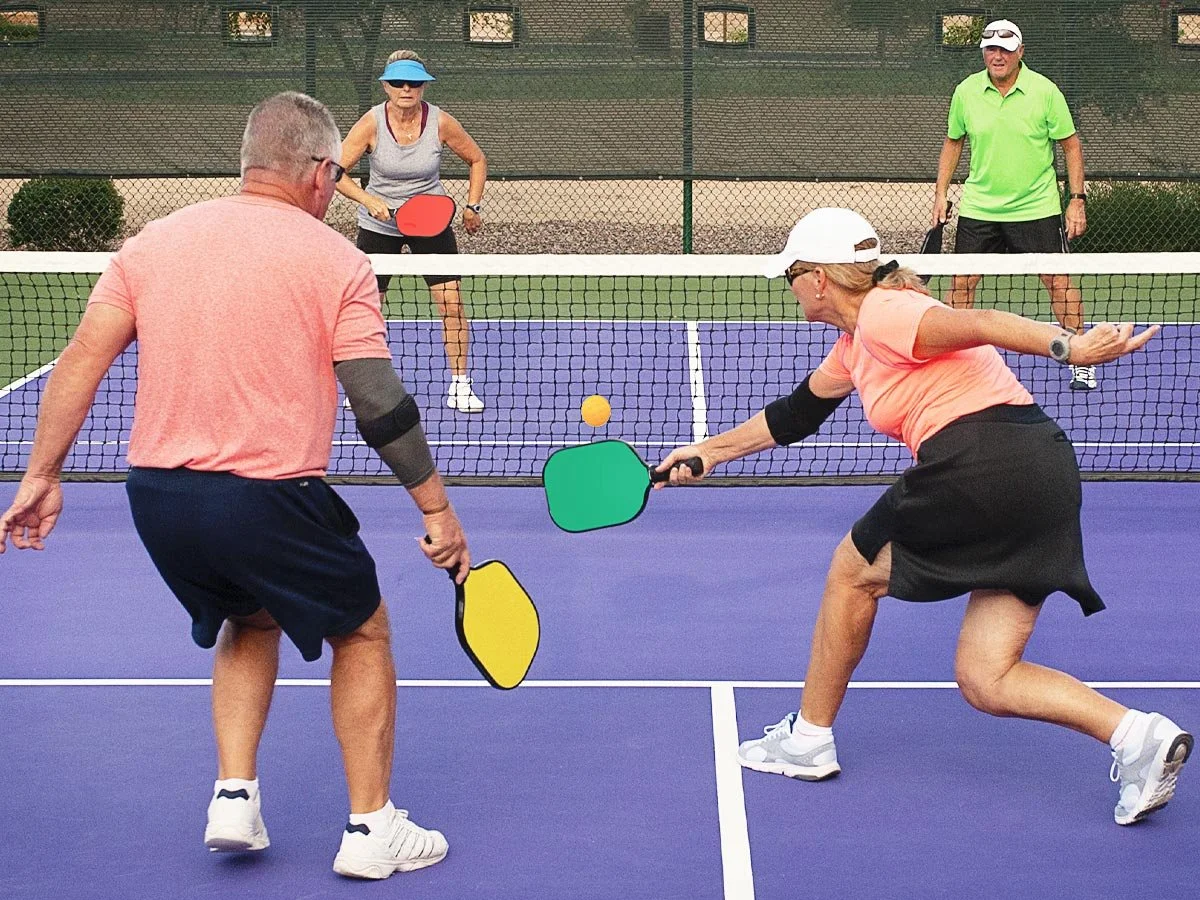
Pickleball (Especially 50+)

  • 34% of recreational players report injury annually

  • Knee, elbow, shoulder most common

  • Achilles ruptures often require surgery

  • Fracture risk increases after age 60

Interestingly, experience and consistent play reduce injury risk — so if you’re gonna play, maybe don’t make it your annual “dust off the cleats and hope for the best” appearance.

Join a regular group. Your muscles (and your pride) will thank you.

Translation: Winter should emphasize balance, calf strength, and reactive footwork.


Why Winter Matters

The first month of spring season consistently shows the highest injury rates across multiple sports.

That tells us one thing:

The body wasn’t prepared for the demand.

Winter training should:

  • Build tendon resilience

  • Increase force production capacity

  • Improve neuromuscular control

  • Gradually expose athletes to speed and volume

Preparation reduces the “too much, too soon” spike.


Winter-to-Spring Readiness Checklist

High School Athlete Checklist

Strength

☐ 2–3x/week lower body strength (posterior chain focus)

☐ Single-leg strength work

☐ Core anti-rotation & rotational strength

☐ Arm care program (for overhead athletes)

Mobility

☐ Ankle dorsiflexion mobility

☐ Hip internal rotation

☐ Thoracic rotation

Speed & Conditioning

☐ Gradual sprint exposure (no sudden spikes)

☐ Acceleration + deceleration drills

☐ Progressive volume build

Recovery

☐ 8+ hours sleep

☐ At least 1 rest day/week

☐ Monitor soreness and early pain signals


Weekend Warrior Checklist

Strength

☐ 2x/week resistance training

☐ Calf and Achilles loading

☐ Knee control exercises

☐ Foot-core training (especially runners)

Volume Management

☐ Increase mileage or play time ≤10% per week

☐ Avoid jumping from “zero to league play”

Balance & Stability

☐ Single-leg balance drills

☐ Lateral movement prep

☐ Deceleration mechanics

Lifestyle Factors

☐ Prioritize sleep

☐ Manage stress

☐ Address lingering injuries before season start


Final Takeaway

Spring performance is built in winter.

Whether you're a high school sprinter, a pitcher, a tennis athlete — or a 42-year-old signing up for a 10K — the research says the same thing:

Preparation determines durability.

Train smart now.
Load gradually.
Build tissue capacity before demand spikes.

Because the goal isn’t just starting the season.

It’s finishing it healthy. 


References

  1. Epidemiology of Injuries in United States High School Track and Field: 2008-2009 Through 2013-2014. Pierpoint LA, Williams CM, Fields SK, Comstock RD. The American Journal of Sports Medicine. 2016;44(6):1463-8. doi:10.1177/0363546516629950.

  2. Prevalence, Incidence and Characteristics of Musculoskeletal Injuries in Athletics (Track and Field): A Systematic Review and Meta-Analysis. Edouard P, Tsukahara Y, Mann RH, et al. British Journal of Sports Medicine. 2026;:bjsports-2025-110541. doi:10.1136/bjsports-2025-110541.

  3. Epidemiology of Overuse Injuries in US Secondary School Athletics From 2014-2015 to 2018-2019 Using the National Athletic Treatment, Injury and Outcomes Network Surveillance Program. Post EG, Simon JE, Robison H, Morris SN, Bell DR. Journal of Athletic Training. 2022;57(5):510-516. doi:10.4085/1062-6050-600-20.

  4. Training in Spikes and Number of Training Hours Correlate to Injury Incidence in Youth Athletics (Track and Field): A Prospective 52-Week Study. Ek A, Kowalski J, Jacobsson J. Journal of Science and Medicine in Sport. 2022;25(2):122-128. doi:10.1016/j.jsams.2021.09.006. 

  5. Shoulder Injuries in US High School Baseball and Softball Athletes, 2005-2008. Krajnik S, Fogarty KJ, Yard EE, Comstock RD. Pediatrics. 2010;125(3):497-501. doi:10.1542/peds.2009-0961. 

  6. Epidemiological Features of High School Baseball Injuries in the United States, 2005-2007. Collins CL, Comstock RD. Pediatrics. 2008;121(6):1181-7. doi:10.1542/peds.2007-2572. 

  7. Epidemiology of Shoulder and Elbow Injuries Among United States High School Baseball Players: School Years 2005-2006 Through 2014-2015. Saper MG, Pierpoint LA, Liu W, et al. The American Journal of Sports Medicine. 2018;46(1):37-43. doi:10.1177/0363546517734172. 

  8. Incidence of Injuries in High School Softball and Baseball Players. Shanley E, Rauh MJ, Michener LA, Ellenbecker TS. Journal of Athletic Training. 2011 Nov-Dec;46(6):648-54. doi:10.4085/1062-6050-46.6.648.

  9. Epidemiological Analysis of Pediatric Baseball and Softball Concussions in United States Emergency Departments. Abed V, Hawk GS, Conley C, Akarakian R, Stone AV. The American Journal of Emergency Medicine. 2023;69:143-146. doi:10.1016/j.ajem.2023.04.025. 

  10. Injury Profile in Junior Tennis Players: A Prospective Two Year Study. Hjelm N, Werner S, Renstrom P. Knee Surgery, Sports Traumatology, Arthroscopy : Official Journal of the ESSKA. 2010;18(6):845-50. doi:10.1007/s00167-010-1094-4. 

  11. Racket Sports-Related Injuries in Youth Athletes: A Narrative Review. Shrestha M, Usmani A, Karlov S, Harris A, Patel DR. International Journal of Environmental Research and Public Health. 2026;23(1):135. doi:10.3390/ijerph23010135. 

  12. Epidemiology of Musculoskeletal Injuries in Tennis Players: Risk Factors. Minghelli B, Cadete J. The Journal of Sports Medicine and Physical Fitness. 2019;59(12):2045-2052. doi:10.23736/S0022-4707.19.09842-6. 

  13. Diagnoses and Time to Recovery Among Injured Recreational Runners in the RUN CLEVER Trial. Mulvad B, Nielsen RO, Lind M, Ramskov D. PloS One. 2018;13(10):e0204742. doi:10.1371/journal.pone.0204742. 

  14. Factors Associated With Lower Limb Injuries in Recreational Runners: A Cross-Sectional Survey Including Mental Aspects and Sleep Quality. Mousavi SH, Hijmans JM, Minoonejad H, Rajabi R, Zwerver J. Journal of Sports Science & Medicine. 2021;20(2):204-215. doi:10.52082/jssm.2021.204.

  15. Predictive Effect of Well-Known Risk Factors and Foot-Core Training in Lower Limb Running-Related Injuries in Recreational Runners: A Secondary Analysis of a Randomized Controlled Trial. Suda EY, Watari R, Matias AB, Taddei UT, Sacco ICN. The American Journal of Sports Medicine. 2022;50(1):248-254. doi:10.1177/03635465211056329. 

  16. Running With Injury: A Study of UK Novice and Recreational Runners and Factors Associated With Running Related Injury. Linton L, Valentin S. Journal of Science and Medicine in Sport. 2018;21(12):1221-1225. doi:10.1016/j.jsams.2018.05.021.

  17. Injuries Among Spanish Male Amateur Soccer Players: A Retrospective Population Study. Herrero H, Salinero JJ, Del Coso J. The American Journal of Sports Medicine. 2014;42(1):78-85. doi:10.1177/0363546513507767. 

  18. Soccer Injuries and Recovery in Dutch Male Amateur Soccer Players: Results of a Prospective Cohort Study. van Beijsterveldt AM, Steffen K, Stubbe JH, et al. Clinical Journal of Sport Medicine : Official Journal of the Canadian Academy of Sport Medicine. 2014;24(4):337-42. doi:10.1097/JSM.0000000000000028. 

  19. Injuries in Formal and Informal Non-Professional Soccer - An Overview of Injury Context, Causes, and Characteristics. Gebert A, Gerber M, Pühse U, et al. European Journal of Sport Science. 2018;18(8):1168-1176. doi:10.1080/17461391.2018.1475507. 

  20. The Perils of Pickleball: A Two Decade Analysis of Upper and Lower Extremity Injuries From America's Fastest Growing Sport. Boroumand S, Park N, Katsnelson B, et al. Journal of Sports Sciences. 2025;43(14):1378-1385. doi:10.1080/02640414.2025.2496089. 

  21. Pickleball-Related Injuries Treated in Emergency Departments. Forrester MB. The Journal of Emergency Medicine. 2020;58(2):275-279. doi:10.1016/j.jemermed.2019.09.016. 

  22. Injury Risk and Epidemiology of Pickleball Players in South Korea: A Cross-Sectional Study. Jeong B, Lee KJ, Nam SH, et al. Frontiers in Public Health. 2025;13:1617291. doi:10.3389/fpubh.2025.1617291. 

  23. Pickleball: A Standard Review of Injury Prevalence and Prevention in a Rapidly Growing Sport. Azar FM, Lamplot JD, Bernholt DL, Spence DD. The Journal of the American Academy of Orthopaedic Surgeons. 2024;32(22):e1130-e1141. doi:10.5435/JAAOS-D-24-00151. 

  24. As Pickleball Continues to Gain Players, Injuries Are Increasing. Rodgers L. JAMA. 2025;:2840448. doi:10.1001/jama.2025.18833. 

  25. Emerging Patterns of Foot and Ankle Injuries in Pickleball Players: A Short Report. Kingston K, Parker EB, Higgins A, Smith JT. Foot & Ankle International. 2024;45(11):1266-1269. doi:10.1177/10711007241271215. 

  26. Common Sports Injuries in Young Tennis Players. Bylak J, Hutchinson MR. Sports Medicine (Auckland, N.Z.). 1998;26(2):119-32. doi:10.2165/00007256-199826020-00005.

Maintaining Cardiovascular Fitness with an Overuse Injury

Clinicians often recommend limiting time and intensity of workouts to allow for greater recovery time, decreased tissue stress and improved healing. By overloading a injured area either too soon, or too often, the athlete can see regressions in function, pain and dysfunctional mechanics. Yet, for the avid athlete, being told to decrease workout volume can feel disorienting. Aqua jogging can be a safe alternative for many athletes in this predicament, including those recovering from:

  • Stress-related bone injuries: stress response, stress reaction or stress fracture

  • Tendinopathies of the leg, including gluteal, hamstring and achilles tendinopathy

  • Surgical repair of a major injury, including FAI, labral, ACL or a meniscus repair

Aqua jogging can also be a great accessory workout for those with a very high training volume to allow for a effective cardio workout at a decreased level of impact. For many, access to a pool is more convenient than an anti-gravity treadmill! By adding a reduced load workout to your routine, you can decrease your risk of injury.

In all cases, talk to your medical team to ensure you are ready to begin an aquatic rehab program.


Pro tips for a successful aqua jogging workout:

1) Choose the right equipment

Wear a minimally buoyant belt to allow for moderate challenge throughout your workout. Avoid ones that are bulky, ill-fitting or feel like an inner tube. Click the images below to view our recommendations.

2) It’s aqua jogging, not swimming

Stay upright, keeping your hips under your shoulders. Resist the urge to go horizontal as with swimming; this will be less effective when wearing a floatation belt.

3) You’re in water, not on land

Don't focus on moving forward, as this will happen naturally. Instead, pay attention to the level of effort you’re exerting, regardless of how quickly you traverse the pool. 

4) Adjust your training volume to match

When cross-training specifically for distance running, a general rule of thumb is that you need to do 50% more in the pool to get the same cardio benefit as running on land. In other words, 45 minutes in the pool = 30 minutes of running.

To increase the challenge:

Intervals, intervals, intervals!

Just like with non-water workouts, varying the speed and intensity of your effort in waves can provide increased benefits. Using a timer or landmarks within the pool, challenge yourself to pick up the pace for a measurable interval. Based on your overall health, choose an appropriate recovery window. This can be time-based, for example resting the same, twice as much or half as much time it took you complete the challenging interval, or it can be biometrical, waiting for your heart rate to return to its pre-interval baseline.

Get a resistance band.

Select a band like this one and attach yourself to the wall, you can do "sprints" by creating more resistance than the water naturally provides.

Resistance bands can also be used if the pool is not deep enough throughout to do laps, you can do a stationary workout with this band by anchoring yourself to the wall or pool deck.

Remove the belt!

We recommend waiting until you feel confident with aqua jogging form is before taking this step. Taking it off too soon, even if you are a proficient swimming, will impact the overall quality of your workout.

Choosing A Clinician: A Guide for Athletes and Active Individuals

Whether you’re a seasoned athlete or simply someone who enjoys staying active, finding the right sports physical therapist can make all the difference in your recovery and performance. Sports physical therapists specialize in treating injuries and optimizing movement for individuals with active lifestyles. They work closely with athletes and fitness enthusiasts to help them get back to their peak condition safely and effectively. But with so many options out there, how do you choose the best one for you? Here’s what to look for when selecting a great sports physical therapist, including key qualities of both the clinician and the practice setting.

The Clinician:

1. Expertise in Sports-Related Injuries and Conditions

A good sports physical therapist has extensive knowledge and experience in managing sports-related injuries. Look for a therapist who:

  • Has experience treating injuries specific to your sport or activity. For instance, if you’re a runner, a therapist with experience in managing lower extremity injuries, such as shin splints or knee issues, will be invaluable.

  • Is certified or has a background in sports physical therapy. Certifications like the SCS (Sports Certified Specialist) indicate a strong foundation in sports injury management and rehabilitation.

  • Understands biomechanics and movement patterns specific to athletic activities. This knowledge is crucial for evaluating how you move and pinpointing any issues that may be causing or exacerbating your injury.

2. A Patient-Centered Approach and Strong Communication Skills

One of the most important qualities of a good sports physical therapist is the ability to listen to and understand your goals, needs, and concerns. Look for a therapist who:

  • Takes the time to listen to your story and understand how your injury affects your life and sport.

  • Communicates clearly about your diagnosis, treatment plan, and expected outcomes. They should be able to explain complex concepts in a way that you understand and feel comfortable with.

  • Values your goals and collaborates with you to create a recovery plan that supports both your short-term and long-term aspirations, whether that’s getting back to training or just enjoying a pain-free workout.

3. Customized, Sport-Specific Treatment Plans

No two injuries are alike, and athletes require specialized care tailored to their sport’s unique demands. A good sports physical therapist will:

  • Create a customized treatment plan that’s specifically designed to address your injury, taking into account your sport, position, and level of play.

  • Incorporate sport-specific exercises and progressions. For instance, if you’re a soccer player, your therapist should include drills that mimic the movement patterns used in soccer, like pivoting and kicking.

  • Focus not only on healing the injury but also on injury prevention. A great therapist will identify areas of weakness or instability that may lead to future issues and work with you to build strength and resilience in those areas.

4. Emphasis on Functional and Return-to-Sport Testing

A skilled sports physical therapist knows that recovery isn’t just about feeling better; it’s about getting back to performing at your best. Look for someone who:

  • Uses functional testing and return-to-sport assessments to objectively measure your readiness to return to your sport. These assessments help determine if you’re truly ready for the demands of your activity and reduce the risk of re-injury.

  • Tracks and evaluates progress over time to ensure you’re moving forward with your recovery.

  • Is willing to adapt the plan based on your progress and any challenges you face along the way.

The Practice Setting:

Alongside the characteristics of the therapist, the practice setting itself plays a crucial role in supporting effective treatment. Here’s what to look for in an ideal sports physical therapy setting:

1. Well-Equipped Facility with Sports-Specific Equipment

A good sports physical therapy clinic will have specialized equipment and spaces that allow for sport-specific rehabilitation. Look for a facility that includes:

  • Strength and conditioning equipment (like squat racks, resistance bands, free weights) to facilitate sport-specific strengthening and conditioning exercises.

  • Open space for dynamic exercises such as running, jumping, or agility drills. This allows for a full range of motion activities and sports-specific drills.

  • Advanced equipment for functional assessments and movement analysis, such as motion capture or force plates, which can provide valuable data on your biomechanics and movement patterns.

2. Collaborative, Interdisciplinary Team

In the best sports physical therapy clinics, therapists often work alongside other health and fitness professionals. This type of collaborative environment can be extremely beneficial if you need additional support, such as:

  • Sports medicine physicians and orthopedic specialists who can provide input on complex cases or guide the treatment plan based on specific medical needs.

  • Athletic trainers and strength coaches who can help transition you from rehabilitation to performance training.

  • Massage therapists who help treat soft tissue injuries and optimize recovery.

  • Nutritionists and mental health professionals who understand the unique demands placed on athletes and can support holistic recovery and wellness.

3. Emphasis on Education and Injury Prevention

An ideal sports physical therapy practice not only treats injuries but also focuses on educating athletes to prevent future issues. The clinic should provide:

  • Resources on injury prevention techniques, warm-up and cool-down strategies, and sport-specific conditioning tips.

  • Access to self-management tools (such as foam rollers, resistance bands, and instructional videos) to help you maintain your progress outside of the clinic.

  • Follow-up care or programs to support continued improvement after your primary treatment has ended.

Final Thoughts: Finding the Right Fit

Ultimately, finding a good sports physical therapist is about finding someone who understands your sport, values your goals, and has the expertise and resources to support your recovery journey. Take the time to ask questions, explore different clinics, and find a therapist and setting that feels right for you. The right therapist will not only help you recover from injury but also empower you to return stronger, more resilient, and better prepared to reach your full athletic potential.

Reactive vs Proactive Athletic Wellness

Depending on where you are in the country, preseason is underway for fall sports. No matter what level, most teams require some form of pre-participation exam. These annual appointments are designed “to screen for injuries or medical conditions that may place an athlete at risk for safe participation."1 Regrettably, there is not a standardized exam in the US, resulting in a wide range of effectiveness. The National Athletic Trainers' Association Position Statement includes the following guidelines for designing an exam:

  • Medical and Family Health History

  • General Health Screening

  • Cardiovascular Screening

  • Neurological Screening

  • Orthopedic Screening

  • General Medical Screening

  • Review of Medication Use

  • Nutrition Assessment

  • Heat- and Hydration-Related Illness Risk Factors

Considering all the areas assessed, it is important a medical physician (MDs or DOs) supervise these exams. Missing from that list however, is a Functional Movement Assessment. Both ATCs and PTs can be instrumental in helping you establish an athletic baseline.2

By evaluating basic movement patterns, any strength imbalances or compensatory strategies can quickly be identified. Check out our instagram post on the functional assessment I used with the Warriors Dance Team for the 2021-2022 preseason screens!

Your provider can review any significant findings with you, helping you understand how they may be impacting your performance. But if the findings from your assessment don’t correspond with pain, should you still address them?

Short answer: It depends. 

As clinicians, it is important to take the whole athlete and their goals into account. Understanding the demands of the sport and the anticipated load throughout the season is one piece of the puzzle. A rising high school freshman basketball player with lower extremity strength imbalance may have been fine playing at the middle school level 3-4 times per week. However, once introduced to the demands of a varsity squad- weight lifting, practices 5 times a week, and a heavier competition schedule- may no longer thrive. It is reasonable to anticipate that they will begin to experience lower extremity joint pain at some point during the season. By providing them a short home exercise protocol that addresses the imbalance, they may be able to avoid the scenario altogether.

A semi-professional golfer will expectedly present with a strength imbalance dominant to non-dominant side rotation due to the demands of their sport. Assuming their regular strength and conditioning includes bilateral rotational power and deceleration work, minimal changes may need to be made.

Ultimately, we believe that sports medicine should be proactive not reactive. While it is impossible to avoid injury in sports entirely, athletes can train more effectively based on their individual strengths and demands.

To learn more, check out these articles:

  1. Wingfield K, Matheson GO, Meeuwisse WH. Preparticipation Evaluation: An Evidence-Based Review. Clin J Sport Med 2004; 14(3):109-122.

  2. Conley KM, Bolin DJ, Carek PJ, Konin JG, Neal TL, Violette D. National Athletic Trainers’ Association Position Statement: Preparticipation Physical Examinations and Disqualifying Conditions. Journal of Athletic Training 2014;49(1):102–120.


Summary Block
This block has no content yet. Items you add to the page connected to this block will display here.

Make It Subtle

OverPage-0 44.png

The show must go on! For so many performers and athletes, sitting on the sidelines isn’t an option. Kinesiology taping can be a beneficial treatment modality to help minimize time off when combined with progressive reloading. A 2018 case study demonstrated successful conservative management of FHL tenosynovitis with care including kinesiology taping, manual therapy, rehabilitative exercise, and laser therapy. The patient was able to continue two hours of dance training per day within the first two months of treatment, and gradually build back to 6 hours per day without re-aggravation of the condition.

fhl.jpg

Figure 2 Kinesiology tape application to the FHL. The ankle was dorsiflexed and pronated with no stretch in the tape as it was applied. This application provided a “lifting” of the skin as the patient assumes a plantarflexed ankle position.


When working with performers, presentation matters. While neon colored kinesiology tape may be permissible for other athletes, dancers may need to prioritize appearance. Enter KTape MySkin. This simple design change allows for all athletes to receive the support and care they need to perform at their highest potential.

skintone ktape

Dance medicine providers or teams can order a mixed box to ensure that each performer has a color that matches their skin tone, allowing the audience to focus on the dancer rather than their injury.

To learn more, check out this article: 

  1. Wentzell M. Conservative management of a chronic recurrent flexor hallucis longus stenosing tenosynovitis in a pre-professional ballet dancer: a case report. J Can Chiropr Assoc. 2018;62(2):111-116.